
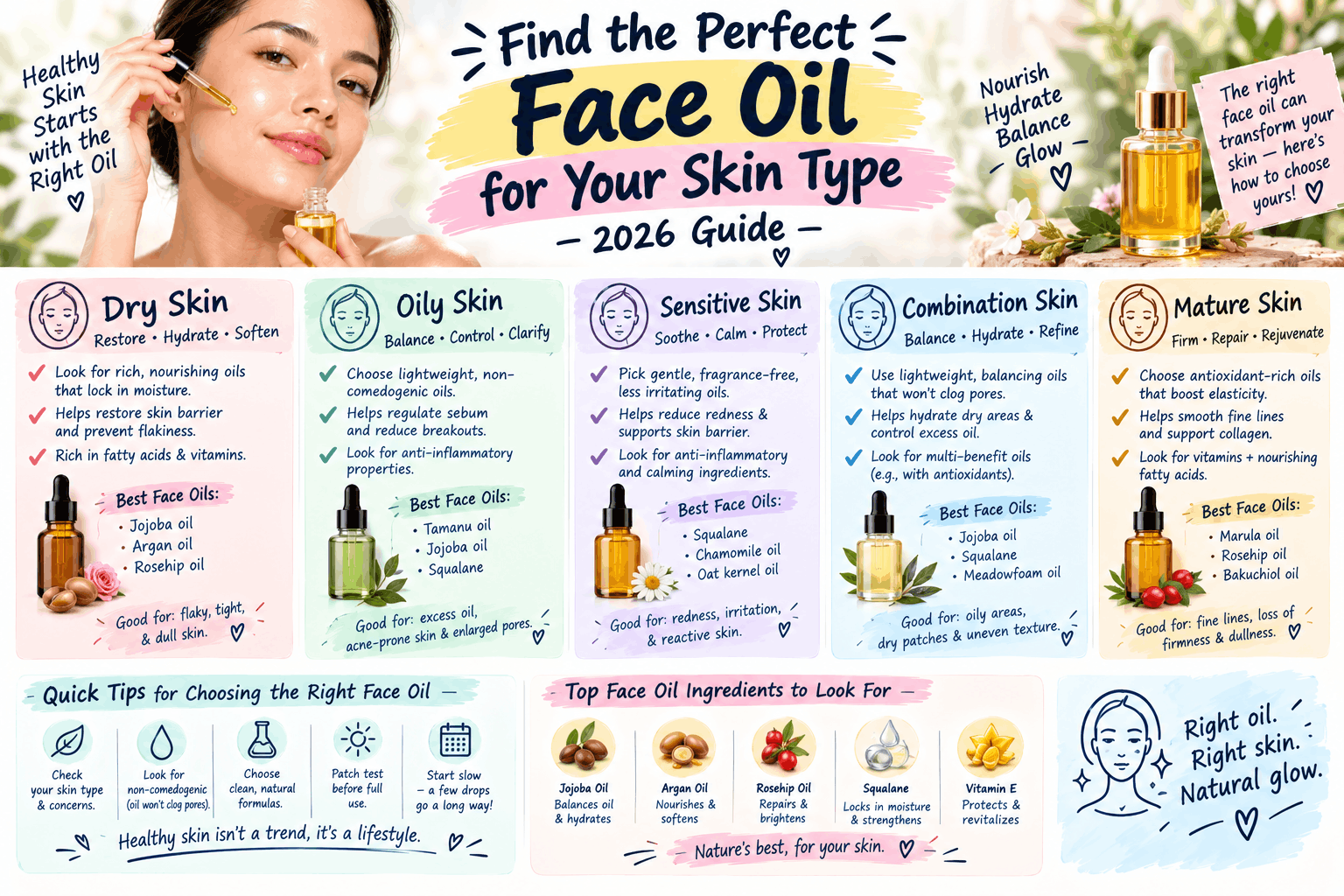
Choosing a face oil can feel like stepping into a chemistry lab—there are dozens of options, each promising radiant, balanced skin. The good news is that modern research has demystified how oils interact with the skin barrier, allowing you to pick a formula that truly matches your skin type and concerns. In this 2026 guide we break down the science, walk you through ingredient benefits, and present a curated list of the best face oil for skin type in every category. Whether you battle shine, dryness, sensitivity, or the first signs of aging, you’ll finish reading with a clear, personalized plan.
Understanding Skin Types and How They React to Oils
Skin can be grouped into five broad types, each with a distinct lipid profile and barrier function.
- Oily skin: Overactive sebaceous glands produce excess sebum, leading to a glossy finish and a higher likelihood of clogged pores.
- Dry skin: Low natural oil production leaves the barrier thin, causing flakiness, tightness, and a dull complexion.
- Combination skin: The T‑zone (forehead, nose, chin) is oily while cheeks stay dry or normal.
- Sensitive skin: The barrier is easily irritated; redness, stinging, or itching appear after exposure to harsh ingredients.
- Mature skin: Collagen loss and decreased lipid synthesis make the skin prone to fine lines and loss of elasticity.
When you apply a facial oil, you are essentially supplementing the skin’s native lipids. Oily skin often worries that any added oil will cause breakouts, but the reality is more nuanced. Non‑comedogenic oils—those that do not block pores—can actually regulate sebum output by signaling the skin that it doesn’t need to produce as much. Conversely, a heavy, comedogenic oil on dry skin can trap moisture but also risk irritation if the formula lacks soothing agents.
Myth busting: The blanket statement “oils cause acne” ignores the difference between comedogenic and non‑comedogenic oils, as well as the role of formulation. A well‑chosen oil can improve barrier health, reduce inflammation, and ultimately lower acne frequency.
Key Ingredients in Face Oils and Their Benefits
Understanding the core molecules helps you match an oil to your skin’s needs.
- Essential fatty acids (Omega‑3, Omega‑6): These polyunsaturated fats reinforce the lipid matrix, improving water retention and reducing transepidermal water loss.
- Squalane: A hydrogenated form of squalene, squalane is ultra‑light, stable, and rated 0‑1 on the comedogenic scale, making it ideal for oily and acne‑prone skin.
- Jojoba oil: Chemically similar to human sebum, jojoba acts as a natural sebum substitute, helping the skin self‑regulate oil production.
- Rosehip seed oil: Rich in retinoic acid‑like compounds, vitamin C, and linoleic acid, it brightens hyperpigmentation and supports scar healing.
- Antioxidant compounds (vitamin E, polyphenols): They neutralize free radicals, protecting against premature aging and environmental stressors.
When an oil combines several of these actives, you get a multi‑tasking product that hydrates, calms inflammation, and offers anti‑aging benefits—all without feeling greasy.
How to Choose the Right Face Oil for Your Skin Type
Follow this three‑step decision tree before you click “add to cart.”
- Check the comedogenic rating and texture. Light oils (squalane, jojoba) score 0‑1 and absorb quickly—perfect for oily or combination skin. Heavier oils (marula, avocado) sit at 2‑3 and suit dry or mature skin.
- Match oil benefits to your primary concern. Need barrier repair? Look for Omega‑3‑rich oils. Want brightening? Choose rosehip or pomegranate seed oil. For inflammation, prioritize antioxidant‑dense options.
- Use a quick skin analysis tool. Many brands now offer AI‑driven quizzes that ask about oiliness, sensitivity, and current regimen. The results narrow the field to 2‑3 candidates, saving time and money.
Also consider formulation: pure single‑ingredient oils are great for testing, while blends can deliver a broader spectrum of actives. If you have fragrance sensitivities, opt for fragrance‑free versions.
Top Recommended Face Oils for Each Skin Type (2026)
Below are products that consistently score high on independent lab testing, consumer reviews, and ingredient transparency.
- Oily/Acne‑Prone: The Ordinary 100% Plant‑Derived Squalane – lightweight, 0‑comedogenic rating. Biossance Squalane + Vitamin C adds antioxidant protection without clogging pores.
- Dry: Trilogy Certified Rosehip Oil – high in linoleic acid and vitamin C for deep hydration and brightening. Kiehl’s Midnight Recovery Concentrate – a blend of squalane, lavender, and evening primrose oil for overnight barrier repair.
- Combination: Indie Lee Squalane Oil – balances oil‑producing zones while soothing dry patches. Herbivore Lapis Facial Oil – a mineral‑infused blend that offers a matte finish on the T‑zone and moisture on the cheeks.
- Sensitive: La Roche‑Posay Toleriane Ultra‑Light Oil – fragrance‑free, enriched with thermal spring water for calmness. Avene Tolerance‑Reducing Oil – contains Avene’s signature I-modulia® to soothe reactive skin.
- Mature: Drunk Elephant Virgin Marula Luxury Facial Oil – rich in omega‑9, antioxidants, and phytosterols for elasticity. Sunday Riley Luna Sleeping Night Oil – combines retinol‑compatible bakuchiol with squalane for night‑time renewal.
All of these options are available from reputable retailers; you can often find discount codes on best SPF for oily skin pages or through partner newsletters.
Application Tips and Routine Integration
Correct usage maximizes benefits and prevents over‑application.
- Timing: Apply oil after your serum but before moisturizer if you have dry skin, allowing the oil to lock in active ingredients. For oily skin, dab a few drops onto damp skin and skip the moisturizer to avoid heaviness.
- Layering with sunscreen: Wait 5‑10 minutes after oil application before applying SPF. This ensures the sunscreen forms an even protective film.
- Dosage: One to two drops nightly is sufficient for most face sizes. Adjust upward only if you notice tightness; reduce if you experience shine.
- Combining with actives: Pair oils with retinoids or AHAs only on alternate evenings. The oil can mitigate irritation, but simultaneous use may increase sensitivity for some users.
Consistency is key—most skin barrier improvements become noticeable after 4‑6 weeks of regular use.
FAQs and Common Mistakes
- Will face oil cause breakouts?
- Only if the oil is comedogenic for your skin type. Non‑comedogenic oils like squalane, jojoba, and rosehip are safe for acne‑prone skin when used in moderation.
- How much is too much?
- More than 3‑4 drops per application can overwhelm the barrier, leading to a greasy feel and potential pore blockage, especially on oily skin.
- Can I mix multiple oils?
- Yes, blending a lightweight oil with a richer one can tailor texture and benefits. Start with a 1:1 ratio and monitor for irritation.
- What should I do if irritation occurs?
- Stop using the oil immediately, rinse with a gentle cleanser, and apply a calming serum containing niacinamide or centella asiatica. If redness persists, consult a dermatologist.
Where to Buy & Affiliate Opportunities
All recommended oils are stocked at major beauty retailers. Use the following links for a quick purchase and to support TFS Daily:
- The Ordinary 100% Plant‑Derived Squalane on Sephora – use code TFS10 for 10 % off.
- Biossance Squalane + Vitamin C on Dermstore – free shipping on orders over $50.
- Explore the AI skin analysis platform AI skincare routine for a personalized oil match and a 7‑day trial.
By understanding your skin’s unique lipid needs, selecting ingredients with proven benefits, and following proper application techniques, you can turn a simple face oil into a cornerstone of a radiant, healthy complexion.


One thought on “Find the Perfect Face Oil for Your Skin Type – 2026 Guide”
Comments are closed.