
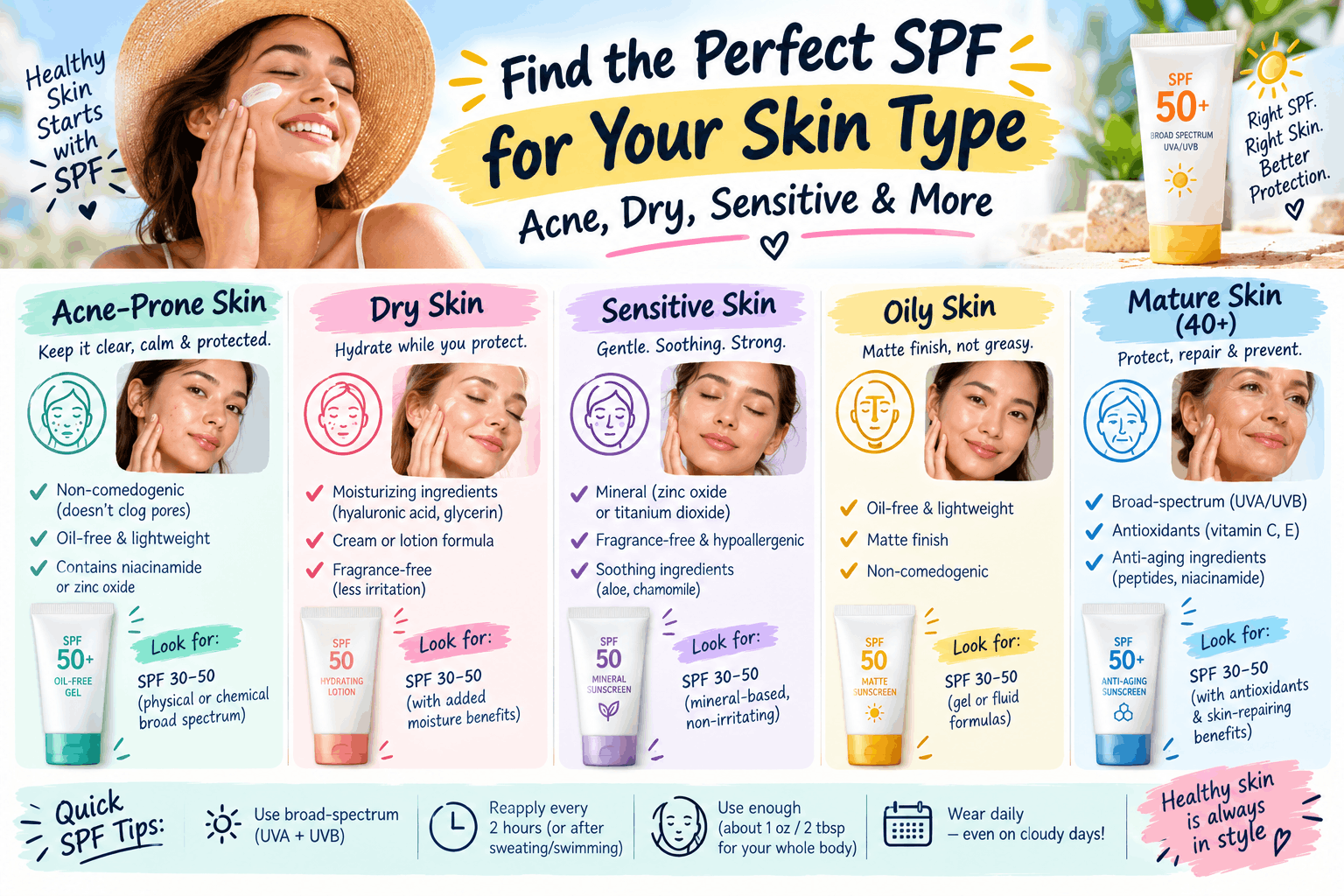
Whether you’re hopping on a plane to a tropical island or navigating a city‑wide metro, sun exposure follows you everywhere. For travel‑focused skincare enthusiasts, the difference between a radiant complexion and a painful breakout often hinges on one simple decision: the right sunscreen. In this guide we break down the science of UV damage, decode SPF labels, match formulas to oily, dry, sensitive or mature skin, and share practical application tips so you can protect your skin without sacrificing comfort or style.
Why SPF Matters for Every Skin Type
Ultraviolet (UV) radiation comes in two main flavors—UVA, which ages skin and penetrates deep layers, and UVB, which causes sunburn. Both trigger oxidative stress, collagen breakdown, and pigment irregularities. While everyone benefits from protection, each skin type reacts uniquely. Oily, acne‑prone skin can become greasier or clogged if a sunscreen feels heavy, whereas dry or sensitive skin may experience stinging or barrier disruption from harsh chemicals. Mature skin, with thinner epidermis, needs extra antioxidant support to combat cumulative photo‑aging. Understanding these nuances helps you choose a product that shields without aggravating underlying concerns.
How to Decode SPF Labels and Ingredients
SPF Number vs UVA/UVB Coverage
SPF (Sun Protection Factor) quantifies protection against UVB. An SPF 30 blocks about 97% of UVB rays, while SPF 50 blocks roughly 98%. The difference seems small, but higher SPF can be valuable for extended outdoor activities. UVA protection isn’t reflected in the SPF number; look for “broad‑spectrum” to ensure balanced defense.
Broad‑Spectrum Definition
In the U.S., a sunscreen earns the broad‑spectrum label only after passing a critical wavelength test that confirms at least 90% UVA coverage. This is the gold standard for preventing long‑term photo‑aging and hyperpigmentation.
Chemical vs Mineral Filters
Chemical filters (e.g., avobenzone, octocrylene) absorb UV rays and convert them to heat. They’re typically lightweight, making them a favorite for oily or acne‑prone skin. Mineral filters—zinc oxide and titanium dioxide—sit on the surface and physically block UV. They’re less likely to cause irritation, which is why they’re often recommended for sensitive or dry skin, though they can leave a faint white cast.
Non‑comedogenic and Fragrance‑Free Claims
For breakout‑prone faces, “non‑comedogenic” indicates the formula won’t clog pores. Fragrance‑free reduces the risk of allergic reactions, a critical factor for sensitive skin types. Always pair these claims with an ingredient list you trust.
Best SPF Picks Tailored to Specific Skin Types
Oily/Acne‑Prone: Light, Oil‑Free, Non‑Comedogenic
When you’re hunting for the best SPF for oily skin, look for gel‑based or fluid textures that absorb quickly and leave a matte finish. A 2024 dermatology panel highlighted a 30‑minute‑dry‑time, silica‑infused formula that provides SPF 50+ broad‑spectrum protection without a greasy feel. For a budget‑friendly option, consider a 50‑SPF mineral hybrid that uses micronized zinc oxide to stay invisible on the skin. Shop the recommended oil‑free sunscreen for a hassle‑free travel companion.
Dry/Sensitive: Hydrating, Barrier‑Supporting Formulas
Dry skin craves moisture even under sunscreen. Look for added humectants (glycerin, hyaluronic acid) and soothing agents like niacinamide or panthenol. A broad‑spectrum SPF 30 cream enriched with ceramides helps restore the lipid barrier while shielding against UV. For ultra‑sensitive travelers, a fragrance‑free mineral sunscreen with 100% zinc oxide offers a gentle, hypoallergenic shield. Explore the top dry‑skin sunscreen that doubles as a lightweight moisturizer.
Combination: Balanced Texture, Quick‑Absorb
Combination skin benefits from a lotion‑gel hybrid that hydrates dry zones and controls shine on the T‑zone. Look for a product that lists both zinc oxide and octinoxate—this blend provides broad coverage while maintaining a semi‑matte finish. An SPF 45 formula with vitamin E adds antioxidant protection, perfect for long flights where cabin air can dry the skin.
Mature/Aging: Antioxidants and Anti‑Wrinkle Additives
Mature skin needs more than UV blockage; it thrives on ingredients that fight free radicals and support collagen. Sunscreens fortified with green tea extract, resveratrol, or peptide complexes can reduce the appearance of fine lines while defending against UVA‑induced elastin loss. An SPF 30 broad‑spectrum cream with a subtle tint can also even out tone, making it a dual‑purpose product for daytime travel.
Budget vs Premium Recommendations
Budget travelers can find reliable SPF 30‑50 options at drugstores that meet FDA broad‑spectrum standards. Premium lines often incorporate advanced filters (e.g., Tinosorb M) and skin‑care actives, justifying a higher price for those who prioritize multitasking formulas.
Application Tips for Maximum Photoprotection
- Use about a half‑teaspoon (≈ 2.5 ml) for the entire face and neck. This amount ensures the labeled SPF is truly effective.
- Apply sunscreen as the final step of your morning routine, after moisturizer but before makeup. Allow 2‑3 minutes for absorption.
- When traveling, keep a travel‑size spray or stick for quick reapplication on planes or during layovers.
- Reapply every two hours outdoors, and immediately after swimming, sweating, or towel‑drying. In humid climates, consider a water‑resistant formula.
Common Mistakes & How to Fix Them
- Using too low SPF: For tropical destinations, SPF 30 may be insufficient if you’ll be outdoors for hours. Opt for SPF 50+ and pair with protective clothing.
- Skipping reapplication on cloudy days: Up to 80% of UV rays penetrate clouds. Set a timer on your phone to remind you every 90 minutes.
- Choosing scented sunscreens for sensitive skin: Fragrance can trigger irritation. Stick to fragrance‑free, hypoallergenic options.
- Applying sunscreen after makeup: Sunscreen should be the base layer. If you need touch‑ups, use a mineral powder sunscreen that can be layered over makeup.
FAQ Section
Can I wear sunscreen on cloudy days?
Yes. Clouds filter only a fraction of UVB, while UVA passes virtually unchanged. Broad‑spectrum sunscreen protects against both, making daily use essential.
Is SPF 30 enough for tropical travel?
SPF 30 blocks 97% of UVB, but intense sun, reflective surfaces (sand, water) and prolonged exposure can overwhelm that protection. Dermatologists recommend SPF 50+ for high‑intensity environments, especially if you have a fair complexion or a history of skin cancer.
How to store sunscreen for long trips?
Keep sunscreen in a cool, dark place—ideally a zip‑lock bag away from direct heat. Avoid leaving it in a car trunk, as temperatures above 40 °C degrade active ingredients. Most formulas remain effective for up to three years; check the expiration date before packing.
Conclusion & Quick Reference Table
Choosing the right sunscreen is a blend of science, skin‑type awareness, and travel logistics—once you master it, you’ll enjoy sun‑kissed adventures without compromising skin health.
| Skin Type | Top Pick | SPF | Key Benefits |
|---|---|---|---|
| Oily/Acne‑Prone | Oil‑Free Gel Sunscreen | 50+ | Matte finish, non‑comedogenic, lightweight |
| Dry/Sensitive | Hydrating Mineral Cream | 30 | Fragrance‑free, ceramide‑rich, soothing |
| Combination | Lotion‑Gel Hybrid | 45 | Balanced hydration, semi‑matte, antioxidant‑infused |
| Mature/Aging | Anti‑Wrinkle SPF Cream | 30 | Peptides, green tea extract, tint |
For a deeper dive into personalized skincare, check out our AI Skincare Routines: Personalize Your Regimen for All Skin Types guide.

4 thoughts on “Find the Perfect SPF for Your Skin Type – Acne, Dry, Sensitive & More”
Comments are closed.