
Layering serums isn’t a luxury—it’s a strategic way to deliver high‑potency actives exactly where they’re needed while keeping the skin barrier intact. By understanding molecular size, pH, and ingredient compatibility, you can build a routine that tackles redness, hyperpigmentation, and early signs of aging without compromising comfort.
Why Targeted Serum Layering Is Key for Complex Skin Concerns
Moisturizers provide broad hydration, but serums concentrate actives in a lightweight vehicle that penetrates deeper than a typical cream. The stratum corneum—your outermost barrier—acts like a brick‑and‑mortar wall; smaller molecules slip between the “bricks” (corneocytes) while larger ones sit on the surface. This is why a low‑molecular‑weight vitamin C serum can reach the epidermis quickly, whereas a peptide complex stays nearer the surface, reinforcing barrier proteins.
When you match the serum’s molecular weight to the target layer, you maximize efficacy and minimize irritation. For example, niacinamide (MW ~122) easily traverses the lipid matrix, soothing inflammation from within, while ceramide‑rich serums (larger molecules) reinforce the mortar, sealing moisture loss.
Active Ingredient Compatibility Matrix: Pairing Actives Without Irritation
Synergizing Actives
- Niacinamide + Peptides: Niacinamide calms redness and boosts ceramide synthesis; peptides signal fibroblasts to produce collagen. Together they improve barrier resilience and reduce visible irritation.
- Centella asiatica + Copper Peptides: Centella’s triterpenoids reduce inflammation, while copper peptides promote wound healing and elastin production.
Conflicting Actives
- L‑Ascorbic Acid + Retinoids: Both are low‑pH, but vitamin C can destabilize retinoids, leading to reduced efficacy and heightened sensitivity.
- AHAs/BHAs + Retinoids: Combining exfoliating acids with retinoids can over‑strip the barrier, causing redness and peeling.
To avoid these clashes, separate potent actives by time of day or by alternate evenings. For instance, use a vitamin C serum each morning and a gentle retinoid every other night.
Step‑by‑Step Layering Rules: From Molecular Weight to Skin Type
- Water‑based hydrators first, lipophilic oils last. Apply thin, water‑soluble serums (e.g., hyaluronic acid) before heavier, oil‑based formulas to prevent a barrier that blocks absorption.
- Low pH actives before neutral pH formulations. Acidic serums (vitamin C, AHA) should be applied on clean skin; follow with pH‑balanced serums or moisturizers to lock in benefits.
- Limit to 2‑3 active serums per routine. Overloading overwhelms the barrier and increases the risk of irritation.
Targeted Serum Protocols by Skin Concern
Protocol for Redness & Compromised Barrier
1. Cleanse with a pH‑balanced, sulfate‑free cleanser.
2. Apply a centella asiatica serum (2‑3 drops) to calm vascular inflammation.
3. Layer niacinamide (5% or 10%) to reinforce barrier lipids and reduce erythema.
4. Finish with a copper peptide serum (1% concentration) to support collagen and repair micro‑tears.
5. Seal with a ceramide‑rich moisturizer.
Protocol for Hyperpigmentation & Dullness
1. Cleanse.
2. Apply a stabilized vitamin C serum (pH 3.0‑3.5) to inhibit melanin synthesis.
3. Follow with alpha arbutin (2%) to block tyrosinase activity.
4. Add tranexamic acid (3‑5%) to target melasma‑prone areas.
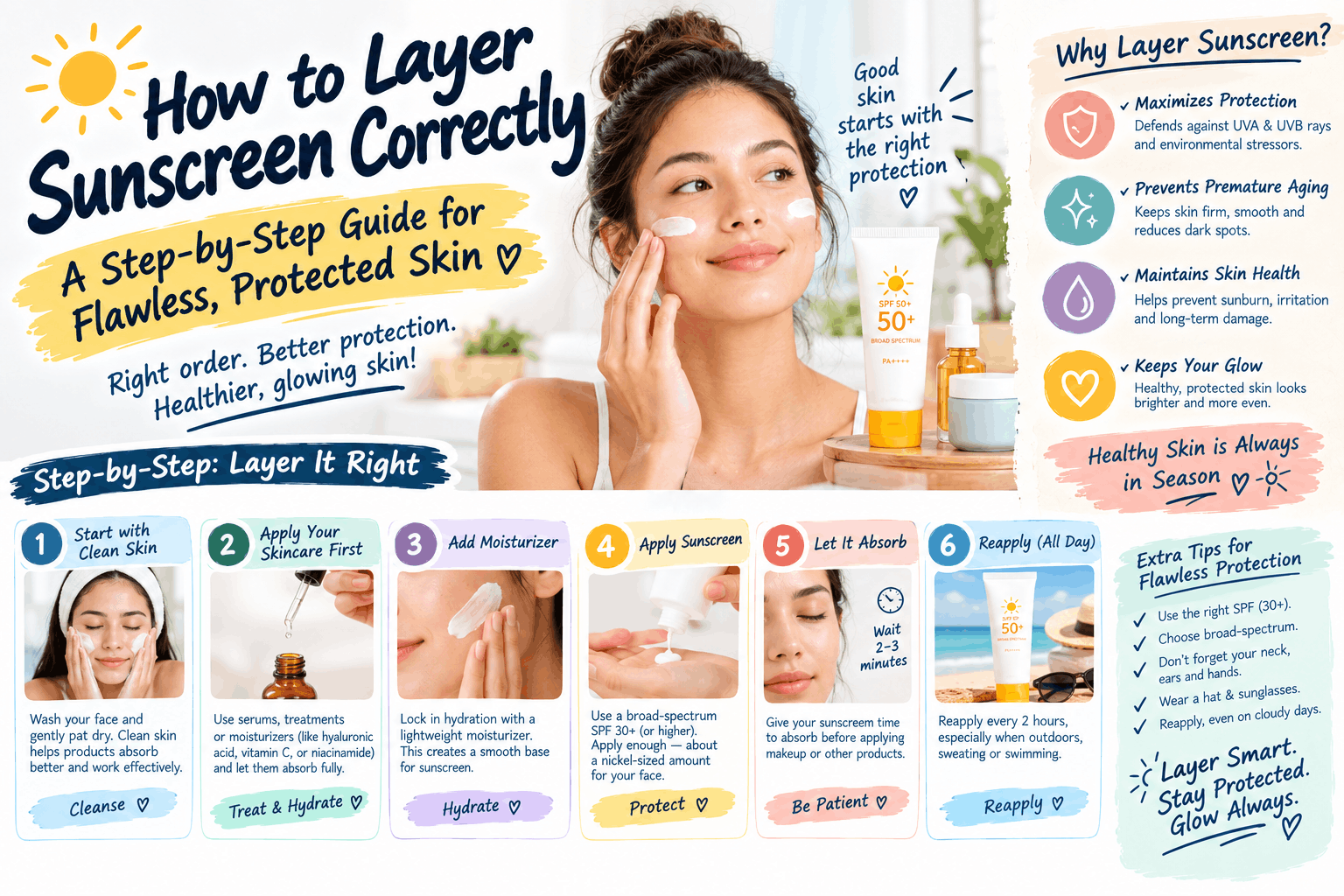
5. Moisturize with a barrier‑supporting cream; consider a sunscreen of at least SPF 30 (ideal SPF for oily skin) to prevent re‑pigmentation.
Protocol for Early Aging & Texture
1. Cleanse.
2. Use a multi‑peptide complex serum (e.g., Matrixyl 3000 + Argireline) to stimulate collagen.
3. Apply a hydrating B5 serum (panthenol) to improve epidermal flexibility.
4. Introduce a gentle retinoid (0.25% retinaldehyde) on alternate evenings; avoid on the same night as AHAs.
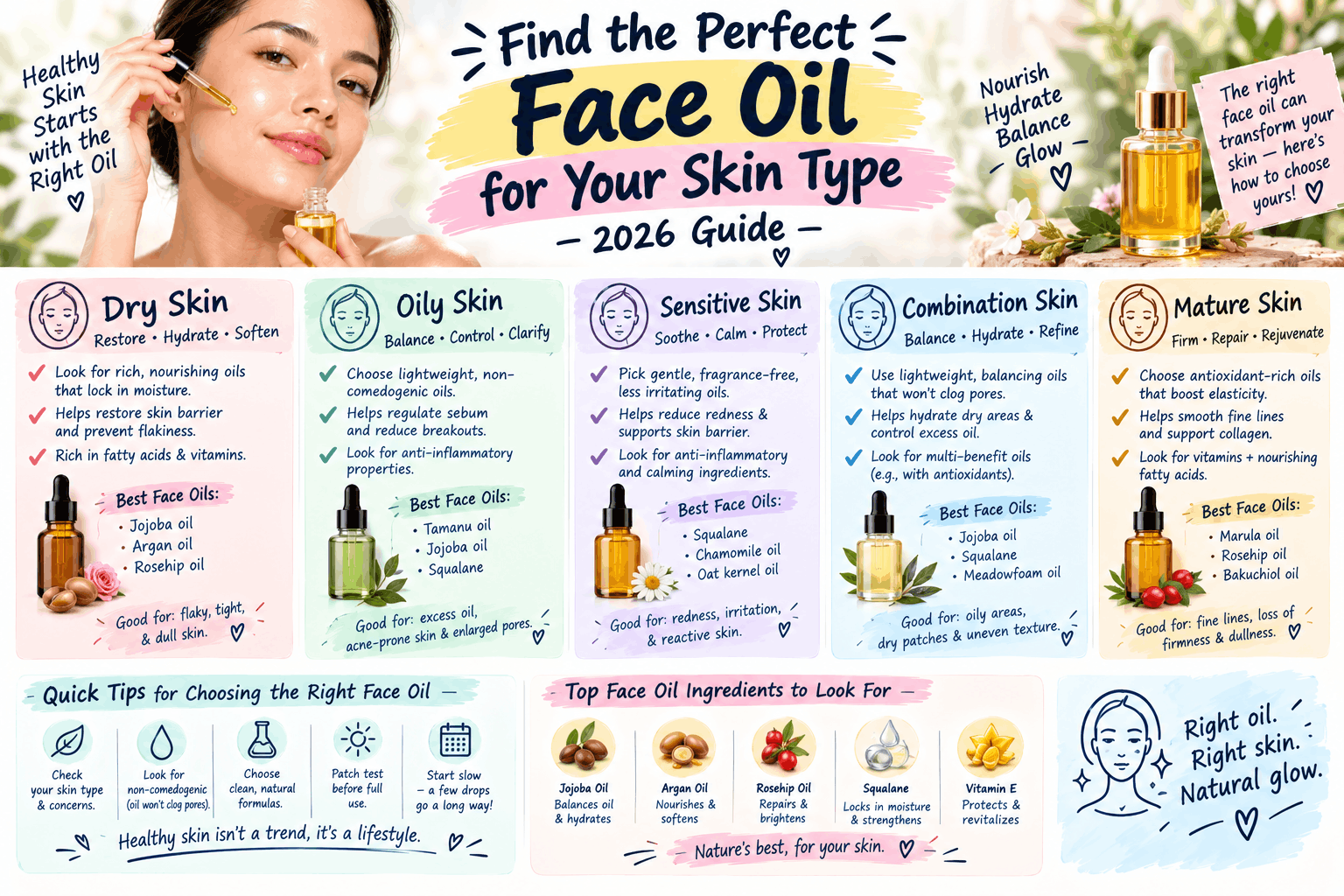
5. Finish with a lightweight oil or emulsion if skin feels tight (perfect face oil for your skin type).
How to Identify Over‑Exfoliation and Repair Your Skin Barrier
Early warning signs include stinging or burning when applying products, a shiny “over‑gloss” without the usual sebum, and persistent redness that doesn’t subside after 24‑48 hours. If you notice any of these, initiate an emergency recovery protocol:
- Strip back to basics. Use only a gentle cleanser and a hydrating serum containing hyaluronic acid or glycerin.
- Introduce barrier‑repair actives. Look for ceramide‑3, cholesterol, and fatty acids in a serum or moisturizer.
- Limit actives. Pause all exfoliants, retinoids, and high‑strength vitamin C for at least one week.
- Boost with niacinamide. Its anti‑inflammatory properties accelerate barrier restoration.
After the skin stabilizes, re‑introduce actives one at a time, spacing them by at least 48 hours to gauge tolerance.
Frequently Asked Questions
Can I use more than three serums if I have multiple concerns?
It’s tempting, but each active adds a layer of complexity. Stick to 2‑3 per routine and rotate additional actives on alternate days. This prevents cumulative irritation while still addressing each concern over the week.
Is it okay to layer a vitamin C serum with a niacinamide serum?
Modern formulations have reduced pH incompatibility, so a stabilized vitamin C (pH 3.5) can be followed by niacinamide (pH 5‑6) without major issues. Apply vitamin C first, wait 30‑60 seconds, then add niacinamide.
Do I need a separate serum for oily skin?
Oily skin often benefits from lightweight, water‑based serums that won’t clog pores. Look for oil‑free niacinamide or B5 serums, and pair them with a non‑comedogenic face oil if extra nourishment is needed (perfect face oil for your skin type).
How often should I change my serum routine?
Give your skin at least six weeks to adapt to a new combination before judging results. Seasonal changes (humidity, temperature) may warrant swapping a hydrating serum for a more protective one, but avoid frequent churn.
Conclusion
Strategic serum layering is a science as much as an art. By respecting molecular weight, pH, and ingredient compatibility, you can create a personalized routine that tackles redness, hyperpigmentation, and early aging without sacrificing barrier health. Start with the core protocols above, monitor your skin’s response, and adjust gradually—your complexion will thank you.

2 thoughts on “How to Layer Face Serums for Your Specific Skin Concern”
Comments are closed.