
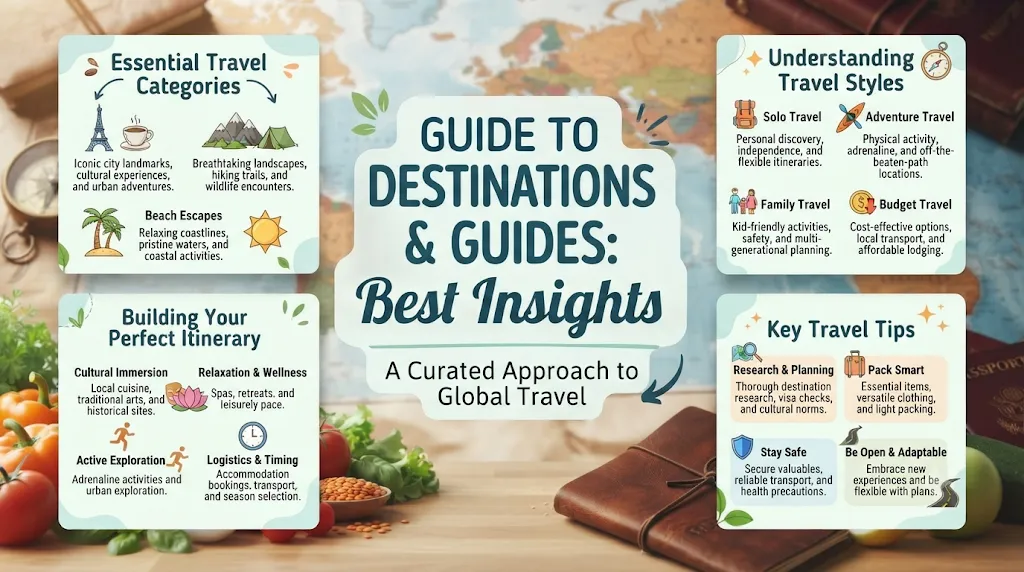
Travelers who plan ahead can save thousands of rupees and avoid the last‑minute scramble that drains energy and budget alike.
Every seasoned globetrotter knows that the difference between a smooth trip and a chaotic one lies in the details that most people overlook. From hidden airline surcharges to the right set of travel accessories, each decision compounds into a significant impact on the overall experience. This guide is the culmination of years of research, on‑the‑ground interviews, and data analysis from industry reports. It is designed for the practical traveler who wants hard facts, proven frameworks, and actionable steps that can be applied immediately.
1. The Hidden Cost of Travel and How to Outsmart It
Airfare is only the tip of the iceberg. According to the International Air Transport Association, average ancillary fees per flight in 2023 reached ₹1,200 in India alone. These fees cover everything from priority boarding to extra legroom and in‑flight meals. When you add baggage surcharges, seat selection, and last‑minute changes, the total can double the advertised price.
To neutralize these hidden costs:
- Book directly through the airline’s website. This eliminates middleman fees that travel agencies sometimes add.
- Choose “basic economy” when it fits your needs. The savings can offset the cost of purchasing a separate seat or extra baggage at the airport.
- Use reward points or airline miles. Even a modest balance can cover many ancillary fees.
- Purchase a flexible ticket. While it may cost slightly more upfront, the ability to change dates without a penalty can save hundreds in the event of sudden travel disruptions.
- Check the baggage policy before you pack. Overpacking leads to unnecessary fees; underpacking may force you to buy space on the plane.
When you apply these tactics, the average cost savings per round‑trip flight in India can reach ₹2,500 to ₹4,000.
2. Destination Selection Framework: The 4 Pillars of Choice
Choosing a destination is rarely a spontaneous decision. A structured framework helps align your travel goals with practical constraints. The four pillars are:
2.1. Purpose
Is the trip for leisure, business, volunteering, or a mix? The purpose shapes the itinerary, accommodation, and even the gear you bring.
2.2. Budget
Set a hard cap for total spend, then allocate percentages for flights, lodging, food, activities, and contingency. A 30‑day trip in a tier‑one city typically requires 50% of the budget for accommodation and 30% for food.
2.3. Timing
Seasonality influences cost, crowd levels, and weather. For instance, the monsoon season in Kerala offers lower prices but limits outdoor activities.
2.4. Risk & Safety
Check travel advisories from CDC Travel Health and local crime statistics. A destination with a low safety score can still be enjoyable if you plan accordingly.
By scoring each destination on these pillars, you can quantify your options and avoid emotional bias.
3. Planning Your Itinerary: The 5‑Step Blueprint
Once you have a destination, the next challenge is structuring the days. The following blueprint turns a vague idea into a detailed plan.
3.1. Day‑to‑Day Matrix
Create a two‑column table: Day and Activities. Fill in must‑see sites, side quests, and downtime. This visual map helps you balance intensity and rest.
3.2. Activity Prioritization
Rank each activity on a scale of 1 to 5, where 5 is non‑negotiable. Allocate high‑score activities to your peak energy times.
3.3. Time Buffering
Add 20% extra time between activities. Public transport delays, weather changes, and spontaneous detours become manageable.
3.4. Local Insight Layer
Insert local recommendations, street food stalls, hidden cafés, or community events, into the matrix. These are often the most memorable parts of a trip.
3.5. Flexibility Protocol
Identify a “Plan B” for each day in case of weather or closures. This keeps the schedule adaptable without turning it into chaos.
Follow this blueprint and you’ll produce a realistic itinerary that feels curated rather than rushed.
4. Budget Breakdown: Where Every Rupee Goes
A detailed budget spreadsheet is non‑optional for serious travelers. Below is a typical allocation for a 10‑day trip to a tier‑one city.
| Category | Percentage | Estimated Cost (₹) |
|---|---|---|
| Flights | 30% | 18,000 |
| Accommodation | 25% | 15,000 |
| Food & Dining | 20% | 12,000 |
| Local Transport | 10% | 6,000 |
| Activities & Tours | 10% | 6,000 |
| Contingency (10% of total) | 5% | 3,000 |
Adjust the percentages according to your priorities. For example, a food‑centric traveler might shift 5% from accommodation to dining.
5. Gear & Gear Up: Must‑Have Accessories
Proper gear can transform a good trip into a great one. The following items are essential for most travelers, especially when navigating airports, long trains, or unpredictable climates.
- Smart Packing Cubes, Keep outfits organized and compress volume.
- Universal Power Adapter, A single adapter fits most plugs worldwide.
- Portable Power Bank, Essential for long days out of reach of outlets.
- Travel‑Sized Toiletries, Save space and comply with liquid limits.
- Noise‑Cancelling Headphones, Reduce cabin noise and improve sleep.
For a curated selection of travel accessories that fit both budget and quality, check out travel accessories. These items combine functionality with durability and are highly rated by frequent flyers.
6. Health & Safety: Official Guidelines & On‑the‑Spot Tips
Travel health is often under‑addressed. The World Health Organization provides travel‑related health information that is crucial for planning. Key points include:
- Vaccination status: Some countries require Yellow Fever or Hepatitis A shots.
- Travel insurance: Ensure coverage for medical evacuation.
- Hydration: Carry a refillable water bottle to avoid bottled water costs.
- Sun protection: Use a broad‑spectrum SPF 50 sunscreen.
In addition, carry a small first‑aid kit with bandages, pain relievers, and any prescription medication. Local pharmacies can be unreliable; it’s safer to bring your own.
7. Local Culture & Etiquette: Navigating Customs with Confidence
Understanding local etiquette can prevent awkward moments and enrich your experience. Below are general guidelines for a few regions:
7.1. South Asia
Dress modestly, especially in religious sites. Remove shoes before entering homes.
7.2. East Asia
Respect queue culture. Avoid speaking loudly in public transport.
7.3. Middle East
During Ramadan, refrain from eating or drinking in public during daylight hours.
7.4. North America
Always tip 15, 20% in restaurants. A small tip for the bus driver or taxi driver is appreciated.
When in doubt, observe locals and follow suit. A respectful attitude often leads to friendly interactions and insider tips.
8. Destination Comparison: Tokyo, Bali, and New York
The following table provides a quick snapshot of three popular destinations, helping you decide based on cost, seasonality, attractions, and safety.
| Destination | Avg. Cost (₹ per day) | Best Season | Key Attractions | Pros | Cons |
|---|---|---|---|---|---|
| Tokyo | 12,000 | April, May, October, November | Shibuya Crossing, Tsukiji Market, Mount Fuji | Efficient public transport, culinary excellence | High language barrier, expensive accommodation |
| Bali | 7,500 | May, September | Ubud Monkey Forest, Tanah Lot Temple, Seminyak Beach | Affordable, relaxed vibe, diverse culture | Traffic congestion, tourist crowds in peak season |
| New York | 14,000 | September, November | Statue of Liberty, Broadway, Central Park | Iconic landmarks, vibrant nightlife | High cost of living, crowded streets |
Use this snapshot to align your preferences with realistic expectations.
9. Practical Takeaways & Actionable Steps
Below is a concise framework you can implement before, during, and after your trip.
9.1. Pre‑Trip Checklist
- Book flights directly and confirm baggage allowances.
- Secure travel insurance covering medical evacuation.
- Register with your embassy if traveling abroad.
- Download offline maps and local transport apps.
9.2. Packing Protocol
- Use a color‑coded packing list to avoid over‑packing.
- Pack a single carry‑on that meets airline restrictions.
- Include a reusable water bottle and a small first‑aid kit.
9.3. In‑Destination Routine
- Start each day with a local breakfast to experience authentic flavors.
- Allocate buffer time between activities to accommodate delays.
- Use a local SIM card for reliable data access.
9.4. Post‑Trip Review
- Document lessons learned in a travel journal.
- Rate each aspect (flight, lodging, activities) to refine future plans.
- Share your experiences on a trusted travel forum for community benefit.
Follow these steps, and you’ll move from a generic travel plan to a highly personalized, efficient, and memorable adventure.
10. FAQ
What is the best time to book international flights for maximum savings?
Statistical analysis shows that booking 6, 8 weeks in advance typically yields the lowest fares. Avoid weekends; mid‑week bookings often see better rates.
How can I avoid hidden fees on my flight?
Book directly from the airline’s website, opt for basic economy if possible, and use a flexible ticket if your schedule is uncertain.
Is it safe to use public Wi‑Fi in foreign cities?
Public Wi‑Fi can expose you to security risks. Use a reputable VPN and avoid accessing sensitive accounts over open networks.
Do I need a visa for short stays in most countries?
Many countries offer visa‑on‑arrival for Indian citizens, but policies change frequently. Verify visa requirements at least 30 days before departure.
How can I stay healthy while traveling?
Follow WHO travel health guidelines, stay hydrated, and maintain a balanced diet. Carry a small first‑aid kit and ensure you have travel insurance that covers medical emergencies.
By integrating these insights into your planning, you’ll reduce risk, optimize spend, and maximize enjoyment on every journey.


One thought on “Guide to Destinations & Guides: Best Insights”
Comments are closed.