
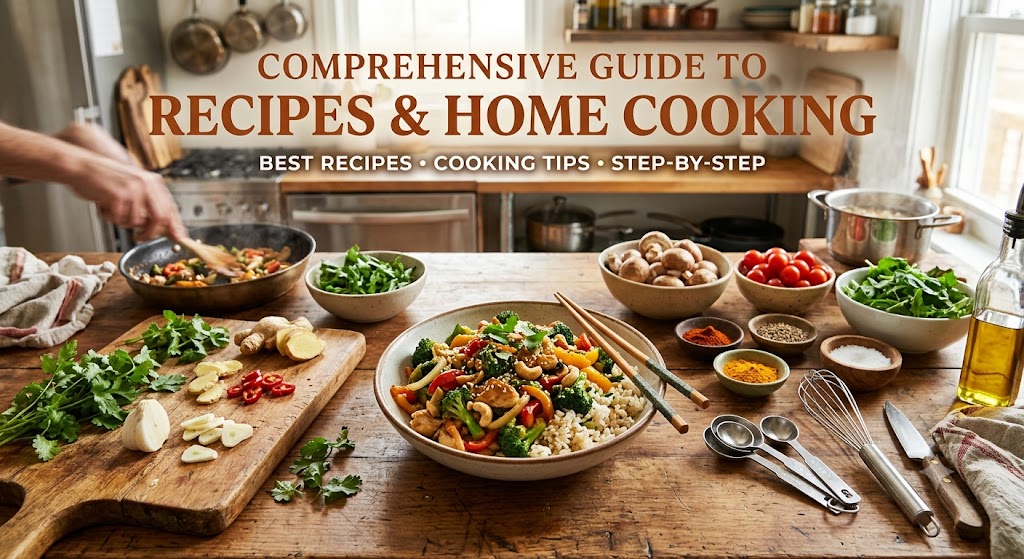
Introduction
Home cooking is more than a routine; it is a creative, sensory, and healthful practice that transforms raw ingredients into nourishing meals, fosters family bonding, and nurtures a sense of self‑sufficiency. In a world saturated with fast‑food chains, delivery apps, and pre‑packaged meals, mastering the art of cooking at home offers a powerful antidote to processed diets, excess sodium, and culinary boredom.
This guide is an exhaustive, step‑by‑step roadmap that takes you from the very basics—mindset, tools, and pantry building—to advanced techniques such as flavor layering, global cuisine replication, and the integration of smart kitchen technology. Whether you are a novice who has only boiled water in your life, or an experienced cook looking to refine your repertoire, this comprehensive manual will equip you with actionable frameworks, real‑world examples, and insider tips to elevate your home‑cooking game.
We’ll also explore how to make your kitchen a sanctuary of aesthetics and efficiency, how to plan balanced meals that fit into a busy schedule, and how to stay ahead of future trends in sustainable, plant‑based, and smart‑kitchen cooking.
The Foundations of Home Cooking: Mindset, Tools, and Pantry Essentials
Mindset: From Amateur to Master Chef
Cooking confidence begins with the right mindset. Embrace curiosity, treat mistakes as learning opportunities, and commit to a growth‑based approach. Start by setting clear, achievable goals: “I will cook a new recipe each week,” or “I will master the technique of sautéing onions.” Keep a cooking journal to track experiments, successes, and lessons learned. Over time, this habit of reflection turns intuition into skill.
Remember that great chefs are not born; they are built through deliberate practice. The difference between a home cook and a professional is not talent alone but consistency, patience, and a willingness to experiment. Adopt a “cook like you eat” philosophy—use what you have, adjust flavors to taste, and never be afraid to improvise.
Essential Tools and Gadgets for Every Kitchen
A well‑equipped kitchen reduces friction, enhances safety, and expands your creative possibilities. Below is a curated list of must‑have tools, followed by optional gadgets that can streamline your workflow.
- Chef’s Knife (8–10”) – The backbone of any kitchen. A high‑quality blade, like a German‑made Wüsthof or a Japanese Gyuto, will stay sharp longer and make cutting a pleasure.
- Paring Knife (3–4”) – For peeling, trimming, and precision work.
- Cutting Board (wood or bamboo) – Durable, knife‑friendly, and easy to clean.
- Heavy‑bottomed Skillet (cast iron or stainless steel) – Ideal for searing, sautéing, and caramelizing.
- Saucepan (1–3 L) – For soups, stocks, and sauces.
- Stockpot (5–10 L) – Essential for broths, stews, and large batch cooking.
- Mixing Bowls (various sizes) – For prep, marinating, and tossing salads.
- Measuring Cups & Spoons – Accurate measurements are the foundation of consistent results.
- Digital Kitchen Scale – Precision in weight is especially vital for baking and nutrition tracking.
- Thermometer (instant‑read) – Ensures meats are cooked to safe temperatures without overcooking.
- Blender / Food Processor – For smoothies, purees, and doughs.
- Mandoline Slicer – Creates uniform slices for salads and gratins.
- Slow Cooker / Instant Pot – Ideal for hands‑off cooking and tenderizing tough cuts.
For those who want to elevate their kitchen with smart technology, consider exploring the latest kitchen appliances. From smart ovens that adjust temperature automatically to Wi‑Fi‑enabled coffee makers that sync with your phone, these gadgets can save time and reduce waste.
Pantry Building Blocks: Stocking Smart and Sustainable
A well‑stocked pantry is your secret weapon. Focus on staples that provide versatility, long shelf life, and nutritional density. Below is a categorized list of pantry essentials:
- Grains & Legumes – Rice, quinoa, barley, lentils, chickpeas, black beans, and split peas.
- Flours – All‑purpose, whole wheat, chickpea, almond, and oat flours for baking and thickening.
- Oils & Vinegars – Extra‑virgin olive oil, avocado oil, sesame oil, apple cider vinegar, Balsamic, and rice vinegar.
- Spices & Herbs – Salt, pepper, cumin, coriander, turmeric, smoked paprika, dried basil, oregano, thyme, bay leaves, and fresh herbs like cilantro and parsley.
- Broths & Stocks – Low‑sodium chicken, beef, and vegetable stock for flavor base.
- Condiments – Soy sauce, Worcestershire sauce, hot sauce, miso paste, tahini, and peanut butter.
- Canned & Jarred Goods – Diced tomatoes, coconut milk, olives, capers, and pickled vegetables.
- Snacks & Sweeteners – Nuts, seeds, dried fruit, dark chocolate, honey, maple syrup, and stevia.
When choosing items, aim for minimal packaging, organic options, and local produce. For a healthier snacking routine that complements your cooking, check out healthy food snacks that are low in additives and high in protein or fiber.
Mastering the Basics: Techniques, Flavor Building, and Time Management
Knife Skills and Cutting Techniques
A sharp knife and proper technique are the foundation of efficient cooking. Here’s a concise guide:
- Crush, Slice, Dice, and Minc – Learn the difference and practice each technique with fresh vegetables. Use a rocking motion to keep the blade stable.
- Paring and Trimming – Remove stems, cores, and skins quickly by holding the knife in a “claw” grip with your non‑cutting hand.
- Practice with a cutting board that fits your hand comfortably to reduce wrist strain.
Remember to keep your knife’s blade at a 20° angle for maximum sharpness and safety. A dull knife is more dangerous than a sharp one because it requires more force, increasing the risk of slips.
Sauces, Stocks, and Flavor Bases
Mastering sauces and stocks unlocks an entire world of flavor. Start with these foundational recipes:
- Basic Broth – Simmer bone or vegetable scraps with aromatics for 4–6 hours. Strain and store in the fridge or freezer.
- White Sauce (Béchamel) – Melt butter, whisk in flour, gradually add milk, and simmer until thick. Season with nutmeg.
- Tomato Sauce – Sauté onions and garlic, add canned tomatoes, simmer, and finish with basil and oregano.
- Pan Sauce – After searing meat, deglaze the pan with wine or stock, reduce, and finish with butter.
Use these bases as a starting point for countless dishes: risotto, pasta, soups, and even desserts. The key is to taste continuously and adjust seasoning—salt, acidity, and fat—until the flavor profile feels balanced.
Time‑Saving Hacks for Busy Lives
Even the most seasoned cooks can benefit from efficient workflow. Try these hacks:
- Prep ingredients in bulk: Dice onions, slice peppers, and portion herbs on a cutting board before you start cooking.
- Use a timer: Set a timer for each step to avoid multitasking errors.
- Batch cooking: Cook large portions of rice, beans, or roasted vegetables that can be reused throughout the week.
- One‑pan meals: Reduce cleanup by cooking proteins, veggies, and starches together.
- Smart appliances: A pressure cooker can reduce cooking time by 70% for stews and beans.
By integrating these practices, you’ll free up mental bandwidth to focus on flavor and presentation.
Meal Planning and Batch Cooking for a Balanced Lifestyle
Creating a Weekly Meal Plan That Works
Meal planning reduces decision fatigue and ensures balanced nutrition. Here’s a simple framework:
- Identify protein sources for each day: chicken, fish, tofu, beans.
- Select a grain or starch: quinoa, brown rice, sweet potato.
- Choose two vegetables per meal: leafy greens, cruciferous, or root.
- Incorporate healthy fats: avocado, olive oil, nuts.
- Schedule a “free day” for spontaneous cravings.
Use a spreadsheet or a meal‑planning app to track calories, macros, and grocery lists. This systematic approach ensures you’re not missing essential nutrients.
Batch Cooking Strategies and Storage
Batch cooking is a game changer for time‑constrained households. Here’s how to do it safely:
- Cook in portions that match your freezer’s capacity. Label with the date and contents.
- Use airtight containers: glass jars, silicone bags, or BPA‑free plastic containers.
- Cool food to room temperature before refrigerating or freezing to avoid condensation.
- Label each item with “Reheat” instructions to preserve texture.
Examples of batch‑cookable dishes include chili, lasagna, curry, and roasted vegetable medleys. Store them separately and reheat in the microwave or on the stovetop. For a quick lunch, pair a protein bowl with a fresh salad.
Nutrition and Portion Control
Balancing macros—protein, carbs, fats—ensures sustained energy and satiety. Use the Plate Method as a visual guide: 50% vegetables, 25% protein, 25% carbs. Pair this with a smart scale to weigh portions accurately. If you’re tracking macros, consider a nutrition app that syncs with your grocery list for real‑time adjustments.
Exploring Global Cuisines at Home: From Street Food to Gourmet
Italian Classics: Pasta, Risotto, and More
Italian cooking is about quality ingredients, simple techniques, and patience.
- Pasta – Cook al dente, reserve pasta water, and finish with olive oil and Parmesan.
- Risotto – Sauté onions, add Arborio rice, deglaze with white wine, then gradually add hot stock while stirring constantly.
- Gnocchi – Use a potato ricer, add flour and egg, roll into logs, and cut into pieces.
Serve with a crisp salad and a glass of Chianti for a complete experience.
Asian Delights: Stir‑Fries, Curries, and Noodles
Asian cuisine thrives on bold flavors, quick cooking, and balance of textures.
- Stir‑Fries – Use high heat, a splash of sesame oil, and a quick sauce of soy, ginger, garlic, and a touch of honey.
- Curries – Start with a spice paste, brown onions, add coconut milk, and simmer with protein.
- Noodles – Boil quickly, rinse to stop cooking, toss with sauce and fresh herbs.
Pair with jasmine rice and a side of pickled vegetables for authenticity.
American Comfort: BBQ, Burgers, and Southern Dishes
American comfort food is all about hearty flavors and regional variations.
- BBQ Ribs – Rub with a dry spice mix, slow‑cook low and slow, finish on a grill with sauce.
- Burgers – Use ground beef or a plant‑based patty, season simply with salt, pepper, and garlic powder.
- Mac & Cheese – Combine cheddar, Gruyère, and a roux for a silky sauce.
Serve with coleslaw, baked beans, and cornbread for a full Southern spread.
Healthy and Low‑Carb Options
Balancing indulgence with nutrition is key. Try these low‑carb ideas:
- Cauliflower rice stir‑fry – Replace rice with riced cauliflower.
- Zucchini noodles with pesto – A low‑calorie pasta alternative.
- Grilled salmon with avocado salsa – Omega‑3 rich and satisfying.
- Eggplant lasagna – Layer sliced eggplant, ricotta, and marinara.
These dishes provide robust flavor while keeping carbs in check.
Beyond Food: Enhancing the Home Cooking Experience
Kitchen Décor and Atmosphere
Aesthetics influence mood and productivity. Consider these design elements:
- Open shelving for visible spice jars and cookware.
- Bold backsplash tiles that reflect your personality.
- Ambient lighting: pendant lights over the island and LED strip lights behind cabinets.
- Plants: herbs like basil or mint on the windowsill add freshness.
For a cohesive look, browse home decor essentials that complement your kitchen’s color palette and functional needs.
Music, Lighting, and Mood
Sound and light create a sensory backdrop. A curated playlist of instrumental jazz or world music can keep you motivated. Soft, adjustable lighting reduces eye strain during long prep sessions. Consider a smart dimmer that syncs with your phone to change hues based on the time of day.
Cooking as a Social Activity
Invite family or friends to share the process. Assign tasks—one person chops, another measures, another stirs—to build teamwork. Pair cooking with storytelling or trivia to make the experience memorable. After the meal, enjoy a shared dessert or a glass of wine to celebrate the collective effort.
The Future of Home Cooking: Smart Tech, Sustainability, and Trends
Smart Appliances and IoT
Technology is reshaping how we cook. Smart ovens can detect doneness, Wi‑Fi‑enabled fridges can track expiration dates, and voice‑controlled assistants can read recipes aloud. When investing, look for appliances that integrate with your existing smart home ecosystem.
Explore the latest kitchen appliances that offer programmable settings, energy monitoring, and remote control. These features not only save time but also reduce energy consumption.
Sustainable Cooking Practices
Adopt the following habits to minimize waste and environmental impact:
- Use every part of the ingredient: stems, skins, and bones for stock.
- Store produce in breathable containers to prolong freshness.
- Compost vegetable scraps and use them to enrich your garden.
- Opt for local, seasonal produce to reduce transportation emissions.
By aligning your cooking habits with sustainability, you contribute to a healthier planet.
Plant‑Based and Alternative Proteins
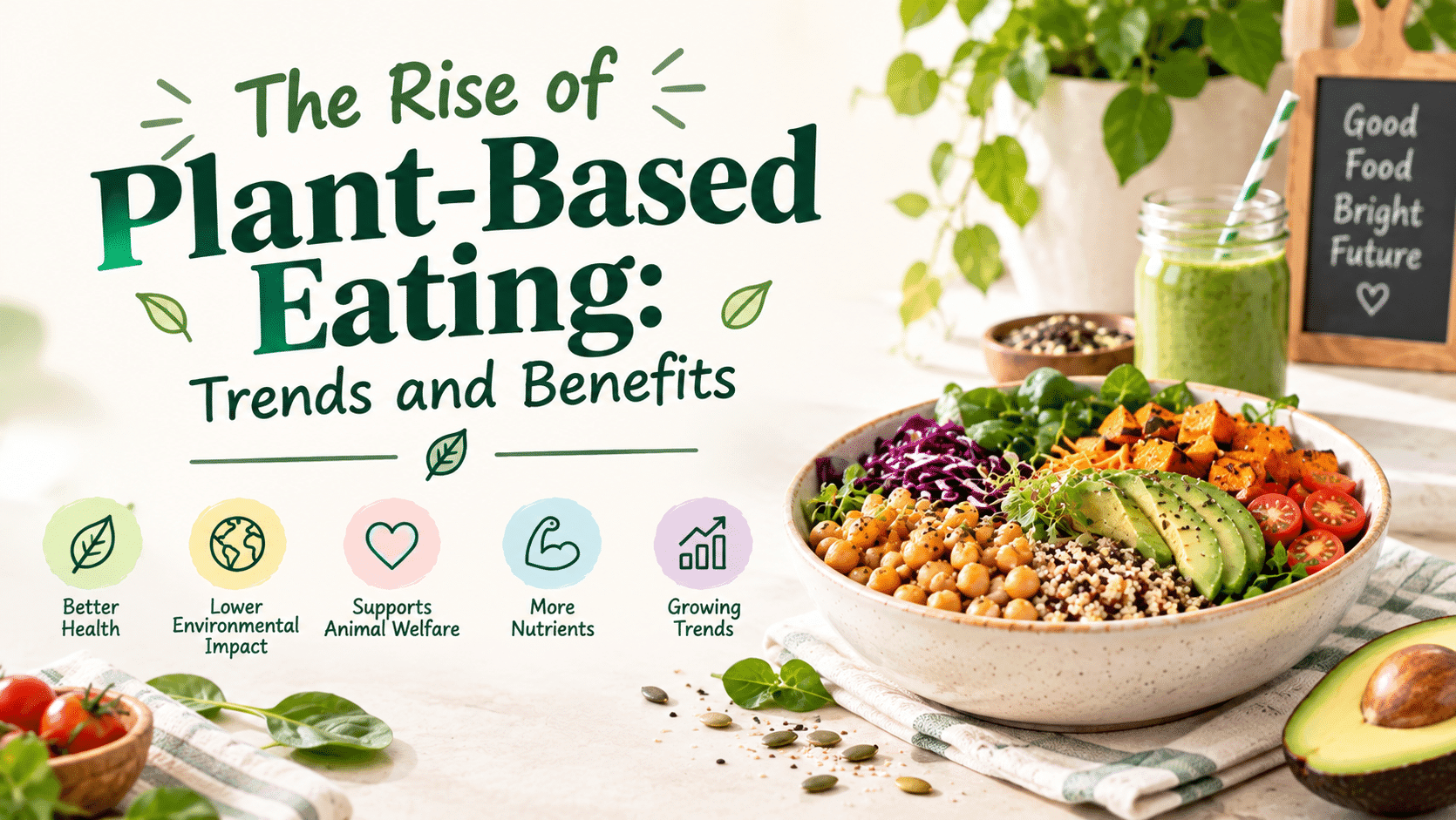
Plant‑based diets are gaining popularity for health and environmental reasons. Incorporate these protein sources:
- Legumes: lentils, chickpeas, black beans.
- Tofu and tempeh: marinate with soy sauce, ginger, and garlic.
- Seitan: a wheat‑based protein with a chewy texture.
- Mycoprotein: derived from fungi, used in meat substitutes.
Pair these proteins with nutrient‑dense grains and vegetables for a balanced meal. For a quick, savory dish, sauté tofu with broccoli, bell pepper, and a splash of teriyaki sauce.
Conclusion
Mastering home cooking is a journey that blends technique, creativity, and lifestyle integration. By building a robust pantry, mastering fundamental skills, planning strategically, and embracing technology, you can transform your kitchen into a hub of health, flavor, and community. The next time you pick up a knife, remember that each slice, stir, and season is a step toward culinary confidence and well‑being.
Frequently Asked Questions
1. How much time should I spend planning my meals each week?
Allocate 30–45 minutes on a weekend day to outline your menu, create a grocery list, and prep any ingredients that can be stored. Consistency is more important than the duration.
2. Can I cook healthy meals on a tight budget?
Yes. Focus on staples like rice, beans, eggs, and seasonal produce. Buy in bulk, use frozen vegetables, and replace expensive meats with legumes or eggs.
3. What’s the best way to store cooked leftovers?
Cool food to room temperature, then refrigerate in airtight containers. Label with the date. Most cooked dishes keep well for 3–4 days in the fridge and 2–3 months in the freezer.
4. How can I keep my kitchen organized without feeling cluttered?
Use drawer dividers, magnetic spice racks, and clear containers. Regularly declutter items you no longer use and consider a minimalist approach to cookware.
5. Are smart kitchen appliances worth the investment?
For frequent cooks, smart appliances can save time, reduce waste, and improve consistency. Evaluate the features that align with your cooking style and budget before purchasing.


One thought on “Comprehensive Guide to Recipes & Home Cooking: Best”
Comments are closed.