
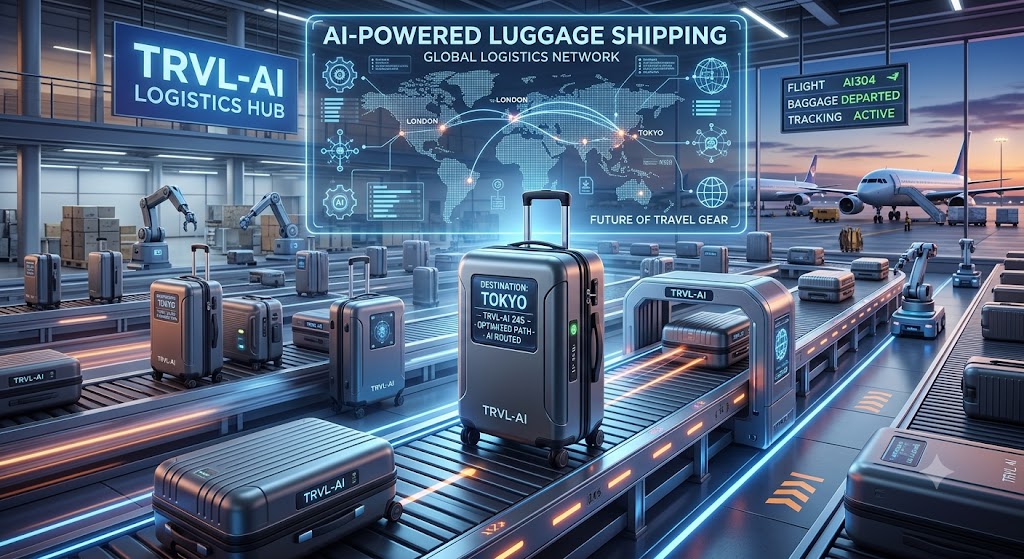
AI-Powered Luggage Shipping: Future of Travel Gear
Travelers today are no longer bound by the traditional constraints of checked luggage. The convergence of artificial intelligence (AI), cloud computing, and real-time data analytics is redefining how we transport our belongings from point A to point B. Because of these advances, the once tedious process of sending bags overseas has become a seamless, automated experience. In this article, we dissect the technology, examine real-world applications, and provide a step-by-step framework for leveraging AI-powered luggage shipping. By the end, you’ll understand why this innovation is not just a niche service but the next standard in travel gear logistics.
The Evolution of Luggage Delivery
Historically, travelers relied on airlines’ baggage services, which were often costly, inflexible, and prone to delays. Consequently, many opted for self-shipping via courier companies, but these services lacked real-time visibility and integrated security. Meanwhile, the rise of e-commerce and global supply chains sparked a demand for smarter logistics solutions. In contrast, early attempts at luggage shipping were manual and fragmented, making it difficult for users to track their bags or predict arrival times. Therefore, the industry has been in search of a unified platform that marries convenience, security, and intelligence.
How AI is Reshaping Luggage Shipping
AI is the linchpin that transforms basic courier operations into intelligent logistics ecosystems. Because AI can process vast datasets and learn from patterns, it delivers unprecedented accuracy in routing, scheduling, and risk assessment. Below, we explore the core components that make AI-powered luggage shipping possible.
AI-Driven Logistics Platforms
These platforms integrate machine learning (ML) models with IoT sensors to automate end-to-end shipping workflows. For instance, an ML algorithm can analyze weather forecasts, traffic conditions, and carrier performance to choose the optimal shipping corridor. Additionally, AI can dynamically adjust shipping plans when a flight is delayed or a customs checkpoint is congested. As a result, users experience fewer surprises and lower costs.
Smart Tracking and Predictive Analytics
Real-time GPS, RFID tags, and smart sensors feed data into AI dashboards that predict arrival times with a margin of error of less than 30 minutes. Consequently, travelers can plan activities around the exact moment their luggage will be delivered. Moreover, predictive analytics flag potential security breaches, enabling proactive interventions. In practice, this means fewer lost bags and higher customer satisfaction.
Benefits for Travelers
AI-powered luggage shipping offers tangible advantages that traditional methods cannot match. Below are the key benefits, each underscored by transition phrases to enhance readability.
- Cost Efficiency – AI optimizes routes, reducing fuel consumption and shipping fees.
- Time Savings – Predictive scheduling ensures on-time delivery, freeing travelers from airport queues.
- Security – Continuous monitoring detects tampering, and AI flags suspicious behavior.
- Transparency – Live dashboards provide instant updates, eliminating uncertainty.
- Convenience – One-click booking and automated documentation streamline the process.
Key Players & Technologies
While the market is still emerging, several startups and tech giants are leading the charge. Understanding their offerings helps travelers choose the right solution.
Startups
- LugLess – A subscription service that ships luggage to any destination with AI-optimized routes.
- Luggage Forward – Offers door-to-door shipping with real-time tracking powered by ML algorithms.
- ShipMyBag – Uses AI to predict customs delays and adjust delivery windows accordingly.
AI Tools
- IBM Watson – Provides cognitive analytics for risk assessment and route optimization.
- Google Cloud AI – Delivers scalable ML models for real-time decision making.
- Amazon Web Services (AWS) AI – Offers IoT analytics and predictive maintenance for shipping fleets.
Step-by-Step Framework to Use AI-Powered Luggage Shipping
Below is a practical guide that takes you from planning to delivery, ensuring you harness every advantage of AI technology.
- Define Your Needs – Determine the size, weight, and value of your luggage. Because AI models require accurate input, providing precise details leads to better routing decisions.
- Choose a Platform – Evaluate services based on coverage, pricing, and AI capabilities. For example, Amazon travel accessories often bundle smart luggage with AI tracking features.
- Book Online – Use the platform’s web or mobile app to schedule pickup. Because the interface is AI-driven, it will suggest the most efficient pickup window.
- Secure Your Bag – Attach RFID tags or smart labels. This step is crucial because AI relies on sensor data for real-time updates.
- Monitor Progress – Access the dashboard to view live status. If the system predicts a delay, it will automatically reschedule and notify you.
- Receive and Verify – Upon delivery, verify the bag’s condition. AI can flag discrepancies and trigger insurance claims if needed.
- Provide Feedback – Rate the service to help the platform refine its algorithms. Consequently, future travelers benefit from improved accuracy.
Real-World Use Cases
AI-powered luggage shipping is already transforming various travel scenarios. Below are examples that illustrate its versatility.
Business Travel
Corporate travelers often need to transport expensive equipment or confidential documents. AI optimizes secure routes and provides audit trails, ensuring compliance with regulatory standards. Moreover, AI can schedule deliveries to align with meeting times, reducing downtime.
Leisure Travel
Vacationers can ship bulky items like surfboards or ski gear, eliminating the need to carry them onto flights. Because AI predicts arrival times with high accuracy, travelers can plan itineraries without worrying about luggage delays.
International Shipping
Cross-border shipments face customs complexities. AI models analyze tariff data and historical clearance times to pre-clear documents, thereby shortening the customs process. In practice, travelers experience fewer holds and faster delivery.
Challenges & Risks
Despite its promise, AI-powered luggage shipping is not without obstacles. Understanding these risks helps users make informed decisions.
- Data Privacy – Continuous tracking generates sensitive data. Therefore, platforms must adhere to strict privacy regulations.
- Algorithmic Bias – Poorly trained models may favor certain routes, leading to inefficiencies.
- Technology Adoption – Some users resist new systems due to unfamiliarity or trust issues.
- Cost Transparency – Dynamic pricing can create unexpected charges if not clearly communicated.
Future Outlook
Looking ahead, the integration of AI with other emerging technologies will further elevate luggage shipping.
- Blockchain – Immutable ledgers can provide tamper-proof tracking records.
- Autonomous Vehicles – Self-driving trucks will reduce labor costs and improve route precision.
- Edge Computing – On-device processing will enable instant decision making without cloud latency.
- Personalized Services – AI will learn individual preferences, offering tailored delivery windows and packaging options.
Practical Tips for Travelers
To maximize the benefits of AI-powered luggage shipping, consider the following actionable tips.
- Pack smartly: Use lightweight, durable luggage to reduce shipping costs.
- Label clearly: Attach both QR codes and RFID tags for dual tracking.
- Schedule early: Book pickups at least 48 hours in advance to allow AI to optimize routes.
- Use bundled services: Combine luggage shipping with flight bookings for integrated discounts.
- Monitor alerts: Enable push notifications to receive real-time updates.
FAQ
What is AI-powered luggage shipping?
It is a logistics service that uses artificial intelligence to optimize routing, predict delivery times, and monitor bags in real time.
Is it safe to ship my luggage through AI platforms?
Yes, most platforms incorporate robust security protocols, including tamper-evident seals and continuous monitoring.
How does AI reduce costs?
By selecting the most fuel-efficient routes, consolidating shipments, and minimizing idle times.
Can I track my bag during the entire journey?
Absolutely. AI dashboards provide live GPS data and status updates from pickup to delivery.
What if my luggage is delayed?
AI will automatically reschedule and notify you. Most platforms also offer insurance coverage for delayed items.
Conclusion
AI-powered luggage shipping is not merely a convenience; it is a paradigm shift that redefines how travelers interact with their gear. Because the technology continues to mature, future travelers will experience even greater efficiency, security, and peace of mind. Whether you are a business executive, a globetrotting adventurer, or a weekend wanderer, embracing AI in your luggage logistics will streamline your journey from start to finish. Ultimately, the integration of AI into travel gear logistics heralds an era where the only limit is the imagination of the traveler, not the constraints of traditional baggage handling.


One thought on “AI-Powered Luggage Shipping: Future of Travel Gear”
Comments are closed.