
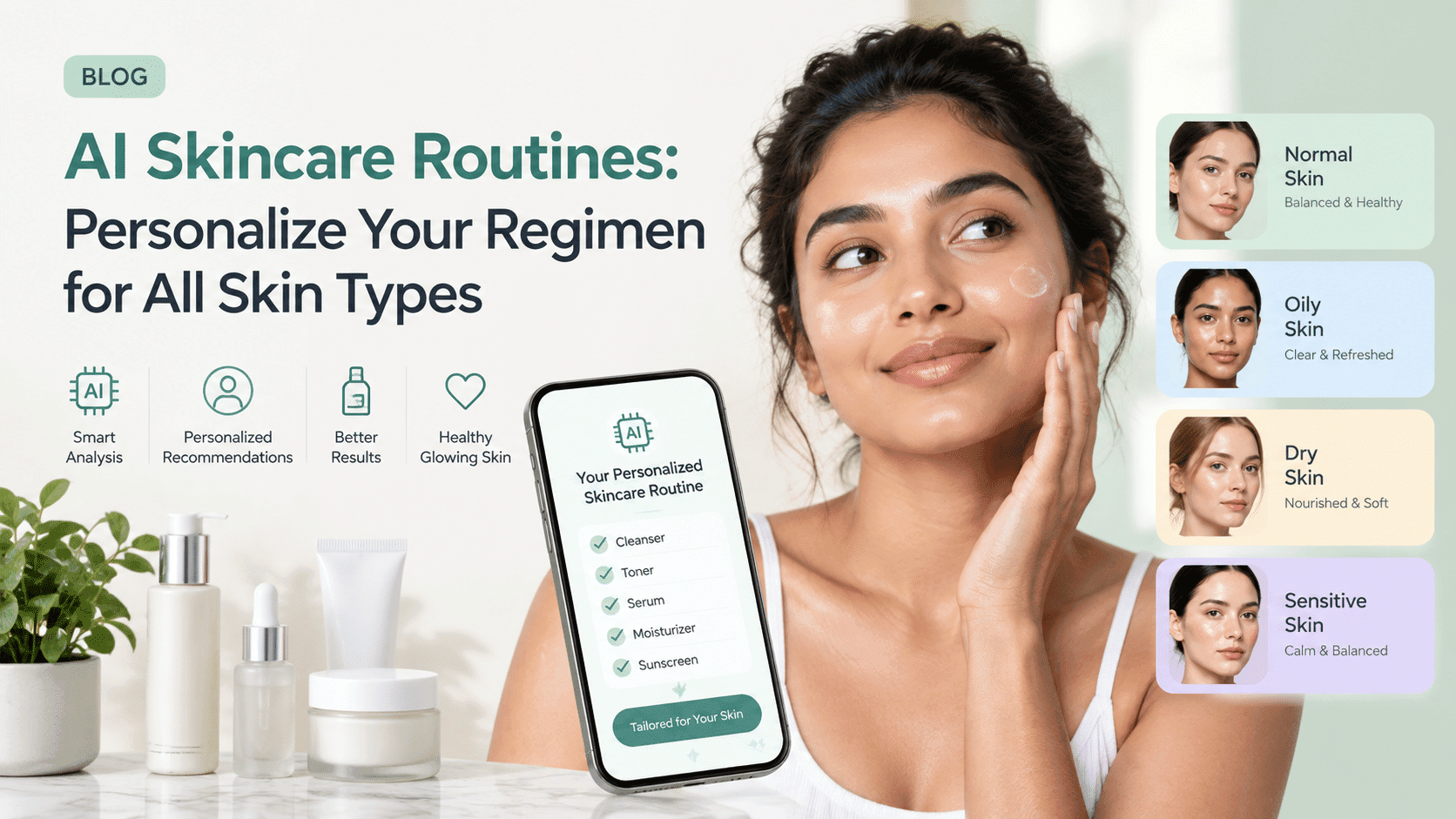
What is AI‑Driven Skincare and Why It Matters
Artificial intelligence has moved from research labs into bathroom shelves, turning vague skin concerns into data‑driven action plans. An AI skincare routine begins with a digital skin type analysis that captures texture, tone, oil levels, and even microscopic inflammation using smartphone cameras, infrared sensors, or dedicated dermatoscopes. Machine‑learning models trained on millions of annotated images detect patterns that human eyes miss, such as early barrier breakdown or sub‑clinical hyperpigmentation.
Unlike traditional trial‑and‑error methods, AI evaluates dozens of variables in seconds, cross‑referencing them with ingredient efficacy databases, seasonal climate data, and individual lifestyle inputs. The result is a personalized skincare blueprint that evolves as your skin changes, ensuring you never waste money on products that don’t address your current needs.
Benefits over legacy approaches include:
- Objective, reproducible skin type classification.
- Real‑time adjustment to hormonal shifts, stress, or travel.
- Evidence‑based product matching that reduces trial cycles by up to 70%.
Step‑by‑Step: Building Your AI‑Personalized Routine
Creating a truly custom regimen is a straightforward process when you follow a systematic workflow.
- Choose a reliable AI analysis platform. Look for transparent algorithms, peer‑reviewed validation studies, and clear data‑privacy policies.
- Upload photos and answer questionnaires. Most tools ask for a close‑up selfie under natural light, plus details about diet, sleep, and current product usage.
- Interpret the AI report. The dashboard will break down your skin type (e.g., combination‑oily), primary concerns (acne, dehydration, redness), and even recommended SPF levels based on your geographic UV index.
- Select serums, moisturizers, and treatments based on AI output. The system suggests a custom skincare plan that aligns ingredients with your unique profile, often linking directly to purchase options.
Remember, the AI report is a living document. Re‑scan every 4–6 weeks or after major lifestyle changes to keep the routine in sync with your skin’s evolving needs.
AI Recommendations for Each Major Skin Type
Oily/Acne‑prone
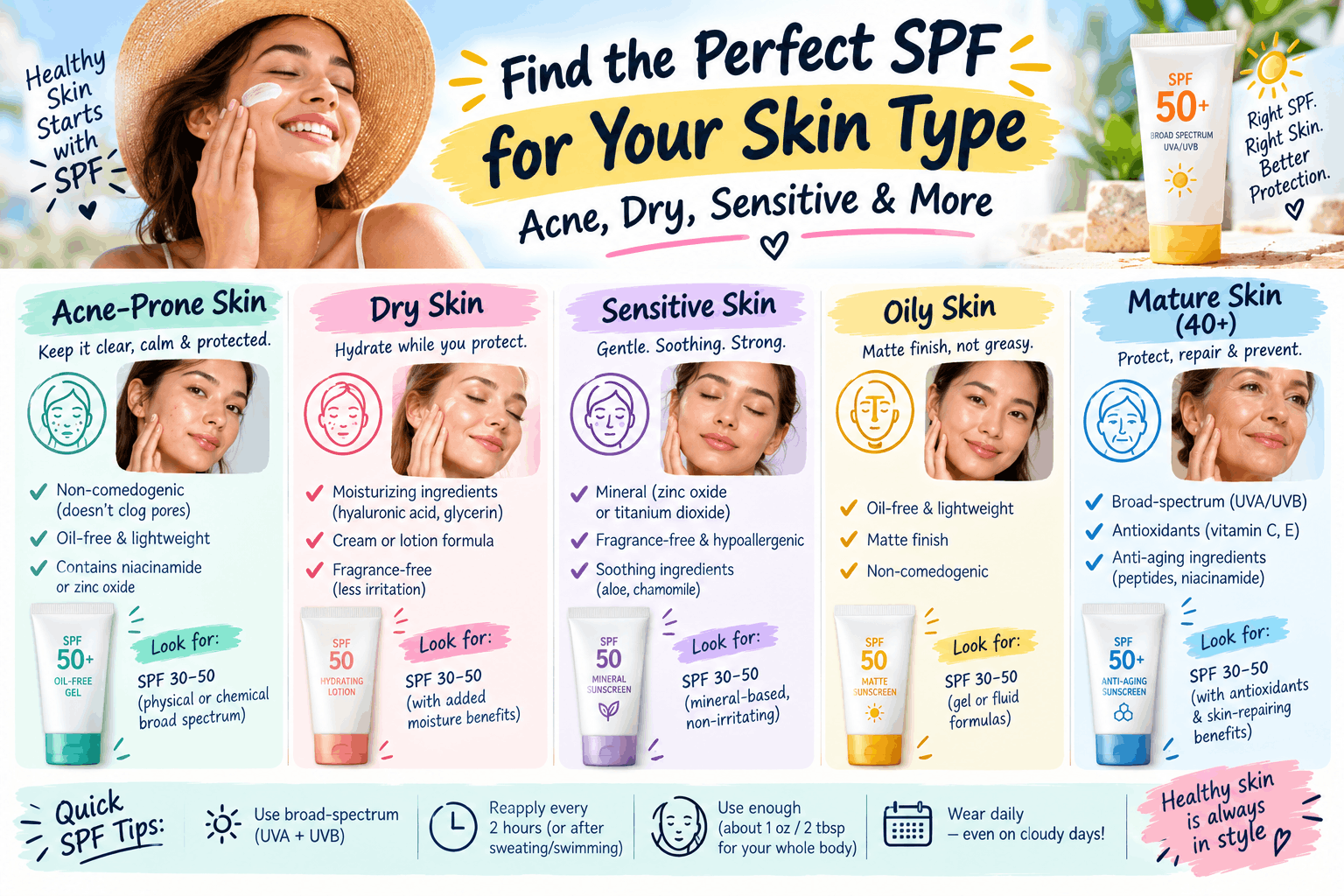
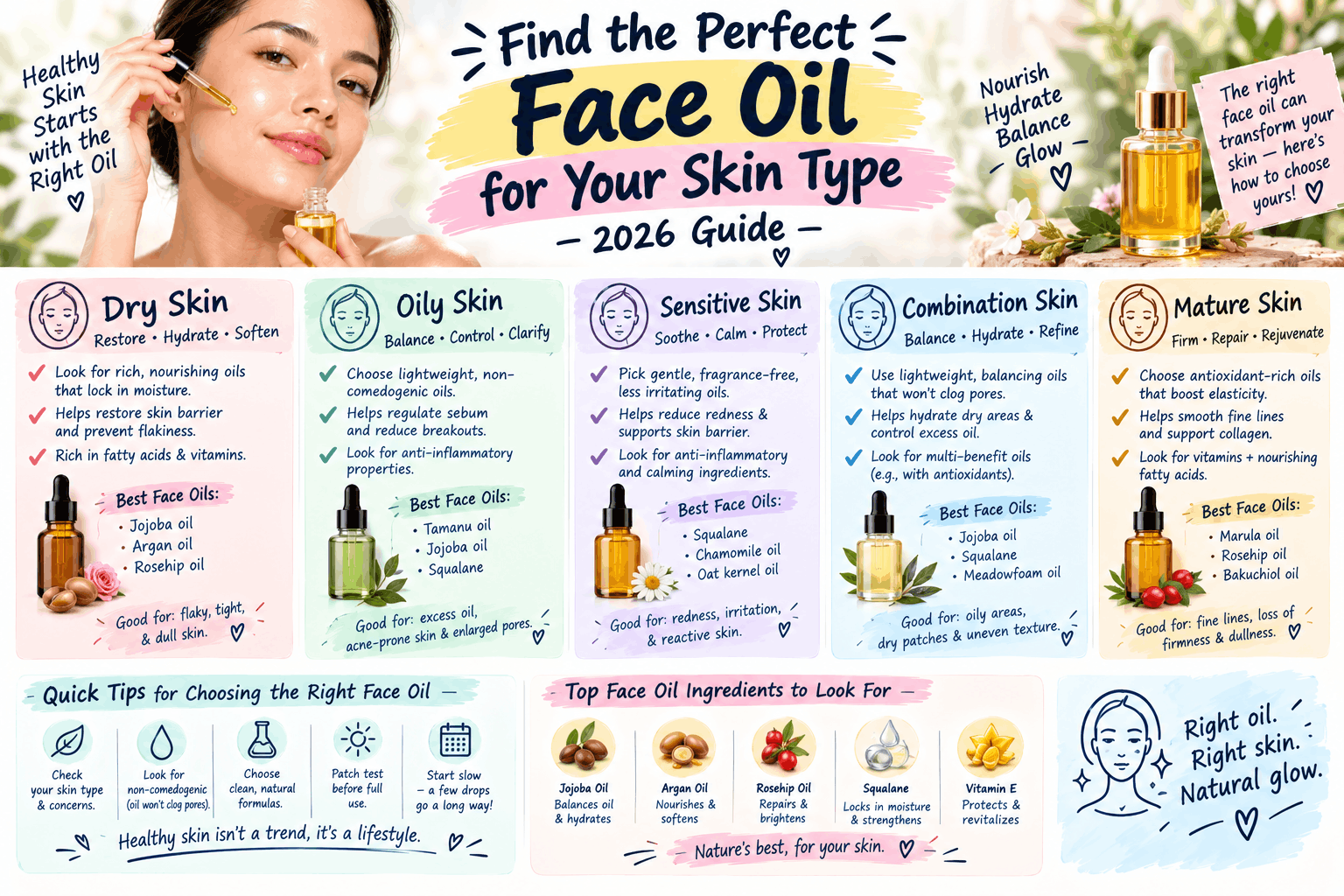
The algorithm flags excess sebum, enlarged pores, and inflammatory lesions. It then recommends lightweight, oil‑free serums rich in niacinamide, zinc PCA, and salicylic acid to regulate production without stripping the barrier. For sun protection, an AI‑chosen non‑comedogenic SPF 30‑50 mineral‑gel formula ensures matte finish while preventing post‑inflammatory hyperpigmentation.
Dry/Dehydrated
When the model detects low hydration scores and compromised lipids, it suggests barrier‑repair moisturizers containing ceramides, hyaluronic acid, and squalane. AI‑driven SPF recommendations favor hydrating formulas with added glycerin or panthenol, avoiding alcohol‑based sprays that could exacerbate dryness.
Sensitive/Redness‑prone
For skin that reacts to irritants, the system highlights soothing actives such as colloidal oatmeal, centella asiatica, and azelaic acid. Mineral sunscreens with zinc oxide are prioritized because they sit on the surface without triggering a flare. The AI also flags fragrance‑free, hypoallergenic textures.
Mature/Anti‑aging
Age‑related loss of elasticity and fine lines trigger recommendations for peptide‑rich serums, retinoid alternatives like bakuchiol, and antioxidants such as vitamin C‑E‑ferulic complexes. Broad‑spectrum SPF 50+ is non‑negotiable, with AI suggesting formulas that include DNA‑repair enzymes for added photoprotection.
Integrating Trending Treatments with AI Guidance
AI doesn’t stop at daily products; it can orchestrate professional interventions too.
- AI‑matched chemical peel schedules. Based on your skin’s resilience score, the platform proposes peel depths (AHA, BHA, or TCA) and frequency—typically every 4–6 weeks for oily skin and every 8–10 weeks for sensitive types.
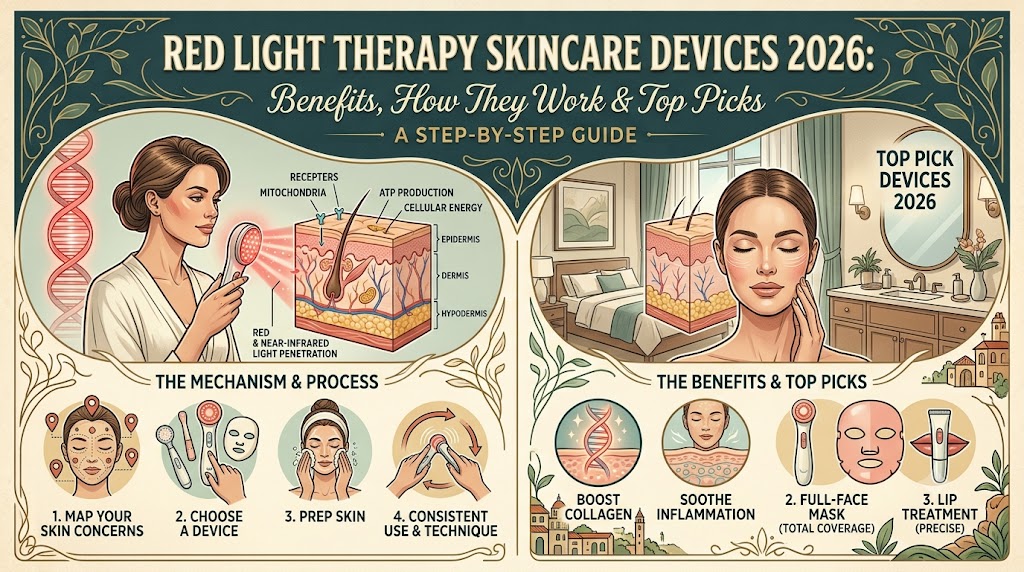
- AI‑suggested facial frequency and professional treatments. Whether you’re booking a micro‑needling session or a LED light therapy, the algorithm aligns appointment timing with your recovery window.
- Combining AI routine with laser‑free serums from recent launches. In 2026, many brands release “smart” serums that adapt texture with temperature. AI flags which of these synergize with your core regimen, preventing ingredient clashes.
Top AI Skin Analysis Tools to Try in 2026
Below are three platforms that have earned high marks from both consumers and dermatologists.
- SkinSense Pro – Offers a 3‑minute scan using dual‑lens cameras, delivers a detailed custom skincare plan, and integrates directly with major e‑commerce sites. Pricing starts at $19.99/month. Explore SkinSense Pro.
- DermaIQ – Unique for its AI‑driven longitudinal tracking; it learns from each scan to predict future concerns. Features a dermatologist‑review portal and a free basic tier.
- GlowMetrics – Partners with leading skin clinics, providing prescription‑grade recommendations alongside over‑the‑counter options. Its algorithm emphasizes pigment disorders and offers a “holiday mode” for travel.
FAQ and Common Pitfalls
How accurate are AI scans?
Current models achieve 85‑90% accuracy for broad categories (oily, dry, sensitive) but can misinterpret subtle nuances like early rosacea. Always corroborate AI findings with visual inspection and, when in doubt, a professional assessment.
When should I consult a dermatologist?
If you experience persistent cystic acne, severe eczema, or any sudden change in skin texture, schedule an in‑person visit. AI tools are complements, not replacements, for medical expertise.
How often should I update my AI routine?
Seasonal shifts, hormonal cycles, and lifestyle changes warrant a fresh scan every 4–6 weeks. Some platforms also send push notifications when your data suggests a routine tweak.
“AI gave me the confidence to finally understand why my skin reacted to certain ingredients. The personalized plan saved me months of trial and error.” – Maya L., 32, tech‑savvy skincare enthusiast
2 thoughts on “AI Skincare Routines: Personalize Your Regimen for All Skin Types”
Comments are closed.