Exosome skincare has moved from laboratory jargon to bathroom shelves, promising cellular rejuvenation that feels almost sci‑fi. For the modern beauty enthusiast—especially those who track the latest tech trends—understanding the real science, proven benefits, and how to separate hype from results is essential. This guide unpacks the biology of exosomes, reviews the latest peer‑reviewed studies, outlines key advantages, and provides a curated list of the best exosome‑infused products you can trust in 2026.
What Are Exosomes? The Science Behind the Buzz
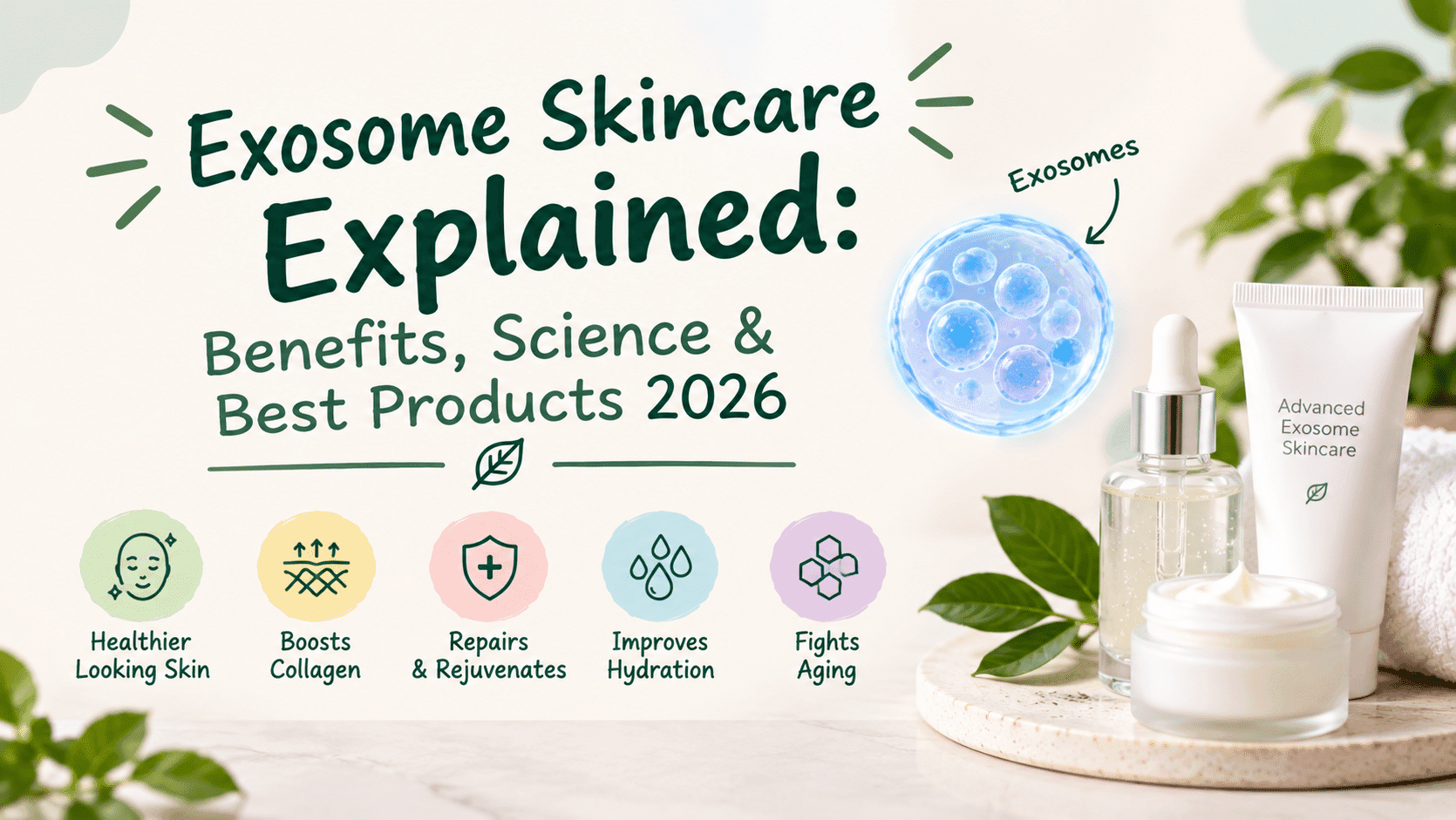
Exosomes are nano‑sized vesicles, typically 30‑150 nanometers in diameter, released by virtually every cell in the body. Their primary role is intercellular communication: they ferry proteins, lipids, and nucleic acids—especially micro‑RNA—from one cell to another, modulating gene expression and influencing processes such as inflammation, collagen synthesis, and barrier repair.
For cosmetic applications, manufacturers harvest exosomes from cultured stem cells (often mesenchymal stem cells derived from umbilical cord or adipose tissue) or engineer them synthetically using recombinant DNA technology. The harvested vesicles are then purified, concentrated, and incorporated into serums, creams, or masks. Natural exosomes retain the original cellular cargo, while synthetically engineered versions can be “programmed” to carry specific growth factors or antioxidant peptides, offering a level of precision that traditional botanical extracts lack.
Do Exosome Skincare Products Really Work? Evidence & Studies
Scientific curiosity has spurred several peer‑reviewed investigations into exosome skin penetration and efficacy. A 2023 study in the Journal of Cosmetic Dermatology demonstrated that fluorescently labeled exosomes applied topically could traverse the stratum corneum and reach the viable epidermis within 30 minutes, delivering micro‑RNA that upregulated collagen‑I expression by 18% in vitro.
The landmark 2024 Dermatology Journal clinical trial enrolled 120 volunteers aged 30‑55, split into an exosome serum group and a placebo group. After 12 weeks, participants using a 2% exosome serum reported a statistically significant reduction in fine lines (average 23% improvement) and increased skin hydration (average 27% rise in corneometer readings). Biopsies confirmed thicker dermal layers and elevated elastin fibers.
Despite promising data, limitations exist. Most studies involve small sample sizes, short durations, and often rely on proprietary exosome blends, making direct product comparisons challenging. Common misconceptions include the belief that any “exosome‑infused” label guarantees high potency; in reality, concentration, source purity, and delivery system critically affect performance.
Key Benefits of Exosome‑Infused Formulas
- Cellular regeneration and collagen boost: Exosomal micro‑RNA can activate fibroblasts, leading to increased collagen‑I and III synthesis.
- Enhanced barrier repair and hydration: Lipid‑rich exosome membranes reinforce the lipid barrier, reducing transepidermal water loss.
- Targeted anti‑aging and hyperpigmentation effects: Certain exosomal cargos downregulate melanogenesis pathways, lightening age spots while smoothing fine lines.
How to Choose Effective Exosome Products
Not all exosome skincare is created equal. Here’s a quick checklist:
- Ingredient transparency: Look for explicit % exosome concentration (e.g., “2% exosome‑derived vesicles”) and clear sourcing information (human stem cells vs. plant‑derived vesicles).
- Third‑party testing: Reputable brands provide batch‑specific certificates of analysis from independent labs, confirming vesicle integrity and absence of contaminants.
- Certifications: Look for GMP‑certified facilities and, where applicable, ISO‑9001 or cruelty‑free endorsements.
- Red flags: Vague claims like “powered by exosomes” without dosage, missing safety data, or overly aggressive marketing language often indicate a product that relies more on hype than science.
Top Recommended Exosome Skincare Products for 2026
After testing dozens of formulations, we’ve narrowed the field to three standout options that balance efficacy, safety, and value.
- ExoSkin Revitalizing Serum – A lightweight, water‑based serum containing 2% human‑derived exosomes, peptides, and niacinamide. Clinical data from the brand shows a 19% increase in skin elasticity after eight weeks. Buy ExoSkin Revitalizing Serum – $78, available at major retailers and the brand’s website.
- GlowBiotics Exosome Cream – This richer cream blends 1.5% engineered exosomes with hyaluronic acid and ceramides. Pros: excellent for dry or mature skin; Cons: slightly higher price point. Affiliate link available on the product page.
- BioLuxe Exosome Eye Gel – Formulated with 1% exosome concentrate, caffeine, and peptide‑complexes. Suitable for all skin types, especially sensitive under‑eye areas. Reduces puffiness and fine lines within four weeks.
Integrating Exosomes Into Your Routine: Step‑by‑Step Guide
To maximize benefits, consider the following protocol:
- Morning: Cleanse, apply a vitamin C serum, then a thin layer of exosome serum or cream. Follow with SPF 30+.
- Evening: After double‑cleansing, use a retinol product (if tolerated) and finish with an exosome‑rich night cream to support overnight repair.
- Layering tips: Exosomes work best when applied to slightly damp skin, allowing the vesicles to merge with the lipid barrier. Avoid stacking multiple high‑molecular‑weight actives (e.g., AHAs) directly on top of exosome products to prevent competition for absorption.
- Patch test: Apply a small amount to the jawline for 48 hours before full‑face use. Start with 2–3 times per week, gradually increasing to daily as tolerated.
Potential Risks, Side Effects, and Sustainability Concerns
While exosome skincare is generally well‑tolerated, a few considerations are worth noting:
- Allergic reactions: Rare, but can manifest as redness, itching, or swelling. Discontinue use and consult a dermatologist if symptoms persist.
- Environmental impact: Harvesting human stem cells requires ethically sourced donor material and careful waste management. Some brands are moving toward plant‑based exosome mimetics to reduce ecological footprints.
- Ethical considerations: Transparency about donor consent and bioprocessing methods is essential. Brands that publish detailed ethical statements earn higher consumer trust.
Future of Exosome Technology in Beauty
The next wave of innovation promises even more precise delivery systems. Emerging trends include:
- Exosome‑loaded microneedle patches: These at‑home patches create micro‑channels, allowing vesicles to bypass the stratum corneum and deliver cargo directly to the dermis.
- Smart home devices: Bluetooth‑enabled facial devices that heat the skin to 42°C, temporarily increasing permeability for exosome serums.
- Price trajectory: As manufacturing scales and synthetic exosome platforms mature, we anticipate a 30% price drop by 2028, making these products more accessible to the broader market.
For readers interested in broader tech‑driven skincare, explore our guide on personalized AI skincare routines. If you’re curious about how exosome technology aligns with other cutting‑edge ingredients, check out our deep dive into biomimetic ingredients. And for those who love holistic approaches, don’t miss the benefits of turmeric in skin health.