Introduction – Why Street Food is the New Travel Must‑Do
Street food has evolved from a budget‑friendly snack to a cultural passport that unlocks the soul of a city. In 2024‑25 travelers are swapping museum tours for night‑market crawls, because a steaming bowl of pho or a spicy bhel puri tells a story that no guidebook can capture. The sensory overload – sizzling woks, aromatic herbs, the chatter of locals – creates authentic connections and unforgettable memories. This guide blends culinary curiosity with practical planning, delivering a step‑by‑step itinerary that lets you taste, explore, and travel responsibly across three vibrant continents.
Destination Deep‑Dive: Vietnam’s Street‑Food Scene
Vietnam’s street‑food culture is a symphony of fresh herbs, bold broth, and rice‑paper artistry. From the bustling alleys of Hanoi’s Old Quarter to Ho Chi Minh City’s neon‑lit night markets, each stall offers a lesson in balance – sweet, sour, salty, bitter, and umami. Must‑try dishes include:
- Phở – aromatic beef or chicken noodle soup served with basil, lime, and bean sprouts.
- Bánh mì – a crispy baguette filled with pâté, pickled veggies, cilantro, and grilled pork.
- Bún chả – grilled pork meatballs over vermicelli, accompanied by a tangy dipping sauce.
- Gỏi cuốn – fresh spring rolls packed with shrimp, herbs, and rice noodles, dipped in peanut sauce.
Beyond the food, Vietnam’s street vendors practice sustainability through reusable containers and locally sourced ingredients, making the experience both delicious and eco‑friendly.
Destination Deep‑Dive: India’s Pink City (Jaipur) Street‑Food Culture
Jaipur, the Pink City, dazzles with its regal architecture and equally regal street‑food offerings. The city’s bustling bazaars – Johari, Bapu, and Tripolia – double as culinary playgrounds where spices dance in the air. Signature bites include:
- Dal baati churma – baked wheat balls served with spiced lentils and sweet cracked‑wheat crumble.
- Kachori – deep‑fried pastry filled with spiced lentils or peas, best enjoyed with tangy tamarind chutney.
- Pyaaz ki kachori – onion‑filled version that offers a sweet‑savory punch.
- Ghewar – a honey‑drizzled, disc‑shaped dessert perfect for an evening treat.
Jaipur’s street stalls often operate from family‑run kitchens, preserving recipes passed down through generations. The city’s commitment to preserving culinary heritage makes every bite a cultural lesson.
Destination Deep‑Dive: South Africa’s Johannesburg Street‑Food Boom
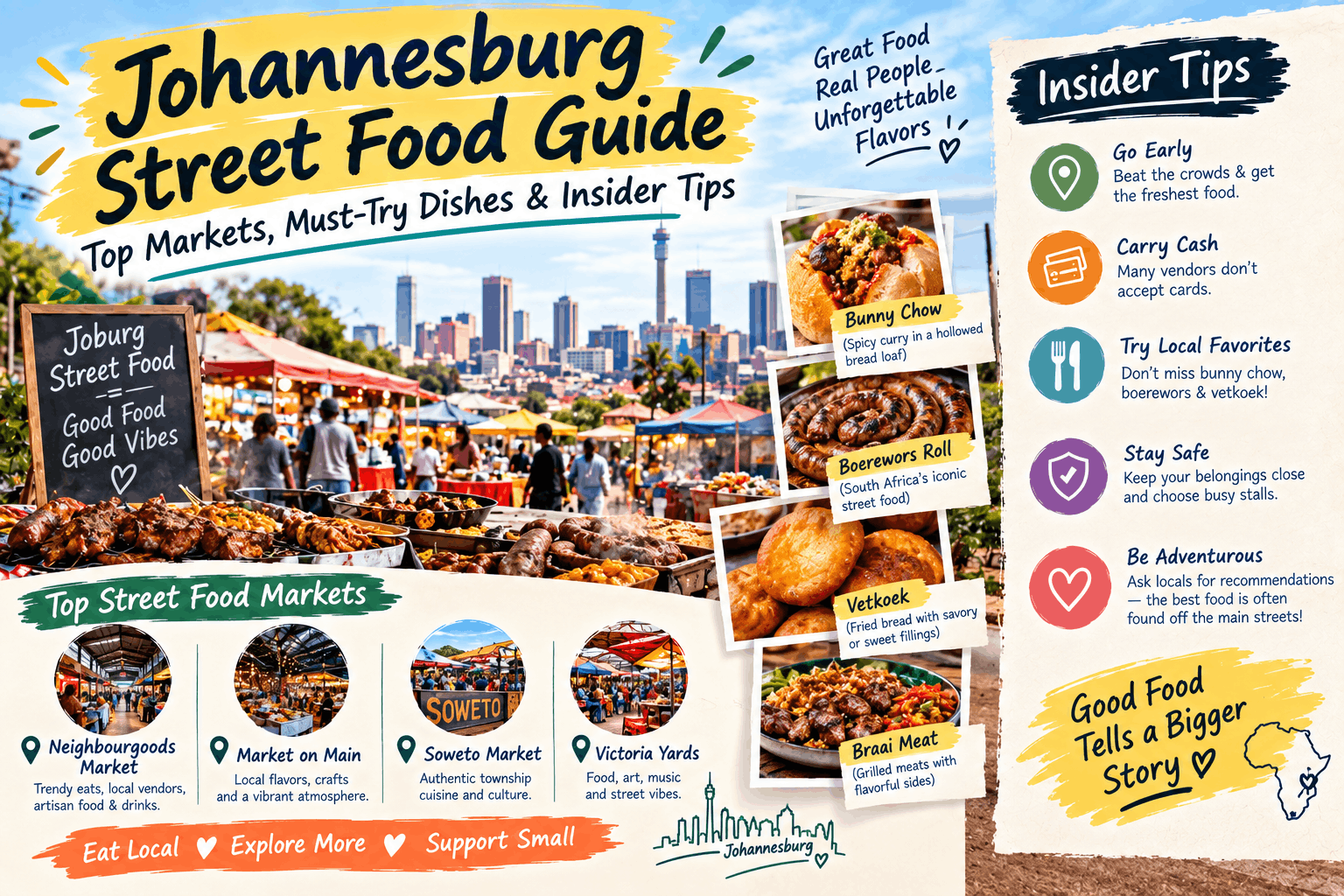
Johannesburg’s street‑food scene is a melting pot of African, Indian, and European influences, reflecting the city’s diverse population. The rise of food trucks and pop‑up markets in neighborhoods like Maboneng and Braamfontein has turned the city into a culinary laboratory. Highlights include:
- Bunny chow – a hollowed‑out loaf of bread filled with fragrant curry, a legacy of Indian migrants.
- Vetkoek – fluffy fried dough served with curried mince or sweet jam.
- Boerewors roll – a grilled sausage nestled in a roll, topped with chakalaka sauce.
- Peri‑peri chicken skewers – spicy, smoky bites that showcase South Africa’s love for bold flavors.
Johannesburg’s vendors increasingly source ingredients from local farms, supporting sustainable agriculture while delivering fresh, vibrant dishes.
Crafting the Perfect 10‑Day Itinerary
Day 1‑3: Hanoi, Vietnam
Arrive in Hanoi, settle into a boutique guesthouse in the Old Quarter. Day 1: Street‑food walking tour – sample phở, bánh mì, and egg coffee. Day 2: Morning market visit to pick fresh herbs, then a cooking class that ends with a dinner of bún chả. Day 3: Day trip to Ninh Binh for rice‑field scenery and local snacks like goat cheese bánh cuốn.
Day 4‑6: Jaipur, India
Fly to Jaipur. Day 4: Explore Johari Bazaar, tasting kachori, jalebi, and lassi. Day 5: Join a heritage food walk that includes dal baati churma at a royal palace courtyard. Day 6: Visit a spice farm on the city’s outskirts, learning about sustainable sourcing before a sunset dinner of tandoori kebabs.
Day 7‑10: Johannesburg, South Africa
Fly to Johannesburg. Day 7: Maboneng Precinct food‑truck crawl – bunny chow, vetkoek, and craft beers. Day 8: Guided tour of a local market, picking up ingredients for a community‑cooking experience with a township family. Day 9: Day trip to the Cradle of Humankind, stopping at a roadside stall for peri‑peri chicken. Day 10: Relax at a rooftop bar, reflecting on the journey over a boerewors roll.
This itinerary balances iconic dishes with hidden gems, ensuring you experience each city’s culinary heartbeat while allowing time for cultural immersion.
Budgeting Your Culinary Adventure
Street‑food travel can be luxurious on a shoestring budget if you plan wisely. Approximate daily costs (mid‑range):
- Vietnam: $30‑$45 – includes three street‑food meals, budget accommodation, and local transport.
- India: $25‑$40 – street meals are exceptionally affordable; allocate extra for occasional splurges on heritage restaurants.
- South Africa: $45‑$70 – higher due to transport and occasional wine pairings; street‑food remains under $10 per meal.
Tips to stretch your budget:
- Use public transit or ride‑sharing apps instead of taxis.
- Eat where locals eat – stalls with long queues usually offer the best value.
- Book accommodations near market districts to reduce travel time and costs.
- Carry a reusable water bottle; many cities now provide filtered water refill stations.
Safety & Health Tips for Street‑Food Travelers
Enjoying street cuisine safely is simple with a few precautions:
- Observe the stall’s hygiene – clean surfaces, fresh ingredients, and high turnover of food indicate quality.
- Prefer cooked over raw items; heat kills most pathogens.
- Carry a small pack of oral rehydration salts for unexpected stomach upset.
- Stay hydrated with bottled or filtered water; avoid ice unless you’re sure it’s made from safe water.
- Consider travel insurance that covers food‑related illnesses.
Vaccinations for hepatitis A, typhoid, and routine immunizations are recommended for all three destinations.
Sustainable & Eco‑Friendly Street‑Food Travel
Travelers can reduce their footprint while indulging in street delights:
- Bring reusable cutlery and a cloth napkin – many vendors now accept them.
- Choose stalls that source locally and practice waste reduction.
- Support community‑run markets that reinvest profits into local projects.
- Offset carbon emissions from flights by contributing to certified reforestation programs.
By making conscious choices, you help preserve the culinary ecosystems that make street food so vibrant.
Booking Resources & Tools
To streamline planning, use these platforms:
- Flights: Skyscanner, Google Flights – set price alerts for the best rates.
- Accommodations: Airbnb Experiences for stays near markets; Booking.com for boutique guesthouses.
- Food Tours: EatWith, Withlocals – book authentic street‑food walks with vetted guides.
- Transportation: Grab (Vietnam, South Africa) and Ola (India) for reliable rides.
- Health: TravelSmart app – stores vaccination records and emergency contacts.
Download offline maps of each city’s market districts to navigate without data roaming.
Conclusion – Turn Your Taste Buds into a Travel Compass
Street food is more than a meal; it’s a narrative of history, geography, and community. This 10‑day itinerary for Vietnam, India, and South Africa invites you to let flavors guide your journey, turning each bite into a waypoint on a larger adventure. By budgeting smart, staying safe, and traveling sustainably, you’ll return home with a palate enriched and a heart full of stories. Pack your appetite, grab your reusable fork, and let the streets lead the way.