Introduction – Why Follow Bourdain’s Footsteps?
Anthony Bourdain was more than a chef‑television personality; he was a cultural ambassador who proved that food is the most honest passport to a place’s soul. In this Anthony Bourdain travel guide we dissect the cities, street stalls, and hidden kitchens that earned his eternal admiration. By tracing his journeys you’ll discover why a simple bowl of pho in Hanoi or a midnight taco in Mexico City can transform a traveler into a storyteller, and how you can replicate those moments on your own itinerary.
Methodology – How We Curated the List
Our research combined three core sources: episodes of Parts Unknown, the late chef’s memoirs, and interviews where Bourdain named his “must‑eat” spots. Each destination was scored on three criteria – authenticity, cultural impact, and personal anecdote. Dishes that repeatedly appeared across multiple shows earned a “signature” badge, while lesser‑known gems were included for their surprise factor. The final list balances iconic hotspots with off‑the‑radar eateries, ensuring both first‑time fans and seasoned followers find fresh inspiration.
Asia: The Birthplace of Bourdain’s Love Affair with Food
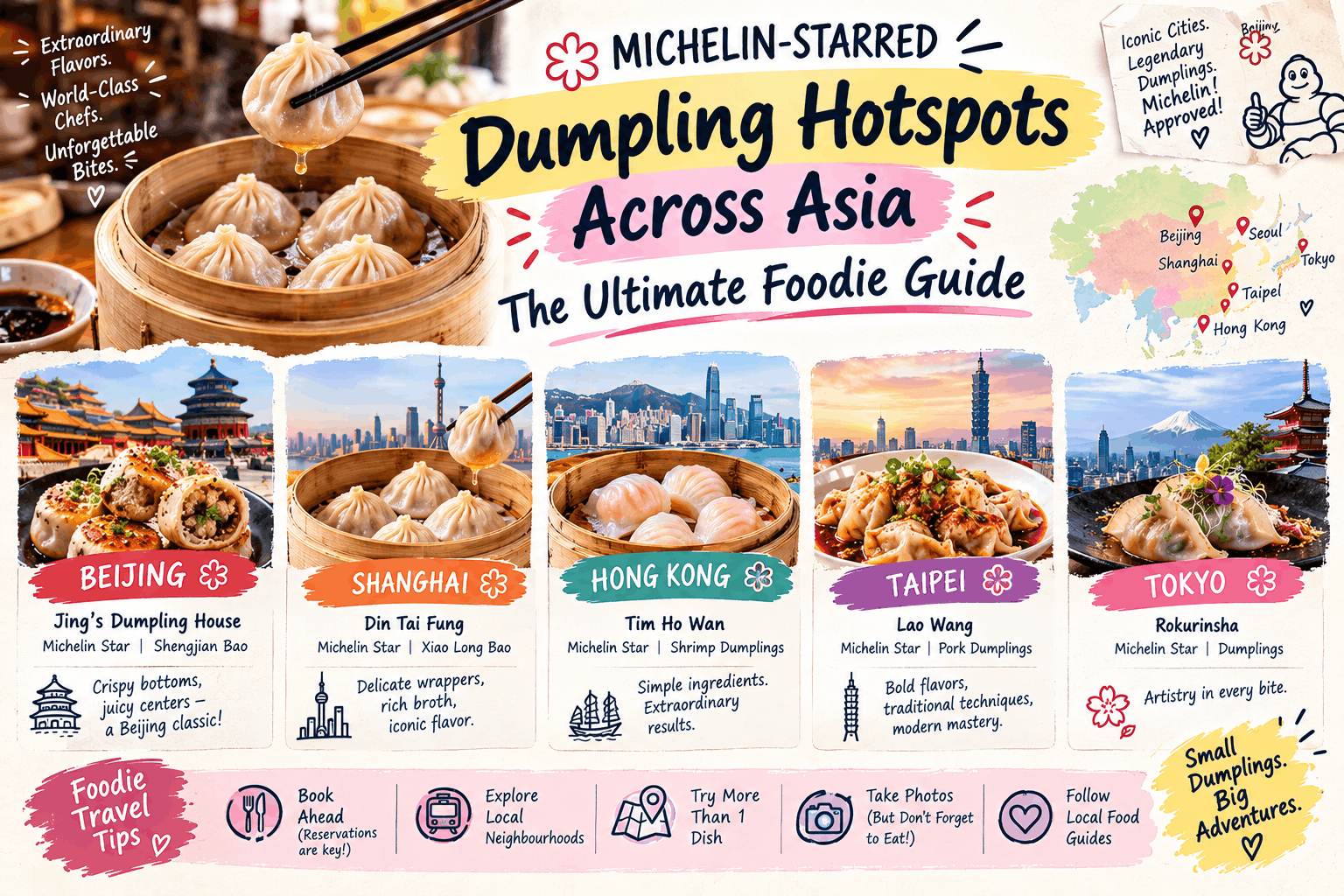
Asia was where Bourdain first fell head‑over‑heels for street food’s raw, unfiltered power. From the neon‑lit alleys of Tokyo to the bustling night markets of Bangkok, the continent offered a sensory overload that shaped his philosophy: “Eat what locals eat, not what tourists think they should.”
Japan – Osaka’s Kushikatsu & Tokyo’s Ramen
In Osaka, Bourdain devoured kushikatsu – deep‑fried skewers of meat and vegetables dipped in a tangy tonkatsu sauce. The dish epitomizes Osaka’s reputation as “the nation’s kitchen.” In Tokyo, he praised the simplicity of a perfectly boiled egg in a bowl of shoyu ramen, noting the broth’s depth came from hours of simmered pork bones and kombu.
Vietnam – Hanoi’s Pho & Ho Chi Minh City’s Bánh Mì
Hanoi’s pho was a ritual for Bourdain; the fragrant broth, rice noodles, and thinly sliced beef embodied comfort after long flights. He also highlighted the chaotic energy of Saigon’s bánh mì stalls, where French baguettes met pickled carrots, cilantro, and pâté – a colonial legacy turned culinary masterpiece.
Thailand – Bangkok’s Khao Soi
While exploring Bangkok, Bourdain fell for khao soi, a Northern Thai coconut‑curry noodle soup crowned with crispy egg noodles and lime. He described the dish as “a hug in a bowl,” capturing the region’s blend of Indian, Chinese, and Thai influences.
Europe: Classic Flavors and Modern Twists
Europe offered Bourdain a contrast: centuries‑old culinary traditions alongside avant‑garde reinterpretations. He gravitated toward places where history and innovation coexisted on the plate.
Italy – Rome’s Cacio e Pepe & Sicily’s Arancini
In Rome, Bourdain praised cacio e pepe for its minimalist brilliance – just pecorino romano, black pepper, and al dente pasta. In Sicily, he chased arancini, golden rice balls stuffed with ragù, mozzarella, and peas, noting how each bite revealed layers of regional identity.
Spain – Barcelona’s Pintxos & San Sebastián’s Txangurro
Barcelona’s pintxos bars allowed Bourdain to sample bite‑size creations ranging from anchovy‑topped olives to smoky chorizo. In the Basque Country, he highlighted txangurro (spider crab) baked in its shell, a dish that epitomized the region’s reverence for the sea.
France – Paris’s Steak‑Frites & Lyon’s Quenelles
Parisian bistros served Bourdain the quintessential steak‑frites, a simple yet perfect marriage of juicy beef and crisp potatoes. In Lyon, the gastronomic capital, he fell for quenelles de brochet – delicate pike dumplings poached in a velvety sauce, showcasing French technique at its finest.
The Americas: From Street Stalls to Luxury Eats
Across the Western Hemisphere Bourdain celebrated diversity, from Mexico’s bustling mercados to New York’s high‑end tasting menus. He believed the best meals often emerged where cultures intersected.
Mexico – Oaxaca’s Mole & Mexico City’s Tlayudas
In Oaxaca, Bourdain explored the complex layers of mole negro, a sauce built from chilies, chocolate, nuts, and spices, simmered for days. He also praised tlayudas – massive toasted tortillas topped with refried beans, cheese, and carne asada – as the ultimate street‑food canvas.
Peru – Lima’s Ceviche & Anticuchos
Lima’s ceviche, fresh fish “cooked” in citrus, was a revelation for Bourdain; he emphasized the importance of the accompanying cancha (toasted corn). Anticuchos, skewered beef heart grilled over open flame, showcased Peru’s ability to elevate humble cuts into culinary art.
United States – New Orleans’ Gumbo & New York’s Pizza
In New Orleans, Bourdain highlighted gumbo, a stew thickened with roux, okra, and a medley of seafood and sausage, embodying the city’s Creole melting pot. In New York, he celebrated the classic New York‑style pizza slice – thin crust, tangy tomato sauce, and stretchy mozzarella – as a universal comfort food.
Africa & the Middle East: Hidden Culinary Treasures
Less traveled but equally compelling, Africa and the Middle East offered Bourdain some of his most intimate food moments, often discovered in remote markets or family homes.
Morocco – Marrakech’s Tagine & Harira
In Marrakech, Bourdain fell for the fragrant tagine, a slow‑cooked stew of lamb, apricots, and preserved lemons, served in a clay pot that infuses the dish with earthy aromas. He also praised harira, a hearty tomato‑based soup brimming with chickpeas, lentils, and fresh herbs, traditionally enjoyed during Ramadan.
Ethiopia – Addis Ababa’s Injera & Doro Wat
In Ethiopia, the sourdough flatbread injera acted as both plate and utensil, perfect for scooping up doro wat, a spicy chicken stew simmered in berbere spice blend. Bourdain described the communal eating style as “a lesson in humility and togetherness.”
Israel & Palestine – Jerusalem’s Hummus & Falafel
Jerusalem’s hummus, creamy and topped with olive oil, paprika, and fresh herbs, became a staple for Bourdain. He also highlighted falafel – deep‑fried chickpea balls – as a symbol of shared culinary heritage across borders.
Signature Bourdain Experiences to Replicate
To truly channel Bourdain’s spirit, focus on experiences that blend food, culture, and conversation. Here are three must‑try moments:
- Join a midnight ramen run in Tokyo’s Shinjuku district, where neon lights and steam‑filled bowls create a cinematic backdrop.
- Take a cooking class in Oaxaca, learning to grind chilies and prepare mole alongside local women who guard the recipe’s secrets.
- Share a communal mezze spread in a Lebanese home, sipping arak while swapping stories with the host family.
Budget vs. Luxury: Tailoring Bourdain’s Itinerary to Your Wallet
Whether you’re backpacking on $30 a day or splurging on Michelin‑starred rooms, Bourdain’s philosophy adapts. For budget travelers, prioritize street‑food markets, night stalls, and local guesthouses. For luxury seekers, book tables at acclaimed restaurants like Osaka’s Hajime or Lima’s Central, then balance with a humble noodle bowl the next day to keep perspective.
Practical Travel Checklist – Bourdain‑Approved Essentials
Pack light, travel smart, and stay hungry. Essential items include:
- Reusable cutlery – Bourdain often ate with his hands, but a lightweight fork/spoon respects local customs.
- Portable spice kit – a pinch of smoked paprika or a dab of soy sauce can elevate a simple dish.
- Travel journal – jot down flavors, aromas, and the people you meet; Bourdain’s notes were his secret weapon.
- Language phrasebook – knowing how to say “delicious” in the local tongue opens doors.
Conclusion – Making the Bourdain Journey Your Own
Anthony Bourdain taught us that travel is less about ticking off landmarks and more about tasting the world, one bite at a time. By following this Anthony Bourdain travel guide you’ll not only visit his favorite destinations but also adopt his fearless curiosity, respect for local cultures, and insatiable appetite for discovery. So grab your passport, bring an empty stomach, and let the road – and the kitchen – become your classroom.