Rome’s bustling markets are the beating heart of the city’s culinary scene, offering everything from classic supplì to avant‑garde gelato. This insider guide shows you where to go, what to eat, and how to make the most of each market so you can taste authentic flavors without getting lost in the tourist crowds.
Why Rome’s Street Food Markets Matter for Culinary Travelers
Roman cuisine has always been rooted in simplicity, fresh ingredients, and communal eating. In recent years, market‑based dining has surged as locals and visitors alike flock to open‑air stalls for quick, high‑quality bites. According to curlytales.com, 40% of Indian travellers now plan trips around culinary experiences, a trend echoed worldwide by the rise of food‑focused itineraries. The broader culinary tourism movement highlights how markets serve as cultural crossroads, where regional specialties meet the curiosity of the global palate.
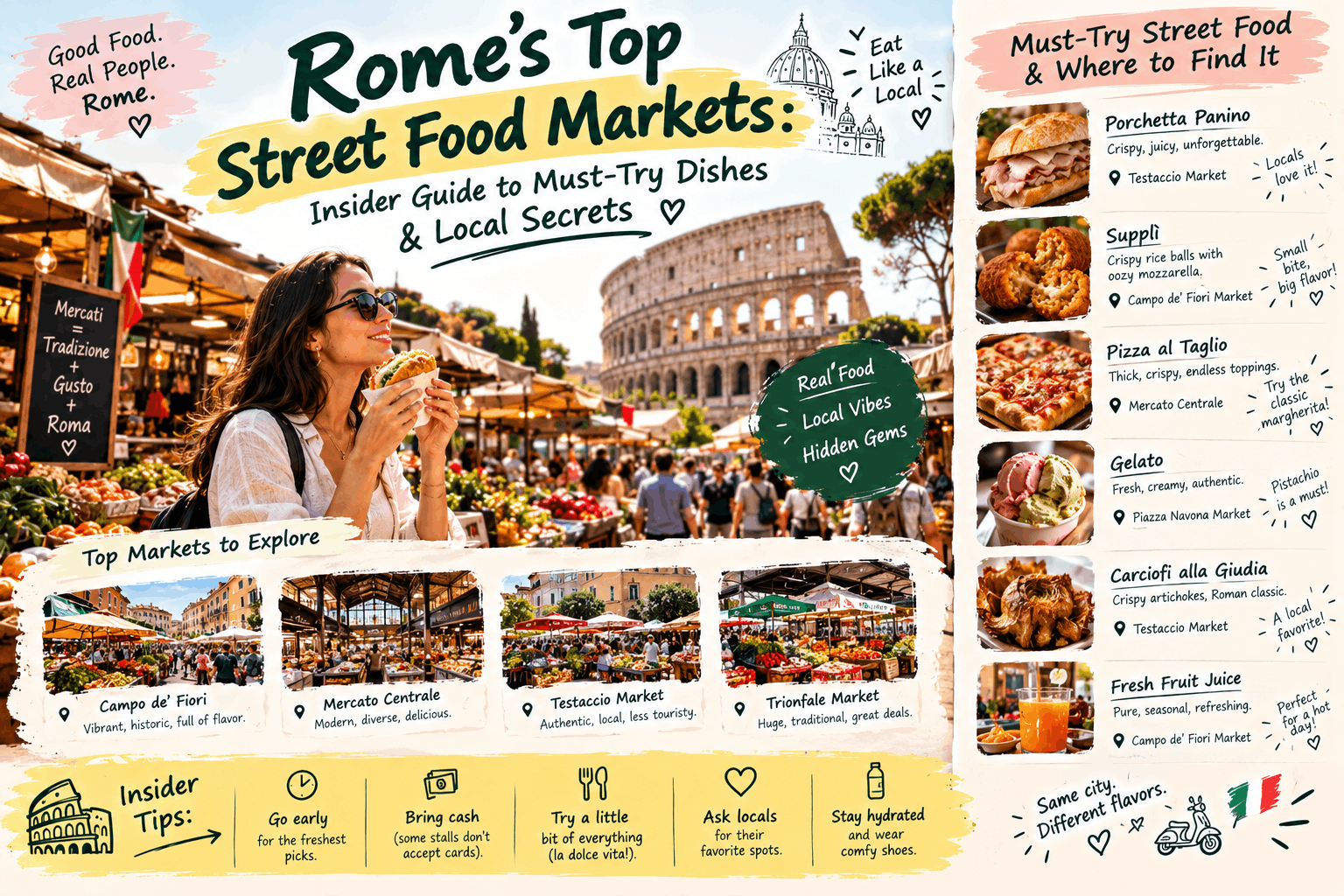
Top 5 Must‑Visit Street Food Markets in Rome
1. Mercato di Testaccio
Set in the historic Testaccio neighbourhood, this market blends vintage charm with a reputation for the best supplì in the city. Early‑morning stalls offer fresh produce, while lunchtime transforms the space into a bustling food hall.
2. Campo de’ Fiori
Located in a centuries‑old square, Campo de’ Fiori is famed for its pizza al taglio. The open‑air vibe and surrounding cafés make it a perfect spot for a midday break.
3. Mercato Trionfale
As the largest market in Rome, Trionfale boasts dozens of vendors, from artisanal cheese makers to gelato artisans. Its sheer size guarantees something for every craving.
4. Eataly Rome Smeraldo
Eataly isn’t a traditional market, but its gourmet hall feels like a curated food bazaar. Chef‑run counters serve premium versions of classic street foods, perfect for foodies seeking a refined twist.
5. Porta Portese Flea Market
Open on Sundays, Porta Portese is a treasure trove of vintage finds and street bites. The market’s eclectic energy makes it a must‑visit for adventurous eaters.
Signature Dishes to Sample at Each Market
Testaccio
- Supplì – rice balls stuffed with mozzarella and ragù, fried to golden perfection.
- Carbonara‑style arancini – a twist on the classic with pancetta, pecorino, and a creamy yolk centre.
- Porchetta panini – slow‑roasted pork, crisp crackling, and rosemary on crusty ciabatta.
Campo de’ Fiori
- Pizza al taglio – choose from classic Margherita, spicy diavola, or seasonal veggie blends.
- Trapizzino – a pocket‑sized pizza‑sandwich filled with chicken cacciatore or eggplant parmigiana.
- Fresh fruit juices – seasonal blends like blood orange‑mint or peach‑basil.
Trionfale
- Gelato artigianale – flavors range from pistachio di Bronte to ricotta‑fig.
- Porchetta tacos – soft corn tortillas filled with shredded porchetta, lime, and salsa verde.
- Regional cheese plates – pecorino romano, mozzarella di bufala, and aged provolone.
Eataly
- Burrata crostini – creamy burrata on toasted focaccia drizzled with truffle honey.
- Espresso affogato – a shot of rich espresso poured over vanilla gelato.
- Truffle honey drizzles – perfect on crostini or as a finishing touch for cheese.
Porta Portese
- Fried artichokes – lightly battered and served with lemon aioli.
- Street‑style carbonara – spaghetti tossed with guanciale, pecorino, and a raw egg yolk, served from a portable cart.
- Seasonal street desserts – think ricotta‑lemon tartlets in summer, chestnut‑spiced panettone bites in winter.
Practical Tips for Navigating Rome’s Food Markets
Best Visiting Hours
Arrive early (7 am‑9 am) for fresh produce and fewer crowds. Late afternoon (4 pm‑6 pm) is ideal for ready‑to‑eat stalls and a lively atmosphere.
How to Order in Italian
Key phrases: “Vorrei…” (I would like…), “Quanto costa?” (How much?), “Posso avere…?” (May I have…). Politeness goes a long way—add a friendly “per favore” and a smile.
Payment Methods
Most vendors accept cash, but an increasing number take contactless cards and mobile payments. Keep a few euros handy for small purchases; tips are not mandatory but rounding up the bill is appreciated.
Staying Safe
- Food hygiene – choose stalls with clean prep areas and high turnover.
- Pickpocket awareness – keep wallets in front pockets and be vigilant in crowded sections.
Sample One‑Day Foodie Itinerary
Morning: Testaccio Breakfast + Coffee Tasting
Start at 8 am with a coffee at Caffè del Mercato, then bite into a warm supplì and a porchetta panino.
Mid‑day: Campo de’ Fiori Lunch Walk and Gelato Stop
Stroll to Campo de’ Fiori for a slice of pizza al taglio, followed by a quick gelato at a nearby cart.
Afternoon: Trionfale Market Snack Crawl
Explore the cheese stalls, sample a gelato, and grab a porchetta taco for an energy boost.
Evening: Eataly Dinner with Wine Pairing
Reserve a table at the Eataly restaurant, enjoy burrata crostini, an affogato, and a glass of Chianti Classico.
Sustainable & Ethical Choices at the Markets
Look for vendors who display “Filiera corta” (short supply chain) signs—these indicate locally sourced ingredients. Choose stalls that use biodegradable containers or reusable paper. Bring your own tote bag and water bottle to cut down on single‑use plastic.
When to Book Guided Food Tours (Affiliate Opportunities)
Even seasoned travelers benefit from a local guide who can point out hidden stalls, translate menus, and share stories you might miss on your own. Platforms like Rome Street Food Secrets offer a 3‑hour walking tour that covers Testaccio, Trionfale, and secret corners of Campo de’ Fiori. Other reputable options include GetYourGuide, Eatwith, and Airbnb Experiences.
Conclusion & Next Steps
Rome’s street food markets deliver authentic flavors, vibrant community vibes, and a chance to eat like a local. Use the itinerary above, bookmark this guide, and consider a guided tour for deeper insight. Your culinary adventure starts the moment you step into the first market stall.
Frequently Asked Questions
What is the best time of year to visit Rome’s street food markets?
Spring (April‑June) and early autumn (September‑October) offer pleasant weather and abundant seasonal produce.
Do I need to speak Italian to enjoy the markets?
No, but learning a few basic phrases enhances the experience and earns goodwill from vendors.
Are the markets wheelchair‑accessible?
Most major markets, including Testaccio and Trionfale, have paved aisles, though some older sections of Campo de’ Fiori can be uneven.
For more ideas on sustainable travel, explore our eco‑friendly street food tours guide. If you love culinary travel, our comprehensive culinary travel guide can help you plan the perfect food‑focused vacation.