

Imagine yourself wandering through the vibrant streets of Tokyo, sampling the most delicious ramen and sushi, or exploring the bustling markets of India, indulging in spicy curries and fragrant street food. This is the world of culinary travel, where culinary travel enthusiasts discover new flavors, ingredients, and cooking techniques. With the culinary tourism market expected to grow significantly by 2035, it’s no wonder that 70% of travelers consider food to be an important factor in choosing a destination.
- Explore top destinations for culinary travel, from Japan to Italy and Mexico.
- Discover unique street food experiences, such as trying insect-based dishes in Thailand or sampling traditional Ethiopian injera.
- Immerse yourself in local culture through food, by attending cooking classes, visiting markets, and engaging with local chefs and food vendors.
Introduction to Culinary Travel
Culinary travel is more than just trying new foods; it’s about immersing yourself in the local culture and traditions of a destination. It’s about understanding the history and significance of certain dishes, ingredients, and cooking techniques. By doing so, you’ll not only satisfy your taste buds but also gain a deeper appreciation for the people and places you encounter.
For instance, in Japan, the art of preparing sushi is not just about combining ingredients, but about respecting the seasons, the fish, and the chef’s craft. Similarly, in India, the preparation of a traditional curry is a labor of love, involving the careful selection of spices, the slow cooking of ingredients, and the sharing of meals with family and friends.
Top Destinations for Culinary Travel
From the spicy kick of Korean kimchi to the rich flavors of Italian pasta, the world is full of incredible culinary destinations. Some top picks include Japan, known for its sushi and ramen; Italy, famous for its pasta, pizza, and gelato; and Mexico, where you can sample tacos, mole, and other delicious street foods.
In each of these destinations, you’ll find a unique blend of traditional and modern cuisine, reflecting the local culture, history, and geography. For example, in Japan, you can try okonomiyaki in Osaka, a savory pancake filled with ingredients such as pork, seafood, and vegetables. In Italy, you can sample the world’s best pizza in Naples, topped with fresh tomatoes, mozzarella, and basil.
Exploring Regional Cuisine
Each region has its own distinct culinary style, shaped by local ingredients, climate, and cultural traditions. In the United States, for example, you can explore the spicy Creole cuisine of New Orleans, the fresh seafood of the Pacific Northwest, or the rich barbecue traditions of the Southern states.
Unique Street Food Experiences
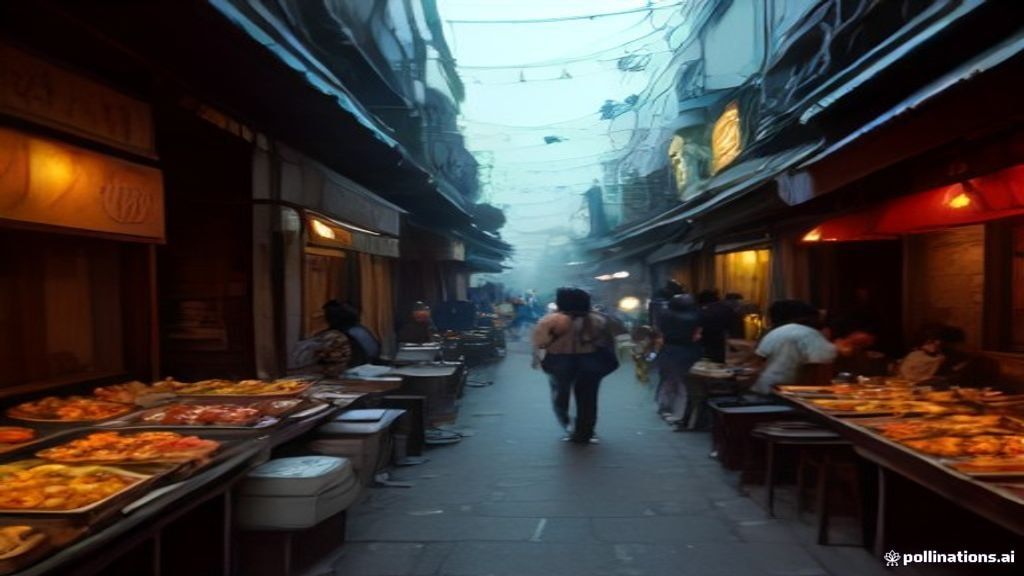
Street food is an integral part of culinary travel, offering a glimpse into the daily lives and traditions of local people. From the crispy falafel of the Middle East to the spicy tacos of Mexico, street food is a delicious and affordable way to experience the flavors and aromas of a destination.
Some unique street food experiences include trying insect-based dishes in Thailand, such as fried crickets or mealworms; sampling traditional Ethiopian injera, a sourdough flatbread served with stews and salads; or indulging in the sweet, sticky pastries of Morocco, such as baklava or makroud.
Street Food Etiquette
When trying street food, it’s essential to respect local customs and traditions. Be sure to follow proper food safety guidelines, such as washing your hands before eating and avoiding undercooked meat or raw vegetables. Additionally, be mindful of local norms and etiquette, such as using utensils or eating with your hands.
Cultural Immersion through Food
One of the best ways to immerse yourself in local culture is through food. By attending cooking classes, visiting markets, and engaging with local chefs and food vendors, you’ll gain a deeper understanding of the people, traditions, and ingredients that shape a destination’s cuisine.
For example, in India, you can take a cooking class to learn the art of preparing traditional curries and naan bread. In Morocco, you can visit the bustling souks (markets) to sample local spices, teas, and pastries. In Japan, you can engage with local chefs and food vendors at the Tsukiji Fish Market, learning about the freshest sushi and sashimi.
Cooking Classes and Workshops
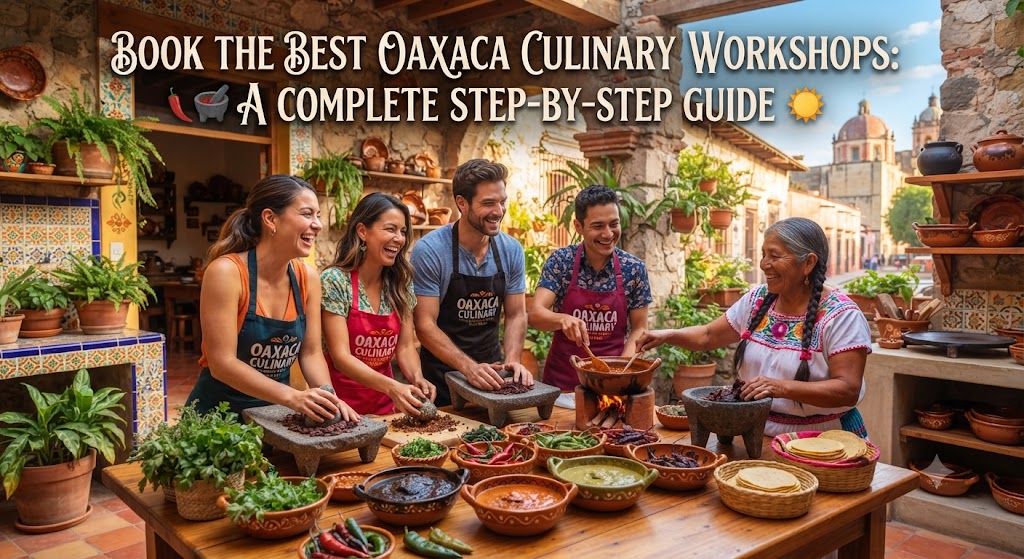
Cooking classes and workshops are an excellent way to learn about local cuisine and cooking techniques. Not only will you gain hands-on experience with new ingredients and recipes, but you’ll also have the opportunity to interact with local chefs and food experts, gaining a deeper understanding of the local food culture.
Practical Tips for Culinary Travel
Planning a culinary trip requires some research and preparation. Here are some practical tips to get you started: research local cuisine and ingredients, try new foods and drinks, and engage with local people and culture. Don’t be afraid to try street food, visit markets, and attend cooking classes.
Additionally, consider packing a few essential items, such as a reusable water bottle, a food guidebook, and a portable charger for your phone or camera. And, if you’re feeling adventurous, try using this tool to discover new restaurants, cafes, and food shops in your destination.
Food and Travel Safety
When traveling for food, it’s essential to prioritize your safety and well-being. Be sure to research local health and safety guidelines, such as food safety regulations and water quality. Additionally, consider purchasing travel insurance that covers food-related illnesses or accidents.
4 thoughts on “Savoring the Flavors of the World: A Guide to Culinary Travel”