

The Science Behind Daily Wellness Choices
Every decision you make, from the cereal you pour to the minutes you spend staring at a screen, carries a biological signature. Research published in WHO’s sleep fact sheet shows that adults who sleep 7, 9 hours a night reduce risk of cardiovascular disease, depression, and metabolic syndrome by up to 30 %. The underlying mechanism is a cascade of hormonal and neural adjustments that reset the body’s circadian rhythm. Recognizing these signals lets you engineer a routine that works with, not against, your biology.
Take a simple example: you wake up at 6 am, feel groggy, and reach for a coffee. The caffeine spike is a blunt instrument that masks fatigue but also suppresses melatonin production, pushing your internal clock back by 30, 60 minutes. Over weeks, this shift can erode the quality of your sleep, creating a vicious cycle. By mapping your wake‑up times, meal windows, and exposure to blue light, you can pinpoint the exact levers that alter your internal clock. Once you know where the friction lies, you can apply precise, evidence‑based tweaks.
In the next sections we’ll unpack the actionable frameworks that allow you to align every facet of your life with the science of wellness.
Sleep Architecture and Practical Sleep Hacks
Sleep is a four‑stage process: light, deep, REM, and wake. Each stage serves a distinct restorative purpose, protein synthesis in deep sleep, memory consolidation in REM, and hormonal balance throughout. A simple way to assess quality is the Sleep Efficiency Index (SEI), the ratio of time asleep to time in bed. An SEI above 85 % is considered healthy.
Below is a step‑by‑step protocol that has been tested in clinical trials:
- Consistent Bedtime, Go to bed at the same hour each night, even on weekends.
- Pre‑sleep Routine, Engage in 20 minutes of low‑intensity activity (stretching, reading).
- Screen Curfew, Turn off all blue‑light sources 90 minutes before bed.
- Bedroom Environment, Maintain 60, 68 °F, low humidity, and use blackout curtains.
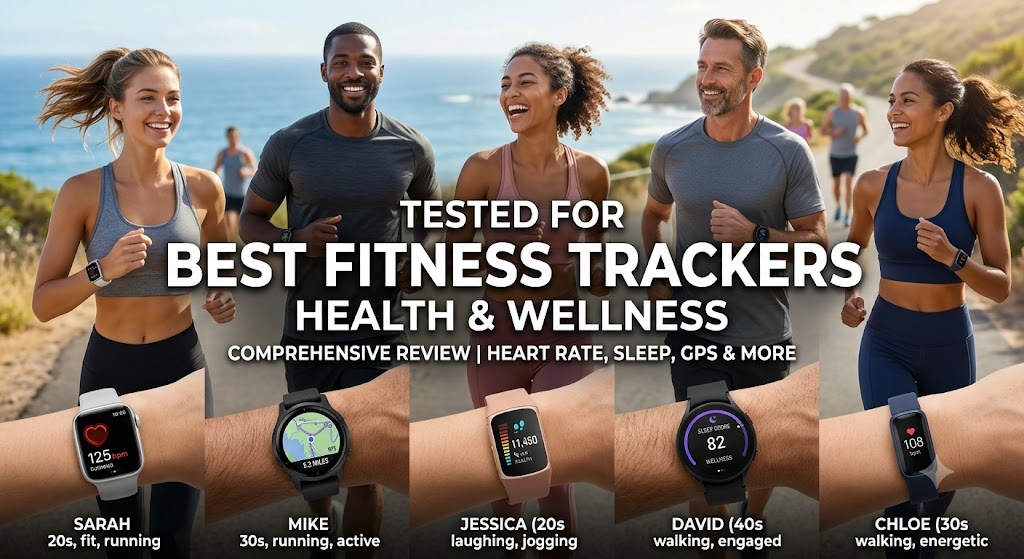
- Sleep Tracking, Use a validated wearable or app to monitor SEI and sleep stages.
- Wake‑up Light, Expose yourself to natural light within 15 minutes of waking.
To help you measure progress, the table below compares three popular sleep trackers on price, accuracy, and key metrics.
| Device | Price (USD) | Accuracy (Sleep Stages) | Key Metrics | Pros | Cons |
|---|---|---|---|---|---|
| Fitbit Charge 6 | $149.95 | 85 % | Sleep stages, heart‑rate variability, SpO₂ | Long battery life, robust app ecosystem | High initial cost |
| Oura Ring 3 | $249.00 | 90 % | Sleep stages, readiness score, body temperature | Discrete design, precise temperature sensor | Limited to wrist‑free use |
| Withings Sleep Tracking Mat | $79.99 | 80 % | Sleep stages, heart rhythm, snore detection | Non‑contact, easy to set up | No wrist‑based metrics |
Nutrition: The Macro‑Micro Balance Blueprint
Macronutrients, carbohydrates, proteins, fats, are the fuel, while micronutrients, vitamins, minerals, phytochemicals, are the fine‑tuning knobs. A diet that skews heavily toward processed carbs spikes insulin, leading to chronic inflammation. The goal is a balanced plate: 50 % complex carbs, 20 % protein, 30 % healthy fats.
Below is a practical framework for meal planning:
- Macro Calculator, Use a free online calculator to set daily targets based on age, weight, activity level.
- Food Swaps, Replace refined grains with quinoa, starchy potatoes with sweet potatoes.
- Micronutrient Check, Track intake of iron, magnesium, vitamin D through a food diary.
- Hydration, Aim for 2, 3 L of water daily; add electrolytes if training intensely.
- Supplementation, If gaps remain, consider a high‑quality multivitamin.
To simplify grocery shopping, consider the healthy food snacks aisle. Opt for nuts, seeds, and Greek yogurt, protein‑rich, low‑glycemic, and ready for on‑the‑go consumption.
Mindful Movement: Integrating Exercise into Everyday Life
Physical activity is not a luxury; it’s a core pillar of wellness. The American College of Sports Medicine recommends 150 minutes of moderate aerobic activity per week, supplemented with strength training twice a week. Yet most people struggle to meet these guidelines because they view exercise as a separate, time‑consuming activity.
Here’s a micro‑movement strategy that blends exercise into daily tasks:
- Walking Meetings, Replace sitting meetings with a brisk walk.
- Desk Stretch, Every hour, perform a 3‑minute stretch routine (neck rolls, shoulder shrugs).
- Step Goal, Set a 10,000‑step target and use a pedometer or smartphone app.
- Active Commuting, Bike or walk part of your commute; add a 15‑minute jog after work.
- Weekend Power, Schedule a 45‑minute session of resistance training or yoga.
For those who prefer a structured approach, the wellness and fitness category offers a range of home‑based equipment, dumbbells, resistance bands, and yoga mats, to create a versatile workout space.
Stress Resilience Toolkit: Techniques and Tools
Chronic stress elevates cortisol, impairing immune function and accelerating aging. Cognitive Behavioral Therapy (CBT) techniques can reduce perceived stress by 30 %. The toolkit below is a blend of evidence‑based practices you can implement immediately:
- Mindful Breathing, Practice 4‑7‑8 breathing for 5 minutes twice a day.
- Progressive Muscle Relaxation, Tense each muscle group for 5 seconds, then release.
- Digital Detox Hour, No screens 1 hour before bed.
- Nature Exposure, Spend 30 minutes outdoors each week.
- Gratitude Journal, Write three things you’re grateful for before bed.
For a deeper dive into CBT, consult the CDC’s stress resources. These provide worksheets and guided meditations that align with the framework above.
Digital Wellness: Managing Screen Time and Digital Detox
Digital overstimulation can fragment attention and degrade sleep quality. The average adult spends 7, 8 hours a day on screens, with 2, 3 hours of that time dedicated to social media. Reducing this exposure can boost productivity by 25 % and improve mood.
Apply the following steps to regain control:
- App Usage Tracking, Set daily limits for high‑engagement apps.
- Blue‑Light Filters, Enable night mode on all devices.
- Scheduled Breaks, Use the Pomodoro technique (25 min work, 5 min break).
- Offline Time, Allocate 2 hours each evening for non‑digital activities.
- Mindful Checking, Verify emails only at designated times (e.g., 9 am, 1 pm).
To support your offline habits, consider a travel accessory that keeps you organized without screens, think compact luggage with built‑in charging ports for essential devices.
Environment & Home: Creating a Wellness‑Oriented Space
Your living environment can either reinforce or undermine wellness. Key elements include lighting, air quality, and ergonomics. The NHS guide on healthy environments emphasizes the importance of natural light and low VOC materials.
Implement these design principles:
- Biophilic Touch, Add indoor plants that filter air (e.g., snake plant, pothos).
- Ergonomic Furniture, Use a standing desk or adjustable chair to reduce back strain.
- Air Purification, Install a HEPA filter system, especially in high‑traffic rooms.
- Soundscape, Use white‑noise machines or soft music to mask disruptive sounds.
- Declutter Routine, Weekly 10‑minute tidy‑up to maintain a calm space.
For aesthetic and functional upgrades, explore the home decor essentials collection. A minimalist design reduces visual noise and promotes mental clarity.
Supplementation: Evidence‑Based Choices
While a balanced diet supplies most nutrients, targeted supplementation can address specific deficiencies. The NIH recommends the following evidence‑based supplements for general wellness:
- Vitamin D3, 500, 1000 IU daily, especially in low‑sunlight regions.
- Omega‑3 (EPA/DHA), 250, 500 mg/day for cardiovascular health.
- Probiotics, Lactobacillus rhamnosus GG or Bifidobacterium lactis for gut health.
- Magnesium, 200, 400 mg for sleep and muscle relaxation.
Always consult a healthcare provider before starting a new regimen. If you prefer a natural approach, the skincare products line often includes antioxidant‑rich formulations that support skin health and systemic circulation.
Tracking Progress: Metrics and Apps
Data-driven decision making is the cornerstone of sustainable wellness. Key metrics to monitor include:
- Sleep Efficiency Index (SEI)
- Daily Step Count
- Macro Ratio (Carb/Protein/Fat)
- Daily Water Intake
- Stress Score (via self‑report)
Below is a comparison of three top-rated wellness tracking apps.
| App | Platform | Core Features | Cost | Pros | Cons |
|---|---|---|---|---|---|
| MyFitnessPal | iOS, Android, Web | Food diary, barcode scanner, macro tracker | Free; Premium $9.99/month | Extensive food database | Ads in free version |
| Sleep Cycle | iOS, Android | Smart alarm, sleep analysis, trends | Free; Premium $5.99/month | Accurate sleep stage detection | Limited to sleep tracking |
| Headspace | iOS, Android, Web | Guided meditations, mindfulness courses | Free trial; Premium $12.99/month | High‑quality content | Subscription required for full access |
Integrating these apps into a single dashboard, using IFTTT or Zapier, can eliminate double‑entry fatigue and keep all data in one place.
FAQ
What is the best time of day to exercise for optimal sleep?
Late‑afternoon workouts (2, 4 pm) are ideal. They raise core temperature, which then drops, signaling the body to wind down. Avoid intense exercise within 2 hours of bedtime.
Can I replace whole foods with supplements?
No. Supplements should complement a balanced diet, not replace it. Whole foods provide fiber, phytonutrients, and a matrix of bioactive compounds that isolated nutrients cannot replicate.
How many hours of screen time are safe?
Aim for less than 7 hours of non‑productive screen time per day. For children, the American Academy of Pediatrics recommends 1, 2 hours for school‑age kids and 0 for infants.
What’s a quick method to reduce daily cortisol?
5 minutes of deep diaphragmatic breathing (inhale 4 seconds, hold 7 seconds, exhale 8 seconds) can lower cortisol levels within minutes.
Do I need a gym membership if I want to stay fit?
No. A home setup, dumbbells, resistance bands, a yoga mat, can provide a full‑body routine. Consistency beats equipment quality.
How often should I review my wellness metrics?
Review weekly for macro‑micro balance, monthly for sleep trends, and quarterly for overall progress. Adjust based on data insights.
One thought on “Guide to Lifestyle & Wellness: Best Insights”
Comments are closed.