
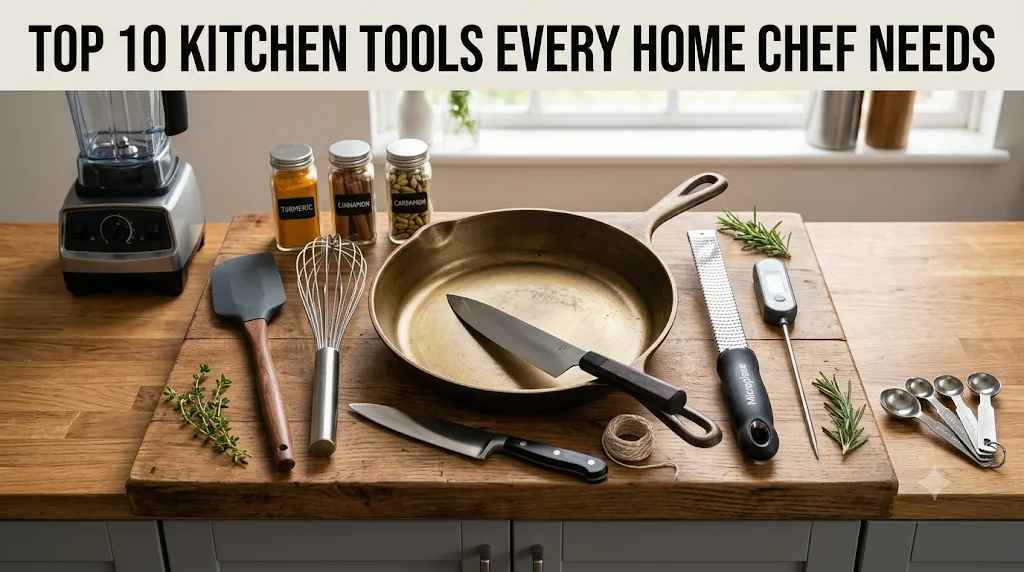
When a family dinner turns into a culinary adventure, the kitchen transforms from a mere space into a command center. The tools you choose dictate how smoothly the operation runs, how consistently the flavors come through, and how often you’ll return to the drawer to fetch a missing implement. Below is a definitive map of the ten indispensable kitchen tools that elevate every home chef’s arsenal.
1. Precision Knife Set, The Foundation of Every Dish
It’s the blade that first encounters the ingredient. A high‑quality knife set eliminates the frustration of uneven cuts and protects the knife’s edge for years. Look for a set that includes a chef’s knife, paring knife, bread knife, and utility knife. Stainless steel blades with a 20‑degree angle provide a balance between sharpness and durability. The handle should feel balanced; a wooden or G‑rillett handle offers ergonomic comfort for extended use.
Practical Tip: Store knives in a magnetic strip or a knife block that keeps blades protected and accessible. Rotate the knives regularly to prevent uneven wear. Sharpen with a whetstone or electric sharpener at the first sign of dullness, a dull blade is a safety hazard.
Takeaway: A sharp, well‑balanced knife set is the single most reliable tool that reduces prep time by up to 30% and enhances safety.
2. Cutting Board, Protecting Surfaces and Maintaining Edge
Choose a board material that balances durability, knife friendliness, and hygiene. Hardwood boards like maple or walnut are knife‑friendly and can be sanded down to restore edges. Plastic boards are dishwasher safe but can develop deep cuts that harbor bacteria. Bamboo offers a middle ground but can dull blades more quickly.
Practical Step: To keep your board from splintering, oil a hardwood board with food‑safe mineral oil once a month. For plastic boards, replace them after 6, 12 months or when grooves appear.
Takeaway: A proper cutting board extends your knife’s life by 25% and reduces countertop damage.
3. Saucepan Set, From Sauté to Sauce
A saucepan set should include at least a 3‑quart and a 1‑quart pot. Stainless steel with an aluminum or copper core ensures even heat distribution. A heavy‑bottom pot prevents scorching and offers precise temperature control. Stainless steel also resists staining and is dishwasher safe.
Practical Insight: When sautéing, use the 3‑quart pot to keep heat stable. For sauces that require reduction, the 1‑quart pot’s smaller surface area accelerates evaporation. Pair them with a matching lid to trap steam and flavor.
Takeaway: A well‑balanced saucepan set saves you 10, 15 minutes in cooking time and ensures consistent results.
4. Baking Sheet and Silicone Mat, Versatility on the Sheet
Baking sheets come in aluminum, steel, and non‑stick coated varieties. Aluminum offers the fastest heat conduction, while steel provides durability and a crisp finish. A silicone mat adds a non‑stick layer, eliminating the need for parchment paper and making cleanup effortless.
Practical Framework: Use the baking sheet for roasting vegetables, baking cookies, or broiling. Slip the silicone mat onto the sheet for delicate pastries that need a non‑stick surface. Rotate the sheet halfway through baking to achieve even browning.
Takeaway: A baking sheet and silicone mat combo gives you 15 different uses, cutting down on the need for multiple trays.
5. Food Processor, Multitasking in Minutes
Beyond chopping, a food processor can puree, shred, and knead dough. Look for a 10‑quart capacity with variable speed settings. Stainless steel blades are dishwasher safe and hold up to heavy-duty tasks. A clear plastic bowl with a measuring line helps keep track of volume.
Practical Step: For a quick pesto, load basil, pine nuts, garlic, and olive oil into the processor. Pulse until the mixture reaches the desired consistency. For dough, use the dough blade attachment and mix on low until a cohesive ball forms.
Takeaway: A food processor can cut prep time by 40% and reduces the need for multiple appliances.
6. Immersion Blender, Handheld Convenience
Immersion blenders are ideal for pureeing soups, making sauces, or whipping cream. A 1‑horsepower motor with a detachable blade ensures power without bulk. Stainless steel blades are heat resistant and dishwasher safe.
Practical Tip: Start blending at a low speed and gradually increase to avoid splattering. For thick sauces, place the blender in a tall, narrow pot to contain the mixture. Use the whisk attachment for emulsifying dressings.
Takeaway: An immersion blender saves countertop space and allows you to blend directly in the cooking vessel, reducing cleanup.
7. Digital Instant-Read Thermometer, Accuracy in a Flash
Temperature is the silent judge of doneness. A digital instant-read thermometer with a 2‑second response time can confirm that poultry hits 165°F, steak reaches medium-rare at 135°F, and sauces are safe to serve. Look for a probe that is 6 inches long and has a backlit display for visibility in low light.
Practical Method: Insert the probe into the thickest part of the meat, avoiding bone. Record the reading within 2 seconds. For baking, use a probe to monitor the internal temperature of casseroles or bread.
Takeaway: Accurate temperature readings prevent undercooking and overcooking, ensuring food safety and flavor.
8. Mandoline Slicer, Precision Without Effort
Mandolines provide uniform thickness for vegetables and fruits, essential for even cooking and presentation. Choose a model with adjustable guard settings from 1/16″ to 1/4″ and a safety hand guard to protect fingers. A non‑slip base keeps the slicer stable.
Practical Guide: Slice onions for salads, potatoes for chips, and carrots for stir‑fries. Adjust the thickness according to the dish, thinner slices for salads, thicker for gratins. Use the julienne blade for fine ribbons.
Takeaway: A mandoline reduces prep time by half and delivers consistent slices that cook evenly.
9. Kitchen Timer, Mastering Time Management
While smartphones have timers, a dedicated kitchen timer offers tactile feedback and eliminates distractions. A digital timer with a 12‑hour range, large LED display, and audible alarm is ideal. Some models include a “buzzer” that rings even if you’re not looking at the screen.
Practical Step: Set the timer before starting a dish that requires precise timing, such as a soufflé or a caramel sauce. Use the timer to keep track of multiple dishes simultaneously. Reset the timer for each new task to avoid confusion.
Takeaway: A reliable kitchen timer ensures that you never overcook or undercook, maintaining consistency across meals.
10. Storage Containers, Keeping Ingredients Fresh
Clear, airtight containers with stackable lids keep produce crisp and sauces from spilling. Look for BPA‑free plastic or glass with silicone seals. A set that includes varying sizes (e.g., 8 oz, 1 quart, 2 quarts) allows you to store everything from spices to leftovers.
Practical Framework: Label each container with the ingredient and date. Store fruits and vegetables in the crisper drawers, and keep sauces in the refrigerator. Use the 2‑quart containers for bulk herbs or diced veggies that you’ll use throughout the week.
Takeaway: Proper storage extends ingredient life by up to 50% and reduces food waste.
Tool Comparison: Knife Sets for Every Budget
| Brand / Model | Price (USD) | Blade Material | Handle | Pros | Cons |
|---|---|---|---|---|---|
| Wüsthof Classic 8‑Piece | ~$250 | High‑Carbon Stainless Steel | Polished German Steel | Exceptional edge retention; balanced | Heavy; higher maintenance |
| Victorinox Fibrox Pro 8‑Piece | ~$80 | Stainless Steel | Ergonomic Fibrox | Lightweight; affordable | Less durable than high‑carbon blades |
| Shun Classic 8‑Piece | ~$200 | V‑Shaped Damascus | Wooden | Sharp; beautiful design | Requires oiling; pricier |
Practical Takeaways, A Step‑by‑Step Implementation Plan
- Audit your current kitchen tools. Identify gaps and prioritize the top three missing items from the list above.
- Set a budget. Allocate funds for high‑quality essentials like a knife set and saucepan set; consider multi‑use tools like a food processor to save space.
- Research reputable brands. Use the table above as a starting point, but read consumer reviews for real‑world performance.
- Purchase strategically. For example, buy a versatile saucepan set and a silicone mat together to maximize usage.
- Integrate new tools into your workflow. Assign a specific task to each tool (e.g., use the mandoline for all julienne slices). Practice until it becomes second nature.
- Maintain and store properly. Follow the storage guidelines for knives, cutting boards, and containers to prolong lifespan.
- Track time saved. Keep a log of prep times before and after installing the new tools to quantify efficiency gains.
- Share your experience. Post a review or tutorial on social media or a cooking blog to help others make informed choices.
FAQ
What is the best material for a chef’s knife?
High‑carbon stainless steel offers a sharp edge and resistance to corrosion. For a balance between performance and maintenance, many chefs prefer a high‑carbon steel blade with a stainless steel handle.
Can I use a plastic cutting board for all ingredients?
Plastic boards are dishwasher safe and ideal for meats to avoid cross‑contamination. However, hardwood boards are gentler on knives and are recommended for vegetables and fruits.
Is a food processor worth the investment?
Yes. A food processor reduces prep time, frees up countertop space, and replaces several appliances such as a blender, mixer, and grater.
How often should I sharpen my knives?
Sharpen when you notice uneven cutting or a dull feel. For high‑frequency use, sharpen every 3, 4 months. For occasional use, once a year may suffice.
What safety precautions should I take with a mandoline slicer?
Always use the safety hand guard, keep the blade lubricated with water, and avoid cutting over the guard to prevent injury.
Do I need a digital thermometer for cooking?
For meats, a thermometer ensures food safety by verifying internal temperatures. For most vegetables and grains, visual cues and timing are sufficient.
How can I keep my silicone baking mats from sticking?
Apply a light dusting of flour or cornstarch before placing dough or batter on the mat. This prevents sticking while preserving the non‑stick surface.
Are there eco‑friendly options for kitchen tools?
Yes. Look for tools made from sustainably sourced bamboo, recycled metals, or BPA‑free plastics. Many brands also offer refillable containers to reduce waste.
What is the best way to clean a stainless steel saucepan?
Use a non‑abrasive sponge and mild dish soap. For stubborn stains, soak with baking soda and water, then rinse thoroughly.
Can I use my kitchen timer for baking at high temperatures?
Yes, but be sure to set the timer for the total bake time, not just the initial heating period. Reset the timer for each stage of the recipe.
How do I choose the right size of storage containers?
Consider the volume of ingredients you typically store. Use smaller containers for single‑serving sauces or spices, and larger ones for bulk items like diced vegetables or grains.
What maintenance does a digital thermometer require?
Clean the probe with a damp cloth after each use, and calibrate periodically according to the manufacturer’s instructions to ensure accurate readings.
Is a silicone mat safe for high‑heat baking?
Silicone mats are rated up to 428°F (220°C). For temperatures above this, use parchment paper or a non‑stick baking sheet.
How can I prevent my cutting board from absorbing odors?
Rinse with hot water, apply mineral oil monthly, and avoid soaking in the dishwasher to preserve the board’s surface.
Should I invest in a multi‑function kitchen appliance?
If space and budget are limited, a multi‑function appliance like a stand mixer with attachments can replace several single‑purpose tools.
What is the advantage of using a non‑stick saucepan?
Non‑stick surfaces require less oil, reduce sticking, and are easier to clean. However, they may not withstand high‑temperature searing.
How do I keep my immersion blender from splattering?
Place the blender in a tall, narrow pot. Use a splash guard or a small towel to cover the opening if necessary.
Can I use the same timer for both cooking and baking?
Yes, a versatile digital timer can handle all timing needs, provided it has a clear display and audible alert.
What should I do if my knife starts to slip while cutting?
Ensure the cutting board is dry and stable. Use a damp towel under the board to prevent slipping. Replace the knife if the blade is bent.
How often should I replace my silicone baking mat?
If the mat becomes scratched or warped, replace it. Typically, a silicone mat lasts 6, 12 months with proper care.
Is it better to buy a single large saucepan or multiple smaller ones?
Multiple smaller pots offer flexibility for cooking different dishes simultaneously and are easier to store. A single large pot saves space but limits multitasking.
What is the best way to store fresh herbs?
Wrap them in a damp paper towel, place in a sealed container, and refrigerate. Alternatively, freeze herbs in an ice cube tray with olive oil for quick access.
Can I use my kitchen tools for meal prep on a budget?
Absolutely. Investing in high‑quality, multi‑use tools reduces the need for additional gadgets, ultimately saving money in the long run.
What is the most common mistake when using a mandoline slicer?
Not using the safety guard. Always keep your fingers behind the guard to avoid injury.
How do I choose the right size for a digital thermometer probe?
For thin cuts of meat, a shorter probe (3, 4 inches) is sufficient. For thick roasts, a longer probe (5, 6 inches) ensures accurate core temperature readings.
Is it necessary to oil a wooden cutting board?
Yes. Applying mineral oil every few months prevents cracking and keeps the board smooth for knives.
What are the benefits of a 10‑quart food processor?
It can handle large batches, making it ideal for family meals, smoothies, and dough production without multiple refills.
How can I keep my kitchen organized?
Assign each tool to a specific drawer or shelf. Use clear labels and maintain a tidy workspace to improve efficiency.
Do I need a separate timer for each dish?
No. A single timer with multiple alarms can handle several dishes if you set different alarms for each stage.
What is the best way to clean a stainless steel knife?
Wash by hand with warm soapy water, rinse, and dry immediately to prevent water spots. Avoid the dishwasher for premium blades.
Can I use the same silicone mat for baking and roasting?
Yes, but for high‑temperature roasting, place the mat on a baking sheet to distribute heat evenly.
How do I keep my kitchen tools from rusting?
Store knives in a dry place, oil wooden boards, and keep metal tools dry. Use a dehumidifier if your kitchen is humid.
What is the ideal thickness for sliced vegetables?
1/8 to 1/4 inch for salads, 1/4 to 1/2 inch for roasting, and 1/2 inch for stir‑fries. The mandoline slicer can adjust to any thickness.
Is it worth buying a silicone mat with a non‑stick coating?
Yes, it eliminates the need for parchment paper and makes cleanup effortless.
What is the advantage of a digital instant-read thermometer over a probe thermometer?
The instant-read thermometer provides quick, one‑time readings, ideal for quick checks, while a probe thermometer is better for continuous monitoring.
How do I maintain the longevity of my kitchen appliances?
Read the manufacturer’s instructions, clean after each use, and avoid overheating or overloading.
What should I consider when buying a kitchen timer?
Look for a large, backlit display, audible alarm, and a sturdy base that won’t wobble during cooking.
Can I use a silicone mat for making bread dough?
Yes, it keeps the dough from sticking and makes cleanup simple.
What is the best way to store spices?
Keep them in airtight containers away from direct sunlight to preserve flavor and potency.
Is there a difference between a stainless steel and a copper saucepan?
Copper offers superior heat conduction but requires polishing. Stainless steel is durable and low maintenance, making it more practical for everyday use.
How can I keep my kitchen tools in top condition?
Follow the cleaning, storage, and maintenance tips provided for each tool. Regular upkeep extends lifespan and performance.
What is the recommended method for checking the sharpness of a knife?
Use a paper test: slice through a piece of paper; a sharp knife will cut cleanly without tearing.
Can I use my immersion blender for making smoothies?
Yes, but use the lower speed setting and add liquids gradually to avoid splattering.
What is the best way to keep a food processor clean?
Disassemble the bowl and blades, rinse immediately, and avoid soaking metal parts.
How can I prevent my silicone mat from warping?
Avoid placing hot pans directly on the mat; use a baking sheet as a barrier.
Is it necessary to calibrate a digital thermometer?
Yes, calibrate every 6, 12 months to maintain accuracy, especially if the probe is used frequently.
What is the best way to use a digital thermometer with a thick steak?
Insert the probe into the thickest part, ensuring it does not touch bone. Read after 2, 3 seconds for accuracy.
Can I use a mandoline slicer for citrus fruits?
Yes, but use the julienne blade to create thin, uniform slices for salads or garnishes.
What is the most effective way to clean a stainless steel saucepan?
Use a soft sponge, mild dish soap, and a non‑abrasive scrubber for tough stains. Rinse thoroughly and dry immediately.
How do I keep my kitchen tools organized for quick access?
Use drawer dividers for knives, a magnetic strip for metal tools, and a dedicated shelf for appliances.
Is a silicone mat necessary if I already have parchment paper?
Silicone mats eliminate the need for disposable parchment, saving money and reducing waste.
What is the advantage of using a 3‑quart saucepan over a 2‑quart?
The larger size allows for more flexibility in cooking multiple dishes or larger portions.
Can I use a food processor to grind spices?
Yes, use the grinding blade to achieve a fine powder for custom blends.
What is the best way to keep a cutting board from staining?
After each use, rinse with hot water, apply a thin layer of mineral oil, and let it absorb for 30 minutes.
Is a digital thermometer essential for baking?
Not for most baked goods, but it’s invaluable for casseroles, stews, and meats.
What is the best way to keep a silicone mat clean?
Wipe with a damp cloth and mild soap after each use. Avoid harsh detergents that can degrade the silicone.
How often should I replace my silicone baking mat?
Replace if it shows visible scratches or loss of non‑stick properties. Typically, 6, 12 months of use.
What is the advantage of a stainless steel knife over a ceramic one?
Stainless steel offers flexibility, easier maintenance, and is less prone to chipping.
How can I use a kitchen timer to improve meal prep?
Set multiple timers for different dishes to synchronize cooking times and avoid overcooking.
What is the best way to keep a digital thermometer probe dry?
After use, wipe with a dry cloth and store in a protective case to prevent moisture buildup.
Is it necessary to oil a wooden cutting board before use?
Yes, oiling prevents cracks and keeps the board smooth for knives.
What is the best way to keep a mandoline slicer safe?
Always use the hand guard, keep the blade lubricated, and avoid cutting over the guard.
Can I use a silicone mat for baking cookies that require high temperatures?
Yes, silicone mats can handle up to 428°F (220°C). For temperatures above that, use parchment paper.
What is the best way to clean a stainless steel knife?
Wash by hand with warm soapy water, rinse, and dry immediately to prevent water spots.
How do I keep my kitchen tools from rusting?
Store knives in a dry place, oil wooden boards, and keep metal tools dry.
What is the best way to keep a digital thermometer accurate?
Calibrate regularly, clean the probe after each use, and store in a dry place.
How can I keep my kitchen organized for quick access?
Use drawer dividers, magnetic strips, and dedicated shelves.
Is a silicone mat necessary if I already have parchment paper?
Silicone mats eliminate the need for disposable parchment, saving money and reducing waste.
What is the advantage of a stainless steel knife over a ceramic one?
Stainless steel offers flexibility, easier maintenance, and


One thought on “Top 10 Kitchen Tools Every Home Chef Needs”
Comments are closed.