
Guide to Fitness & Health: Best Insights
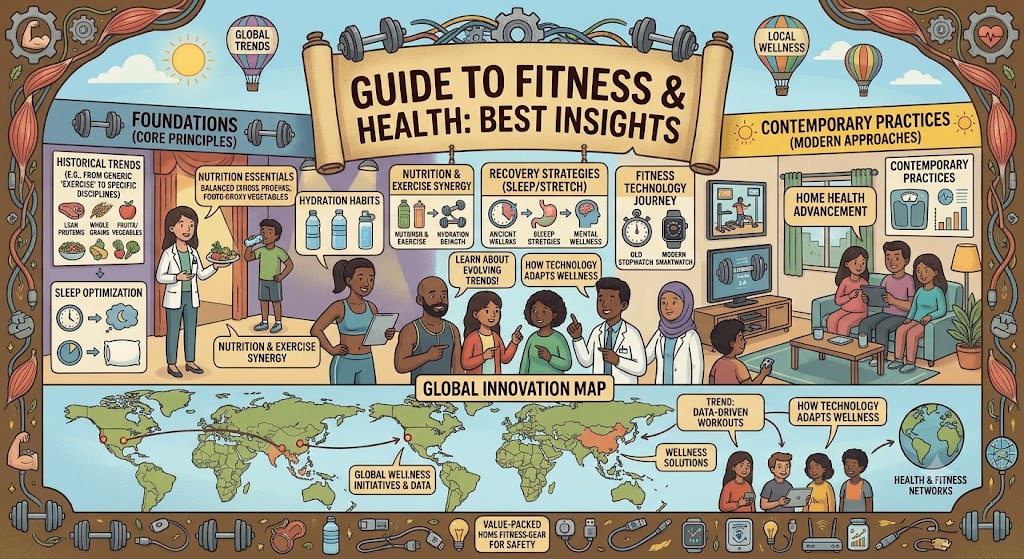
In a world where wellness trends appear daily, finding a clear, evidence-based roadmap can feel overwhelming. However, by breaking fitness and health into foundational pillars-nutrition, exercise, sleep, and mindset-you can craft a sustainable strategy that delivers lasting results. This guide will walk you through each pillar, provide actionable frameworks, and introduce tools that elevate your journey.
The Foundations of Fitness & Health
Nutrition: Fueling the Body’s Engine
First, consider food as the primary source of energy and repair. Because the body requires a balanced mix of macronutrients-carbohydrates, proteins, and fats-your meals should reflect that equilibrium. For example, a breakfast of oatmeal topped with berries and a spoonful of almond butter offers complex carbs, antioxidants, and healthy fats.
Exercise: Moving the Body Purposefully
Second, regular movement stimulates metabolic pathways and strengthens connective tissues. While cardio burns calories, strength training builds muscle mass, which in turn elevates resting metabolic rate. Consequently, a balanced routine should include both anaerobic and aerobic sessions.
Sleep: The Overnight Recovery Process
Third, sleep is the body’s natural restoration phase. During deep sleep, growth hormone levels peak, aiding muscle repair and immune function. Therefore, aim for 7-9 hours each night, and consider a pre-bed routine that limits blue light exposure.
Crafting a Personalized Fitness Plan
Goal Setting: Defining Clear Milestones
Begin by articulating specific, measurable objectives. For instance, “I will run a 5-k in 30 minutes within three months” is far more actionable than “I want to be fit.” Additionally, set short-term checkpoints to celebrate progress and maintain motivation.
Progress Tracking: Data-Driven Adjustments
Use a journal or digital app to log workouts, meals, and sleep metrics. Meanwhile, review your data weekly to identify patterns-such as a dip in energy after a high-carb day-and adjust accordingly. Ultimately, tracking transforms guesswork into informed decision-making.
Nutrition Deep Dive
Macronutrients: Building Blocks of Energy
Protein is essential for muscle repair; aim for 1.2-2.0 g per kilogram of body weight daily. Carbohydrates supply glycogen, fueling endurance activities, while fats support hormone production. Specifically, prioritize complex carbs (whole grains) over simple sugars to maintain stable blood glucose levels.
Micronutrients: The Vitamins & Minerals That Fine-Tune Health
Iron, calcium, and vitamin D are crucial for bone strength, whereas B-complex vitamins aid energy metabolism. Because deficiencies can manifest as fatigue or impaired performance, consider a multivitamin or targeted supplement if diet alone falls short. For example, a daily magnesium supplement can improve sleep quality and muscle relaxation.
Meal Timing: Aligning Intake with Activity
Pre-workout nutrition should include easily digestible carbs and moderate protein, such as a banana with Greek yogurt. Post-exercise, consume a protein-carb combo within 30 minutes to maximize glycogen replenishment. Additionally, spacing meals every 4-5 hours keeps metabolism steady and reduces overeating.
Exercise Strategies
Strength Training: Building Functional Power
Incorporate compound lifts-squats, deadlifts, bench presses-to engage multiple muscle groups simultaneously. Because compound movements are time-efficient, they fit well into busy schedules. For beginners, start with body-weight circuits before adding free weights.
Cardio: Enhancing Cardiovascular Health
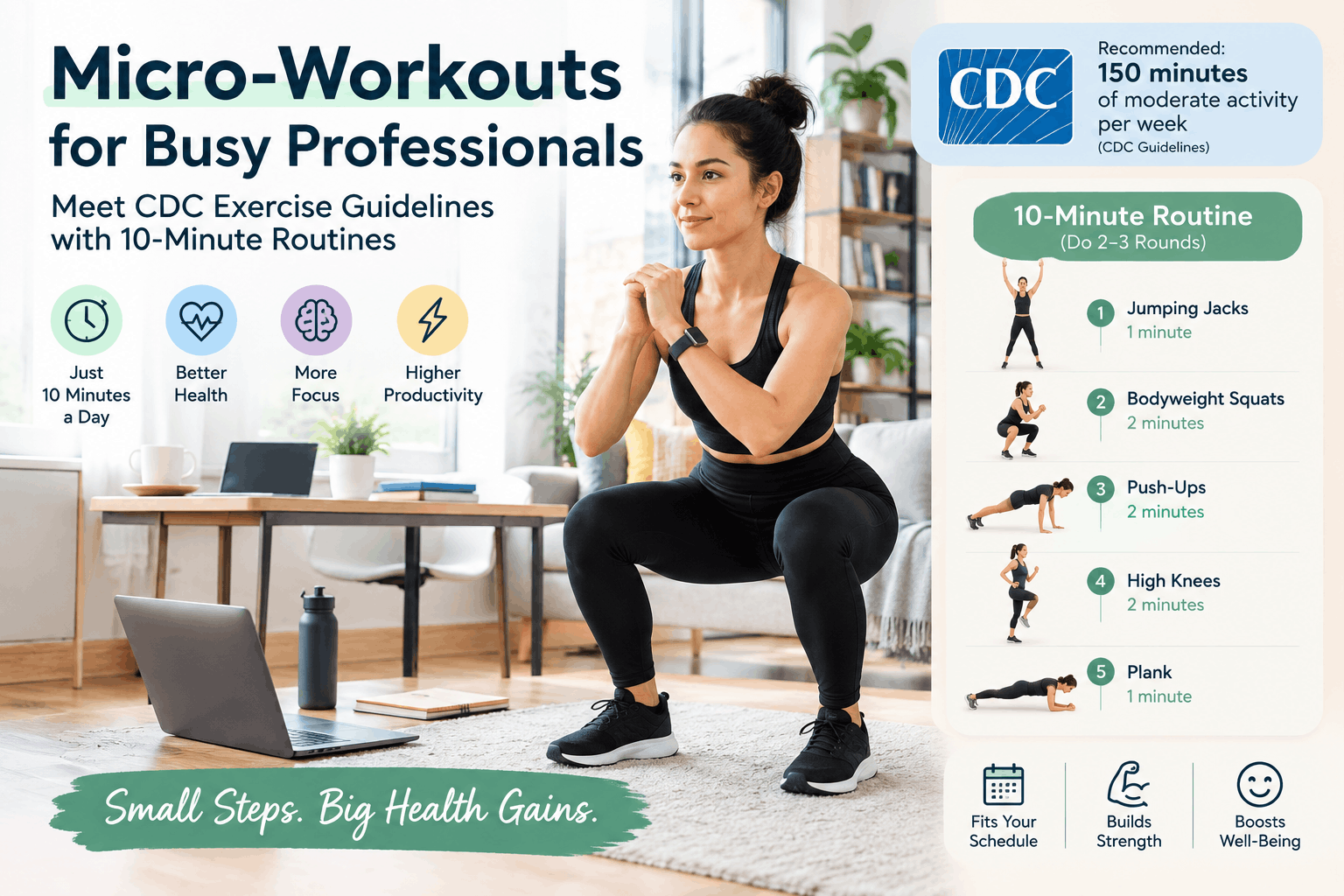
Interval training, such as 30-second sprints followed by a minute of walking, boosts VO₂ max more effectively than steady-state cardio. Moreover, outdoor sessions expose you to fresh air and natural light, which can elevate mood. Consequently, aim for at least 150 minutes of moderate cardio each week.
Flexibility & Recovery: Preventing Injury and Enhancing Performance
Dynamic stretching before workouts prepares muscles for activity, while static stretching afterward promotes flexibility. Additionally, incorporate active recovery days-like gentle yoga or walking-to facilitate blood flow. Ultimately, a balanced routine reduces the risk of overuse injuries.
Lifestyle & Mindset
Stress Management: The Invisible Performance Bottleneck
Chronic stress elevates cortisol, which can hinder muscle growth and increase fat storage. Techniques such as deep breathing, progressive muscle relaxation, or short mindfulness breaks during the day help regulate this hormone. Consequently, a calm mind supports a resilient body.
Social Support: The Power of Community
Training with a partner or joining a local fitness group can boost accountability. Moreover, sharing progress on social media or fitness forums provides external motivation. In contrast, solo workouts may lack the encouragement that drives consistency.
Habit Formation: Turning Intent into Routine
Use the “cue-routine-reward” loop to embed healthy behaviors. For example, place your running shoes by the door (cue), jog for 10 minutes (routine), and enjoy a protein shake (reward). By repeating this sequence, habits become automatic over time.
Tools & Resources
Wearables: Quantifying the Unseen
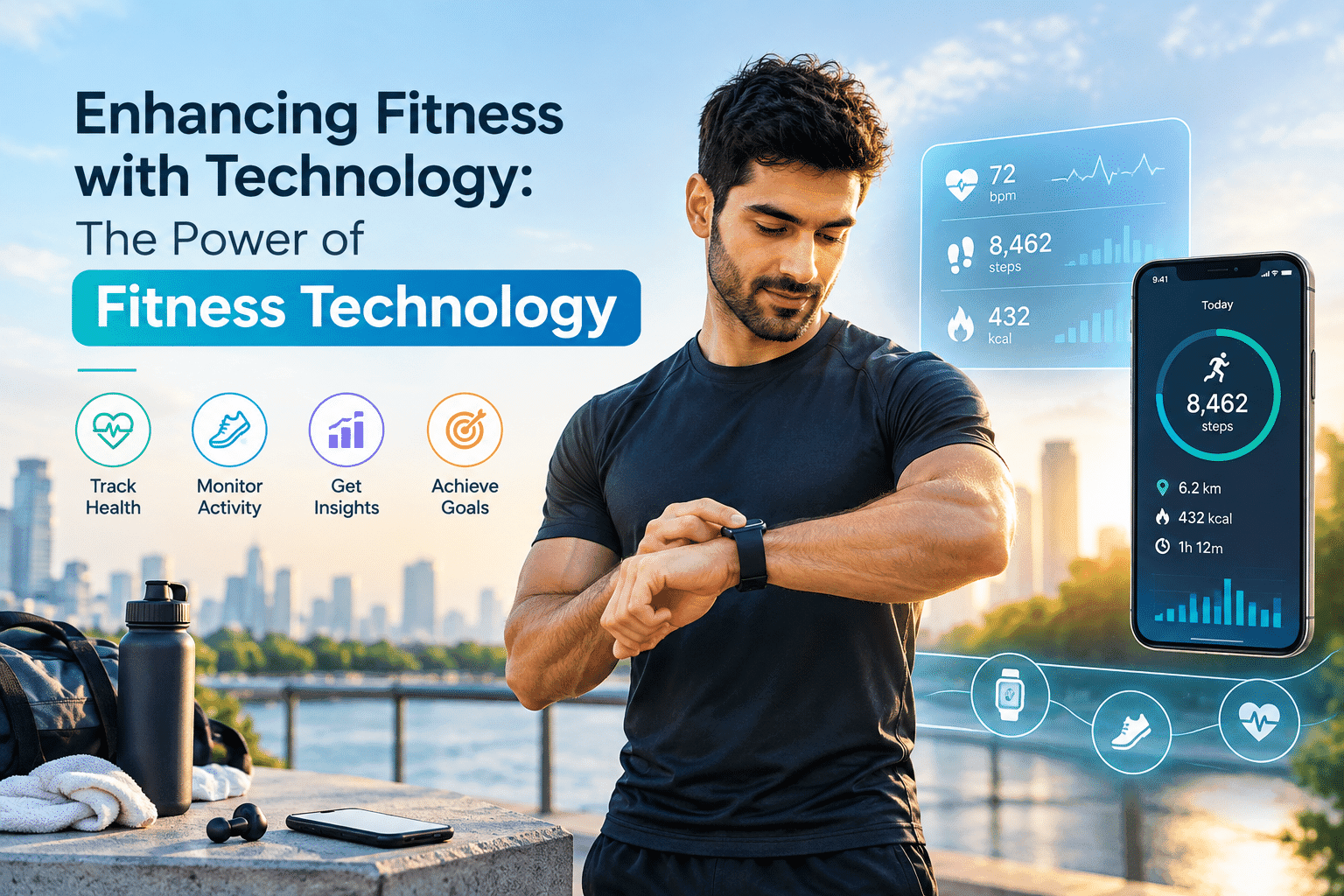
Smartwatches and fitness trackers monitor heart rate, sleep stages, and daily steps. Because data-driven insights can reveal hidden patterns-such as a dip in sleep quality after late-night workouts-you can make precise adjustments. For example, the wellness and fitness accessories on Amazon offer a range of trackers that integrate with popular health apps.
Apps: Digital Coaches at Your Fingertips
Apps like MyFitnessPal for calorie tracking or Strava for cycling logs provide real-time feedback. Additionally, meditation apps such as Headspace can support stress reduction. By combining nutrition, exercise, and mindfulness tools, you create a holistic ecosystem that supports every aspect of health.
Supplements: Enhancing Nutritional Gaps
While whole foods should remain the primary source of nutrients, supplements can bridge deficiencies. For instance, omega-3 capsules support joint health, and vitamin D supports bone density. However, always consult a healthcare professional before starting any new supplement regimen.
Home Gym Essentials: Creating a Dedicated Space
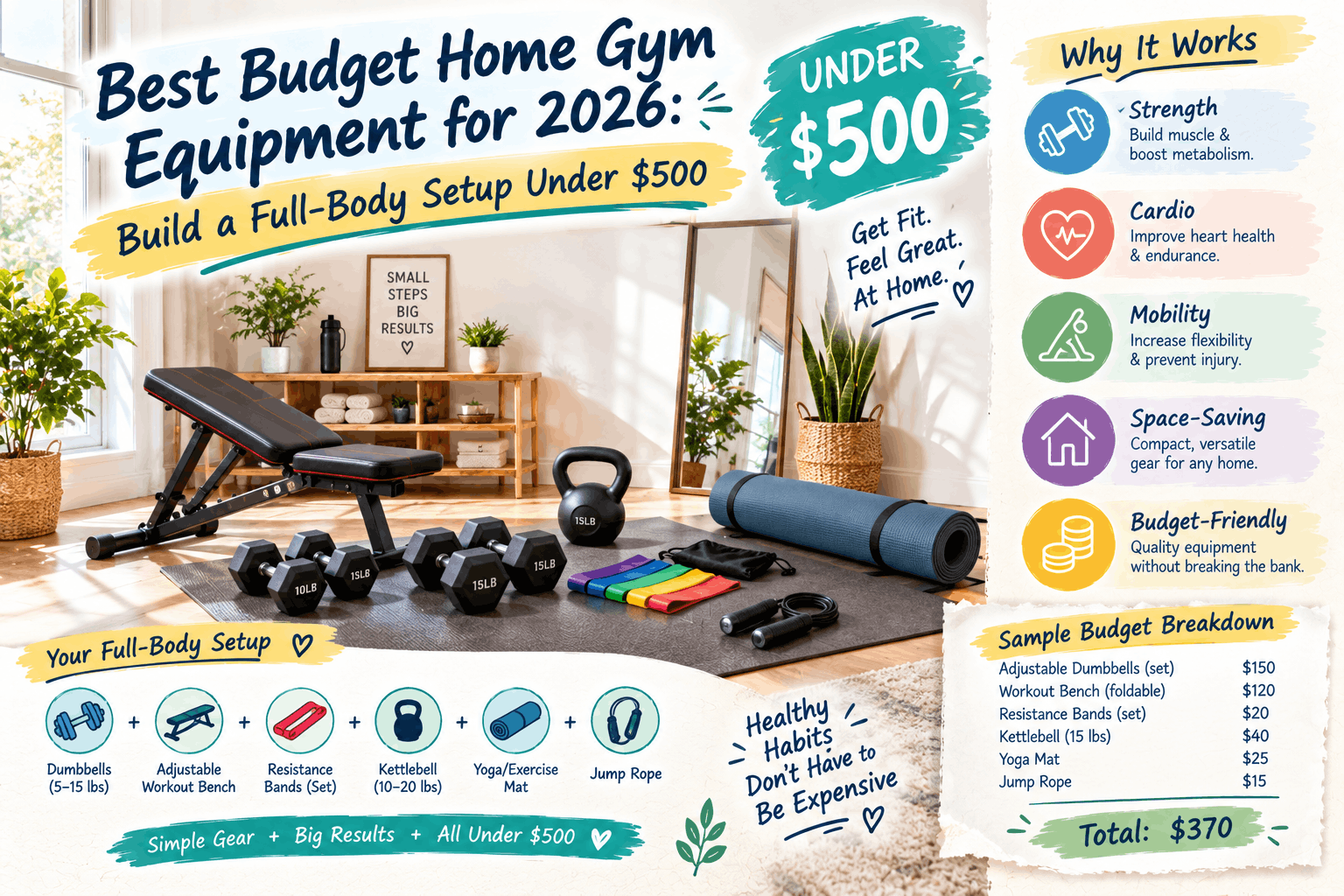
Invest in a sturdy yoga mat, adjustable dumbbells, and resistance bands. These items provide versatility for strength, flexibility, and cardio workouts. Additionally, a small piece of equipment like a foam roller can aid in muscle recovery. To keep the space motivating, consider adding a few decor items that inspire movement.
Meal Prep & Kitchen Tools: Making Nutrition Efficient
A high-quality blender or food processor simplifies smoothie preparation and portion control. Because time constraints often derail healthy eating, pre-chopped veggies and pre-measured protein packs save valuable minutes. For instance, the kitchen appliances on Amazon include multifunctional devices that streamline meal prep.
FAQ
- Q: How often should I change my workout routine?
A: Every 4-6 weeks, a slight variation keeps the body guessing and prevents plateaus. This could mean swapping squats for lunges or adding a new cardio modality.
- Q: Can I lose weight while building muscle?
A: Yes, but it requires careful caloric management-slight deficit with adequate protein intake ensures muscle preservation while fat loss occurs.
- Q: What’s the best post-workout snack?
A: A balanced mix of protein and simple carbs-such as a whey protein shake with a banana-helps replenish glycogen and kickstart muscle repair.
- Q: How can I stay motivated during a long training program?
Because motivation fluctuates, set micro-goals, celebrate small wins, and regularly revisit your “why.” Additionally, rotating workout types can keep sessions fresh.
- Q: Should I take supplements for better performance?
Because most people can meet nutritional needs through diet, supplements are optional. Focus on foundational foods first, then consider targeted supplements like creatine or BCAAs if you’re training intensely.
By integrating these evidence-based strategies, you create a dynamic, adaptable framework that supports both short-term gains and long-term wellness. Remember, the journey to fitness and health is a marathon, not a sprint. Therefore, treat each pillar-nutrition, exercise, sleep, mindset, and tools-as a critical component of a holistic system. Ultimately, consistency, curiosity, and self-compassion will carry you toward lasting success.
One thought on “Guide to Fitness & Health: Best Insights”
Comments are closed.