
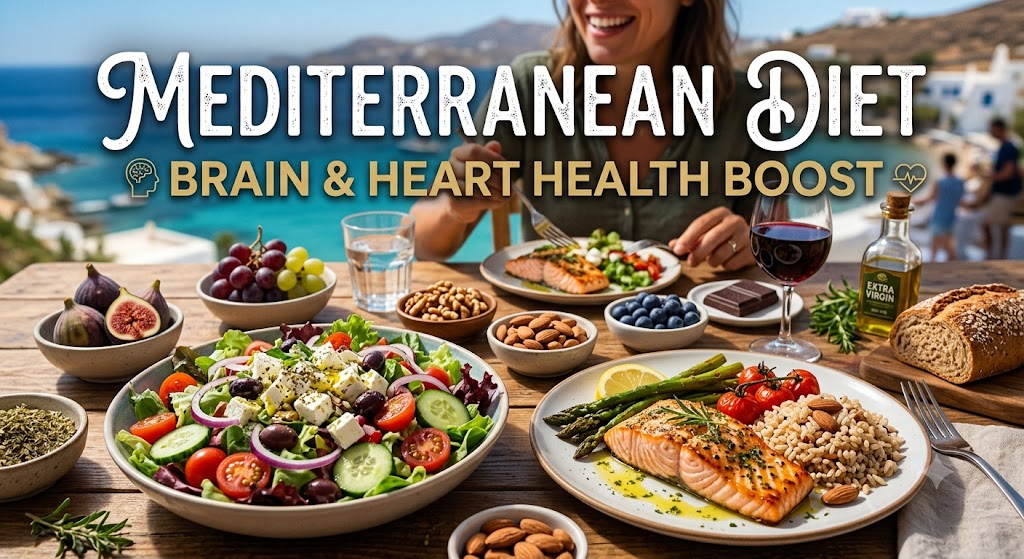
Mediterranean Diet: Brain & Heart Health Boost
Imagine a plate that tastes like a sunny afternoon in Italy, yet quietly fortifies your heart and sharpens your mind. That’s the Mediterranean diet, a culinary philosophy rooted in centuries of tradition and science. Because it balances wholesome fats, fresh produce, and lean proteins, many experts now champion it as the gold standard for long-term health. Consequently, this guide will walk you through its science, daily structure, and how to weave it into a hectic modern life.
What Is the Mediterranean Diet?
First, let’s define the Mediterranean diet. Historically, it mirrors the eating patterns of people living along the Mediterranean Sea, especially before the 1970s. In contrast to processed Western diets, it emphasizes whole foods, moderate wine, and minimal red meat. Therefore, the core pillars are fruits, vegetables, whole grains, legumes, nuts, seeds, olive oil, and fish.
Moreover, the diet is not a rigid recipe but a flexible framework. It encourages seasonal and regional variations, allowing you to tailor meals to local produce. Additionally, the Mediterranean lifestyle incorporates regular physical activity and social eating, which amplify its benefits.
Brain Health Benefits
First, the Mediterranean diet is renowned for its neuroprotective properties. Numerous studies show that higher adherence reduces the risk of Alzheimer’s and other dementias by up to 30%. Because the brain thrives on antioxidants, omega-3 fatty acids, and anti-inflammatory compounds, this diet supplies them in abundance.
Specifically, the diet’s high intake of omega-3s from fatty fish, such as sardines and mackerel, supports neuronal membrane fluidity. Meanwhile, polyphenols from extra-virgin olive oil and berries combat oxidative stress, preserving cognitive function. Consequently, individuals who follow the Mediterranean diet often report improved memory, faster reaction times, and a lower incidence of mood disorders.
Furthermore, the diet’s emphasis on complex carbohydrates from whole grains keeps blood sugar steady, preventing the glucose spikes that can impair brain health. In addition, the regular consumption of nuts, especially walnuts, supplies essential phospholipids that aid synaptic communication. Ultimately, the Mediterranean diet acts as a daily brain booster.
Heart Health Benefits
Turning to cardiovascular outcomes, the Mediterranean diet consistently outperforms other eating patterns. For example, the PREDIMED trial demonstrated a 30% reduction in major cardiovascular events among high-risk individuals. Because the diet is low in saturated fat and high in monounsaturated fats, it lowers LDL cholesterol while raising HDL levels.
Moreover, the diet’s rich supply of fiber from legumes and whole grains improves endothelial function, which is critical for blood vessel health. Additionally, the anti-inflammatory effects of olive oil and fish reduce arterial plaque formation. Consequently, heart attack and stroke rates decline among adherents.
In contrast, Western diets high in processed meats and refined sugars contribute to hypertension and metabolic syndrome. Therefore, adopting the Mediterranean diet is a proactive strategy to protect your heart without the need for medications. Ultimately, the Mediterranean approach offers a delicious, sustainable way to keep your heart beating strong.
Core Components & Daily Meal Plan
Now let’s break down the diet’s macronutrient targets. Approximately 70% of calories come from carbohydrates, 20% from healthy fats, and 10% from lean proteins. Because the focus is on quality, choose whole grains, plant-based proteins, and olive oil over refined starches and trans fats.
Below is a sample 2,000-calorie day that illustrates these ratios:
- Breakfast (400 cal) – Greek yogurt topped with fresh berries, a drizzle of honey, and a sprinkle of walnuts.
- Mid-morning Snack (150 cal) – A handful of almonds and an apple.
- Lunch (600 cal) – Quinoa salad with roasted vegetables, chickpeas, feta, and olive-oil vinaigrette.
- Afternoon Snack (150 cal) – Sliced cucumber with hummus.
- Dinner (700 cal) – Grilled salmon, sautéed spinach, and a side of farro.
- Evening Treat (100 cal) – Dark chocolate square (70% cacao).
Because this plan includes a variety of textures and flavors, it feels indulgent yet balanced. In addition, the inclusion of moderate wine-one glass for lunch or dinner-aligns with traditional Mediterranean customs and may further support heart health.
Practical Tips for Adopting the Diet
First, start with your pantry. Replace refined flours and sugars with whole-grain versions. For instance, swap white rice for brown rice or quinoa. Secondly, stock up on olive oil-extra-virgin is best. Use it for cooking, dressing, and finishing dishes.
Next, incorporate legumes into every meal. Beans, lentils, and chickpeas are inexpensive, protein-rich, and fiber-dense. For example, add a cup of lentils to soups or stir-fries. Additionally, plan your grocery list around seasonal produce; this keeps costs down and flavors fresh.
Moreover, invest in a good set of kitchen appliances to streamline cooking. A high-quality kitchen appliance kit can help you steam, sauté, and roast with minimal effort. Consequently, you’ll spend less time in the kitchen and more time enjoying meals.
Furthermore, keep healthy snacks on hand. A bag of healthy food snacks such as dried fruit, nuts, or dark chocolate will curb cravings without derailing your plan. Finally, remember to hydrate; water should be your primary beverage, complemented by herbal teas.
Common Myths Debunked
First, many believe the Mediterranean diet is too expensive. In reality, plant-based staples like beans, lentils, and seasonal vegetables are budget-friendly. Because you can buy in bulk and cook in batches, costs remain modest.
Second, some think the diet is low in protein. However, fish, poultry, dairy, and legumes provide ample high-quality protein. Additionally, the inclusion of nuts and seeds boosts amino-acid intake.
Third, people worry about the high fat content. Yet these are primarily monounsaturated and omega-3 fats, which are heart-friendly. Therefore, the diet’s fat profile is far healthier than saturated fats found in many processed foods.
In contrast, ignoring these myths may lead to unnecessary dietary restrictions. Consequently, embracing the Mediterranean approach can be both enjoyable and nutritionally complete.
Integrating Mediterranean Eating into a Busy Lifestyle
First, meal prep is your ally. Dedicate an hour on Sunday to cook large batches of grains, roast veggies, and grill fish. Store portions in airtight containers; this ensures you have ready-made meals throughout the week.
Additionally, use a wellness and fitness kit to keep your routine active. Simple exercises like walking, cycling, or short HIIT sessions can fit into a lunch break or after-work period.
Moreover, when traveling, look for Mediterranean-style restaurants or markets. Even in cities far from the sea, many eateries serve fresh salads, grilled fish, and whole-grain breads. Consequently, you can maintain the diet on the road without feeling deprived.
Finally, remember that the Mediterranean lifestyle values social eating. Host a potluck or join a community meal. By sharing food, you reinforce habits and build support networks, which are crucial for long-term adherence.
Frequently Asked Questions
1. Can I follow the Mediterranean diet if I’m vegetarian?
Yes. Focus on legumes, nuts, seeds, dairy, and eggs. Replace fish with fatty plant oils like flaxseed or hemp, and include fortified foods to meet omega-3 needs.
2. How much wine is considered moderate?
One glass (5 oz) per day for women and up to two glasses for men is the standard recommendation. If you have medical conditions, consult your doctor.
3. Does the diet require a strict calorie count?
Not necessarily. The emphasis is on food quality rather than exact numbers. However, if you’re tracking weight, a moderate calorie deficit can be achieved by portion control.
4. What if I’m on a tight budget?
Prioritize inexpensive staples like beans, lentils, eggs, and frozen vegetables. Buying in bulk and cooking from scratch can save money while keeping meals nutritious.
5. How long does it take to see benefits?
Many people notice improved energy and digestion within weeks, while heart and cognitive benefits accrue over months to years of consistent practice.
Takeaway: The Mediterranean Diet Is Your Dual-Benefit Ally
In summary, the Mediterranean diet is more than a trend-it’s a scientifically validated strategy that nurtures both brain and heart. By prioritizing whole foods, healthy fats, and active living, you can reduce the risk of chronic disease, sharpen cognition, and enjoy flavorful meals every day. Because the diet is flexible, affordable, and culturally rich, it offers a sustainable path to lifelong health.
One thought on “Mediterranean Diet: Brain & Heart Health Boost”
Comments are closed.