
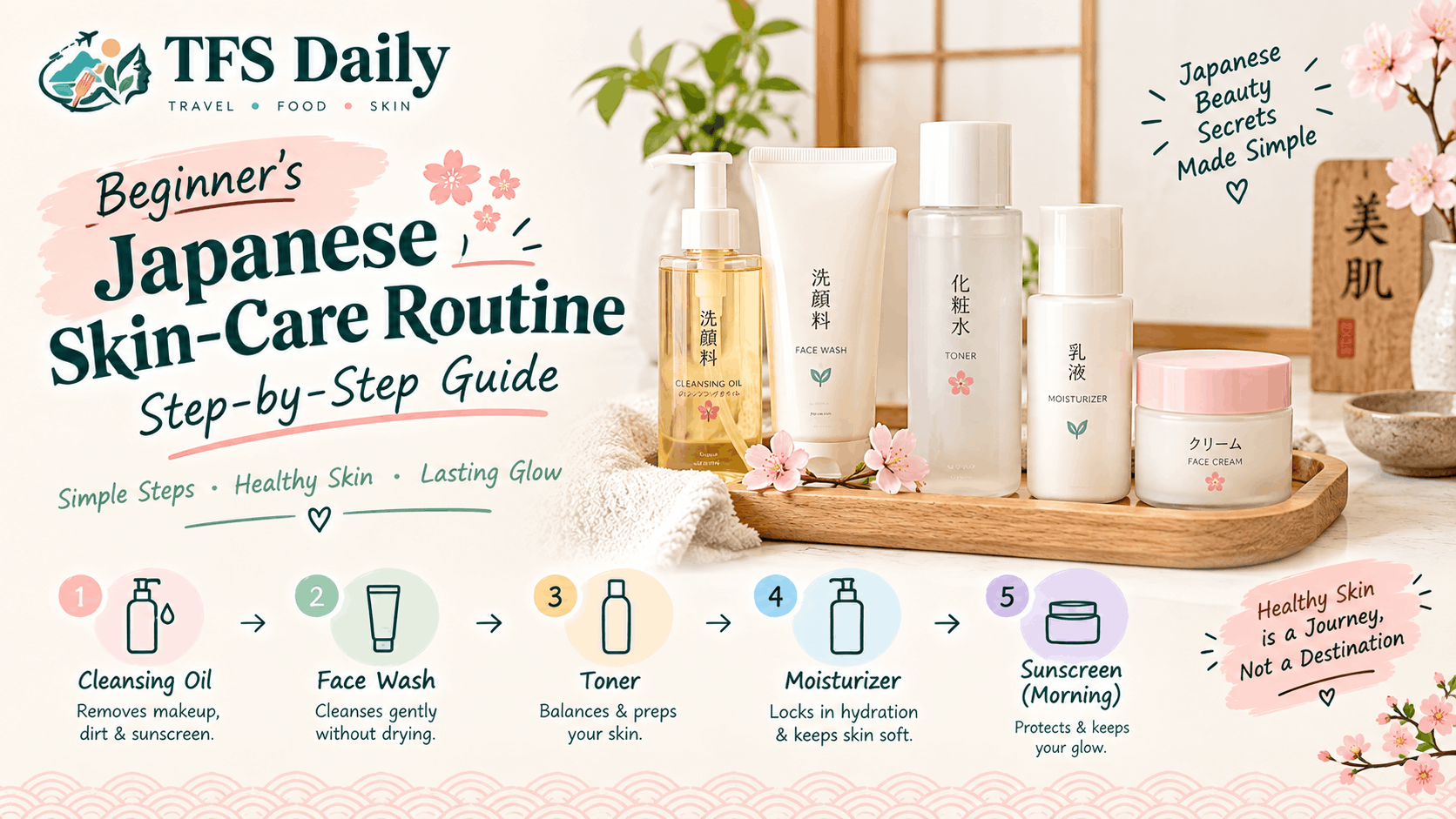
Japanese skin‑care has earned a reputation for luminous, well‑hydrated complexions that look effortlessly healthy. For women new to the world of layered routines, the method can feel daunting, but the core philosophy is simple: hydrate, protect, and layer gentle actives. This guide walks you through every step, from cultural background to product selection, so you can adopt a routine that fits your skin type, schedule and budget.
What Makes Japanese Skin‑Care Unique
Three ideas set Japanese skin‑care apart from many Western approaches.
- Cultural focus on hydration and barrier protection. Japanese beauty rituals prioritize a supple barrier that locks in moisture, rather than aggressive exfoliation or heavy occlusion.
- Emphasis on gentle, layered products. Rather than a single “all‑in‑one” formula, the routine builds moisture step by step, allowing each layer to absorb before the next.
- Historical roots in tea‑house and geisha beauty rituals. Centuries‑old practices such as rice‑water rinses, camellia oil massages and the use of fermented botanicals still inspire modern formulas.
Essential Steps of the Japanese Routine
Even a simplified version follows a predictable order.
- Double cleanse – oil‑based then water‑based.
- Apply toner or softener.
- Layer lotion or essence.
- Add serum or treatment.
- Seal with moisturizer.
- Finish with sunscreen (morning) or night cream (evening).
Morning Routine – Step‑by‑Step
Morning care prepares skin for UV exposure and daily stressors.
- Gentle water‑based cleanse. Use a foaming cleanser that removes overnight oil without stripping the skin.
- Pat‑on toner with hands. Japanese toners are often called “softeners.” Pour a few drops into the palm and press gently; this restores pH and adds a thin veil of hydration.
- Apply lightweight lotion/essence. Essence is a thin, hydrating liquid that delivers active ingredients deep into the epidermis. A popular choice is a Japanese hyaluronic‑acid essence.
- Targeted serum (brightening or anti‑aging). Choose a serum based on concern – vitamin C for radiance, niacinamide for tone, or a peptide blend for fine lines.
- Moisturizer suited to skin type. Gel‑type for oily skin, cream‑type for dry skin. The goal is a breathable barrier that locks in the previous layers.
- Broad‑spectrum sunscreen (minimum SPF30). Sunscreen is non‑negotiable. Look for a lightweight, non‑white‑cast formula that feels like a finishing serum. A recommended option is Japanese mineral sunscreen SPF50+.
Night Routine – Step‑by‑Step
Evening care focuses on removal of pollutants, repair and deep hydration.
- Oil‑based cleanse to remove makeup. A cleansing oil or balm dissolves sunscreen, foundation and sebum without friction.
- Follow with water‑based cleanser. This second cleanse eliminates residual oil and prepares the skin for actives.
- Pat‑on toner. Same technique as morning; a hydrating toner keeps the skin supple.
- Apply lotion/essence. The essence now works as a carrier for overnight actives.
- Serum or treatment (repair). Night‑only actives such as retinol‑alternative bakuchiol, ceramide‑rich repair serums, or overnight brightening formulas are ideal.
- Night cream or sleeping mask. A richer cream seals moisture; a sleeping mask can be swapped in 2–3 times a week for an extra boost.
- Optional eye cream. Pat a pea‑size amount around the orbital bone if you experience fine lines or puffiness.
Choosing the Right Products for Your Skin Type
Japanese brands offer textures that match every complexion. Below is a quick decision tree.
- Dry skin: Prioritize hydrating essences (e.g., fermented rice water), richer moisturizers with ceramides, and oil‑based cleansers that do not leave a tight feeling.
- Oily skin: Opt for lightweight gel lotions, mattifying toners with witch hazel, and oil‑free serums. Double‑cleansing remains essential to keep pores clear.
- Combination: Blend textures – start with a gel cleanser, follow with a watery essence, and finish with a cream‑light moisturizer on drier zones.
Key ingredients to look for:
- Hyaluronic acid – draws up to 1,000 times its weight in water.
- Niacinamide – improves barrier function and evens tone.
- Ceramides – rebuild the lipid matrix.
- Fermented botanicals – increase bioavailability of antioxidants.
If you’re on a budget, many Japanese drugstore lines (e.g., Hada Labo, Curel, and Muji) deliver the same actives at a fraction of premium prices.
Tips to Keep Your Routine Sustainable
Consistency beats perfection. These habits help you stay on track without feeling overwhelmed.
- Batch‑prep products for travel. Decant your favorite essence and serum into 30 ml travel bottles. This reduces clutter and ensures you never skip a step on the road.
- Use the “one‑hand” technique for quick layering. Hold the product in the palm of one hand, tap the other hand on the container, then press the mixture onto the face. It speeds up absorption and minimizes waste.
- Store products in a cool, dry place. Heat degrades vitamin C and retinol‑alternatives. A bathroom cabinet away from the shower is ideal.
- Adjust steps seasonally. In humid summer, swap a heavy night cream for a gel‑type sleeping mask; in dry winter, add an extra layer of oil‑rich lotion.
- Track progress with a skin journal. Note product names, application times, and how your skin feels. Over weeks you’ll spot patterns and know when to introduce or retire an ingredient.
Common Mistakes & FAQs
Skipping sunscreen despite indoor work
Even windows filter out only part of UVB. UVA penetrates glass and accelerates collagen loss. Apply sunscreen as the final morning step, regardless of office lighting.
Over‑exfoliating or using too many actives
Japanese routines rarely rely on harsh scrubs. Limit chemical exfoliants (AHA/BHA) to 1–2 times per week and avoid pairing them with strong retinol‑alternatives on the same night.
Using products with conflicting pH levels
Acidic serums (pH 3‑4) should follow a neutral or slightly acidic toner (pH 5‑6). Applying a high‑pH astringent after an acid serum can neutralize benefits and irritate the barrier.
How often should I double cleanse?
Double cleansing is recommended on makeup‑heavy days and evenings when you’ve been outdoors. On minimalist makeup days, a single gentle cleanser may suffice.
Can I skip the essence if I’m short on time?
Essence is a lightweight hydration step; if you’re rushed, a hydrating moisturizer with similar actives can substitute, but you’ll miss the layered texture that promotes deeper absorption.
Is a “one‑step” Korean product a replacement for the Japanese routine?
One‑step products can be convenient, yet they often bundle actives at higher concentrations, which may increase irritation for beginners. The Japanese layered approach offers more control and lower risk of overload.
Conclusion
Adopting a Japanese skin‑care routine is less about buying every new product and more about embracing a philosophy of hydration, gentle layering and sun protection. By following the step‑by‑step morning and night guides, selecting ingredients that suit your skin type, and staying consistent with sustainable habits, you’ll gradually see a clearer, more radiant complexion. Remember: the routine evolves with your skin, the seasons and your lifestyle—listen to your barrier, adjust as needed, and enjoy the ritual of caring for your skin each day.

3 thoughts on “Beginner’s Japanese Skin‑Care Routine: Step‑by‑Step Guide”
Comments are closed.