
Introduction – Why Fiber Matters for Longevity
In the modern pursuit of healthspan and longevity, wellness trends often champion complex biohacks, expensive supplements, and extreme metabolic therapies. However, extensive nutritional epidemiology consistently reveals that one of the most effective interventions for extending human lifespan is remarkably simple and accessible: increasing your daily intake of dietary fiber.
Substantial evidence indicates that populations consuming high-fiber diets suffer significantly lower rates of cardiovascular disease, metabolic disorders, neurodegenerative conditions, and all-cause mortality. Yet, modern Western diets are notoriously deficient in plant foods, leaving an estimated 95% of adults in a chronic state of fiber deficit. Nutritionists and longevity researchers refer to this widespread shortfall as the “fiber gap.” While the average adult consumes a meager 15 grams of fiber per day, optimal human biology evolved to thrive on at least double to triple that amount.
Understanding fiber for longevity is not merely about managing digestion or maintaining regularity; it is about providing the essential biochemical substrate for your gut microbiome, dampening systemic inflammation, regulating cellular senescence, and preserving cardiovascular integrity over decades. This comprehensive guide breaks down the clinical science behind fiber, explores its distinct functional categories, establishes accurate daily intake targets, and delivers actionable strategies to transform your long-term health span.
Understanding Dietary Fiber: Types and Functions
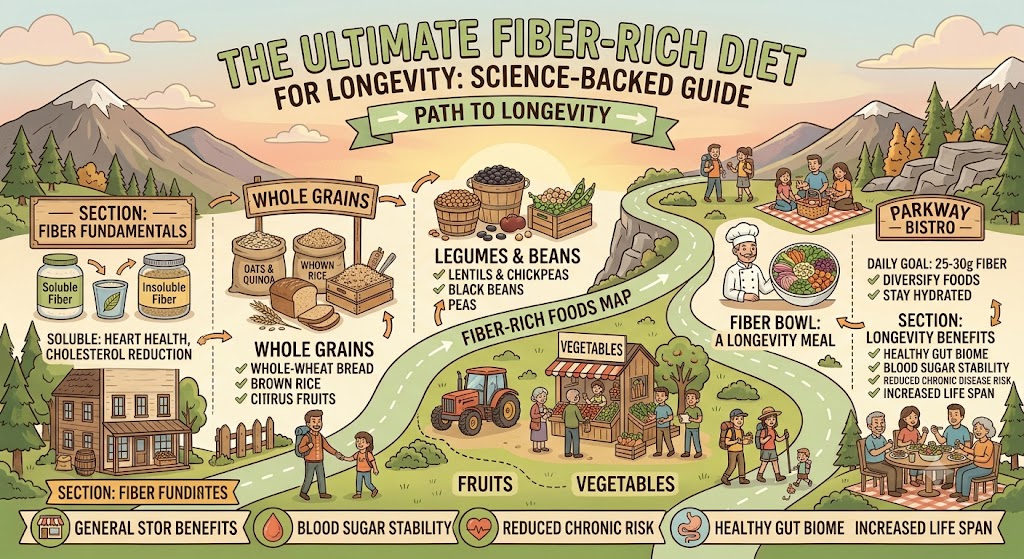
Dietary fiber consists of non-digestible carbohydrates and lignin naturally present in plant foods. Unlike simple sugars or complex starches, the human upper gastrointestinal tract lacks the digestive enzymes required to break down fiber’s chemical bonds. Consequently, fiber passes relatively intact into the large intestine, where it exerts unique physiological and biochemical effects. Dietary fiber is broadly classified into three primary functional categories:
1. Soluble Fiber
Soluble fiber dissolves in water to form a viscous, gel-like substance inside the digestive tract. This gel slows down gastric emptying and decelerates the absorption of glucose into the bloodstream, preventing sharp glycemic spikes. Furthermore, soluble fiber binds to cholesterol-rich bile acids in the intestine, facilitating their excretion and forcing the liver to draw LDL cholesterol from the blood to synthesize fresh bile acids. Rich sources of soluble fiber include oats, barley, legumes, apples, psyllium, and citrus fruits.
2. Insoluble Fiber
Insoluble fiber does not dissolve in water. Instead, it adds physical bulk to the stool and accelerates transit time through the intestinal tract. By stimulating peristalsis and mechanical stretch receptors in the gut wall, insoluble fiber promotes regular bowel movements, prevents diverticular disease, and assists in the rapid clearance of potential carcinogens and toxic metabolic byproducts. Key sources include wheat bran, whole grains, nuts, seeds, cauliflower, green beans, and root vegetable skins.
3. Prebiotic Fiber & Resistant Starch
Prebiotic fibers and resistant starches are specialized non-digestible carbohydrates that resist standard enzymatic breakdown in the small intestine and serve as selective fuel for beneficial gut microbes. Resistant starches act similarly to soluble fiber but undergo rapid fermentation in the colon. As friendly bacteria digest these substrates, they produce essential compounds that regulate immune signaling, metabolic homeostasis, and genetic expression throughout the body. Excellent sources include raw green bananas, cooked-and-cooled potatoes or rice, chicory root, garlic, onions, and Jerusalem artichokes.
The Science: How Fiber Impacts Lifespan
The relationship between high dietary fiber intake and extended lifespan is backed by robust meta-analyses and mechanistic biological research. A landmark meta-analysis published in The Lancet analyzed decades of observational studies and clinical trials, concluding that individuals with the highest fiber intake experienced a 15% to 30% reduction in all-cause mortality, cardiovascular death, stroke, incidence of type 2 diabetes, and colorectal cancer compared to those with the lowest intake.
The biochemical mechanisms linking fiber consumption to prolonged cellular lifespan operate across several key physiological pathways:
1. Microbial Short-Chain Fatty Acid (SCFA) Production
When gut bacteria ferment prebiotic fibers, they generate Short-Chain Fatty Acids—primarily butyrate, acetate, and propionate. Butyrate serves as the primary energy substrate for colonocytes (the cells lining the colon), maintaining the structural integrity of the gut barrier. A robust gut barrier prevents systemic endotoxemia—the leaking of bacterial lipopolysaccharides (LPS) into the bloodstream, which otherwise triggers chronic systemic inflammation.
2. Suppression of Chronic Low-Grade Inflammation (“Inflammaging”)
Systemic low-grade inflammation is a primary driver of biological aging and age-related disease development, a phenomenon known as inflammaging. SCFAs absorbed into circulation act as signaling molecules that bind to G-protein-coupled receptors (GPCRs) on immune cells. This binding inhibits nuclear factor kappa B (NF-κB) signaling pathways, resulting in a marked downregulation of pro-inflammatory cytokines such as IL-6, TNF-α, and C-reactive protein (CRP).
3. Metabolic and Epigenetic Regulation
Propionate and acetate play critical roles in liver metabolism and central appetite regulation. Propionate suppresses hepatic gluconeogenesis and cholesterol synthesis, while acetate crosses the blood-brain barrier to trigger hypothalamic satiety pathways. Furthermore, butyrate functions as a potent histone deacetylase (HDAC) inhibitor. By modulating chromatin structure, butyrate influences gene expression patterns that promote tumor suppression, enhance oxidative stress resistance, and improve insulin sensitivity.
Recommended Daily Fiber Intake by Age and Gender
Nutritional guidelines established by authorities such as the Institute of Medicine (IOM) and USDA define daily fiber recommendations based on calorie intake, setting the baseline standard at 14 grams of fiber per 1,000 calories consumed. However, emerging longevity research suggests that exceeding these baseline targets yields superior cardiometabolic and anti-inflammatory protections.
The table below summarizes standard medical intake guidelines compared to ideal target intakes optimized for longevity and metabolic resilience:
| Demographic Group | Standard Baseline Intake (g/day) | Optimal Longevity Target (g/day) |
|---|---|---|
| Adult Females (Ages 19–50) | 25g | 35g–40g |
| Adult Males (Ages 19–50) | 38g | 45g–50g |
| Females (Ages 51+) | 21g | 30g–35g |
| Males (Ages 51+) | 30g | 40g–45g |
| Children & Teens (Ages 9–18) | 22g–31g | 30g–35g |
To put these metrics into perspective, hunter-gatherer populations operating on ancestral plant-rich diets routinely consumed between 70 and 100 grams of fiber per day without adverse gastrointestinal effects. Transitioning from the modern baseline of 15g toward the optimal longevity target of 35g to 50g daily represents one of the single most impactful dietary choices an individual can make.
Top High‑Fiber Foods for Every Meal
Reaching an optimal daily fiber threshold requires prioritizing whole, minimally processed plant foods across every food group. Incorporating nutrient-dense, fiber-rich ingredients into daily meals ensures a balanced mix of soluble, insoluble, and fermentable fibers.
1. Legumes & Pulses
- Lentils (cooked): 15.5g per cup
- Black Beans (cooked): 15.0g per cup
- Chickpeas (cooked): 12.5g per cup
- Split Peas (cooked): 16.3g per cup
2. Seeds & Nuts
- Chia Seeds: 10.0g per ounce (2 tbsp)
- Flaxseeds (ground): 5.6g per 2 tbsp
- Pumpkin Seeds: 5.0g per ounce
- Almonds: 3.5g per ounce
3. Berries & Fruits
- Raspberries: 8.0g per cup
- Blackberries: 7.6g per cup
- Pears (with skin): 5.5g per medium fruit
- Avocado: 10.0g per cup (cubed)
4. Whole Grains & Pseudograins
- Steel-Cut Oats (cooked): 5.0g per cup
- Quinoa (cooked): 5.2g per cup
- Pearled Barley (cooked): 6.0g per cup
- Air-Popped Popcorn: 3.5g per 3 cups
5. Vegetables & Tubers
- Artichokes (cooked): 9.6g per medium artichoke
- Brussels Sprouts (cooked): 4.1g per cup
- Broccoli (cooked): 5.1g per cup
- Sweet Potato (with skin): 3.8g per medium potato
Building a Fiber‑Rich Meal Plan
Transitioning to a diet optimized for fiber and longevity does not require restrictive measures or unpalatable meals. The following sample 3-day meal plan demonstrates how to systematically hit 40+ grams of diverse dietary fiber daily through standard whole foods.
Day 1: Total Fiber ~ 44g
- Breakfast: 1 cup cooked steel-cut oats topped with 1 cup raspberries, 2 tbsp chia seeds, and a handful of chopped walnuts (18g fiber).
- Lunch: Mediterranean Chickpea Bowl with 1 cup chickpeas, cucumber, cherry tomatoes, kalamata olives, diced avocado, and red onion over 1 cup quinoa (16g fiber).
- Dinner: Roasted salmon with 1 cup steamed broccoli and 1 medium baked sweet potato with skin (9g fiber).
- Snack: 1 ounce almonds and an apple (7g fiber).
Day 2: Total Fiber ~ 42g
- Breakfast: Green longevity smoothie blended with 2 cups spinach, 1/2 avocado, 1 cup frozen blackberries, 2 tbsp ground flaxseed, and unsweetened almond milk (16g fiber).
- Lunch: Lentil soup (1.5 cups) paired with a side green salad topped with pumpkin seeds and a slice of whole-grain rye sourdough bread (15g fiber).
- Dinner: Tofu stir-fry with 1 cup Brussels sprouts, sugar snap peas, carrots, and bell peppers served over brown rice (8g fiber).
- Snack: Pear with 2 tbsp pumpkin seeds (7g fiber).
Day 3: Total Fiber ~ 46g
- Breakfast: Savory breakfast bowl featuring 1 cup cooked quinoa, 1/2 cup black beans, wilted kale, poached egg, and salsa (14g fiber).
- Lunch: Whole-wheat wrap filled with hummus, shredded red cabbage, carrots, falafel, and mixed greens (13g fiber).
- Dinner: Chili made with kidney beans, black beans, diced tomatoes, ground turkey or tempeh, served with 1 steamed artichoke on the side (15g fiber).
- Snack: 3 cups air-popped popcorn topped with nutritional yeast (4g fiber).
Fiber and Specific Health Benefits
The biochemical mechanisms of fiber extend protection across multiple biological systems, directly combating the primary chronic conditions associated with aging.
1. Cardiovascular Disease Prevention
Soluble viscous fibers act as natural hypolipidemic agents. By interrupting the enterohepatic circulation of bile acids, fiber lowers systemic concentrations of atherogenic ApoB-containing lipoproteins and LDL-C. Clinical trials show that consuming 5 to 10 grams of soluble viscous fiber daily reduces LDL cholesterol by 5% to 11%. Additionally, microbial SCFA production improves vascular endothelial function and reduces blood pressure by reducing vascular resistance.
2. Glycemic Control and Metabolic Health
Fiber alters intestinal chyme viscosity, delaying carbohydrate digestion and slowing glucose absorption. This blunts postprandial blood glucose spikes and reduces total insulin demand on pancreatic beta cells over time. Long-term studies show that higher fiber intake directly restores peripheral insulin sensitivity, substantially mitigating the risk of metabolic syndrome and Type 2 diabetes.
3. Colorectal Cancer and Gut Integrity
Fiber reduces cancer risk through physical and biochemical actions. Insoluble fiber dilutes luminal carcinogens and decreases transit time, minimizing colonic mucosal contact with harmful agents. Simultaneously, microbial fermentation yields butyrate, which exhibits direct antineoplastic properties by arresting the cell cycle and inducing apoptosis in malignant epithelial cells.
4. Neuroprotection and the Gut-Brain Axis
The gut-brain axis relies heavily on microbial metabolites to maintain neuro-immunological stability. SCFAs cross the blood-brain barrier, where they promote tight junction protein expression, reinforcing barrier integrity against inflammatory toxin penetration. SCFAs also regulate microglial cell function, curbing neuroinflammation associated with age-related cognitive decline, Alzheimer’s disease, and Parkinson’s disease.
Common Myths & Mistakes About Fiber
Despite clear scientific consensus on the health benefits of fiber, several misapprehensions and dietary errors prevent individuals from achieving maximum health benefits.
Myth 1: “Fiber is Only Useful for Digestive Regularity”
While insoluble fiber improves bowel motility, the metabolic, immunomodulatory, and epigenetic benefits of prebiotic soluble fiber are far more significant for long-term health span and longevity.
Myth 2: “Fiber Supplements Are Identical to Whole Foods”
Isolated fiber supplements like psyllium husk or methylcellulose offer targeted therapeutic benefits, but they lack the cellular matrix, polyphenols, micronutrients, and structural diversity of intact plant foods. Whole foods deliver a synergistic spectrum of fibers that nourish diverse bacterial species across different regions of the gut.
Myth 3: “Low-Carb Diets Are Incompatible with High Fiber Intake”
Many individuals on carbohydrate-restricted diets mistakenly reduce fiber intake. Fiber consists of non-digestible carbohydrates that do not stimulate insulin or disrupt ketosis. High-fiber, low-glycemic plant choices like avocado, chia seeds, flaxseeds, leafy greens, and non-starchy cruciferous vegetables fit easily into low-carbohydrate nutrition plans.
Myth 4: “Increasing Fiber Instantly Improves Gut Health Without Side Effects”
Rapidly increasing fiber intake without allowing the gut microbiome to adapt can cause significant GI distress, including severe bloating, abdominal cramping, and excess flatulence. Microbial populations require time to shift, upregulate fermentation pathways, and safely handle increased substrate loads.
Practical Tips to Increase Fiber Without Discomfort
To transition safely toward a high-fiber lifestyle while avoiding gastrointestinal discomfort, implement the following clinical guidelines:
- Scale Intake Gradually: Increase total daily intake by 3 to 5 grams per week. This measured approach gives your gut microbiome and digestive apparatus adequate time to adapt.
- Significantly Increase Water Intake: Soluble fiber absorbs substantial amounts of water to form intestinal gels. If fiber intake increases without adequate fluid intake, stool can become dense, causing constipation or impaction. Aim for 2.5 to 3.5 liters of fluid daily.
- Soak and Sprout Legumes: Soaking dried beans, lentils, and seeds overnight breaks down oligosaccharides like raffinose, which are notorious for causing gas and bloating. Sprouting further degrades these compounds while increasing nutrient bioavailability.
- Prioritize Food Diversity: Aim to consume at least 30 distinct plant species per week. Microbiome diversity correlates directly with dietary plant diversity, enhancing long-term gut resilience.
- Utilize Digestive Enzymes if Needed: During early stages of fiber scaling, supplemental alpha-galactosidase enzymes can help break down complex carbohydrates in legumes and cruciferous vegetables, minimizing temporary gas formation.
FAQs – Quick Answers to Reader Questions
How long does it take for the gut microbiome to adapt to a high-fiber diet?
Microbial community shifts begin within 24 to 48 hours of altering dietary fiber input. However, structural adaptation of the gut lining and full microbial colonization typically takes 3 to 6 weeks of consistent high-fiber intake.
Can you eat too much fiber?
While rare from whole food sources alone, consuming excess fiber (exceeding 70g–80g per day) alongside inadequate fluid intake can cause nutrient malabsorption by binding essential minerals like zinc, magnesium, calcium, and iron. It can also lead to intestinal blockages or severe diarrhea.
Are cooked vegetables better than raw vegetables for fiber content?
Cooking does not destroy dietary fiber. While heat breaks down cell structures and alters physical texture, total fiber content remains stable. Cooking actually concentrates fiber per volume by reducing water content, making cooked vegetables easier on sensitive digestive systems.
Does fiber slow down protein absorption?
Fiber slows overall gastric emptying, resulting in a steady, prolonged release of amino acids into the bloodstream rather than blunting total protein absorption. This sustained release supports muscle protein synthesis and promotes long-lasting satiety.
Conclusion – Your Actionable Roadmap to a Longer, Healthier Life
Optimizing your dietary fiber intake is one of the most effective, science-backed strategies for promoting longevity, preventing chronic disease, and cultivating a resilient gut microbiome. By systematically elevating your daily consumption of intact plant foods, you target key biological pathways responsible for inflammation, metabolic health, and cellular aging.
Achieving a high-fiber lifestyle does not require radical dietary overhauls overnight. Begin by assessing your current daily fiber intake, gradually adding 5 grams per week from diverse whole plant sources, and maintaining adequate hydration. Prioritize lentils, berries, chia seeds, dark leafy greens, and whole grains across your daily meals. By making dietary fiber a central priority today, you invest directly in a longer, healthier, and more vibrant future.


2 thoughts on “The Ultimate Fiber‑Rich Diet for Longevity: Science‑Backed Guide”
Comments are closed.