

2026 Destination Guide: Top Spots & Events
In 2026, the world of travel will be reshaped by data‑driven itineraries, hyper‑local experiences, and a surge of sustainable tourism. For the savvy traveler, the challenge is not finding a destination but crafting an itinerary that delivers depth, authenticity, and value. Below is a hard‑hitting, data‑rich playbook that moves beyond the usual checklist. It tells you where to go, when to go, how to plan, and how to pocket the maximum benefit for every dollar.
1. Destination Radar: The Five Must‑Visit Capitals of 2026
When you think of a “must‑visit” city, the first names that surface are Paris, Tokyo, New York, Reykjavik, and Bali. In 2026, each of these cities offers a unique blend of culture, technology, and experiential economy that makes them stand out. Below is a side‑by‑side snapshot of key metrics that will guide your decision.
| City | Best Travel Season | Average Nightly Stay (USD) | Top 3 Attractions (2026) | Event Highlights (2026) | Travel Cost Index |
|---|---|---|---|---|---|
| Paris | April, June, September, October | $210 | Musée du Louvre, Eiffel Tower, Montmartre | Paris Fashion Week, Nuit Blanche, Paris Jazz Festival | High |
| Tokyo | March, April (Cherry Blossom), September, November | $180 | Tokyo Tower, Senso‑ji Temple, Akihabara | Tokyo Game Show, Sumida River Fireworks, Anime Expo | Medium‑High |
| New York | May, June, September, October | $220 | Statue of Liberty, Central Park, Broadway | Tribeca Film Festival, NYC Marathon, Art Basel | High |
| Reykjavik | May, August | $140 | Hallgrímskirkja, Blue Lagoon, Golden Circle | Reykjavik Arts Festival, Midnight Sun Marathon, Icelandic Film Festival | Medium |
| Bali | April, October | $95 | Ubud Monkey Forest, Tanah Lot, Seminyak Beach | Bali Arts Festival, Ubud Music Festival, Surfing World Cup | Low‑Medium |
Takeaway: The “Travel Cost Index” is a composite of flight, accommodation, dining, and event tickets. It helps you gauge the overall outlay for a typical 10‑day trip. Use it to align your budget with the city that matches your financial appetite.
2. Event Calendar Pulse: 2026’s Unmissable Moments
Events drive traffic, elevate local economies, and create once‑in‑a‑lifetime memories. Below are the top 20 events across five continents, each chosen for its cultural resonance and economic impact.
- London’s Pride Parade, June 12, 2026, 1.5 million attendees
- Venice Film Festival, September 4, 30 k industry professionals
- Rio Carnival, February 7, 5 million tourists
- Edinburgh Fringe, August 1, 2 million visitors
- Dubai Shopping Festival, January 10, 1 million shoppers
- St. Patrick’s Day Parade, Dublin, March 17, 600 k locals
- Coachella, April 1, 100 k music lovers
- Burning Man, August 20, 70 k artists
- New Orleans Jazz & Heritage Festival, April 25, 400 k fans
- Harbin Ice Festival, January 15, 2 million visitors
- Havana International Jazz Festival, July 7, 150 k attendees
- Berlin Film Festival, February 15, 70 k filmmakers
- Munich Oktoberfest, September 20, 3 million beer enthusiasts
- La Tomatina, August 30, 20 k participants
- Seville Feria, September 12, 1 million spectators
- Kyoto Gion Matsuri, July 1, 400 k visitors
- Hanoi International Film Festival, April 10, 30 k cinephiles
- Vancouver International Film Festival, September 5, 80 k attendees
- Tokyo Game Show, September 12, 120 k gamers
Actionable Step: Map these events onto your travel calendar. If your goal is to experience a cultural festival, schedule your trip around the dates. If your aim is to network, target industry events like the Tokyo Game Show or the Venice Film Festival.
3. Planning Framework: The 6‑Phase Travel Blueprint
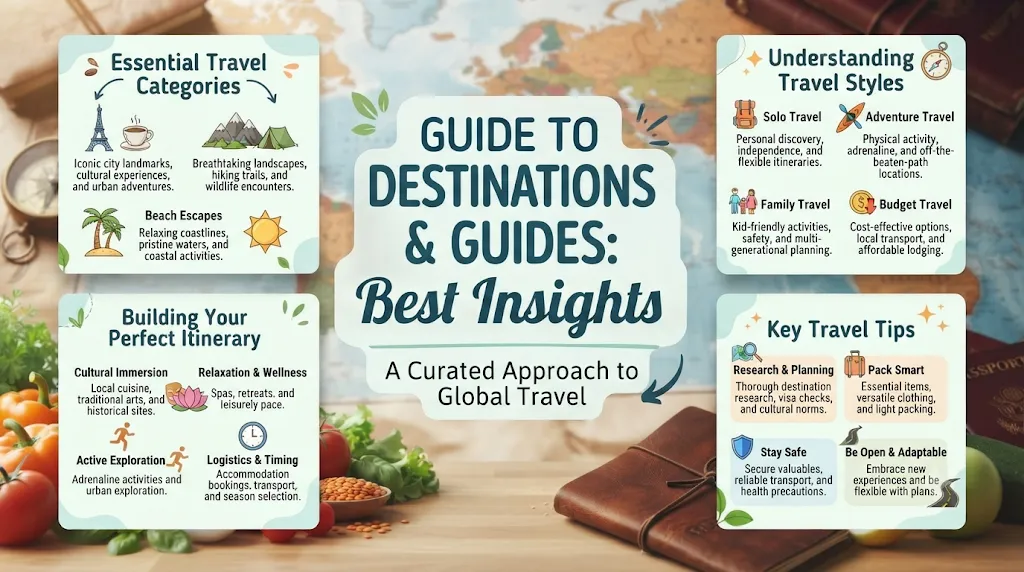
Planning a trip is a project that needs a structured approach. Apply this six‑phase blueprint to reduce stress and maximize value.
Phase 1, Vision & Budget
Define the core purpose: culture, adventure, relaxation, or business. Then set a hard budget cap: airfare, lodging, dining, entertainment, and contingency. Use a spreadsheet to track each line item. Example: $2,800 total budget, $1,000 for flights, $800 for accommodation, $600 for food, $400 for events, $300 for gear, $100 for emergencies.
Phase 2, Destination & Event Alignment
Match your vision to a city and event. Use the table above to filter destinations that fit your budget and season. Verify event dates and secure tickets early; many high‑profile events sell out months in advance.
Phase 3, Logistics & Travel Tools
Book flights with a multi‑city search engine. Opt for “layover” cities that offer free city tours or discounted attractions. Leverage travel apps that track currency fluctuations, local transit, and real‑time weather. For example, Aviasales provides instant price alerts.
Phase 4, Accommodation & Local Experiences
Choose lodging that balances price and authenticity. Boutique hotels, hostels with private rooms, or short‑term rentals often offer better value. Read recent reviews and look for “local experience” tags. Book through verified platforms that offer flexible cancellation.
Phase 5, Packing & Gear
Pack smart, not heavy. Prioritize multi‑use items, lightweight gear, and local climate. For travel accessories, consider high‑quality travel accessories that reduce space and improve comfort.
Phase 6, Execution & Adjustment
During the trip, keep a digital journal. Log daily spending, experiences, and any deviations from the plan. Use the data to refine future itineraries. If you find a hidden gem, capture it now; it could become a future recommendation.
4. Budget Breakdown: How to Stretch Every Dollar
Below is a sample 10‑day itinerary budget for a mid‑level traveler in Paris. Adjust figures based on your destination and personal spending habits.
| Category | Cost (USD) | Notes |
|---|---|---|
| International Flights | 950 | Round‑trip from US East Coast |
| Accommodation | 1,200 | 5 nights in a mid‑range hotel |
| Local Transport | 200 | Metro passes, occasional taxi |
| Food & Dining | 600 | Mix of cafés, street food, and one fine‑dining dinner |
| Attractions & Events | 400 | Museum passes, event tickets, guided tours |
| Souvenirs & Misc. | 150 | Local crafts, personal items |
| Contingency (10%) | 200 | Unexpected expenses |
| Total | 3,700 |
Practical Step: Replace the “Souvenirs & Misc.” line with a “Health & Wellness” budget. Allocate $100 for a local spa or a wellness retreat. This investment often yields the most lasting memories.
5. Health & Wellness: Stay Fit on the Road
Long‑haul flights, jet lag, and unfamiliar food can take a toll. Here are three evidence‑based strategies to maintain wellness:
- Pre‑flight hydration: Aim for 2 liters of water a day before departure.
- Sleep hygiene: Use a weighted eye mask, earplugs, and a travel pillow that supports cervical alignment.
- On‑trip nutrition: Pack healthy snacks, nuts, dried fruit, protein bars. For local markets, choose fresh produce and lean proteins.
For a quick, on‑the‑go health kit, consider wellness and fitness gear that fits into a carry‑on. This includes a compact foam roller, a reusable water bottle, and a set of resistance bands.
6. Sustainability Check: Eco‑Friendly Travel Practices
Responsible tourism is no longer optional. Adopt these practices to minimize your carbon footprint:
- Choose airlines that offer carbon offset programs.
- Opt for accommodations with green certifications (LEED, Green Key).
- Use public transport or bike rentals whenever possible.
- Support local artisans and businesses.
- Carry a reusable water bottle and avoid single‑use plastics.
Actionable Step: Before booking, verify that the hotel participates in a sustainability program. Many brands now provide a “Green Score” on their website.
7. Tech Toolkit: Apps and Gadgets that Make Travel Smarter
Technology can turn a chaotic trip into a seamless experience. Here’s a curated list:
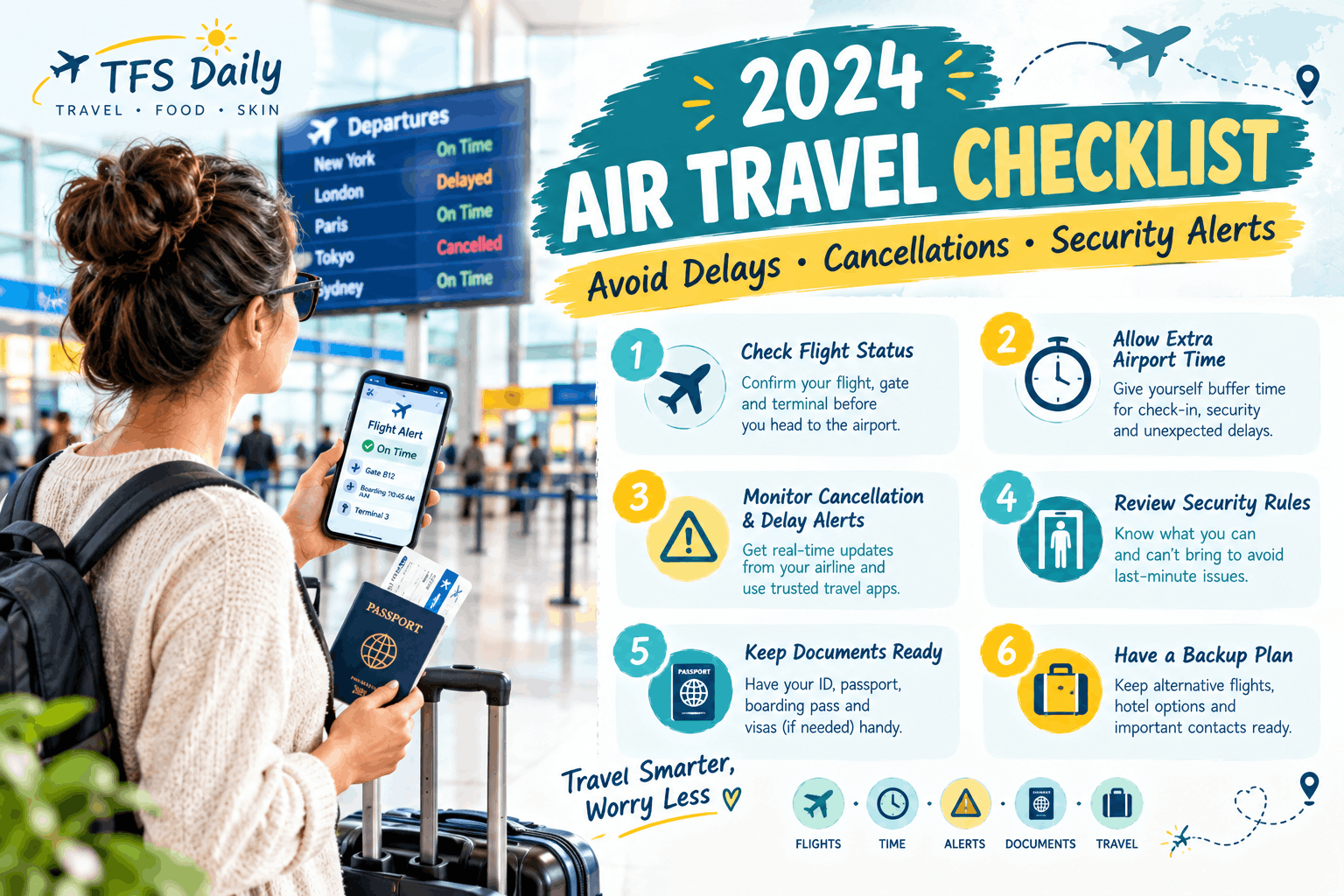
- Flight Tracker: FlightAware or FlightRadar24 for real‑time status.
- Currency Converter: XE Currency or Revolut for instant exchange rates.
- Local Transit: Citymapper or Moovit for route optimization.
- Language: Google Translate for instant communication.
- Offline Maps: Maps.me or OSM for navigation without data.
- Travel Journal: Day One or Journey for daily logs.
For gear, a lightweight power bank with a capacity of 20,000 mAh is essential. Pair it with a durable travel accessory set that includes a universal adapter and cable organizer.
8. Safety & Insurance: Protecting Your Journey
Travel insurance is not a luxury; it’s a safeguard. Choose a policy that covers:
- Trip cancellation or interruption.
- Medical expenses abroad.
- Lost or stolen luggage.
- Travel delays or missed connections.
When selecting a provider, read the fine print. Look for a policy that covers high‑risk activities if you plan to engage in adventure sports.
9. Cultural Etiquette Cheat Sheet
Understanding local customs can prevent faux pas and enrich interactions. Here’s a quick guide for the top destinations:
- Paris: Use “Bonjour” and “Au revoir.” A small tip for service staff is appreciated.
- Tokyo: Bow slightly when greeting. Remove shoes before entering homes.
- New York: Keep conversations concise. Tipping 18, 20% is standard.
- Reykjavik: Respect the “Þjóðhátíð” holiday; many businesses close.
- Bali: Dress modestly when visiting temples. Offer a small gift when invited home.
Practical Tip: Download a phrasebook app before departure. The first few minutes of conversation can set the tone for the entire stay.
10. Takeaways & Action Plan
- Define purpose and budget early.
- Use the destination table to match cities to your financial and experiential goals.
- Secure event tickets and accommodation 3, 6 months in advance.
- Pack light, focusing on multi‑use items and health essentials.
- Leverage technology for real‑time updates and navigation.
- Prioritize sustainability: offset carbon, use green hotels, support local economies.
- Maintain a flexible mindset; adjust plans on the fly based on weather or local insights.
FAQ
Q: How do I find the best flight deals for 2026?
A: Use a multi‑city search engine with flexible dates. Set price alerts on Aviasales to receive instant notifications when fares drop.
Q: Are there any hidden costs I should anticipate?
A: Yes. Airport taxes, city taxes, and service fees can add up. Allocate 10, 15% of your total budget for unforeseen expenses.
Q: What are the best ways to stay connected abroad?
A: Purchase a local SIM card or use a global roaming plan with an unlimited data cap. Apps like WhatsApp and Telegram are free and widely used.
Q: Can I travel sustainably without compromising experience?
A: Absolutely. Choose eco‑certified accommodations, use public transport, and support local artisans. The experience often feels more authentic.
Q: How do I handle jet lag efficiently?
A: Adjust your sleep schedule a few days before departure. Stay hydrated and expose yourself to natural light upon arrival.
End your planning with a single question: “What will I remember most?” The answer will guide every choice, from the city you pick to the event you attend. Armed with data, a structured framework, and a clear vision, you’ll transform 2026 into a travel year that delivers unforgettable moments and lasting value.
One thought on “2026 Destination Guide: Top Spots & Events”
Comments are closed.