
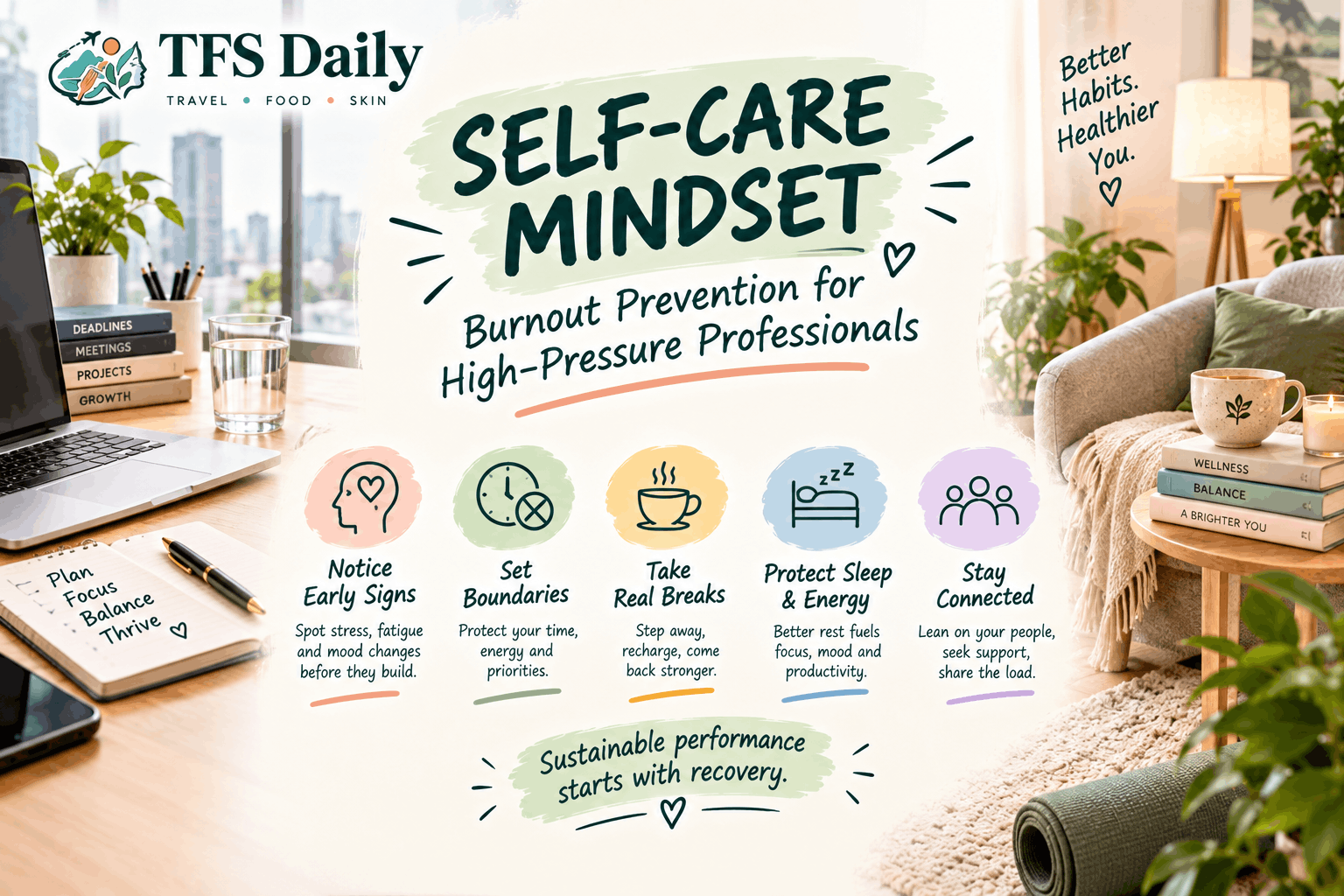
High‑pressure careers demand relentless focus, but without a sustainable self‑care mindset for burnout, performance inevitably erodes. This guide translates the latest research into concrete habits you can embed in a hectic schedule, so you stay sharp, resilient, and energized.
Understanding the Self‑Care Mindset and Burnout
Unlike a checklist of activities, a self‑care mindset is an internal attitude that treats personal well‑being as a non‑negotiable business asset. It means recognizing that rest, nutrition, and emotional regulation are strategic levers, not optional extras.
Burnout manifests as chronic exhaustion, cynicism, and a drop in efficacy. According to a Verywell Mind overview, these symptoms correlate with a 30% decline in productivity and a heightened risk of health issues. Stanford’s 2023 report adds that leaders who ignore burnout see a 25% increase in turnover.
“When self‑care is framed as a performance enhancer, teams report higher engagement and lower error rates.” – Stanford Graduate School of Business, 2023
Understanding the distinction between mindset and activity helps you shift from reactive fixes to proactive preservation.
Core Self‑Preservation Strategies for High‑Pressure Roles
Micro‑breaks and power pauses
Research from Thrive Global shows that a 2‑minute pause every 90 minutes restores attention and reduces cortisol spikes. Set a timer, stand, stretch, or simply stare out the window.
Boundary setting and digital detox
Define “work‑only” windows and enforce a hard shutdown after hours. Turn off non‑essential notifications and consider a single‑device policy during personal time.
Prioritizing sleep and nutrition
Aim for 7–8 hours of sleep; use blue‑light filters after sunset. Pair protein‑rich breakfasts with complex carbs to sustain energy through back‑to‑back meetings.
Building a Daily Self‑Care Routine That Sticks
Step‑by‑step 5‑minute morning ritual
- Take three deep breaths while seated upright.
- Write one gratitude and one intention for the day.
- Do a quick neck‑roll and shoulder stretch.
- Review your top three priorities.
- Close eyes for 30 seconds, visualizing a successful outcome.
This 5‑minute self‑care routine can be completed before your first email, setting a calm tone.
Integrating mindfulness apps
Headspace and Calm offer 5‑minute guided sessions that fit between calendar blocks. For a seamless experience, click recommended tool to access a curated meditation library.
Using habit‑stacking to fit into meetings
Pair a habit with an existing trigger—e.g., after each video call, stand, stretch, and sip water. The cue (meeting end) reminds you to execute the new behavior.
Applying the Mindset in Specific Professions
Media professionals: content overload solutions
Journalists face constant news cycles. Implement a “one‑in‑one‑out” rule: for every new story you take, archive or delegate an existing one. Schedule a 10‑minute “content audit” at noon to prune distractions.
Healthcare workers: patient‑mindset training insights
Clinicians can borrow patient‑education techniques—use brief teach‑back moments with themselves. After a demanding shift, spend two minutes recapping what went well and where you felt strain, then adjust the next day’s plan.
Finance analysts: stress‑free data review techniques
Adopt the “single‑focus window” method: allocate 45 minutes to deep‑dive analysis, then a 5‑minute visual break (e.g., glance at a nature photo). This reduces decision fatigue and improves accuracy.
Measuring Progress and Adjusting Your Toolbox
Self‑efficacy tracking
Use a simple journal or an app like Daylio to rate energy, mood, and focus each evening. Look for trends; a steady rise in scores signals that your routine is effective.
When to seek professional help
If exhaustion persists beyond two weeks, or you notice intrusive thoughts, consult a mental‑health professional. Early intervention prevents chronic burnout.
Iterating the routine based on feedback
Review your journal weekly. If a habit feels stale, replace it with a variation—e.g., swap a stretch for a 2‑minute walk. Continuous refinement keeps the routine fresh and aligned with evolving workload.
FAQ
Can I adopt this mindset without major lifestyle changes?
Yes. The micro‑breaks and 5‑minute rituals require minimal time but deliver measurable stress reduction.
How often should I reassess my self‑care plan?
At least once a month, or whenever you notice a dip in performance or mood.
Is the self‑care mindset applicable to remote work?
Absolutely. For remote teams, read self‑care mindset for remote work to learn boundary‑setting tricks that prevent “always‑on” fatigue.
Conclusion
Embedding a self‑care mindset for burnout transforms stress from a hidden enemy into a visible metric you can manage. By leveraging micro‑breaks, clear boundaries, and a repeatable 5‑minute ritual, high‑pressure professionals can sustain performance, protect health, and cultivate long‑term career resilience.
2 thoughts on “Self‑Care Mindset for Burnout Prevention: A Practical Guide for High‑Pressure Professionals”
Comments are closed.