
Recovering properly after a training session is as critical as the workout itself. A well‑structured post‑workout recovery plan accelerates muscle repair, reduces soreness, and prepares you for the next session—all backed by peer‑reviewed science. Below you’ll find a step‑by‑step guide that blends nutrition, sleep, mobility and evidence‑based supplementation into a 24‑hour routine you can start today.
Why Recovery Is the Missing Piece of Your Fitness Puzzle
When you lift, sprint, or cycle, you create microscopic tears in muscle fibers. The body repairs these tears through muscle protein synthesis (MPS), a process that can continue for up to 48 hours after intense effort. Without adequate recovery, MPS stalls, leading to plateaued gains and a higher risk of overuse injuries.
The CDC highlights that regular physical activity reduces chronic disease risk, but it also stresses the importance of recovery days for long‑term adherence and injury prevention. A holistic plan that balances nutrition, sleep and mobility ensures you reap the full benefits of your workouts while staying injury‑free.
Nutrition: Fueling Recovery From the Inside Out
Macronutrient Ratios for Post‑Exercise
Research consistently shows a post‑exercise meal containing roughly 30% protein, 50% carbohydrates and 20% healthy fats maximizes MPS and glycogen replenishment. Protein provides the essential amino acids—especially leucine—to trigger MPS, while carbs refill depleted glycogen stores and spare protein from being used as fuel.
Timing: The 30‑60 Minute Anabolic Window
Although the “anabolic window” is not a hard deadline, studies indicate that consuming protein (20‑30 g) and fast‑digesting carbs within 30‑60 minutes post‑session yields a measurable boost in MPS compared with delayed intake.
Sample Meals & Quick Recipes
- Greek‑yogurt parfait: 1 cup plain Greek yogurt, ½ cup mixed berries, ¼ cup granola, drizzle of honey.
- Chicken‑sweet potato bowl: 4 oz grilled chicken, 1 medium roasted sweet potato, 1 cup steamed broccoli, 1 tbsp olive oil.
- Plant‑based shake: 1 scoop pea protein, 1 banana, 1 cup oat milk, ½ cup frozen mango, 1 tbsp chia seeds.
These options deliver 20‑30 g of high‑quality protein and 40‑60 g of carbs, fitting the recommended ratio.
Evidence on Glycogen Refilling
A 2018 meta‑analysis of 22 trials found that a carbohydrate intake of 1.2‑1.5 g·kg⁻¹ body weight within the first hour restores 80% of muscle glycogen after moderate‑to‑high intensity exercise. Pairing carbs with protein further improves glycogen synthesis rates by up to 20%.
Sleep: The Ultimate Healing Tool
Hormonal Landscape of Deep Sleep
During slow‑wave (deep) sleep, the pituitary gland releases a surge of growth hormone, which drives protein synthesis and lipolysis. Simultaneously, cortisol—a catabolic hormone—drops to its lowest nightly levels, creating an anabolic environment for repair.
Recommended Duration and Sleep Cycles
Adults aged 25‑45 should aim for 7‑9 hours of sleep per night, ideally in 90‑minute cycles that allow multiple periods of deep sleep and REM. Disrupting these cycles can blunt MPS by up to 15%.
Practical Tips for Quality Sleep
- Darken the room: use blackout curtains or a sleep mask.
- Maintain a cool temperature (≈18‑20 °C).
- Establish a wind‑down routine: dim lights, limit screens 30 minutes before bed, and consider a brief meditation.
These strategies align with circadian rhythm research showing that consistent light exposure patterns synchronize melatonin release, enhancing deep‑sleep duration.
Mobility & Active Recovery: Moving Toward Less Soreness
Key Modalities
Active recovery techniques such as foam rolling, dynamic stretching and low‑intensity cardio increase blood flow, delivering oxygen and nutrients to fatigued muscles while flushing metabolic waste.
Science Behind Active Recovery
A 2020 randomized trial demonstrated that a 10‑minute low‑intensity cycling session after resistance training reduced perceived muscle soreness by 30% and improved subsequent performance compared with complete rest.
Step‑by‑Step Mobility Circuit (5‑10 Minutes)
- Foam roll calves & hamstrings (30 seconds each). Apply moderate pressure, rolling slowly over tender spots.
- Dynamic hip openers (1 minute). Perform 10 reps per side of leg swings, keeping the torso upright.
- Shoulder dislocates with a resistance band (1 minute). Move the band overhead and back, maintaining a comfortable range.
- Low‑intensity bike or brisk walk (2‑3 minutes). Keep heart rate < 110 bpm.
Safety cues: avoid bouncing during static stretches, maintain a neutral spine while foam rolling, and stop any movement that causes sharp pain.
Supplements: Do They Really Accelerate Recovery?
Protein Powders
When whole‑food protein is insufficient, a high‑quality whey or plant‑based powder can provide 20‑30 g of leucine‑rich protein quickly. Choose products with third‑party testing—look for the high‑quality whey protein badge.
BCAAs
Branched‑chain amino acids (leucine, isoleucine, valine) have modest effects on reducing muscle soreness, but the benefit disappears when total protein intake exceeds 1.6 g·kg⁻¹ body weight per day.
Creatine
Creatine monohydrate improves phosphocreatine stores, enhancing recovery of high‑intensity performance and supporting MPS via cellular hydration. A daily dose of 3‑5 g is well‑studied and safe for most adults.
Electrolytes
Replenishing sodium, potassium and magnesium after sweaty sessions helps maintain fluid balance and prevents cramping, especially for those training in hot environments.
When Supplementation Is Unnecessary
If you meet protein goals through food, consume balanced meals, and get adequate sleep, most supplements add little extra benefit. Prioritize whole foods first.
Putting It All Together: A Sample 24‑Hour Recovery Schedule
The following template assumes a late‑afternoon strength session (≈5 PM). Adjust times to fit your personal training window.
- 07:00 AM – Wake & Hydrate: 500 ml water, light stretch.
- 07:30 AM – Breakfast: Oatmeal with whey protein, banana, and almond butter.
- 10:00 AM – Mid‑Morning Snack: Greek yogurt + berries.
- 12:30 PM – Lunch: Quinoa bowl with grilled salmon, mixed veg, and olive oil.
- 03:00 PM – Pre‑Workout Snack: 1 cup fruit smoothie (carb‑rich) + 5 g creatine.
- 05:00 PM – Training: Strength or HIIT session (60‑90 min).
- 05:45 PM – Immediate Post‑Workout: 20‑30 g protein shake + 40 g fast‑digesting carbs (e.g., dextrose or fruit).
- 06:15 PM – Mobility Circuit: Foam roll + dynamic stretches (5‑10 min).
- 07:00 PM – Dinner: Chicken‑sweet potato bowl, leafy greens, and a drizzle of avocado oil.
- 08:30 PM – Wind‑Down: Dim lights, avoid screens, 10‑minute meditation.
- 09:30 PM – Bedtime Snack (optional): Cottage cheese with a pinch of cinnamon.
- 10:00 PM – Sleep: Aim for 7‑9 hours, cool dark room.
For split‑day trainers, simply mirror the post‑workout nutrition and mobility steps after the second session, then shift sleep timing accordingly.
Common Mistakes & FAQs
What are the most frequent recovery errors?
- Skipping carbs post‑workout. Without carbs, glycogen restoration stalls, prolonging fatigue.
- Over‑sleeping or irregular sleep patterns. Excessive sleep can disrupt circadian rhythm and reduce REM efficiency.
- Neglecting mobility. Static stretching alone does little for blood flow; active recovery yields better results.
How much protein should I consume after a session?
Aim for 0.25‑0.30 g·kg⁻¹ body weight (≈20‑30 g for most adults) within the first hour. This amount maximally stimulates MPS without excess nitrogen loss.
Can I rely on BCAAs if I already meet protein goals?
Not really. When total protein is sufficient, BCAAs add negligible benefit and increase cost.
Is there a “best” time of day to do mobility work?
Doing mobility within 30‑45 minutes after training leverages the heightened blood flow, but a brief session in the morning can also improve joint range and reduce stiffness throughout the day.
Conclusion & Next Steps
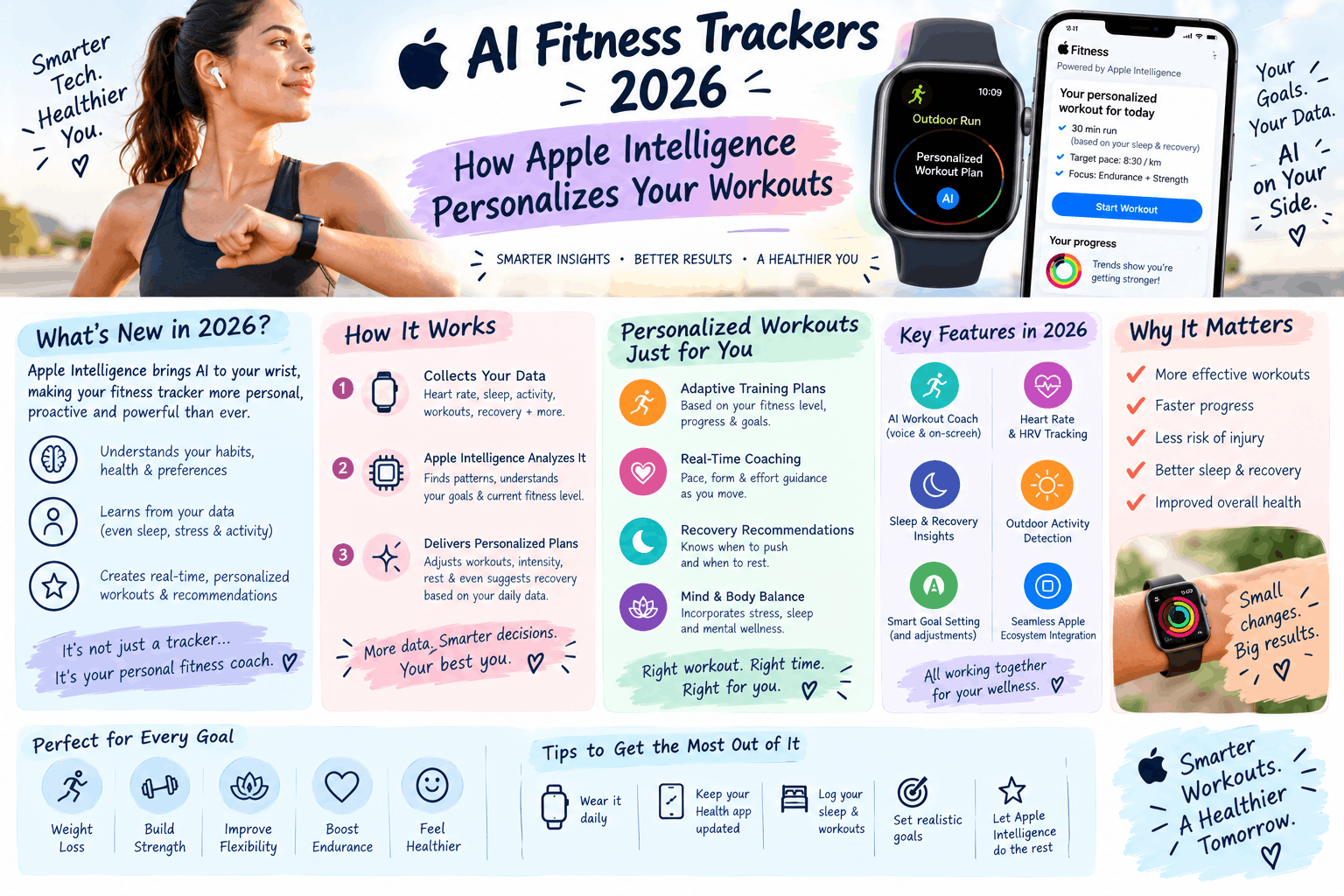
Effective recovery blends three pillars—nutrition, sleep, and mobility—into a seamless 24‑hour system. By tracking metrics such as sleep duration, protein intake, and perceived soreness with a wearable or app, you can fine‑tune the plan to your individual response.
Ready to test the schedule? Grab a recovery‑focused smartwatch, log your meals, and notice the difference in performance within two weeks.
Start today, stay consistent, and watch your gains accelerate while soreness fades. Your next personal best is waiting on the other side of recovery.