
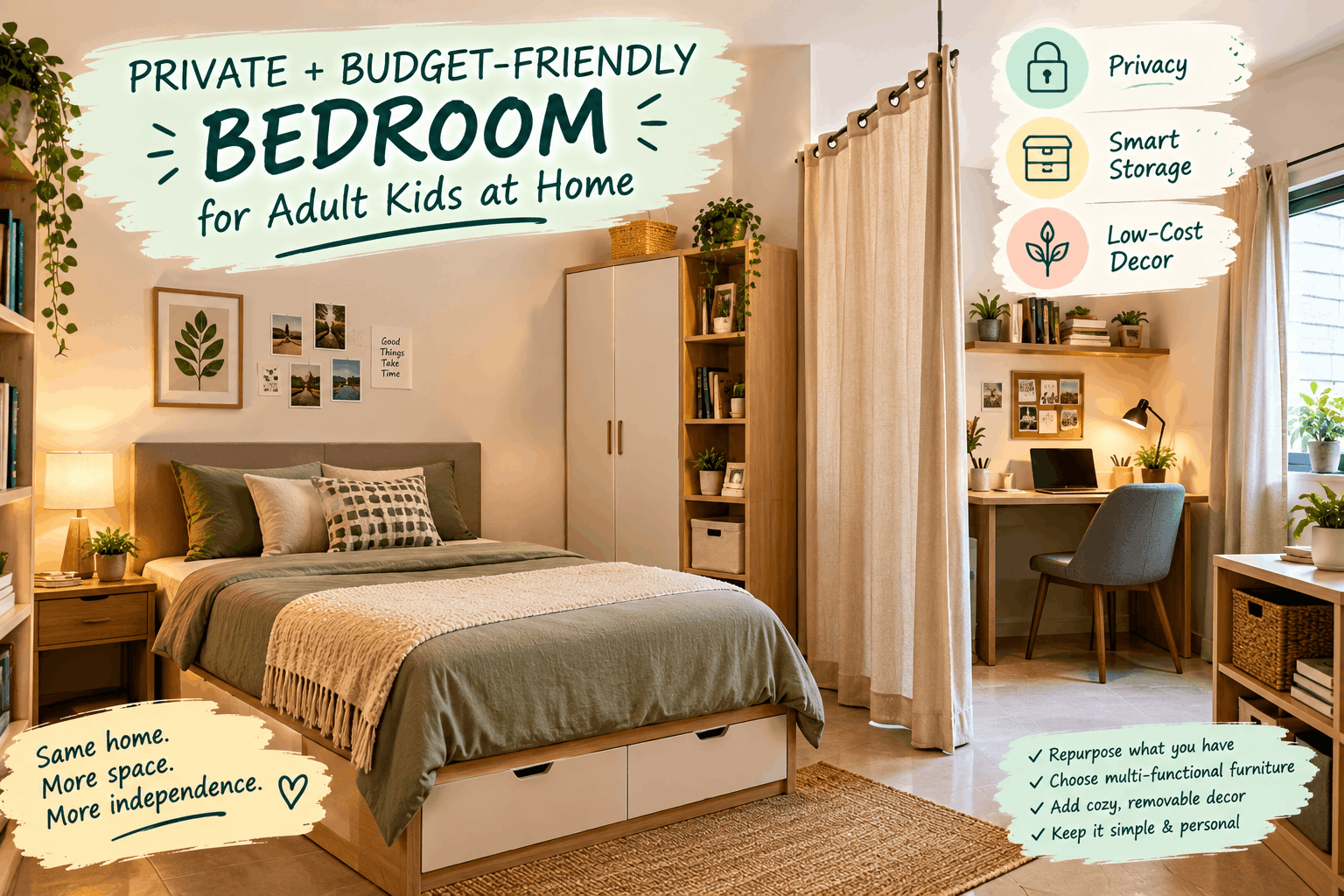
Parents in their 40s and 50s often find themselves juggling work, home maintenance, and the unexpected challenge of supporting adult children who haven’t yet left the nest. A well‑designed bedroom can give those grown‑up kids the privacy they crave while keeping the household budget intact. Below you’ll find a step‑by‑step guide that blends adult kids bedroom ideas with practical, cost‑saving strategies, so you can create a functional sanctuary without breaking the bank.
Why Adult Kids Need Their Own Space
Recent data from multigenerational living research shows that 49% of young adults aged 18‑30 are staying at home longer than any previous generation. This shift isn’t just a financial decision; it reflects changing family dynamics, higher education costs, and a tighter job market. When adult children have a dedicated room, they gain:
- Mental health benefits: A private space reduces stress, improves sleep quality, and supports emotional regulation.
- Independence: Managing their own environment encourages responsibility for chores, budgeting, and time management.
- Household harmony: Clear boundaries lower the likelihood of conflicts over noise, personal belongings, or shared spaces.
Providing a personal retreat also signals respect for the adult child’s growing autonomy, which can strengthen parent‑child relationships over the long term.
Planning the Bedroom Layout on a Budget
Assessing Available Square Footage
Start by measuring the room’s length, width, and ceiling height. Sketch a simple floor plan on graph paper or use a free online tool like Planner 5D. Note existing features—windows, closets, outlets, and any built‑in shelving. Understanding the raw dimensions helps you decide whether a full‑size bed fits or if a space‑saving platform is more realistic.
Choosing a Focal Point: Bed or Multifunctional Furniture
In most adult kids bedroom ideas, the bed remains the focal point. However, a multifunctional furniture piece, such as a loft bed with a desk underneath, can free up floor space for a lounge area or workout mat. Decide early which function—sleep, study, or recreation—needs the most room, then build the layout around that priority.
Using Room Dividers and Curtains for Privacy Without Construction
If the bedroom shares a wall with a high‑traffic area, consider a decorative screen, sliding barn door, or floor‑to‑ceiling curtains. These solutions cost $30‑$150 and can be installed with a few screws, offering visual separation without permanent alterations. Choose fabrics that complement the chosen color palette for a cohesive look.
Color Palette and Décor Choices that Empower
Autumnal and Neutral Tones
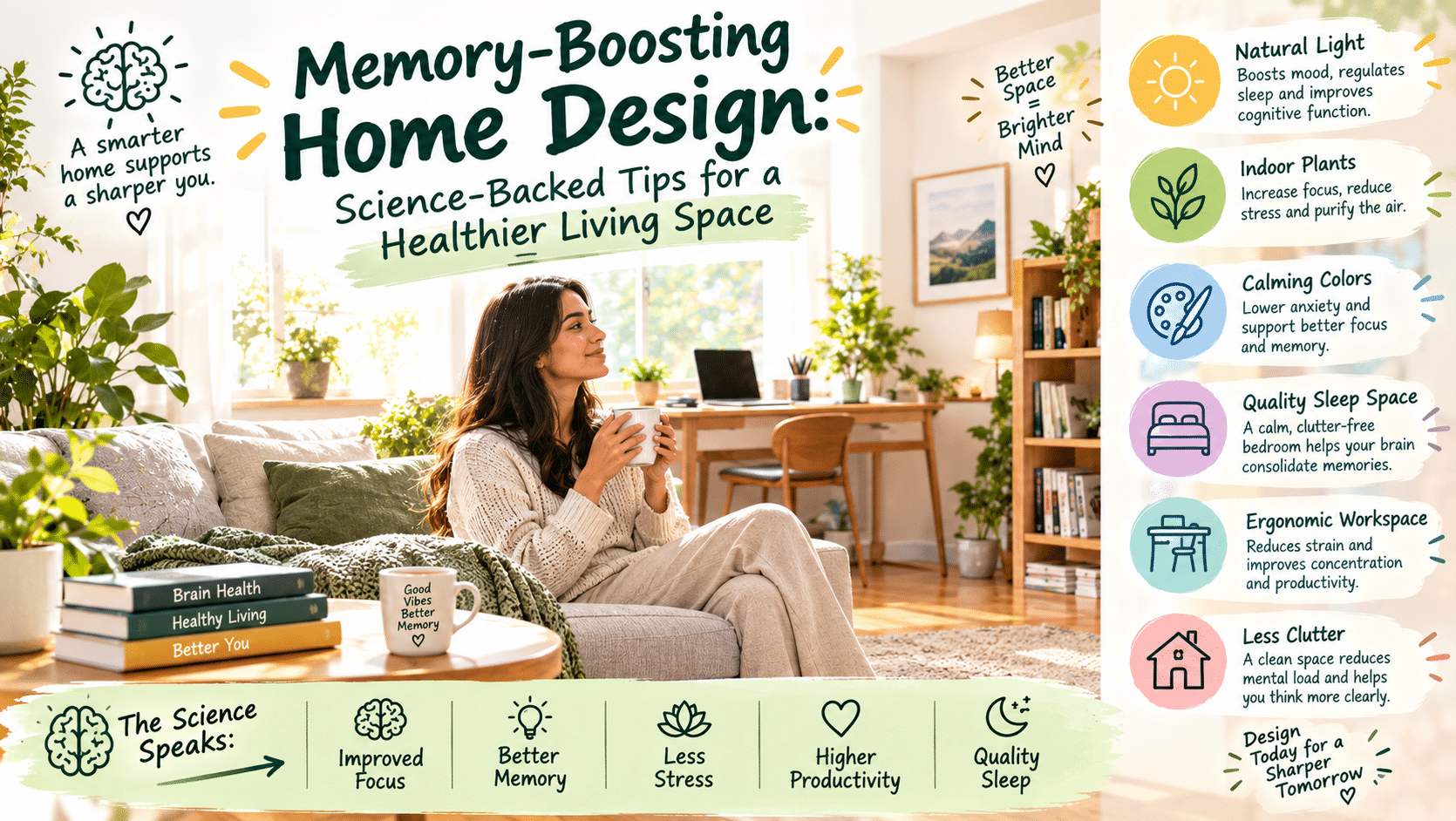
Research on memory‑boosting home design suggests that muted, natural hues improve focus and reduce anxiety. Think warm taupe, soft sage, and deep terracotta—colors that feel mature yet inviting. Jennifer Lopez’s living‑room palette, for example, blends charcoal accents with creamy beige, creating a sophisticated backdrop that works well in a bedroom for adult children.
Incorporating Personal Touches
Allow your grown‑up child to showcase hobbies—framed vinyl records, travel photos, or a DIY art gallery. A simple <blockquote> wall of inspirational quotes can add personality without costing much. Use removable adhesive hooks to keep the décor flexible as interests evolve.
Balancing Aesthetics with Durability
Choose washable fabrics, stain‑resistant rugs, and low‑maintenance finishes. A high‑traffic bedroom benefits from a durable, low‑pile rug that can handle dropped sneakers and occasional spills. Look for products labeled “pet‑friendly” or “fade‑resistant” to extend lifespan.
Essential Furniture and Storage Solutions
Affordable Bed Frames with Built‑In Storage
Platform beds with drawers or lift‑up storage boxes provide up to 30 L of extra space for linens, seasonal clothing, or workout gear. Many retailers offer affordable bedroom set options under $300, especially during seasonal sales.
Multi‑Purpose Desks for Study and Work
A compact desk with a built‑in cable management system keeps laptops, chargers, and notebooks organized. If space is tight, a wall‑mounted fold‑down desk can double as a vanity when closed. Pair it with an ergonomic chair—preferably one with adjustable height—to support long study sessions.
Vertical Storage: Shelves, Hanging Organizers, Under‑Bed Bins
Floor space is precious. Install floating shelves above the desk for books and décor. Over‑door organizers can hold shoes, accessories, or gym bags. Under‑bed rolling bins slide in and out easily, making them perfect for storing extra blankets or seasonal items.
Smart Tech and Comfort Add‑Ons
Budget‑Friendly Smart Lighting for Mood Control
LED strip lights or a smart bulb compatible with Alexa or Google Home can be programmed for sunrise simulation, study lighting, or relaxation hues. Many starter kits cost under $40 and consume minimal electricity.
Noise‑Reducing Accessories
Rugs, wall hangings, and acoustic panels absorb sound, creating a quieter environment for sleep and concentration. A 5 × 7 ft rug priced around $50 can significantly reduce footstep noise, while a decorative fabric wall panel adds both style and sound dampening.
Air Quality and Ergonomics for a Healthy Space
Place a compact air purifier with a HEPA filter near the window to filter pollen and indoor pollutants. Pair it with a small desk lamp that offers adjustable color temperature to reduce eye strain during late‑night study sessions.
Maintaining Harmony in Shared Areas
Coordinating Shared Bathroom and Kitchen Usage
Establish a simple schedule for bathroom peak times—perhaps a “quiet hour” after 10 p.m. for showers. In the kitchen, label pantry shelves for each adult child to prevent accidental food mix‑ups. A shared whiteboard on the fridge can track meal prep responsibilities.
Establishing House Rules for Noise and Guest Policies
Clear expectations reduce friction. Agree on quiet hours, volume limits for music or gaming, and guidelines for overnight guests. Written rules posted in a common area keep everyone accountable without constant reminders.
Tips for Parents to Support Autonomy While Staying Involved
Check in weekly with a casual conversation about how the room feels. Offer to help with minor repairs or organization tweaks, but let the adult child make final design decisions. This balance nurtures independence while reinforcing parental support.
Step‑by‑Step Implementation Timeline
- Week 1: Measure the room, draw a floor plan, and decide on the focal point.
- Week 2‑3: Source and purchase furniture—prioritize the bed frame with storage, desk, and shelving. Assemble as items arrive.
- Week 4: Paint or apply wall treatment, hang curtains or dividers, and install lighting and tech accessories.
- Week 5: Add personal décor, arrange storage solutions, and conduct a walkthrough with the adult child to adjust layout or accessories as needed.
Frequently Asked Questions
Can I create a private bedroom without knocking down walls?
Yes. Room dividers, curtains, and furniture placement can carve out a distinct zone without permanent construction. This approach keeps costs low and preserves the flexibility to re‑configure the space later.
What’s the most cost‑effective way to add storage?
Vertical storage wins on both price and efficiency. Floating shelves, over‑door organizers, and under‑bed bins provide ample capacity for under $100 total, especially when sourced from discount retailers or second‑hand marketplaces.
How do I balance a modern look with durability?
Choose neutral, timeless colors for walls and larger pieces, then layer in trendy accessories like patterned cushions or metal wall art. Opt for fabrics labeled “washable” or “stain‑resistant” and select furniture with solid wood frames or metal legs for longevity.
Conclusion
Designing a private, budget‑friendly bedroom for adult kids is less about splurging and more about thoughtful planning, smart storage, and personal touches that honor individuality. By following the outlined layout steps, selecting durable yet affordable furnishings, and integrating modest tech upgrades, parents can provide a sanctuary that supports mental health, independence, and family harmony. Remember, the goal isn’t just a pretty room—it’s a functional space that empowers your grown‑up child to thrive while staying under the same roof.

One thought on “Create a Private, Budget‑Friendly Bedroom for Adult Kids at Home”
Comments are closed.