Designing a living room that feels both glamorous and inviting can seem like a paradox, but the secret lies in borrowing the confidence of celebrity interiors while tailoring every choice to your own lifestyle. In 2026, homeowners are moving beyond cookie‑cutter arrangements and embracing unorthodox living room layouts that prioritize warmth, conversation, and visual impact. This guide walks you through every step—from measuring the space to selecting a statement sofa, layering secondary seating, and fine‑tuning lighting—so you can recreate the chic yet cozy vibe of a star‑studded lounge without breaking the bank.
Why Celebrity Seating Layouts Work
Psychology of bold furniture choices
Bold furniture signals confidence and sets a tone that invites guests to linger. A large, sculptural sofa or an unexpected lounge chair creates a focal point, guiding the eye and establishing a hierarchy of comfort. When people see a strong visual anchor, they instinctively treat the area as a place to gather, which boosts perceived warmth and social interaction.
Case study: Adam Levine & Behati Prinsloo’s living room
The couple’s Los Angeles loft blends a deep‑blue velvet sectional with a low‑profile leather chaise, layered over a shaggy rug. The layout is asymmetrical—one side of the sofa faces a sleek media console while the opposite end opens toward a floor‑to‑ceiling window. The result is a dynamic conversation zone that feels both intimate and expansive, proving that an unorthodox living room layout can serve both entertainment and relaxation.
Assess Your Space and Define Your Goal
Measure the room
Start by drawing a scaled floor plan on graph paper or using a free digital tool. Record the length of each wall, the height of the ceiling, and the location of doors, windows, and built‑in elements. Knowing exact dimensions prevents costly guesswork when you later place a statement piece.
Identify primary activities
Ask yourself: Will the room host movie nights, casual reading, or frequent gatherings? Your answer determines the balance between seating depth, sight‑lines to the TV, and the need for flexible pieces like ottomans that can double as extra seats.
Set a warmth and style objective
Write a one‑sentence mission, such as “Create a sun‑lit, lounge‑style space that feels like a celebrity’s private retreat while accommodating a family of four.” This objective will act as a compass when you evaluate each furniture option.
Choose a Statement Seating Piece
Selecting a sofa, sectional or lounge chair
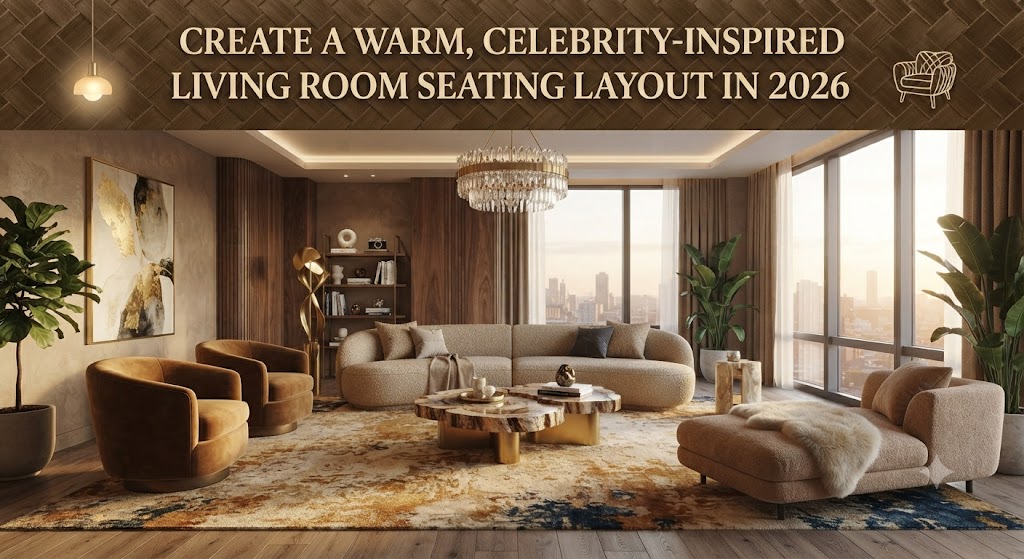
The statement piece should embody the room’s personality. A low‑profile modular sectional works well in open‑plan homes, while a tufted Chesterfield sofa adds classic glamour. For tighter footprints, a single oversized lounge chair in a bold hue can serve as the centerpiece.
Material, color, and scale considerations
Velvet, boucle, and leather are trending in 2026 for their tactile richness. Dark jewel tones—emerald, sapphire, or deep plum—create drama, whereas neutral tones keep the space airy. Scale matters: the piece should occupy roughly 30‑35% of the floor area, leaving room for circulation.
Budget‑friendly alternatives
If a designer sofa exceeds your budget, consider a high‑quality slipcover from a reputable online retailer (e.g., affordable luxury slipcovers) or hunt for a vintage find on local marketplaces. Reupholstering a solid‑frame sofa can give you a custom look for 40‑60% of the price of a brand‑new statement piece.
Mix and Layer Secondary Seating
Pairing chairs, poufs, benches
Complement the main sofa with two to three secondary seats. Accent chairs in contrasting fabrics, poufs that add height variation, and a bench that doubles as storage create a layered effect. Keep the back‑height of secondary chairs lower than the sofa to maintain visual hierarchy.
Creating conversation zones
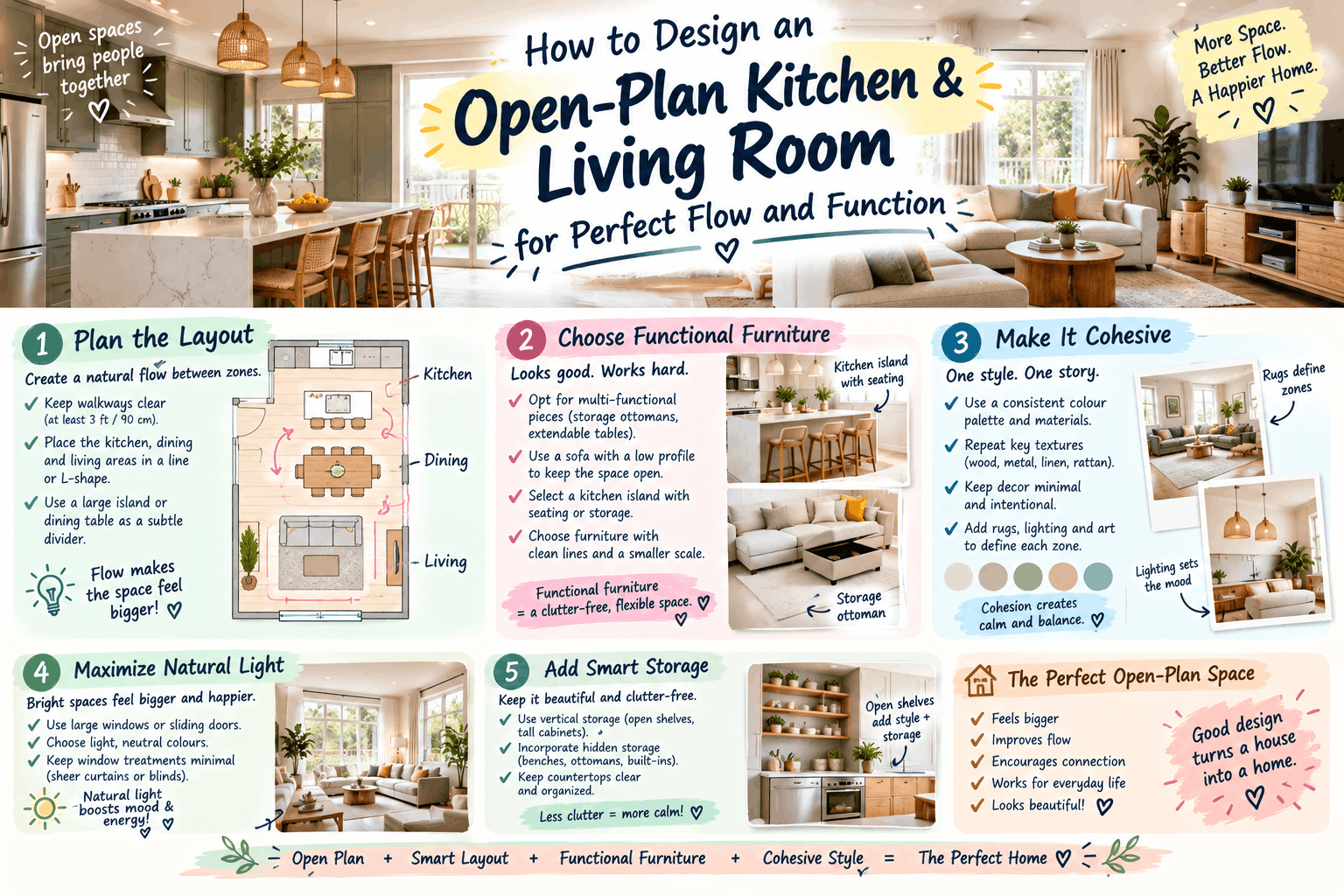
Arrange seats in a semi‑circular fashion, allowing sight‑lines to flow naturally. A coffee table at the center anchors the zone, while a side table beside a reading chair provides a place for a lamp and a cup of tea.
Balancing symmetry and asymmetry
Celebrity interiors often flirt with asymmetry to avoid rigidity. Pair a pair of matching armchairs on one side with a single sculptural chair on the opposite side. The mix feels curated yet cohesive.
Add Warmth Through Textures and Lighting
Rugs, throws, and cushions
Layer a large natural‑fiber rug—jute or sisal—under the main seating cluster, then top it with a smaller, plush area rug in a coordinating color. Add a handful of textured cushions in varying sizes; metallic or woven details catch light and reinforce the luxury vibe.
Layered lighting: floor, table, accent
Three‑point lighting is essential. A tall arc floor lamp creates a soft wash over the sofa, a pair of matte‑black table lamps on side tables provide task light, and LED strip accents behind the media console add a subtle glow. For tech‑savvy homes, integrate smart lighting for open plan living rooms to adjust color temperature throughout the day.
Using natural elements for coziness
Incorporate wooden side tables, a live‑edge coffee table, or a handful of potted plants. The organic textures counterbalance sleek upholstery and make the space feel lived‑in.
Maintain Flow and Functionality
Clear pathways
Leave at least 36‑inches of clearance between furniture groups and doorways. This width accommodates two people walking side‑by‑side and prevents the room from feeling cramped.
Traffic pattern planning
Map the most common routes—entry, kitchen access, and bathroom proximity. Position the main sofa opposite the entry so eyes are drawn inward, while secondary seating hugs the walls to keep the central pathway open.
Multifunctional furniture tips
Choose pieces that serve dual purposes: an ottoman with hidden storage, a bench that can double as a console, or a media console that includes a built‑in bookshelf. Multifunctionality preserves square footage while adding visual interest.
Budget‑Smart Sourcing Strategies
Where to find statement pieces (online, vintage, outlet)
Online marketplaces like Wayfair and Article often run seasonal sales on designer sofas. Vintage shops and estate sales can yield one‑of‑a‑kind chairs for a fraction of the retail price. Outlet stores such as IKEA’s As-Is section sometimes stock overstocked sofas with minor imperfections at deep discounts.
Negotiating with local dealers
When visiting a showroom, ask for floor‑model discounts or inquire about upcoming promotions. Many dealers will match a competitor’s price if you present a printed quote.
DIY upholstery ideas
Reupholstering a solid‑frame sofa can be a weekend project. Choose a durable, stain‑resistant fabric like performance velvet; it offers the plush feel of luxury while standing up to high‑traffic use.
Common Mistakes & How to Avoid Them
Overcrowding the space
Resist the urge to fill every empty nook. A cluttered layout dilutes the impact of your statement piece and hampers circulation. Use the 30‑percent rule: main seating should not dominate more than a third of the floor area.
Ignoring scale
Never select a sofa that overwhelms the room’s proportions. Measure the sofa’s length, depth, and height against the wall length; a good rule is to leave at least 12‑inches of wall space on either side.
Neglecting cohesive color palette
Even with eclectic pieces, anchor the palette with two primary hues and one accent. Pull these colors through cushions, rugs, and artwork to achieve harmony.
FAQs
Can I use a bold sofa in a small room?
Yes, if you balance it with lighter secondary seating and keep the floor area open. Choose a sofa with slim legs and a low back to reduce visual bulk.
How often should I refresh seating fabrics?
Most experts recommend a refresh every 5‑7 years, or sooner if you notice wear in high‑traffic zones. Swapping out cushions or adding a new throw can instantly revive the look.
What’s the best way to protect high‑traffic seating?
Invest in a removable, washable slipcover or apply a fabric protector spray. For leather, use a conditioning cream quarterly to prevent cracking.
Final Checklist for Your New Seating Layout
- Space measurement confirmed
- Statement piece secured (sofa, sectional, or lounge chair)
- Layered accessories added: rug, cushions, throws, lighting
- Flow tested: clear pathways, functional traffic pattern
By following this step‑by‑step guide, you’ll transform any living room into a celebrity‑inspired sanctuary that radiates warmth, style, and purposeful design. Whether you’re working with a sprawling open plan or a compact urban apartment, the principles of bold seating, thoughtful layering, and strategic lighting will keep your space feeling fresh and inviting for years to come.