
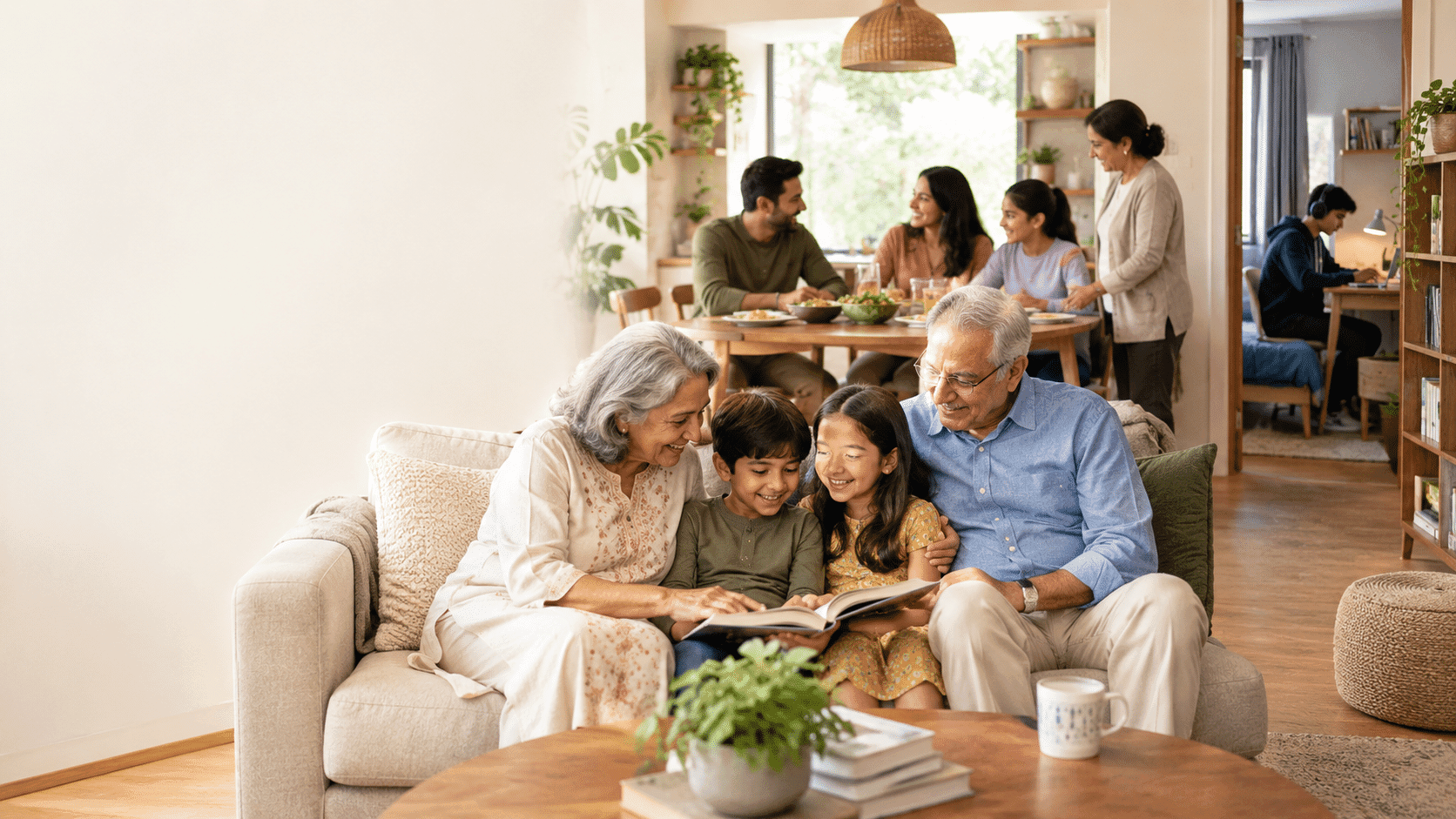
As the number of Americans living in multigenerational households continues to rise, with 64 million people currently residing in such arrangements, you may be wondering what this trend means for your family. Multigenerational living, where two or more generations of a family live together, can be a rewarding experience, but it also comes with its own set of challenges.
A study by the National Association of Home Builders found that 62% of home buyers consider multigenerational living an important factor in their purchasing decision, highlighting the growing interest in this type of living arrangement. But what are the benefits and drawbacks of multigenerational living, and how can you design your home to accommodate multiple generations?
- Multigenerational living can provide emotional support and companionship for family members.
- A well-designed home can help to balance shared living spaces with private areas.
- Effective communication and boundary setting are crucial for navigating family dynamics in shared living.
Introduction to Multigenerational Living
Multigenerational living is not a new concept, but it has become increasingly popular in recent years. This type of living arrangement can be beneficial for families, as it allows for shared responsibilities, emotional support, and financial benefits. However, it also requires careful consideration of family dynamics, home design, and personal space.
Designing a Multigenerational Home
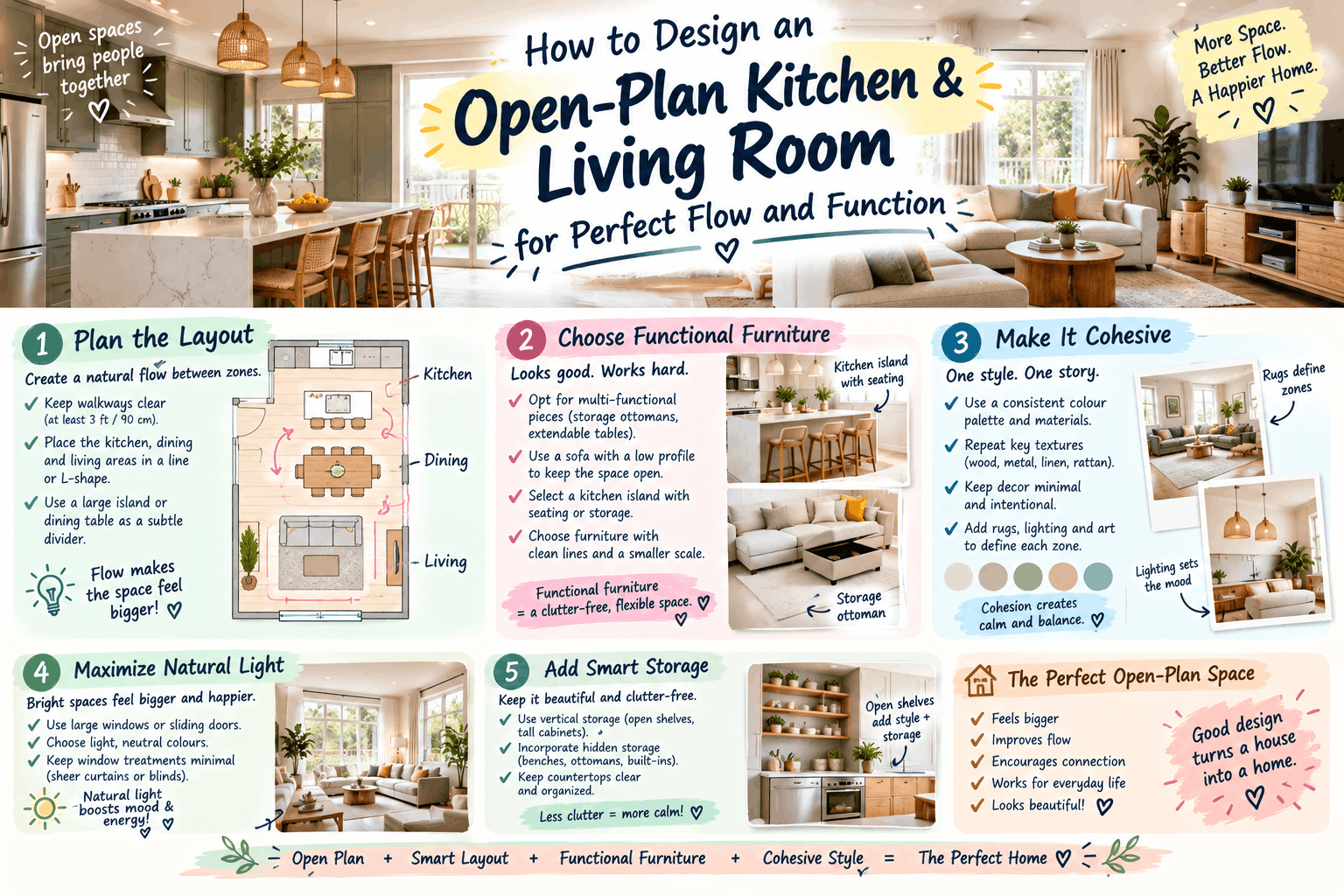
When designing a multigenerational home, it’s essential to consider the needs of all family members. Shared living spaces, such as kitchens and living rooms, should be designed to accommodate multiple generations, while private areas, such as bedrooms and bathrooms, should provide a sense of personal space and autonomy. Universal design principles, such as wheelchair accessibility and adaptable storage, can also help to create a home that is inclusive and functional for all family members.
For example, you can create a shared living space that includes a kitchen, dining area, and living room, with plenty of natural light and comfortable seating. You can also incorporate private areas, such as a reading nook or a home office, to provide a quiet retreat for family members. Consider incorporating wellness-focused home decor to promote relaxation and well-being.
Creating a Functional Floor Plan
A functional floor plan is crucial for a multigenerational home. Consider hiring an architect or designer who specializes in multigenerational homes to help you create a floor plan that meets the needs of all family members. They can help you design a home with separate living areas, shared spaces, and private areas that provide a sense of autonomy and independence.
Incorporating Technology and Smart Home Features
Technology and smart home features can also play a significant role in creating a functional and comfortable multigenerational home. Consider incorporating smart home devices, such as thermostats and lighting systems, that can be controlled remotely. You can also incorporate technology that helps with communication, such as video conferencing systems, to help family members stay connected.
Navigating Family Dynamics in Shared Living
Navigating family dynamics in shared living can be challenging, but there are several strategies that can help. Effective communication, boundary setting, and conflict resolution are all essential for maintaining harmony in a multigenerational household. It’s also important to respect each other’s personal space and autonomy, while still maintaining a sense of connection and community.
For instance, you can establish a regular family meeting to discuss household responsibilities, financial matters, and personal concerns. You can also set boundaries around personal space and time, such as designating certain areas of the home as private or establishing quiet hours. Consider using this tool to help facilitate communication and organization.
Managing Conflicts and Challenges
Conflicts and challenges are inevitable in any multigenerational household. However, there are several strategies that can help you manage these conflicts and challenges. Consider seeking the help of a therapist or counselor who specializes in family dynamics and multigenerational living. They can help you develop strategies for effective communication, conflict resolution, and boundary setting.
Real-Life Examples and Case Studies
There are many successful multigenerational households that can serve as examples and inspiration. For example, a family with young children and aging parents may choose to live together in a large home with separate living areas, allowing for both shared family time and private space. Another example might be a household with adult children returning home after college, where the family can work together to create a shared living space that meets everyone’s needs.
These examples illustrate the importance of flexibility, communication, and creativity in making multigenerational living work. By considering the needs and preferences of all family members, you can create a harmonious and functional living arrangement that benefits everyone involved.
Overcoming Common Challenges
Despite the many benefits of multigenerational living, there are also several common challenges that families may face. These challenges can include conflicts over household responsibilities, financial stress, and difficulties in navigating intergenerational relationships. However, by being aware of these challenges and developing strategies to overcome them, you can create a successful and harmonious multigenerational household.


2 thoughts on “The Benefits and Challenges of Multigenerational Living”