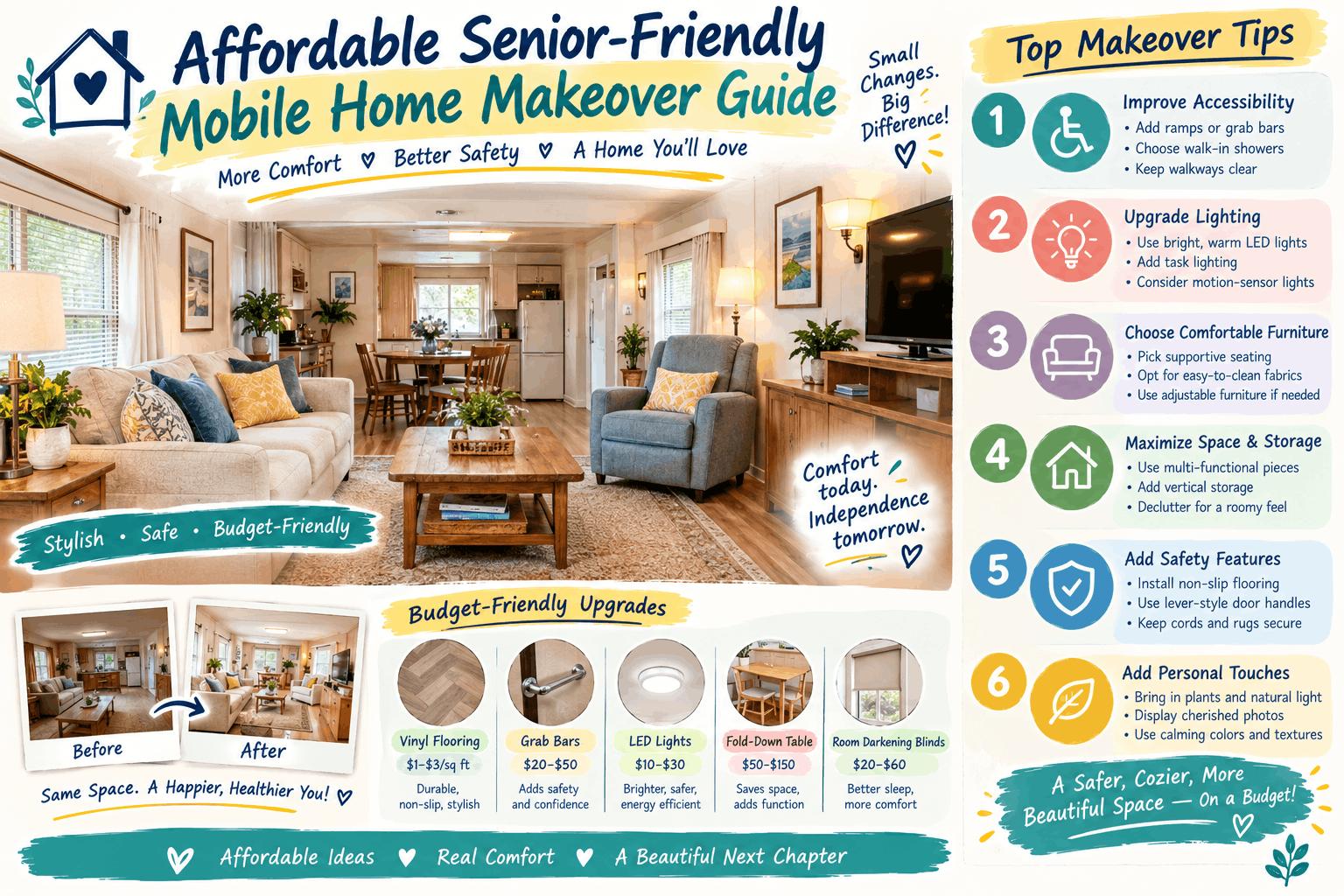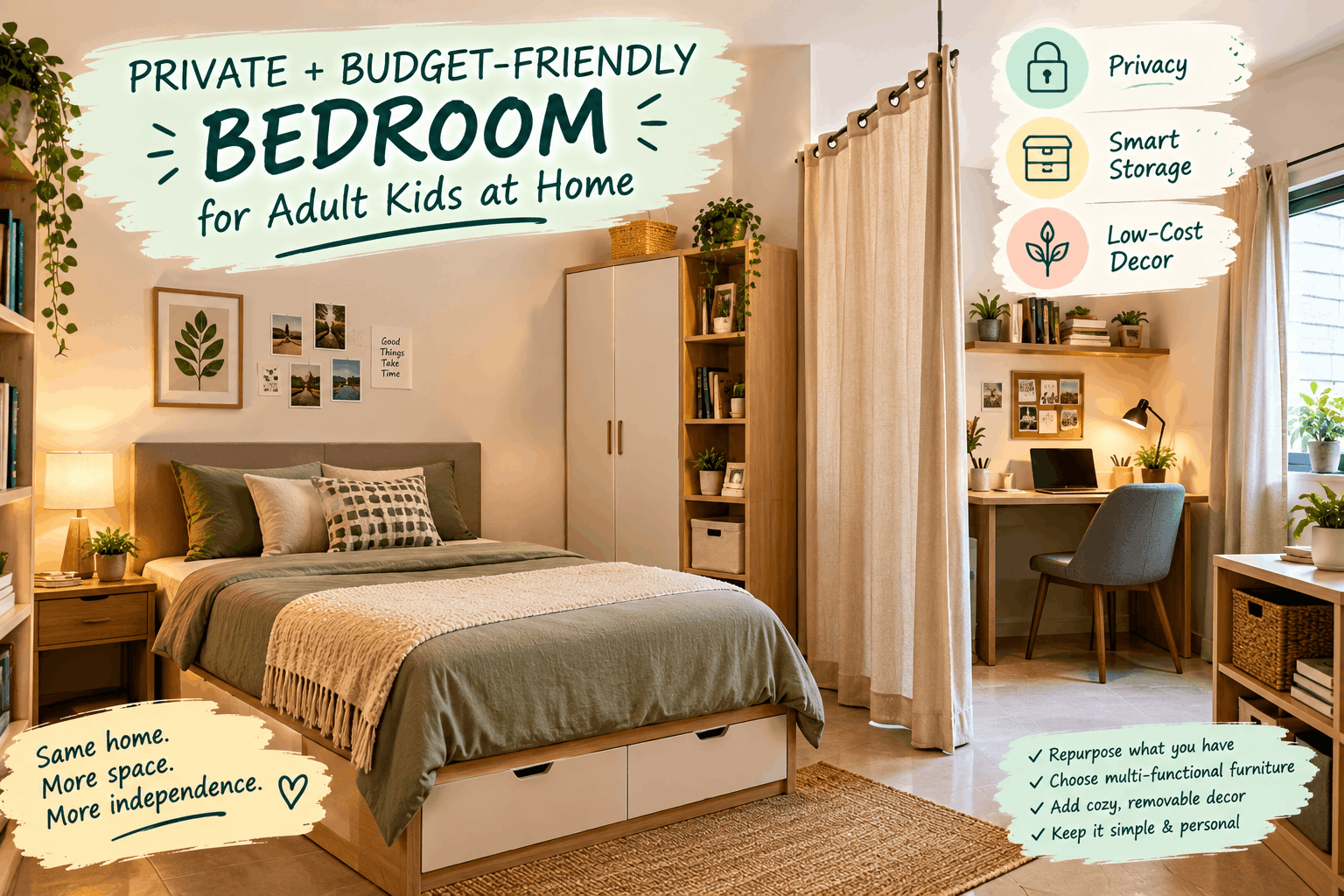
Introduction
When adult children return to the family nest, the living room often becomes the unofficial hub of daily life. A fresh look can ease the transition, signal respect for everyone’s space, and prevent the room from feeling cramped or outdated. Multigenerational households face unique challenges: differing style preferences, varied schedules, and the need for both communal and private zones. Fortunately, a few strategic updates—paint, furniture swaps, and thoughtful décor—can boost comfort and style without breaking the bank.
Assess Needs, Measure Space, Set Budget
Take inventory of existing items
Start by listing what you already own—a sofa, coffee table, or a vintage armchair. Identify pieces that still work and those that cause bottlenecks in traffic flow. This inventory helps you avoid unnecessary purchases and highlights gaps that truly need filling.
Measure floor plan and traffic flow
Grab a tape measure and sketch the room’s dimensions, noting doorways, windows, and high‑traffic pathways. Pay special attention to zones where adult kids will study, relax, or entertain guests. Accurate measurements prevent costly ordering mistakes.
Create a realistic budget spreadsheet
Break your budget into categories: paint, furniture, décor, and DIY tools. Allocate a percentage to each based on priority. For example, if a new sofa is essential, earmark 40% of the total budget for it. Use a simple spreadsheet to track actual spend versus planned spend.
Choose a Cohesive Color Palette
Learn from Jennifer Lopez’s autumnal scheme (Homes & Gardens)
Jennifer Lopez recently embraced a warm, autumnal palette—soft taupes, muted terracotta, and deep olive accents. The combination feels sophisticated yet inviting, perfect for a space shared by different generations.
Pick neutral bases with warm accent hues
Start with a neutral base (e.g., light gray or warm beige) on the three main walls. Add two accent colors—perhaps a muted sage and a subtle rust—through pillows, throws, or a single accent wall. This approach keeps the room flexible for future style shifts.
Paint cost‑saving tips and recommended brands
Buy paint in bulk from warehouse clubs or use store‑brand options like Valspar and Behr, which often match premium quality at half the price. For a flawless finish, invest in a good roller set and use painter’s tape to protect trim.
Select Budget‑Friendly, Multi‑Functional Furniture
Essential pieces: sofa, media console, side tables
The sofa is the room’s anchor. Look for a durable, neutral‑colored frame that can accommodate slipcovers for seasonal refreshes. A low‑profile media console with open shelving doubles as a display area for family photos.
Multi‑use options: storage ottoman, sleeper sofa
Consider a storage ottoman that hides blankets, board games, or seasonal décor. A sleeper sofa provides a guest bed without sacrificing living‑room real estate—ideal when adult kids host friends.
Where to buy: IKEA, Target, Wayfair, local thrift stores
IKEA’s KIVIK series offers modular sofas that can be re‑configured as needs change. Target’s Project 62 line balances style and price, while Wayfair’s daily deals often feature discounted sleeper sofas. Don’t overlook thrift stores; a solid wood coffee table can be refinished for a fraction of the retail cost.
Add Family‑Friendly Decor Elements
Soft textiles: throws, cushions that blend styles
Layering textures creates visual interest without a large price tag. Mix a chunky knit throw with linen cushions in your chosen accent hues. Look for sales at home‑goods outlets or use coupon codes on recommended tool for extra savings.
Wall art and photo displays for shared memories
Create a gallery wall using inexpensive frames from discount retailers. Include family photos, kids’ artwork, and a few curated prints that reflect both parents’ and adult children’s tastes. A simple wire‑and‑clip system lets you rotate pieces seasonally.
Low‑maintenance plants and lighting upgrades
Snake plants and ZZ plants thrive in low‑light conditions and require minimal watering—perfect for busy households. Swap outdated floor lamps for LED fixtures; they use 75% less energy and often come with dimming options for movie nights.
Space Planning for Privacy and Flow
Zoning with rugs and furniture arrangement
Define separate zones—reading nook, media area, and conversation space—by placing area rugs under each cluster. Choose rugs with low pile for easy cleaning.
Room dividers or bookcases for subtle separation
A tall, open‑back bookcase acts as a visual divider while providing storage for books and decorative boxes. If you need more privacy, consider a lightweight folding screen that can be moved as needed.
Ensuring clear pathways for daily movement
Maintain at least 36‑inches of clearance between furniture pieces to allow smooth traffic flow. This is especially important for adults with mobility aids or for quick clean‑ups.
DIY Upgrades and Quick Wins
Painting accent walls yourself
Choose one wall—perhaps the one behind the sofa—and apply a bold accent color. Use painter’s tape for crisp lines, and finish with a semi‑gloss paint for easy cleaning.
Swapping hardware, new knobs, and handles
Replace dated drawer pulls on side tables with modern brushed‑nickel knobs. This tiny change updates the look of existing furniture without a full replacement.
Smart lighting hacks with affordable LED strips
LED strip lights placed behind a TV or under a bookshelf add ambient glow. Many kits include remote controls and color‑changing options for under‑$30.
Sustainable & Second‑Hand Options
Thrifting finds that fit modern aesthetics
Visit local consignment shops for mid‑century modern pieces—clean lines, tapered legs, and natural wood tones pair well with contemporary décor.
Upcycling existing furniture with paint or new upholstery
A fresh coat of chalk paint can transform an old wooden sideboard into a statement piece. If upholstery is worn, re‑upholster with a budget‑friendly fabric from discount fabric stores.
Eco‑friendly materials and certifications
Look for furniture labeled with GREENGUARD or FSC certifications, indicating low VOC emissions and responsibly sourced wood. These choices improve indoor air quality—beneficial for all ages.
Final Checklist & Maintenance Tips
- Review the budget spreadsheet before each purchase.
- Measure twice, order once—confirm dimensions of sofas, rugs, and storage units.
- Establish a weekly cleaning routine for high‑traffic areas (vacuum rugs, dust surfaces, wipe down light switches).
- Plan future upgrades in phases; start with one focal point like the sofa, then add accessories over time.
Conclusion
Refreshing a living room for adult kids moving back home is less about a total overhaul and more about thoughtful, budget‑smart choices. By assessing needs, selecting a harmonious color palette, opting for multi‑functional furniture, and layering family‑friendly décor, you create a space that feels both shared and personal. Start with one small change—perhaps a new accent wall or a set of coordinated cushions—and watch the room transform. Share your before‑and‑after photos on social media and inspire other families navigating multigenerational living.
For more ideas on related topics, explore our guide to open‑plan kitchen and living room flow, learn about multigenerational living, or discover budget‑friendly mobile home interiors.