

Struggling to fall asleep or stay asleep? Your plate may hold the key. Research shows that specific nutrients can calm the nervous system, regulate hormones, and even shift your internal clock. Below you’ll find a complete, evidence‑based guide to the foods that promote restorative sleep, practical snack ideas, and tips for timing your meals so you wake up refreshed.
Why Nutrition Matters for Sleep
Sleep is orchestrated by a delicate interplay of hormones, neurotransmitters, and the circadian rhythm. Melatonin signals the brain that it’s night, while cortisol spikes in the morning to help you wake. Both hormones are influenced by what you eat.
Hormonal pathways
Foods rich in tryptophan—a precursor to serotonin and melatonin—can boost the night‑time production of these sleep‑promoting chemicals. Magnesium supports the GABA system, a neurotransmitter that reduces neuronal firing and encourages relaxation. Meanwhile, complex carbohydrates facilitate tryptophan’s entry into the brain by triggering insulin, which clears competing amino acids from the bloodstream.
Research highlights
Large cohort studies link high‑fiber, low‑sugar diets with longer total sleep time and fewer awakenings. A 2021 meta‑analysis of 15 randomized trials found that participants who added melatonin‑rich foods to dinner experienced a 12‑minute reduction in sleep latency compared with controls. The evidence is clear: what you eat before bed can either set the stage for deep sleep or keep you tossing.
Top Science‑Backed Foods That Promote Sleep
- Melatonin‑rich foods: Tart cherries (1 cup provides ~0.13 mg melatonin), red grapes, and walnuts (¼ cup contains ~0.07 mg). Consuming them 30‑60 minutes before bed aligns with the natural melatonin surge.
- Tryptophan sources: Turkey (3 oz), firm tofu (½ cup), and pumpkin seeds (1 tbsp). These boost serotonin, which the pineal gland converts to melatonin after dark.
- Magnesium‑dense options: Spinach (1 cup cooked), almonds (¼ cup), and black beans (½ cup). Magnesium relaxes muscles and calms the nervous system.
- Complex carbs for absorption: Rolled oats, sweet potatoes, and quinoa help shuttle tryptophan across the blood‑brain barrier. Pair them with protein for maximum effect.
- Hydration and herbal teas: Warm chamomile, valerian root, or lemon‑ginger tea provide soothing aromas and modest sedative compounds without the diuretic impact of caffeine.
Ideal Bedtime Snack Ideas
Combining protein, carbs, and sleep‑supporting micronutrients creates a balanced snack that stabilizes blood sugar and fuels melatonin synthesis.
1. Cherry‑Almond Overnight Oats
- ½ cup rolled oats
- ¾ cup unsweetened almond milk
- ¼ cup frozen tart cherries
- 1 tbsp chopped almonds
- Pinch of cinnamon
Mix ingredients in a jar, refrigerate for at least 4 hours, and enjoy 30 minutes before sleep. The oats supply complex carbs, cherries deliver melatonin, and almonds add magnesium.
2. Tofu‑Sweet Potato Mini Bowl
- ½ cup cubed firm tofu, lightly sautéed
- ¾ cup roasted sweet‑potato cubes
- 1 tbsp pumpkin seeds
- Drizzle of olive oil and a dash of sea salt
This warm bowl offers tryptophan from tofu, magnesium from pumpkin seeds, and the slow‑release carbs of sweet potato.
3. Warm Black‑Bean & Spinach Soup
- 1 cup low‑sodium black‑bean broth
- ¼ cup cooked black beans
- ½ cup fresh spinach, wilted
- 1 tsp lemon juice
Heat gently, season with pepper, and sip slowly. The combination of magnesium‑rich spinach and tryptophan‑laden beans supports relaxation without feeling heavy.
Portion sizes should stay under 300 kcal to avoid overnight digestion issues. Aim to finish the snack 30‑60 minutes before lights‑out.
Foods and Drinks to Avoid Near Bedtime
- Caffeine: Coffee, black tea, energy drinks, and even dark chocolate can linger for up to 8 hours. Hidden sources include certain pain relievers and flavored yogurts.
- High‑sugar, high‑fat meals: Sugary desserts cause a rapid insulin spike followed by a crash, while heavy fatty foods delay gastric emptying, both of which fragment sleep.
- Alcohol: While it may help you fall asleep, alcohol suppresses REM sleep and leads to early‑morning awakenings.
Meal Timing & Evening Routine Tips
Finish dinner at least 2‑3 hours before bedtime. This window allows digestion to complete and cortisol levels to dip. If you need a later meal, keep it light, protein‑focused, and paired with a low‑glycemic carb.
Incorporate sleep‑friendly foods throughout the day to maintain steady nutrient levels. For example, add a handful of walnuts to your afternoon salad or sip a chamomile tea after your evening walk.
Pair nutrition with proven sleep hygiene: dim lighting, screen‑free time, and a consistent bedtime. The synergy of a calm environment and the right nutrients maximizes sleep quality.
Frequently Asked Questions
Can I get enough melatonin from food alone?
Dietary melatonin contributes modestly—roughly 0.1‑0.2 mg per serving of cherries or walnuts. While it won’t replace a supplement for severe deficiencies, regular consumption can enhance the natural evening rise of melatonin, especially when combined with a dark environment.
Is a low‑carb diet compatible with good sleep?
Low‑carb diets can reduce the availability of glucose needed for serotonin production, potentially lengthening sleep latency. Including small portions of complex carbs (e.g., a half‑cup quinoa) in the evening can offset this effect without breaking the overall low‑carb pattern.
How long does it take to see dietary effects on sleep?
Most people notice improvements within one to two weeks of consistent eating habits. However, full adaptation of circadian rhythms may take up to a month, especially if previous dietary patterns were highly processed.
Conclusion & Action Plan
Putting sleep‑supportive nutrition into practice is simple once you have a checklist.
- Include at least one melatonin‑rich food (cherries, grapes, walnuts) in your evening meal.
- Combine a tryptophan source with a complex carb within 30‑60 minutes of bedtime.
- Ensure 200‑300 mg of magnesium from leafy greens, nuts, or beans before sleep.
- Avoid caffeine after 2 p.m., limit alcohol to one standard drink, and steer clear of heavy, sugary meals after 7 p.m.
- Track your sleep quality and food intake in a journal or app for at least 14 days to identify patterns.
By aligning your plate with your body’s natural rhythms, you’ll create a sustainable foundation for deeper, more restorative sleep.
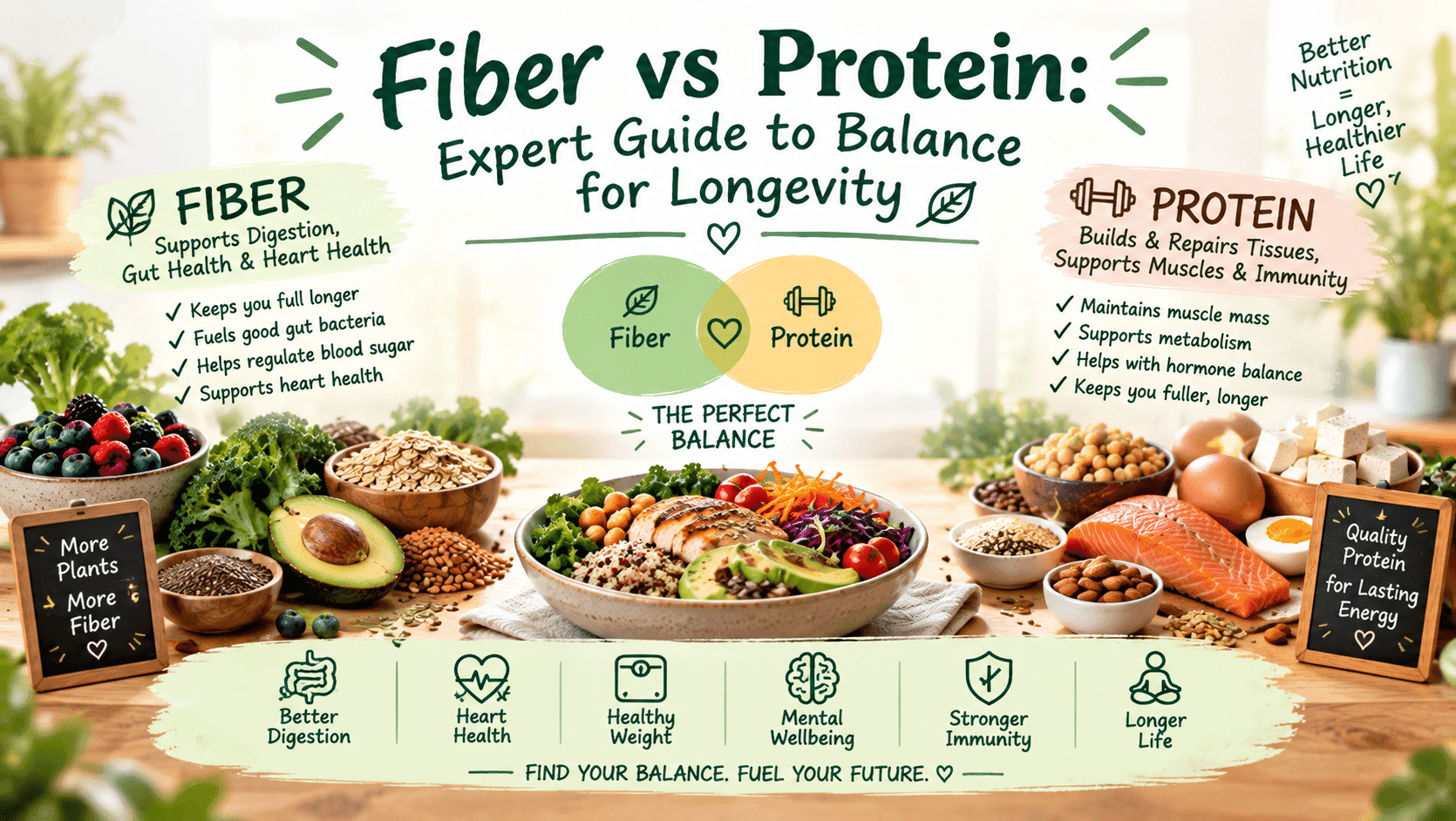
For further reading on balancing nutrients, check out fiber vs protein and explore how a protein‑rich diet for men supports overall health, including sleep.
Ready to try a sleep‑optimizing tool? recommended supplement can help you monitor melatonin levels and adjust your diet accordingly.
3 thoughts on “Top Foods to Improve Sleep Quality: Science-Backed Nighttime Nutrition”
Comments are closed.