Introduction – Why 2026 Trends Matter for Small Spaces
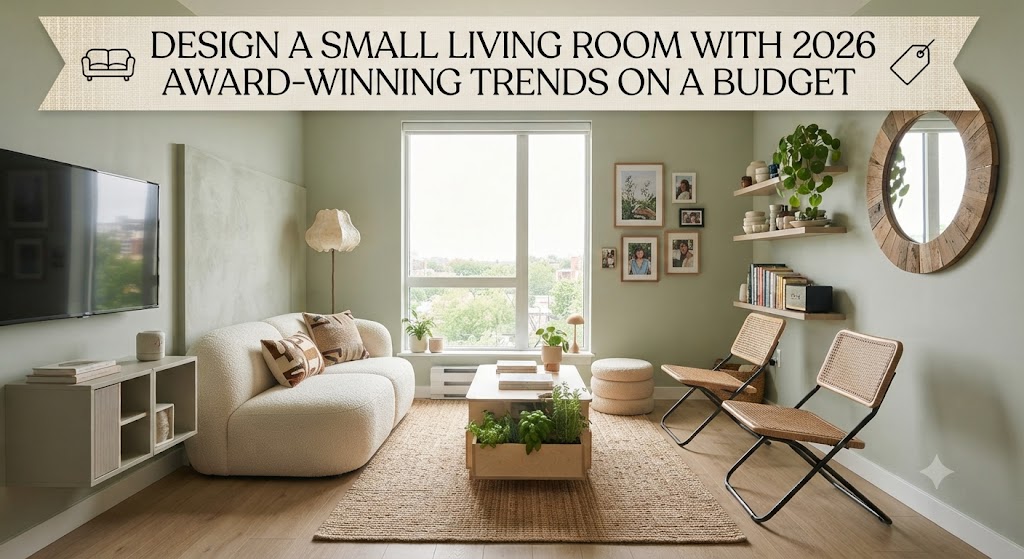
In 2026 the design world is shifting toward resource‑smart aesthetics that prioritize flexibility, sustainability, and subtle technology. The Core77 Design Awards this year highlighted projects that deliver high impact with low environmental cost—exactly the formula young renters need when every square foot counts. This article shows how you can translate those award‑winning ideas into a budget‑friendly makeover for a small living room, without sacrificing style or function.
Trend 1: Sustainable Materials Made Affordable
Recycled wood and eco‑fabric options
Reclaimed timber is no longer a niche luxury. Manufacturers now source salvaged planks from de‑constructed buildings and press them into affordable coffee tables, wall shelves, and even sofa frames. Look for eco‑fabric blends such as Tencel‑linen or recycled polyester for cushions; they mimic natural fibers while costing 15‑30% less than traditional cotton.
Where to find budget‑friendly sustainable pieces
Both IKEA and Target have dedicated green lines. IKEA’s VITTSJÖ series uses recycled aluminium and pine, with price tags under $100 per unit. Target’s Project 62 collection offers reclaimed‑look wood side tables for $45‑$70. These retailers also provide online filters for “sustainable” or “recycled,” making the hunt quick.
DIY upcycling ideas
If you enjoy a hands‑on approach, turn an old pallet into a media console. Sand the boards, apply a matte chalk paint, and add space‑saving dining table ideas by attaching fold‑out legs. A simple coat of sealant protects the wood and adds a polished look for under $30 in supplies.
Trend 2: Multifunctional Furniture for Maximum Flexibility
Sofa‑beds, storage ottomans, fold‑out desks
In a studio apartment the living room often doubles as a workspace. A sofa‑bed with a hidden mattress can host guests without a dedicated guest room. Storage ottomans act as footrests, coffee tables, and hidden closets for blankets or board games. Fold‑out desks that mount to a wall keep a work surface available while staying out of sight when not needed.
How to choose pieces that suit both living and work needs
Measure the floor area first. A sofa‑bed should leave at least 30 inches of clearance for the mattress to unfold. Look for a frame with sturdy legs—metal or solid wood—to support both sitting and sleeping. For desks, prioritize a shallow depth (12‑14 inches) so the unit can sit flush against a wall without crowding the circulation path.
Cost‑effective brands and price ranges
Brands like Wayfair list multifunctional sofas between $350‑$600, while smart lighting for open‑plan living rooms can be added later for under $100 per bulb. For budget‑focused shoppers, check out local thrift stores; a solid‑wood storage chest can be repurposed as an ottoman for $20‑$40.
Trend 3: Neutral Base with Bold Accent Pops
2026 color palette data
Design data from Pantone’s 2026 forecast shows a dominance of soft greys, warm beiges, and muted taupes. These hues create a calming backdrop that makes a compact room feel larger. The trend encourages a neutral canvas that lets accessories become the focal point.
Using accent chairs, rugs, and art for impact
A single accent chair in deep teal or mustard can anchor the room without overwhelming it. Choose a rug with a subtle geometric pattern—this adds visual interest while defining the seating area. Large‑scale art in bold colors draws the eye upward, creating an illusion of height.
Affordable accent sources
Etsy sellers often offer hand‑painted canvas prints for $25‑$45, perfect for a statement wall. Wayfair’s Mid‑Century Accent Chair collection provides designer looks under $150. Mix and match these pieces with a neutral sofa to keep the overall cost under $500 for accents.
Trend 4: Biophilic Design – Bringing Nature Indoors
Low‑maintenance plants that thrive in small rooms
Plants improve air quality and add texture. For limited light, opt for ZZ plant, snake plant, or pothos. These species tolerate neglect and can survive on a weekly water schedule.
Planters that double as storage
Consider a woven basket planter that slides under a coffee table, or a hollowed‑out wooden box that houses succulents while storing remotes. This dual purpose maximizes floor space and reduces the need for separate decorative objects.
Budget plant shops and online nurseries
Home‑grown budget mobile home interior design sites often list starter kits for $15‑$30. Local farmer’s markets also sell small potted herbs for under $5 each, giving you fresh flavor and greenery without a hefty price tag.
Trend 5: Subtle Tech Integration
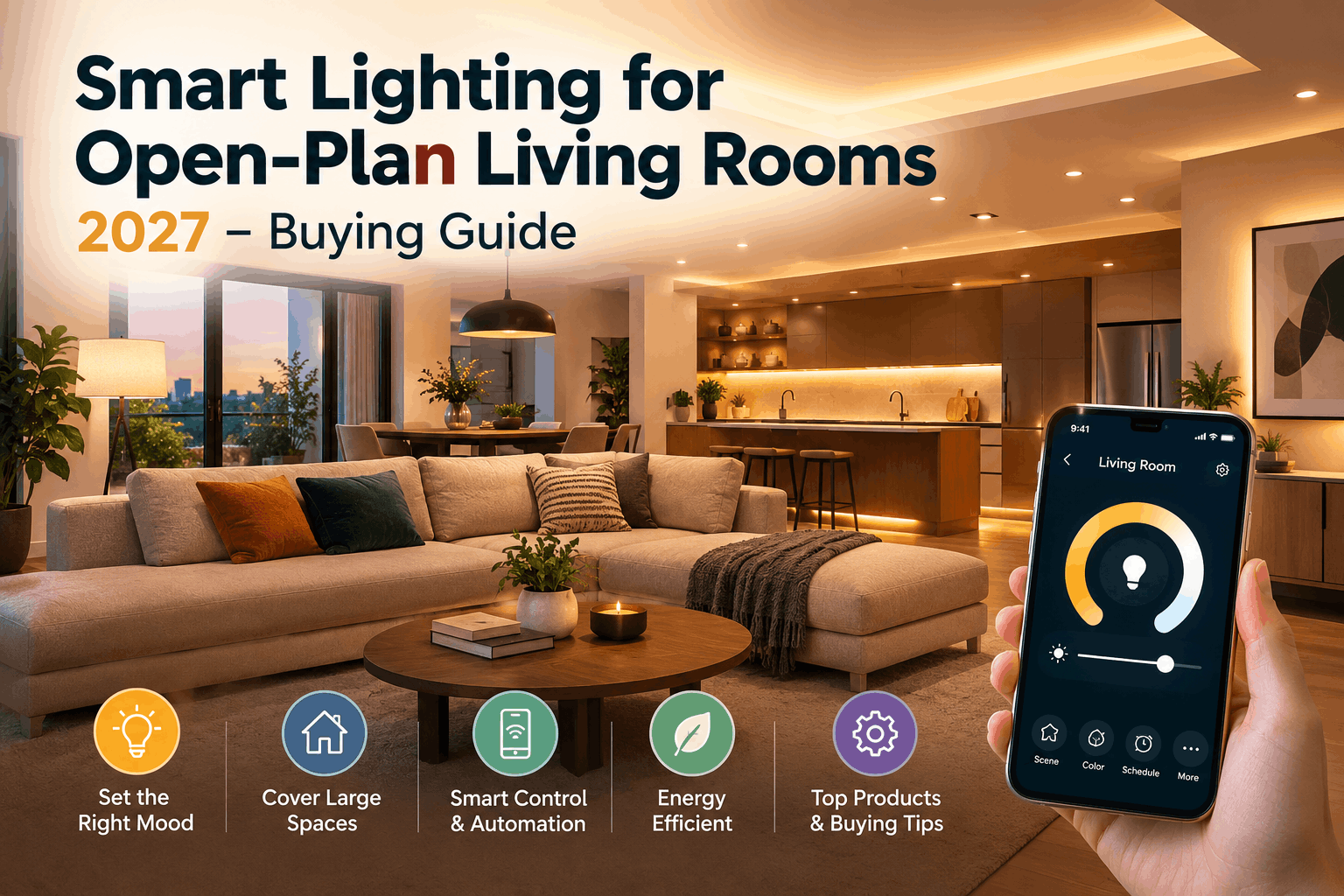
Smart lighting for mood & energy saving
Philips Hue bulbs now come in starter packs for $70, allowing you to program warm evening tones or bright work‑day whites with a phone app. Because they use LED technology, the energy savings add up—roughly $5‑$10 per year per bulb.
Compact sound systems and hidden charging stations
Bluetooth soundbars that mount under a TV or on a wall take up minimal floor area. Look for models with USB‑C passthrough so your phone can charge while you stream music. A simple furniture‑integrated power strip hides cords behind a console, keeping the aesthetic clean.
Entry‑level price points and installation tips
Most smart bulbs are DIY‑friendly; simply screw them in, connect to Wi‑Fi, and follow the app prompts. For hidden charging, purchase a low‑profile power module that slides into a drawer for $20‑$35. Install with a basic screwdriver—no electrician needed for a single‑circuit setup.
Putting It All Together – A Step‑by‑Step Room Blueprint
Create a floor plan using free tools
Start with Planner 5D, a free browser‑based planner that lets you draw walls, add furniture, and experiment with color. Input your room dimensions, then drag in the multifunctional pieces you selected in Trend 2.
Prioritize purchases by impact vs. cost
Rank items on a simple matrix: high impact, low cost (e.g., accent chair, plant), high impact, higher cost (sofa‑bed), and low impact, low cost (decorative trays). Allocate roughly 40% of your budget to the high‑impact items, 30% to multifunctional furniture, and the remaining 30% to accents and tech.
Sample budget breakdown
- Reclaimed wood coffee table – $80
- Sofa‑bed with storage – $500
- Accent chair – $140
- Smart lighting starter kit – $70
- Plants & planters – $60
- Rug and wall art – $180
- DIY upcycled pallet console – $30 (materials)
- Miscellaneous (cables, hooks) – $40
Total: $1,080 – well within a typical $1,200‑$1,500 budget for a first‑time makeover.
Frequently Asked Questions
Can I use a wall‑mounted desk in a rented apartment?
Yes, as long as you use removable adhesive strips or a freestanding unit that doesn’t require drilling. Many renters opt for a floating desk that attaches with hidden brackets, leaving no permanent marks.
What’s the best way to keep a small living room from feeling cluttered?
Adopt a “one‑in, one‑out” rule for decor, use vertical storage (wall shelves), and keep surfaces clear by storing items in ottomans or hidden cabinets.
How often should I replace LED smart bulbs?
LEDs typically last 15‑25 years, far longer than traditional bulbs. Replace only when brightness diminishes or the fixture shows signs of wear.
Conclusion – Your Stylish, Award‑Inspired Small Living Room
2026’s award‑winning trends prove that sustainability, flexibility, and subtle technology can coexist in a modest footprint without breaking the bank. By choosing recycled materials, multifunctional furniture, a neutral‑plus‑accent palette, biophilic touches, and smart yet affordable tech, you’ll create a living room that feels spacious, modern, and uniquely yours. Share your before‑and‑after photos on social media and inspire fellow renters to embrace the same budget‑friendly transformation.