
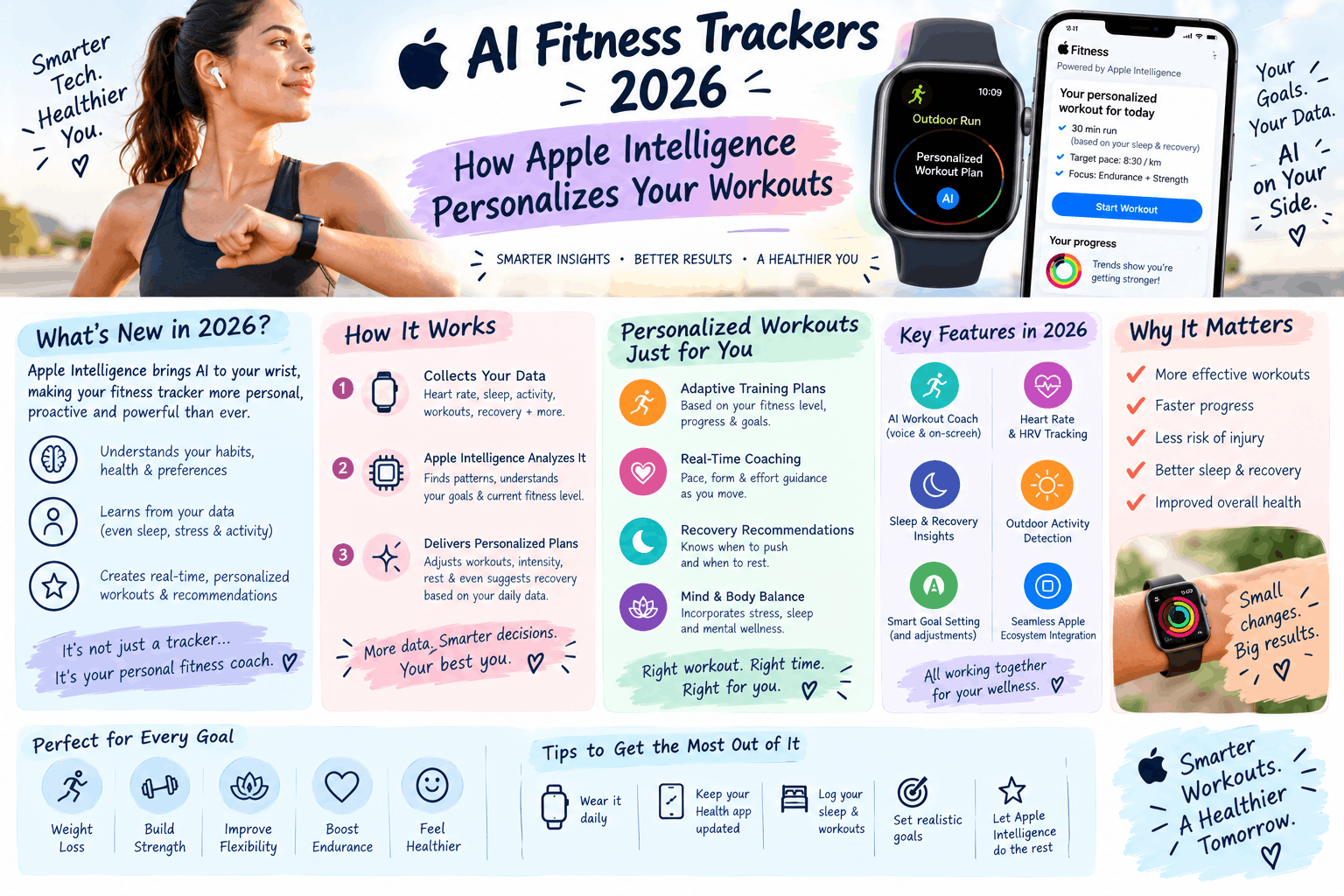
In 2026 an AI fitness tracker is no longer just a step counter—it acts as a context‑aware training partner. By analyzing real‑time biometrics, sleep architecture, stress levels, and training history, platforms like Apple Intelligence dynamically adjust daily workout recommendations to boost performance while preventing burnout and injury. Instead of rigid templates, modern fitness technology continuously adapts sets, reps, heart‑rate zones, and recovery windows based on how your body actually responds.
This shift from passive data collection to predictive action defines the new era of personal health. Whether you aim to break a marathon PR or build strength at home, generative on‑device machine learning can reshape your results. In this guide we explain how Apple Intelligence leads the transformation, compare the top AI fitness trackers of 2026, and outline practical steps to integrate intelligent coaching into your routine.
Why AI Is the Next Evolution in Fitness Tracking
For a decade wrist‑worn devices only told you what you did. They showed steps, calories, and duration, but raw data without context is rarely actionable. Knowing you slept five hours or ran four miles yesterday doesn’t tell you whether a HIIT session or an active‑recovery walk is appropriate today.
Machine learning turns static dashboards into forward‑looking guidance systems. Modern AI models build predictive algorithms that analyze subtle variations in Resting Heart Rate (RHR), Heart Rate Variability (HRV), skin temperature, and daily stress to calculate a physical‑readiness score.
By processing millions of data points across diverse users, an AI fitness tracker can spot early signs of central‑nervous‑system fatigue before you feel soreness, reducing overuse injuries and ensuring each minute of exercise yields optimal adaptations.
Understanding Apple Intelligence for Fitness
Apple Intelligence is Apple’s privacy‑focused personal‑intelligence system built into iOS, watchOS, and macOS. When applied to conditioning, it turns the Apple Watch into an adaptive, on‑wrist coach capable of continuous smart wearable workout personalization.
Core Features
- Contextual Readiness Scoring: Evaluates overnight HRV, sleep stages, wrist temperature, and recent training volume to set a daily capability baseline.
- Dynamic Intra‑Workout Adjustments: If heart‑rate spikes too fast during a tempo run, the system suggests pace or rest‑interval tweaks.
- Natural‑Language Trainer Integration: Ask Siri, “My hamstrings are tight and I slept 6 hours. How should I modify my leg day?” and receive an instant, data‑driven routine.
- Predictive Recovery Insights: Projects optimal high‑volume days versus required deloads based on accumulated fatigue.
Hardware‑Software Synergy
Apple Intelligence runs on the device’s Neural Engine, delivering real‑time inference without sending sensitive data to the cloud. When heavier compute is needed, Private Cloud Compute processes data temporarily without permanent storage.
Top AI‑Powered Fitness Trackers of 2026
1. Apple Watch Series 10 & Ultra 2 (Apple Intelligence)
The flagship for iPhone users, it fuses health telemetry with calendar awareness, suggesting the optimal 45‑minute window for a high‑effort session. For a seamless experience, consider a top‑tier AI fitness tracker that fits your workflow.
2. Whoop 4.0 & Whoop Coach
Whoop excels at recovery. Powered by custom language models, Whoop Coach delivers conversational, highly customized daily advice, quantifying Strain versus Recovery to guide metabolic output.
3. Fitbit Sense 2 (Google Gemini)
Integrates Gemini models for stress management, electrodermal activity, and adaptive cardio recommendations, offering daily Readiness Scores and step‑by‑step routines via Fitbit Premium.
4. Oura Ring 4
Provides elite biometric monitoring in a ring form factor. AI creates a sleep‑to‑activity feedback loop, adjusting movement targets based on circadian alignment and nocturnal recovery signals.
2026 Feature Comparison
| Device | AI Engine | Standout Biometrics | Best For |
|---|---|---|---|
| Apple Watch Series 10/Ultra | Apple Intelligence (On‑Device) | Real‑time HRV, ECG, VO₂ Max, Sleep Stages, Calendar | All‑around fitness, productivity |
| Whoop 4.0 | Whoop Coach (Custom GPT‑4) | Strain, Sleep Debt, Skin Temp | Hardcore athletes, recovery focus |
| Fitbit Sense 2 | Google Gemini | cEDA, Heart Rate, Stress | Stress reduction, wellness guidance |
| Oura Ring 4 | Oura Advisor AI | Circadian, Temp Deviation, HRV Trends | Sleep optimization, discreet wear |
How AI Personalizes Your Workout Routine
1. Continuous Multimodal Data Collection
Modern sensors sample optical heart rate hundreds of times per second and capture motion fidelity via accelerometers and gyroscopes. Over time they establish personal baselines for:
- HRV: Micro‑second variations reflecting autonomic balance.
- VO₂ Max: Estimated oxygen utilization capacity.
- Movement Mechanics: Subtle shifts in form indicating muscular fatigue.
2. Algorithmic Intensity & Volume Calibration
When current HRV drops 20 % below a 30‑day rolling average, Apple Intelligence automatically pivots: reducing squat reps, adding mobility work, or suggesting moderate cardio instead of a heavy session.
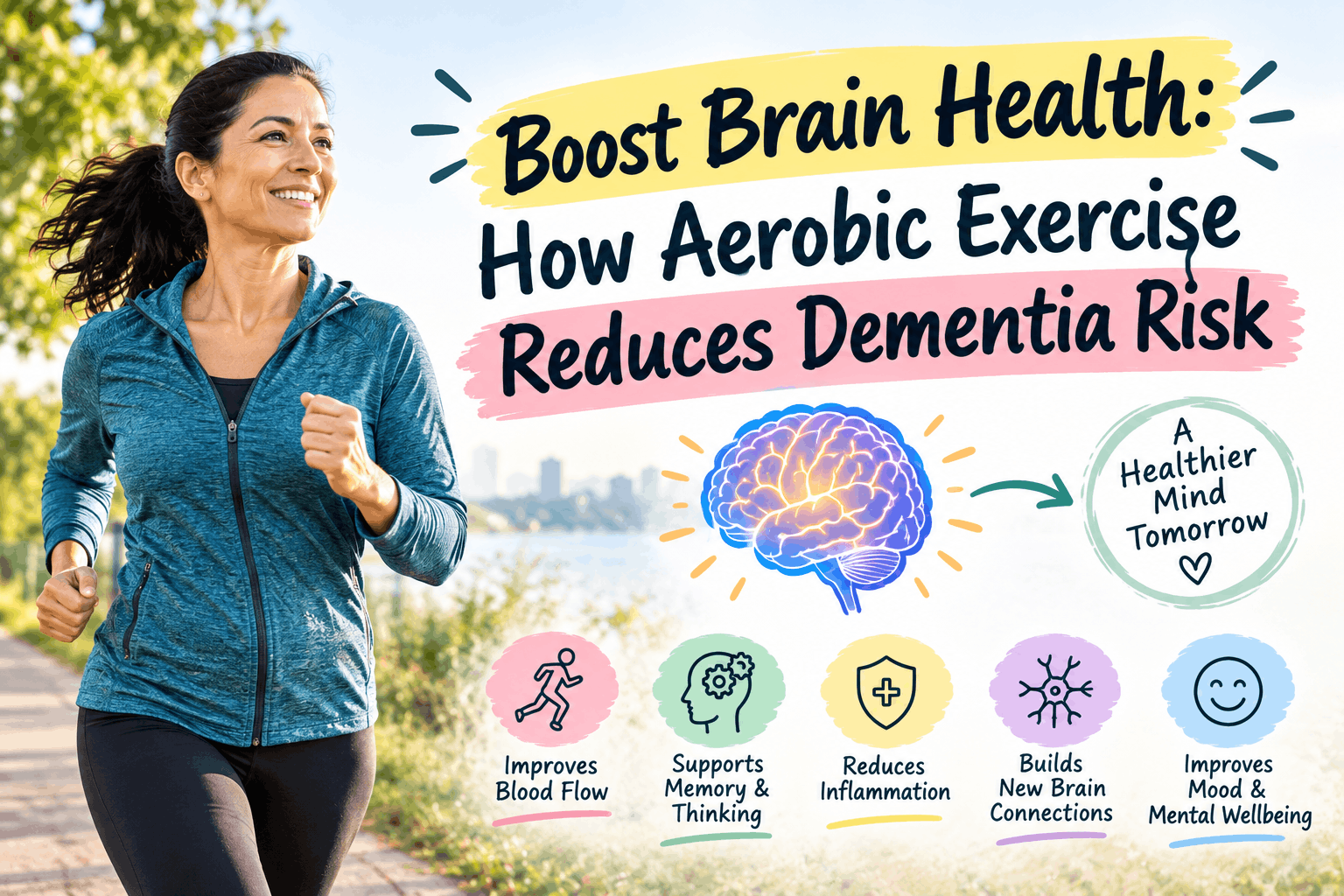
Personalized aerobic training also boosts brain health; studies show that precise intensity matching maximizes neuro‑protective benefits while avoiding neuro‑inflammation from overtraining.
3. Real‑Time Pacing and Fatigue Prevention
During a 5K interval session, the AI monitors heart‑rate recovery between repeats. If recovery slows, the watch alerts you to extend rest or lower target speed, keeping training within the intended physiological zone.
Integrating an AI Tracker Into Your Daily Routine
Step‑by‑Step Apple Intelligence Setup
- Update OS: Install watchOS 11+ and iOS 18+.
- Calibrate Baseline: Wear the device continuously for 14 days, especially during sleep.
- Enable Private Cloud Compute: Settings → Apple Intelligence → Siri → Health permissions.
- Set Fitness Goals: Define primary objectives (hypertrophy, endurance, weight loss, stress reduction) in the Health app.
Syncing with Third‑Party Platforms
- Strava: Auto‑export workouts for social segment feedback.
- MyFitnessPal / Cronometer: Sync nutrition data so AI can factor fuel availability.
- Gym Apps: Grant Health read/write access to capture total tonnage lifted.
Optimizing Equipment Integration
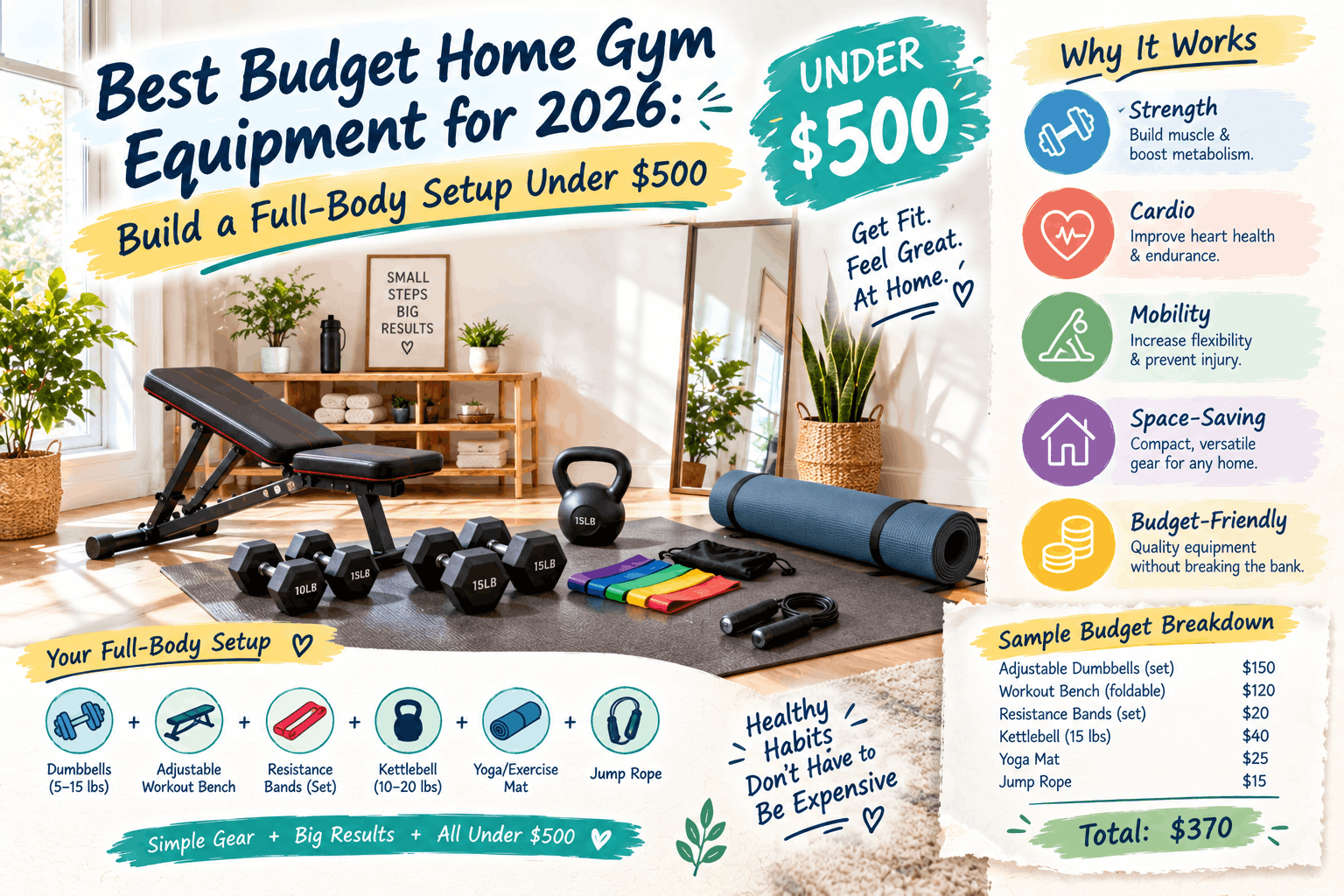
Pair your wearable with budget home‑gym gear—adjustable dumbbells, resistance bands, pull‑up bar—so the AI can generate structured workouts calibrated to the equipment you own.
Privacy, Data Security, and Ethical Considerations
AI fitness platforms handle highly sensitive biometrics. Apple prioritizes on‑device processing; most inferences run locally on the Neural Engine. When cloud resources are needed, Private Cloud Compute processes data temporarily without permanent storage or linkage to your Apple ID.
Other vendors may send raw telemetry to cloud servers, increasing breach risk. Always audit privacy policies to ensure data is never sold without explicit opt‑in.
Future Trends: What’s Next for AI in Fitness?
1. Non‑Invasive Metabolic & Hydration Sensing
Emerging sensors aim to monitor blood‑glucose and sweat lactate continuously, allowing AI to deliver instant nutrition cues during endurance events.
2. Hyper‑Personalized Generative Audio Coaching
Real‑time generative voices will adapt tone, advice, and music tempo based on live biometric feedback.
3. Predictive Health Risk Mitigation
Clinical‑grade algorithms could flag early arrhythmia or metabolic dysregulation, enabling proactive medical interventions and optional insurance wellness programs.
Conclusion & Actionable Takeaways
Rigid, one‑size‑fits‑all training schedules are obsolete. An AI fitness tracker powered by Apple Intelligence converts continuous biometric streams into intelligent, real‑time guidance tailored to your body’s immediate needs, maximizing efficiency, reducing injury risk, and supporting long‑term consistency.
Quick Decision Checklist
- Apple Watch: Seamless iPhone integration, on‑device AI, balanced fitness‑productivity.
- Whoop 4.0: Advanced strain/recovery analytics for serious athletes.
- Fitbit Sense 2: Stress‑focused wellness with Gemini‑driven insights.
- Oura Ring 4: Discreet, sleep‑centric tracking for recovery‑oriented users.
Start Your 30‑Day AI‑Guided Challenge
- Wear your tracker continuously for 14 days to build a baseline.
- Follow AI‑generated readiness recommendations for the next 16 days.
- Compare energy levels, recovery metrics, and performance against previous blocks.
Intelligent, data‑driven training lets you work smarter, recover faster, and achieve sustainable fitness results for years to come.
3 thoughts on “AI Fitness Trackers 2026: How Apple Intelligence Personalizes Your Workouts”
Comments are closed.