Introduction – The New Reality of Dining Out
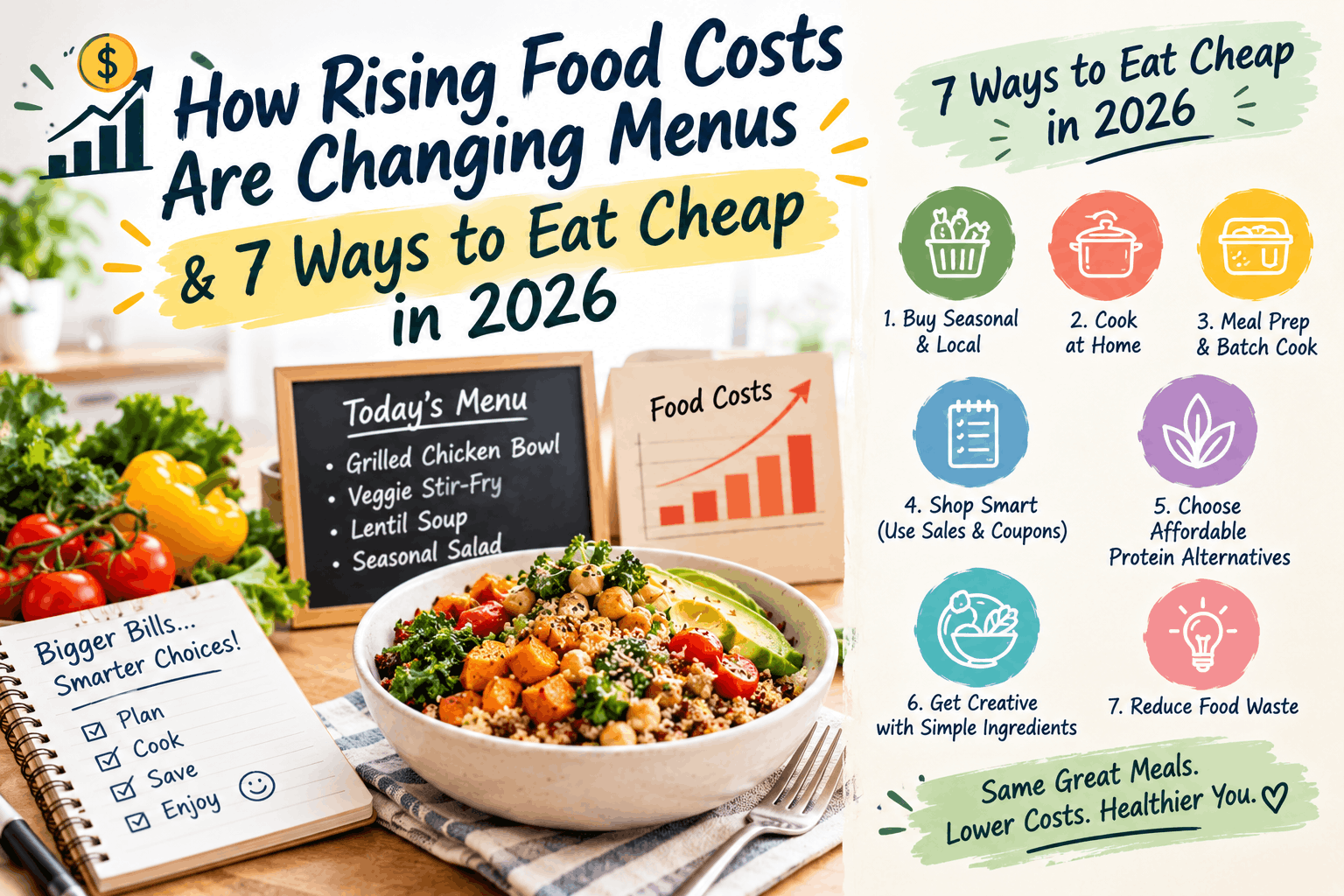
2026 has brought a sharp uptick in commodity prices for beef, dairy, wheat and produce. The Bureau of Labor Statistics reports that food‑at‑home costs are up 7.3% year‑over‑year, while the USDA’s latest outlook shows grain prices at record highs. For diners, the result is a menu that feels pricier, portions that seem smaller, and a growing anxiety about where the next meal will come from. Restaurants, meanwhile, are scrambling to protect margins without alienating loyal guests. This article explains the macro forces behind the surge, shows how eateries are re‑engineering their menus, and equips cost‑conscious diners with seven proven ways to keep meals affordable.
Why Food Costs Are Rising: Macro Factors
Inflation data from BLS and USDA (2026)
The BLS Consumer Price Index for food showed a 7.3% increase in the 12‑month period ending July 2026, the fastest rise since 2011. The USDA’s Food Price Outlook attributes most of that jump to higher feed grain costs, which feed into meat and dairy prices. Seasonal anomalies—such as a late frost in the Midwest that trimmed corn yields by 12%—have compounded the pressure.
Supply‑chain disruptions and freight rates
Post‑pandemic freight bottlenecks remain, with container shipping from Asia to the U.S. West Coast averaging $4,200 per TEU, a 25% premium over 2023 levels. Inland trucking rates have also spiked due to driver shortages, adding another $0.30 per pound to the cost of perishable goods.
Seasonal crop shortages and global demand
Climate‑related droughts in Brazil reduced soybean output, driving up the price of plant‑based proteins that many restaurants rely on as cheaper alternatives. Simultaneously, rising middle‑class consumption in Asia has lifted demand for wheat and rice, squeezing global supplies further.
Energy costs and packaging regulations
Higher natural‑gas prices have increased the cost of cooking fuel and the production of synthetic fertilizers. New state‑level packaging bans also force restaurants to switch to more expensive biodegradable containers, a cost that often gets passed to the consumer.
How Restaurants Respond: Menu Engineering Tactics
Price hikes vs. portion downsizing
Some establishments simply raise menu prices, often rounding up to the nearest dollar to avoid confusing guests. Others opt for “shrink‑flation”: the same dish, fewer ounces, but the same price tag. A mid‑size burger that once weighed 6 oz may now be 5 oz, while the price stays at $12.
Ingredient swaps and “secret menu” items
Chefs are substituting costly proteins with lower‑priced cuts or legumes. For example, a steak‑house might replace ribeye with flank steak, or introduce a “veggie‑boost” option that uses roasted chickpeas in place of beef. Some restaurants quietly add “secret menu” items that use excess inventory—think a daily‑special soup made from day‑old vegetables, offered at a lower price.
Limited‑time offers and value bundles
Limited‑time offers (LTOs) let kitchens buy bulk ingredients at a discount and sell them quickly. Value bundles—such as a “family combo” that pairs an entrée with sides and a drink—encourage higher ticket sales while delivering a perceived discount.
Technology‑driven inventory and AI pricing
Mid‑size chains are piloting AI platforms that analyze real‑time commodity prices, automatically adjusting menu items to maintain target margins. Predictive ordering reduces waste, which in turn cushions the impact of higher ingredient costs.
Regional Snapshots: Real‑World Examples
Arkansas restaurants adapting to higher beef prices
In Little Rock, a popular barbecue joint introduced a “pork‑first” menu, shifting focus from beef brisket to pork shoulder, which saw a 4% price drop compared to beef. The change kept the average check under $20, a crucial threshold for local families.
Boston’s new openings and their pricing strategy
Boston.com reported that three new farm‑to‑table spots in the Seaport district are using a “price‑transparent” model: each dish lists the cost of its main protein. By highlighting cheaper seasonal fish, they attract diners who might otherwise avoid the pricey downtown scene.
University of Utah campus dining expansions and student pricing
The University of Utah rolled out a revamped dining hall that bundles a protein, grain and vegetable for $8.50, leveraging bulk purchasing agreements with regional farms. Students report a 15% reduction in weekly food spend.
Midwest diner case study: “The Grain House”
In Des Moines, “The Grain House” replaced half its meat‑centric menu with grain‑based bowls featuring barley, farro, and seasonal veggies. The shift cut ingredient costs by 12% and attracted a new cohort of health‑focused diners.
7 Actionable Strategies for Diners to Save Money
- Leverage loyalty programs and AMEX‑Resy partnership deals – Many upscale chains now reward points for every reservation made through Resy. AMEX cardholders receive an additional 10% off the bill on Tuesdays.
- Use reservation apps for off‑peak discounts – Apps like OpenTable often list “early‑bird” specials where diners get 15% off when booking before 5 pm. Users also earn cash‑back on select restaurants.
- Order strategically – share plates, skip costly add‑ons – Ordering two entrees to share can cut the per‑person cost by 30% versus two separate meals. Skipping premium sides like truffle fries saves $3–$5 per plate.
- Track daily specials and “happy hour” menus – Most restaurants post specials on their Instagram Stories or on quick‑post style feeds. Setting a phone reminder to check these feeds can net you 20–40% off regular menu items.
- Opt for plant‑based or seasonal dishes that cost less – Seasonal vegetables are often priced lower than imported produce. A roasted cauliflower steak can cost half of a steak‑frites plate while still delivering protein from beans or lentils.
- Utilize campus meal plans or bulk‑purchase programs – Universities like Purdue have partnered with local co‑ops to offer “meal‑share” cards that let students purchase a week’s worth of meals at a 12% discount.
- Apply coupon and cash‑back apps for restaurant spending – Apps such as Rakuten or Ibotta frequently list limited‑time coupon codes for chain restaurants, delivering up to $10 back per month.
Budget‑Friendly Meal Planning When Eating Out
Create a dining budget worksheet
Start with a simple spreadsheet: list expected meals, average cost per meal, and a buffer for occasional splurges. Aim to keep weekly dining spend under 10% of total household income.
Prioritize protein‑rich yet affordable options
Legumes, eggs, and canned fish provide high‑quality protein at a fraction of the cost of steak or salmon. Look for menu items that highlight these ingredients.
Combine dine‑in with take‑out to stretch leftovers
Order a larger portion during lunch, then ask for a to‑go box. The same dish can become dinner the next night, effectively halving the cost per meal.
Use “menu math” to compare value
Divide the price by the weight or number of components. A $14 pasta dish that weighs 12 oz offers a better value than a $12 salad that weighs 6 oz. This quick calculation helps you spot hidden savings.
Impact on Different Cuisine Types
Italian and Mediterranean
Rising wheat and olive‑oil costs have pushed chefs toward grain‑free pastas made from lentils or chickpeas. These alternatives not only lower ingredient spend but also appeal to low‑carb diners.
Asian fare
So‑y sauce and rice have both seen price spikes. Many sushi bars now feature “roll‑lite” options that replace pricey fish with cucumber, avocado, or pickled radish, keeping the price point stable.
Latin American
Beans and corn remain inexpensive, so tacos, burritos, and empanadas have become the go‑to value items. Restaurants are experimenting with “street‑food” style menus that emphasize these low‑cost staples.
Technology Solutions for Consumers
Several start‑ups now aggregate real‑time menu pricing across chains, allowing users to filter by price, calorie count, or dietary preference. Integrating these tools with budgeting apps creates a seamless “spend‑track‑save” loop.
Consumer Psychology: Why Perceived Value Matters
Even when the actual cost of a dish hasn’t changed, diners are sensitive to price cues. Transparent pricing (e.g., showing ingredient cost) can increase willingness to pay, while hidden fees erode trust. Understanding this psychology helps you negotiate—ask servers about “off‑menu” portions or “day‑old” specials that are often priced lower.
Additional Savings Tips
- Join restaurant mailing lists; they frequently send exclusive discount codes.
- Participate in “pay‑what‑you‑can” nights; many community‑focused eateries offer them weekly.
- Choose water or house wine instead of premium bottles; the markup on drinks can exceed 300%.
- Consider “dine‑and‑donate” programs where a portion of the bill is credited to a future visit.
Future Outlook: What to Expect in 2027 and Beyond
The USDA’s 2027 food price outlook projects a modest 2–3% increase in grain costs, assuming climate trends stabilize. However, if freight rates remain elevated, restaurants may double down on menu engineering—more “value bundles,” more plant‑forward dishes, and greater reliance on AI‑driven inventory management to minimize waste. Expect to see more “price‑transparent” menus, where each component’s cost is displayed, allowing diners to make informed choices. Additionally, policy shifts such as potential subsidies for sustainable farming could slowly ease pressure on plant‑based proteins.
Conclusion – Turning Price Pressure into Smart Choices
Rising food costs are reshaping the culinary landscape, but they also open opportunities for savvy diners. By understanding the macro forces, recognizing how restaurants adapt, and applying the seven practical strategies above, you can keep dining out enjoyable and affordable throughout 2026 and beyond.