Johannesburg is a melting pot of flavors, where the scent of sizzling boerewors mingles with aromatic spices from Indian curries and the sweet perfume of traditional African desserts. For travelers who crave authentic taste experiences, the city’s street‑food landscape offers a passport to South Africa’s diverse culinary heritage. This guide walks you through the top markets, the dishes you simply cannot miss, practical safety advice, and a ready‑made 2‑day itinerary that lets you sample the best of Jo’burg without missing a beat.
Why Johannesburg is a Street‑Food Destination
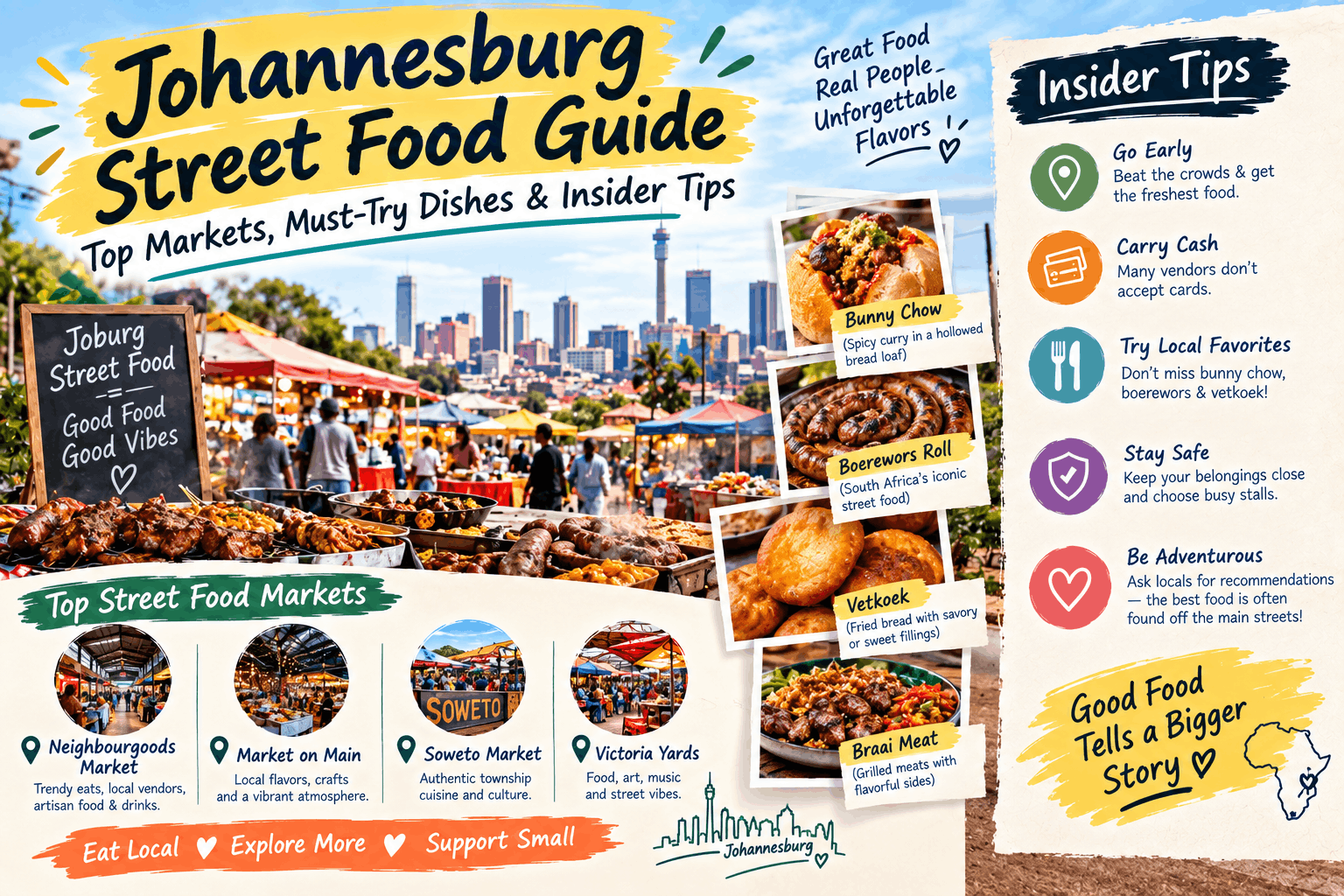
In 2023 Bizcommunity placed Johannesburg among the top‑10 global street‑food cities, citing its rapid growth in culinary tourism and its uniquely hybrid food culture. The city’s history of migration—African, Indian, Dutch, British and Portuguese—has produced a vibrant street‑food tapestry that feels both familiar and daringly new.
- Growth of culinary tourism: South Africa’s tourism board reports a 27% rise in food‑focused trips over the past five years, with Johannesburg leading the charge.
- Cross‑cultural influences: You’ll find a traditional braai stall next to a vendor serving spicy bunny chow, illustrating the seamless blend of African, Indian, and European flavors.
- Affordability and accessibility: Street vendors keep prices low, making it easy for solo travelers and backpackers to sample multiple dishes in a single afternoon.
Top Street‑Food Markets & Neighborhoods
Maboneng Precinct – Artisan Stalls and Fusion Bites
Located just east of the CBD, Maboneng has transformed from an industrial zone into a creative hub. The weekend market bursts with pop‑up stalls serving everything from avocado toast with peri‑peri mayo to reimagined biltong tacos. The area’s open‑air vibe encourages lingering over coffee while watching local artists paint murals.
Melville & 7th Street – Hip Cafés and Street Grills
Melville’s bohemian streets are lined with cafés that spill onto sidewalks, where you can snag a grilled boerewors roll or a hearty bowl of pap with tomato‑based chakalaka. 7th Street, in particular, hosts nightly grill sessions that attract university students and expats alike.
Soweto’s Orlando Market – Traditional Braais and Pap
The Orlando Market is a cultural institution. Vendors here fire up charcoal braais, serving meat on a communal platter with fresh corn, tomato relish and the ever‑popular pap. The market’s lively chatter offers a glimpse into everyday South African life.
Johannesburg CBD Night Market – Late‑Night Cravings
When the office lights dim, the CBD night market awakens. Food trucks line the streets near the Carlton Centre, offering late‑night staples like fried dough koeksisters, peppery biltong skewers, and sweet potato chips dusted with peri‑peri powder.
Must‑Try Dishes & Where to Find Them
Bunny Chow – The Braai Spot in Melville
This Durban‑origin dish has found a home in Jo’burg. The Braai Spot serves a generous hollowed‑out loaf filled with spicy curry (usually chicken or beef). Pair it with a cold rooibos iced tea for balance.
Koeksisters – Sweet Treats at Maboneng Food Market
These deep‑fried, syrup‑soaked twists are a sweet contrast to the city’s savory fare. Look for the stall with a bright orange awning; the koeksisters are glazed on the day they’re made, guaranteeing a crisp exterior and a sticky interior.
Pap & Chakalaka – Orlando Market Stalls
Pap, a creamy porridge made from maize meal, is the perfect canvas for chakalaka—a spicy vegetable relish. Vendors often serve a ladle of pap alongside a heaping spoonful of chakalaka, topped with a grilled sausage slice.
Boerewors Rolls – Street Grill at 7th Street
Nothing says South African street food like a sizzling boerewors roll. The grill on 7th Street offers a choice of sauces—tomato‑based, mustard, or a tangy chutney—allowing you to tailor the heat level to your taste.
Practical Tips for Safe & Enjoyable Eating
- Spot hygienic stalls: Look for vendors who keep raw ingredients covered, use gloves, and have a steady flow of customers—high turnover usually means fresher food.
- Cash vs. card: Most street stalls prefer cash (ZAR 10‑200 per dish). Carry small notes and coins; larger bills can be hard to get change for.
- Cultural etiquette and tipping: A small tip of 5‑10% is appreciated, especially if the vendor prepares a custom order.
- Stay hydrated: Johannesburg’s altitude (1,753 m) can dehydrate you quickly. Drink bottled water and avoid excessive sugary drinks.
- Managing spice: South African street food can be fiery. Ask for “mild” or request a side of plain yoghurt to cool the palate.
Creating Your Own 2‑Day Street‑Food Itinerary
Day 1 – Classic Jo’burg Flavors
- Morning: Start at Maboneng Precinct. Grab a coffee and a koeksister while browsing artisan stalls.
- Midday: Walk to the nearby culinary travel guide article for tips on pairing dishes with local wines. Enjoy a pap & chakalaka bowl at Orlando Market.
- Afternoon: Head to Melville’s The Braai Spot for bunny chow. Take a short break at a nearby park to digest.
- Evening: Experience the CBD night market. Sample koeksisters, grilled biltong, and finish with a chilled rooibos tea.
Day 2 – Hidden Gems & Local Hangouts
- Morning: Take a minibus taxi to Soweto’s Orlando Market for a traditional braai breakfast—boerewors rolls and fresh fruit.
- Midday: Explore 7th Street’s street grill. Order a boerewors roll with extra chakalaka and a side of sweet potato chips.
- Afternoon: Visit a lesser‑known pop‑up at the Johannesburg Art Gallery courtyard, where you can try a fusion taco filled with biltong and avocado.
- Evening: End the day with a sunset view from the rooftop of The Living Room café, sipping a locally brewed craft beer while reflecting on the flavors you’ve discovered.
All distances are walkable or a short ride on the Rea Vaya bus. Allocate 20‑30 minutes for travel between neighborhoods.
Guided Tours, Apps & Services (Affiliate Opportunities)
If you prefer a curated experience, consider booking with Taste of Jozi. Their half‑day tours combine market visits with cooking demos, and they provide a printable map of vendor locations.
For on‑the‑go discovery, the Foodie Trails SA app uses GPS to highlight nearby stalls, filter by dietary preference, and show real‑time reviews. The app also integrates with booking platforms for private culinary experiences.
Conclusion & Next Steps
Johannesburg’s street‑food scene is a living classroom of South African culture—each bite tells a story of migration, adaptation, and celebration. By following the markets, dishes, and tips outlined above, you’ll navigate the city with confidence and leave with a palate full of memories.
Ready to taste the adventure? Book a tour, download the foodie app, and don’t forget to share your favorite dishes on social media using #JoziEats. Your next culinary story starts now.
Frequently Asked Questions
Is street food in Johannesburg safe for tourists?
Yes, provided you choose busy stalls that display good hygiene practices. Look for vendors who keep food covered, use gloves, and have a steady flow of customers.
Do I need to speak Afrikaans or Zulu to order?
Most vendors understand basic English. Learning a few local words like “please” (asseblief) or “thank you” (dankie) is appreciated but not required.
Can I find vegetarian or vegan options?
Absolutely. Many markets offer vegetable‑based dishes such as chickpea chakalaka, grilled halloumi, and fruit‑filled koeksisters. The Foodie Trails SA app lets you filter for plant‑based stalls.