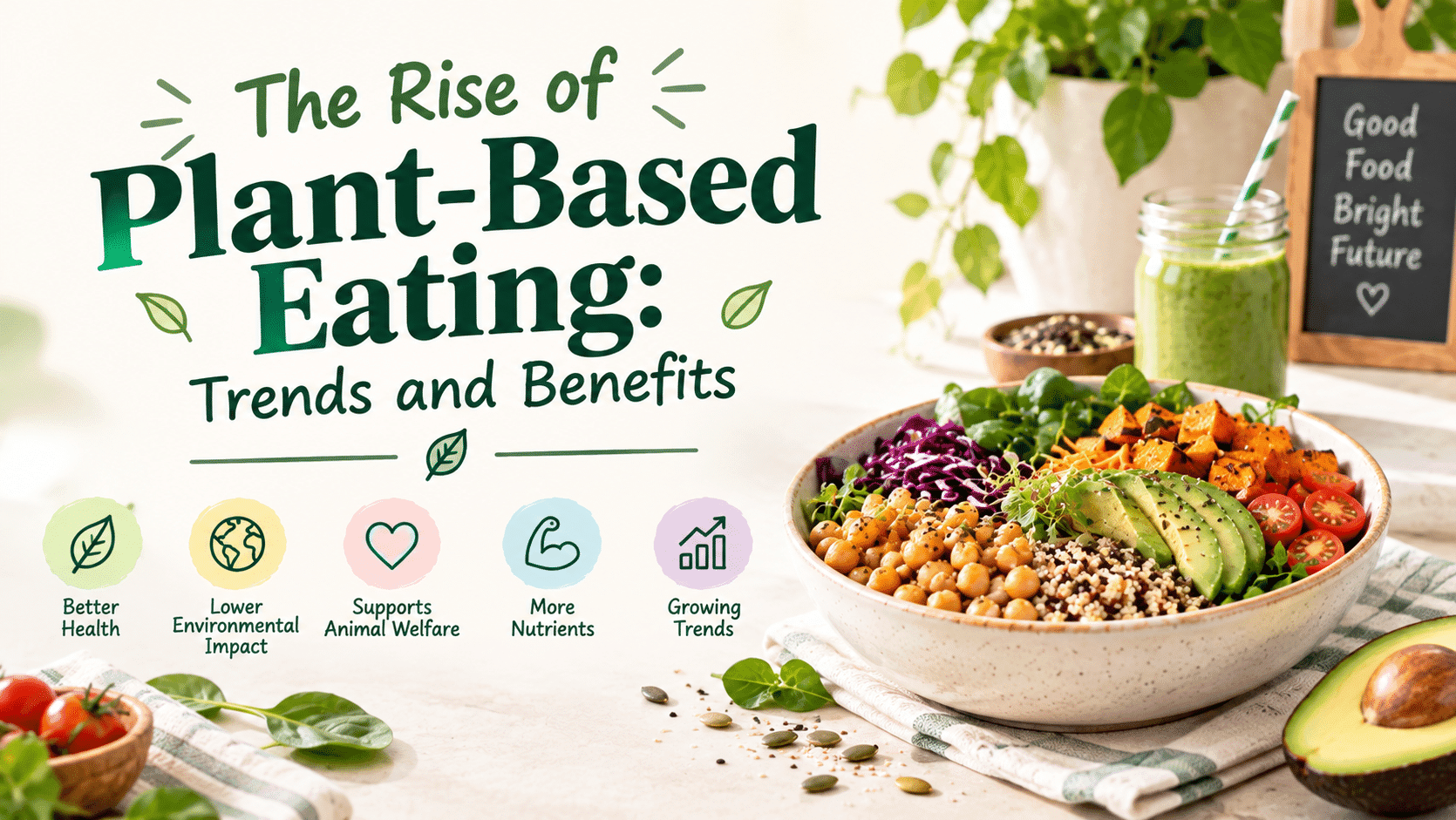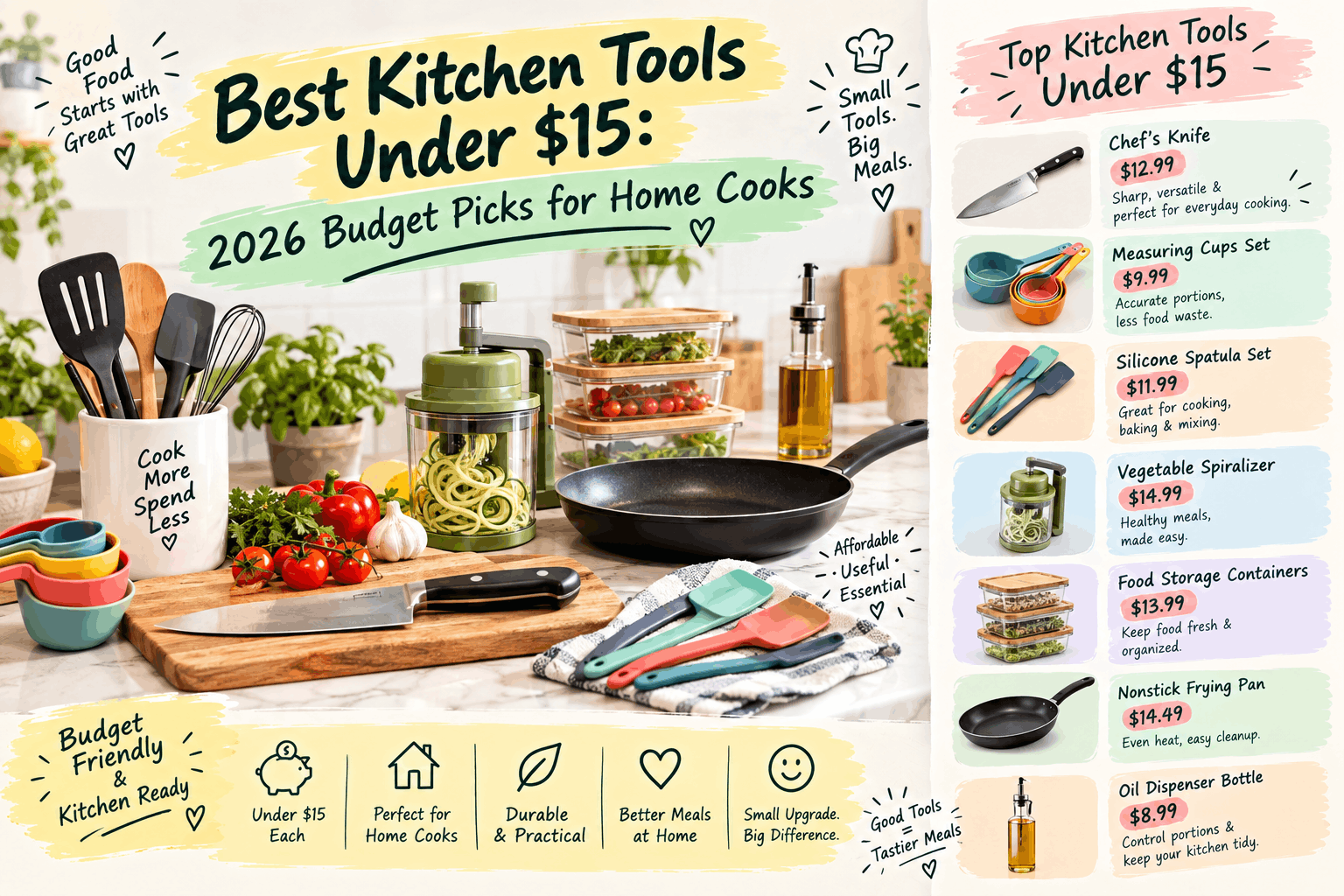
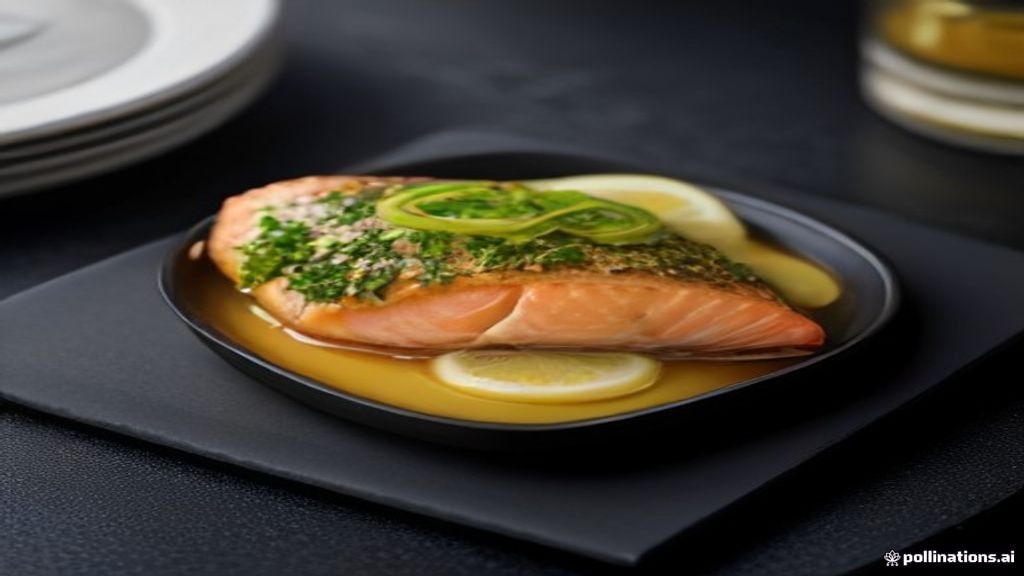
In 2026 the visual landscape of food delivery has become a digital art gallery—bright, perfectly plated dishes that look almost too good to eat. While stunning photography once required a professional photographer, a new wave of generative AI tools now creates hyper‑realistic images at the click of a button. For the digital‑native foodie, this raises an urgent question: are the photos on the menu real or synthetic? This guide walks you through why restaurants turn to AI, the visual red flags that betray a fake, and practical steps to verify what you’ll actually receive.
The Rise of Synthetic Food Imagery: Why Menus Look ‘Too Good to Be True’
Since early 2025, AI models such as DALL·E 3, Midjourney V6, and bespoke restaurant‑specific generators have been integrated directly into the backend of major delivery platforms. By mid‑2026, a study by the FoodTech Alliance found that roughly 38% of new dish listings on top apps featured at least one AI‑generated image. The trend is driven by two main forces:
- Ghost kitchens and budget eateries: These operations often lack the capital for a dedicated food stylist or studio shoot. A single AI prompt can produce a full menu set in minutes, slashing visual‑marketing costs by up to 70%.
- Speed‑to‑market pressure: Seasonal promotions and limited‑time offers demand rapid visual updates. AI lets a brand swap a summer salad photo overnight without waiting for a photographer’s schedule.
While the technology democratizes high‑quality visuals, it also blurs the line between authentic photography and synthetic art, leaving diners to wonder whether the glossy burger they see is the one they’ll actually bite into.
Why AI Food Visuals Are Causing ‘Meal Catfishing’ and Diner Disappointment
The term “meal catfishing” has entered industry chatter to describe the gap between AI‑crafted perfection and the often messier reality of home‑delivered food. A recent consumer‑trust report from the National Restaurant Association highlighted a 12% increase in negative reviews that cite “the dish looked nothing like the picture.” The mismatch stems from several factors:
- Texture exaggeration: AI amplifies sheen on sauces, crispness on fries, and melt on cheese, creating a mouth‑watering gloss that rarely survives transport.
- Idealized plating: Perfect symmetry, immaculate garnish placement, and flawless lighting are difficult to replicate once the food leaves the kitchen.
- Expectation distortion: When diners base their purchase on a flawless visual, any deviation feels like deception, eroding trust not just in a single restaurant but in the platform itself.
Consequently, platforms are feeling pressure to introduce transparency measures, and savvy diners are learning to read between the pixels.
5 Visual Clues That a Menu Photo Is AI‑Generated
Spotting synthetic images isn’t rocket science. Below are five tell‑tale signs you can train your eye to recognize.
Clue 1: Unnatural lighting and glossy sheens
AI often applies a uniform, high‑key light that makes cheese, sauce, or glaze appear overly reflective. Look for a “plastic” shine on melted cheese that lacks the subtle matte shadows you’d see in a real photograph.
Clue 2: Physically impossible garnishes
Floating herbs, perfectly aligned sesame seeds, or a drizzle that seems to hover without a visible spoon are red flags. Real dishes have gravity‑bound garnishes that settle unevenly.
Clue 3: Background blur inconsistencies
AI sometimes reuses the same blurred backdrop across unrelated dishes—think a sushi roll sharing the exact restaurant‑interior blur as a steak. If the depth‑of‑field looks identical in a ramen bowl and a cupcake, suspect synthetic generation.
Clue 4: Hyper‑perfect geometry
Sliced vegetables that are uniformly thick, bread crusts with flawless edge lines, or grill marks that are perfectly parallel suggest algorithmic precision rather than a hand‑cut reality.
Clue 5: Lack of steam, moisture, or natural imperfections
Freshly cooked hot foods emit steam; AI often omits this subtle vapor, leaving dishes looking static. Similarly, you won’t see the occasional oil splatter or uneven glaze that real cooking produces.
How to Verify Real Food Quality Before Ordering
Even with visual clues, the safest way to confirm a dish’s authenticity is to cross‑check the platform’s image with external evidence.
- Search for foods for better sleep or other user‑generated photos on Google Maps, Yelp, and TripAdvisor. Real diners often upload candid shots that reveal texture and portion size.
- Check the delivery app’s badge system. Some platforms label images as “Merchant‑Provided” versus “Platform Template.” A generic template badge often indicates a stock or AI‑generated image.
- Run a reverse image search (Google Images or TinEye) on the hero shot. If the same picture appears on multiple unrelated restaurant pages, it’s likely a stock or AI asset.
- Consider using a photo verification app that can analyze metadata and flag AI‑generated patterns.
The Push for AI Disclosure in Food Marketing
Regulators and industry bodies are beginning to address the transparency gap. The European Commission’s 2026 Consumer Protection Directive proposes mandatory labeling for AI‑generated visual content in e‑commerce, including food delivery. In the United States, the Federal Trade Commission is reviewing guidelines that would require platforms to disclose synthetic imagery when it could influence purchasing decisions.
Beyond compliance, many restaurants are discovering that authentic, imperfect phone photos taken by chefs or staff foster stronger loyalty. A case study from a Chicago‑based ghost kitchen showed a 15% increase in repeat orders after swapping AI images for real‑time Instagram stories of dishes being plated.
FAQ
Can I rely on user reviews to spot fake images?
Yes. Reviews that include personal photos often provide the most reliable visual comparison. Look for recent images that match the dish you’re ordering.
Do all delivery apps use AI‑generated photos?
No. While many large platforms have AI tools in their arsenal, smaller or niche apps may still rely on restaurant‑provided photos. Always check the image source badge if available.
Will AI eventually replace real food photography altogether?
Technologically, AI can produce near‑photorealistic images, but consumer trust and legal disclosure requirements are likely to keep authentic photography relevant, especially for premium or trust‑focused brands.
Conclusion
AI food photos are reshaping the visual language of menus, offering cost‑effective brilliance that can, however, mislead the modern diner. By understanding why restaurants adopt synthetic imagery, recognizing the five visual clues, and cross‑checking with user‑generated content or reverse image tools, you can protect yourself from “meal catfishing” and enjoy meals that look as good on the plate as they do on the screen. Stay vigilant, demand transparency, and let your appetite be guided by reality, not just pixels.