
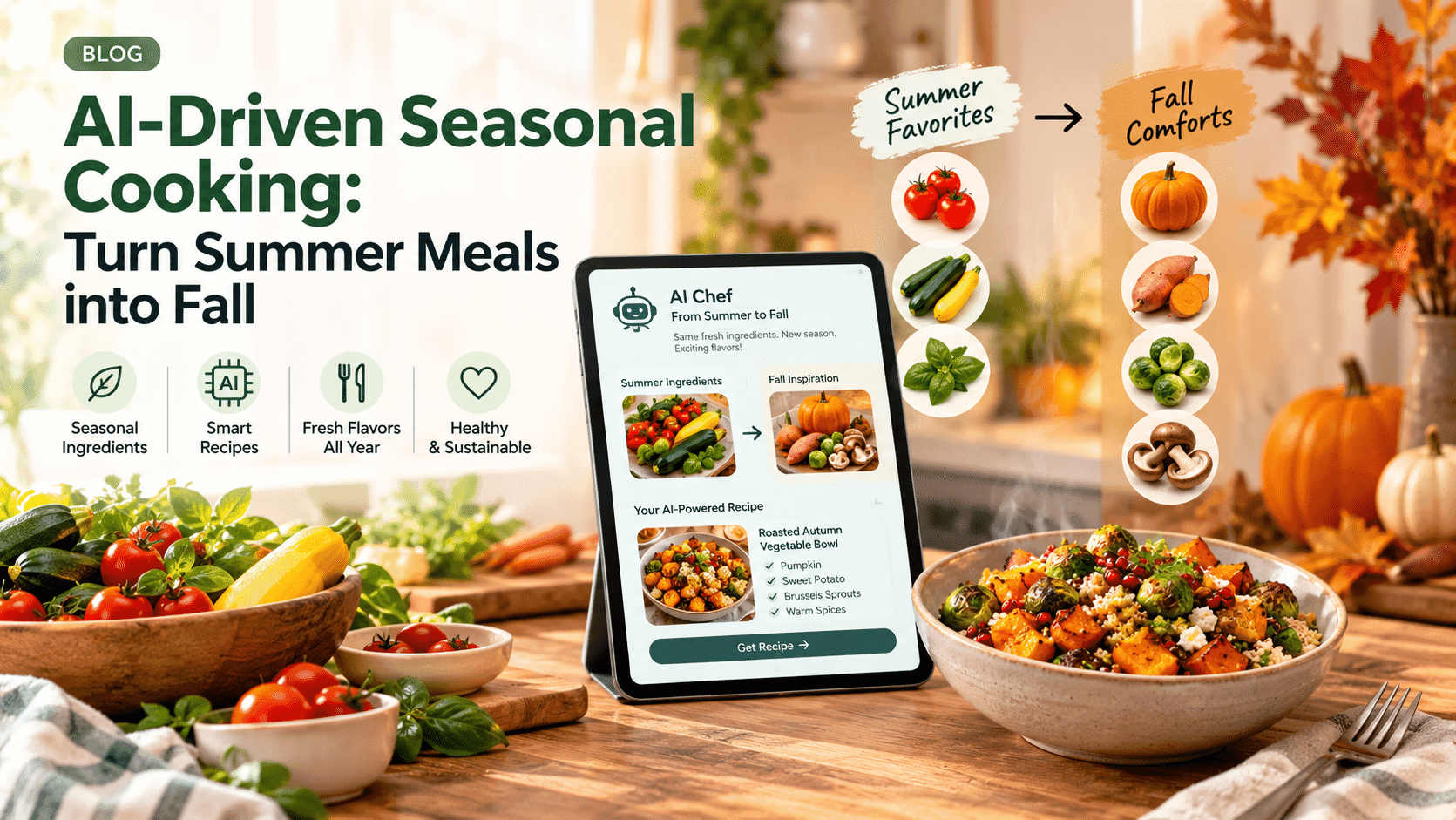
Why AI Is the Perfect Partner for Seasonal Cooking
Artificial intelligence has moved from data‑center experiments to the heart of the modern kitchen. In 2024, AI‑powered assistants are no longer a novelty; they are practical helpers that can scan grocery receipts, suggest flavor pairings, and even predict the next produce trend. By analyzing weather patterns, market reports, and social media buzz, AI can pinpoint which fruits, vegetables, and herbs are at their peak in any given week. This analytical muscle translates into personalized, lightning‑fast recipe ideas that reduce food waste, cut prep time, and keep your menu fresh throughout the season.
For tech‑savvy home cooks, the biggest advantage is the ability to blend data‑driven insight with culinary intuition. Imagine an AI that knows you love spicy soups, notices that pumpkins are entering peak season, and instantly suggests a summer‑style gazpacho with a pumpkin swirl. The result is a seamless transition from bright, grill‑heavy meals to comforting, earth‑toned dishes without the guesswork.
Top AI Tools for Home Cooks in 2024
Several platforms have emerged as leaders in the AI recipe space. Below is a quick look at the most popular options, their core features, and pricing structures.
- Mealime AI – Offers a full‑suite AI meal planner that learns your taste profile, suggests weekly menus, and auto‑generates shopping lists. Free tier includes three weekly menus; premium ($9.99/month) unlocks unlimited plans, advanced nutrition tracking, and integration with grocery delivery services.
- Whisk – Combines a powerful AI recipe generator with real‑time grocery inventory syncing. Users can type “Create a fall version of my grilled corn salad” and receive a tailored recipe plus a one‑click add‑to‑cart button. Free basic plan; Pro ($7.99/month) adds family‑size scaling and premium recipe sources.
- ChatGPT for cooking – OpenAI’s conversational model can be prompted to act as a personal chef. Sample prompt: “Give me a low‑sodium, gluten‑free soup that uses leftover summer tomatoes and fresh pumpkin.” The model returns ingredient lists, step‑by‑step instructions, and optional wine pairings.
When comparing free versus paid options, consider three factors: depth of personalization, integration with grocery services, and the breadth of the recipe database. Free tools often provide solid idea generation but lack the automated shopping list or nutrition analytics that many paid subscriptions deliver.
Step‑by‑Step: Using AI to Transform Summer Dishes into Fall Favorites
- Gather summer leftovers and seasonal fall produce. Pull out ripe tomatoes, grilled corn, fresh herbs, and any leftover proteins. Then head to the farmer’s market for pumpkins, apples, squash, and root vegetables.
- Prompt engineering: sample prompts for AI. Use clear, descriptive language. Example: “Turn my leftover grilled corn and tomato salad into a warm, spiced fall bowl with pumpkin and sage.” The AI will suggest ingredient swaps, cooking methods, and flavor tweaks.
- Evaluate AI suggestions. Check flavor balance (sweet vs savory), cooking time, and equipment requirements. If the AI proposes a 10‑minute simmer for a dish that traditionally needs 30 minutes, adjust accordingly.
- Customize for dietary preferences. Add “make it vegan,” “reduce sodium,” or “increase protein” to the prompt. Most AI recipe generators will instantly re‑calculate nutrition facts and suggest suitable ingredient alternatives.
Five AI‑Curated Summer‑to‑Fall Recipes You Can Make Tonight
- Roasted Tomato‑Basil Soup with Pumpkin Swirl – Blend leftover grilled tomatoes with roasted pumpkin puree, finish with fresh basil and a drizzle of olive oil. Serves 4; prep 15 min, cook 25 min.
- Apple‑Cinnamon Quinoa Salad with Grilled Corn – Toss cooked quinoa, diced apples, toasted pumpkin seeds, and charred corn kernels. Dress with a cinnamon‑honey vinaigrette for a sweet‑savory bite.
- Sausage‑and‑Apple Tagine (AI‑inspired) – Slow‑cook chicken sausage, sliced apples, carrots, and chickpeas in a spiced tomato broth. Serve over couscous for a hearty, aromatic dinner.
- Maple‑Glazed Sweet Potato & Chickpea Curry – Sauté sweet potato cubes with chickpeas, add coconut milk, curry paste, and a splash of maple syrup. Finish with a handful of fresh cilantro.
- Spiced Pear & Walnut Crisp with Oat Topping – Combine sliced pears, toasted walnuts, cinnamon, and a pinch of nutmeg. Top with an oat‑flour crumble and bake until golden brown.
Ensuring Trust and Safety with AI‑Generated Recipes
AI is a powerful collaborator, but it’s still a machine that can misinterpret data. Always cross‑check ingredient quantities and cooking times against trusted sources. Most AI platforms pull from publicly available recipe databases; understanding that source helps you gauge reliability. Common pitfalls include over‑seasoning (AI may suggest multiple salt‑heavy ingredients) and unrealistic cooking times (e.g., “bake at 450 °F for 5 minutes”). A quick sanity check—compare the AI’s suggestion with a traditional recipe for the same dish—will catch most errors before you turn on the oven.
Future of AI in Home Cooking: Trends to Watch
Looking ahead, three trends are set to reshape the kitchen experience:
- Voice‑activated kitchen assistants. Imagine telling your smart speaker, “Turn my summer salad into a fall stew,” and watching the AI display step‑by‑step instructions on a smart display.
- AI‑driven grocery delivery integration. Platforms will automatically add AI‑recommended ingredients to your cart, sync with local stores, and schedule same‑day delivery.
- Personalized nutrition algorithms. By linking wearable health data, AI will suggest meals that meet macro‑nutrient goals, adjust for allergies, and even recommend seasonal superfoods.
Conclusion & Quick Action Checklist
Integrating AI seasonal recipes into your routine offers speed, personalization, and a sustainable way to transition from summer to fall. The technology empowers you to repurpose leftovers, discover new flavor combos, and reduce waste—all while keeping the cooking experience fun and innovative.
- Choose an AI tool (try the free tier of Mealime AI or experiment with ChatGPT).
- Collect your summer leftovers and a handful of fall produce.
- Craft a clear prompt: “Transform my grilled corn salad into a warm pumpkin‑spiced bowl.”
- Review the AI’s suggestions, adjust seasoning, and verify cooking times.
- Cook, enjoy, and note any tweaks for future AI prompts.
Ready to give it a try? Start with a free trial of a recommended AI tool today and watch your kitchen evolve from sunny summer plates to cozy fall feasts.

One thought on “AI-Driven Seasonal Cooking: Turn Summer Meals into Fall”