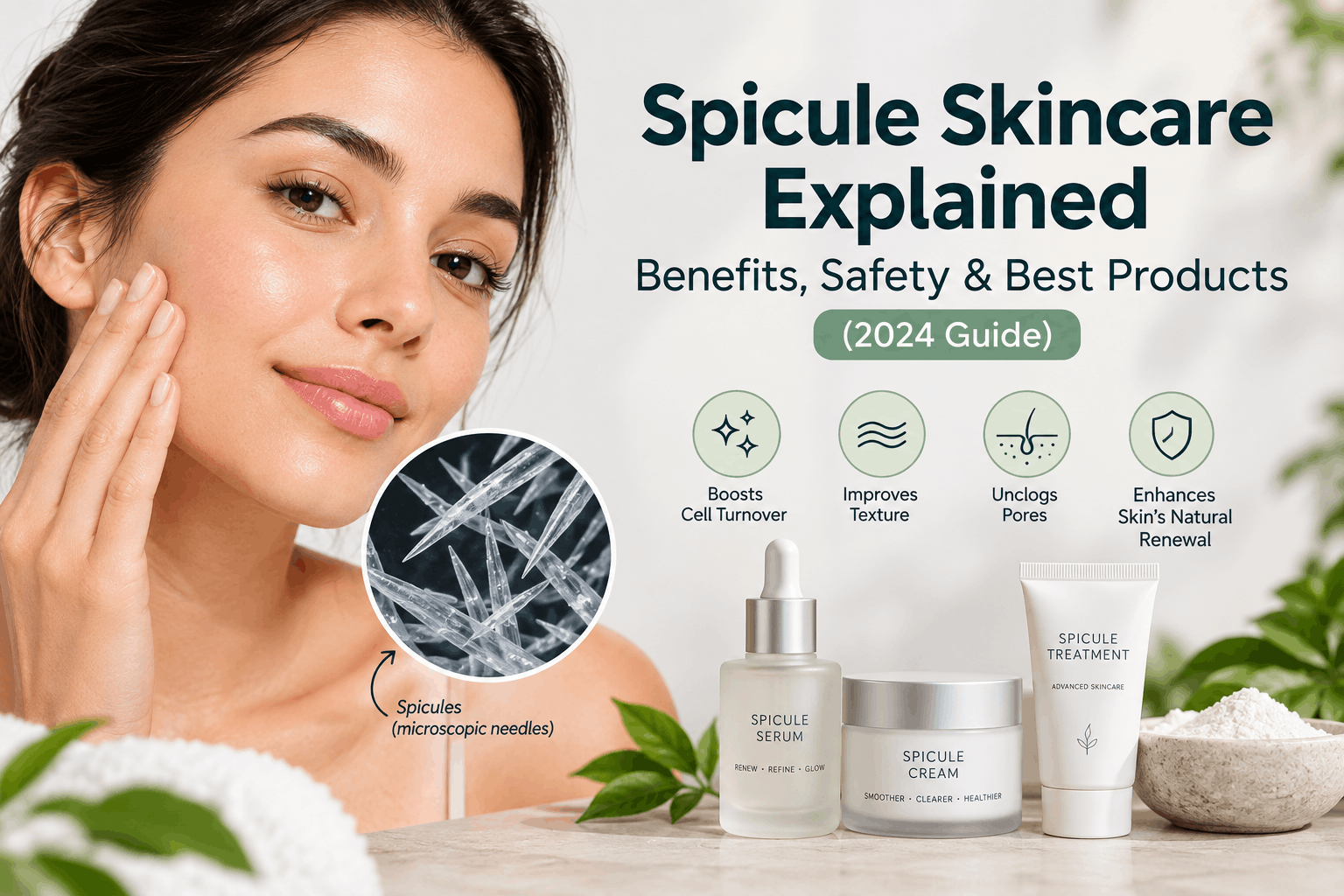
Spicule skincare represents a revolutionary bridge between topical dermatological formulations and invasive clinical procedures. Often dubbed "microneedling in a bottle," spicule skincare utilizes microscopic, needle-like structures derived primarily from marine sponges or bio-engineered materials to physically penetrate the stratum corneum. By creating thousands of transient micro-channels in the upper layers of the epidermis, spicule treatments dramatically elevate ingredient penetration, jumpstart cellular turnover, and stimulate natural collagen synthesis without requiring mechanical rollers or clinical office visits.
As consumer demand for high-efficacy, non-invasive facial resurfacing accelerates, spicule-infused formulations have evolved from niche professional protocols into mainstream skincare regimens. In this comprehensive guide, we will unpack the precise biology and chemistry behind spicule technology, explore how these microscopic silica spears alter topical delivery, examine potential safety risks, and evaluate the top spicule serums setting trends across global skincare markets.
What Are Spicules? Definition and Core Composition
In biological terms, a spicule is a tiny, microscopic skeletal structure that provides structural support to simple multicellular organisms, most notably marine and freshwater sponges (phylum Porifera). In cosmetic dermatology, spicules are purified, hydrolyzed, and sterilized microscopic spears—typically measuring between 100 to 300 micrometers in length and just a few micrometers in diameter. Their application creates controlled, minimal micro-trauma across the skin barrier, prompting structural repair without compromising overall skin integrity.
Marine Origin and Chemical Makeup
The vast majority of cosmetic spicules are harvested from hydrolyzed marine sponges (often referred to as Spongilla lacustris or Spongilla fluviatilis). When processed, all biological debris, cellular material, and organic impurities are stripped away through high-temperature calcination and chemical purification, leaving behind pure, highly stable bio-silica (silicon dioxide) microspheres and micro-needles.
Beyond natural marine silica, recent bio-technological innovations have allowed formulators to engineer bio-degradable polymer spicules. Synthetic spicules made from biocompatible materials like polylactic acid (PLA) or cross-linked hyaluronic acid can carry active compounds internally and dissolve completely within the tissue over time, offering a customizable release mechanism for target actives.
How Spicules Differ from Traditional Active Ingredients
Traditional topical actives—such as standard hyaluronic acid, niacinamide, or botanical extracts—rely on passive diffusion to penetrate the skin barrier. Because the primary evolutionary duty of the stratum corneum is to keep external substances out, passive penetration is often limited to small, lipophilic molecules under 500 Daltons.
Spicules do not operate through passive diffusion. Instead, they function as mechanical physical vectors. Rather than sitting passively on the epidermal layer, spicules anchor themselves momentarily into the upper dermal and epidermal layers. In this way, they serve as biological micro-anchors and delivery channels, working in tandem with advanced biomimetic ingredients and high-potency actives to transport nutrients far deeper than conventional creams can achieve.
How Spicule Serums Work: The Microneedling-in-a-Bottle Mechanism
To understand why spicule skincare is widely heralded as "microneedling in a bottle," it is necessary to examine the physical dynamics that occur when a spicule serum is massaged into human skin.
Micro-Channel Creation and Enhanced Dermal Delivery
When you apply a spicule serum, the mechanical action of massaging the fluid pushes millions of invisible silica micro-needles into the stratum corneum. A single application of a standard spicule serum can deposit between 100,000 to over 500,000 spicules across the face.
As these micro-spears lodge into the upper epidermal tissue, they create transient physical micro-channels. These microscopic punctures temporarily bypass the lipid barrier, creating clear pathways through which accompanying active molecules—such as peptides, hyaluronic acid, growth factors, and antioxidants—can bypass barrier resistance. This mechanism yields an absorption enhancement comparable to clinical micro-channeling treatments, significantly increasing the bio-availability of the entire product formulation.
Particle Size, Dissolution Rates, and Skin Dynamics
The efficacy and sensation of a spicule product depend heavily on two physical parameters: particle size and needle density.
- Length: Needles under 100 micrometers provide gentle surface exfoliation with minimal prickling. Needles ranging from 200 to 300 micrometers reach into the lower epidermis and upper papillary dermis, triggering a more robust regenerative response.
- Density: Formulations are often graded by "shot count" or spicule concentration (e.g., 50,000 to 700,000 spicules per bottle). Higher concentrations increase micro-channel density but yield a sharper prickling sensation.
- Exfoliation and Shedding: Natural silica spicules do not dissolve in human tissues. Instead, they remain lodged in the epidermis for approximately 48 to 72 hours, continuously stimulating localized micro-circulation before being naturally expelled during normal epidermal shedding.
Spicule Serums vs. At-Home Dermarollers
While both spicule serums and mechanical dermarollers aim to create micro-channels, their safety and mechanical profiles differ significantly:
Clinical Insight: Mechanical dermarollers with metal needles often enter the skin at an angle as the wheel rotates, creating unpredictable microscopic micro-tears and lacerations that can cause inflammation or scar tissue. Spicules enter vertically under light pressure and are far smaller in diameter, delivering diffuse micro-stimulation without mechanical tearing.
Key Benefits Backed by Research
The integration of spicule technology into advanced topical regimens provides several distinct biological advantages for skin health and anti-aging.
1. Stimulates Collagen and Elastin Production
The physical insertion of microscopic silica needles into the epidermis registers as micro-trauma at the cellular level. This activates a localized wound-healing cascade without causing real tissue damage. Keratinocytes release signaling cytokines, which stimulate fibroblasts in the upper dermis to increase structural proteins. Over time, this natural repair mechanism promotes firming, enhances elasticity, and diminishes fine line depth.
2. Dramatically Enhances Active Ingredient Penetration
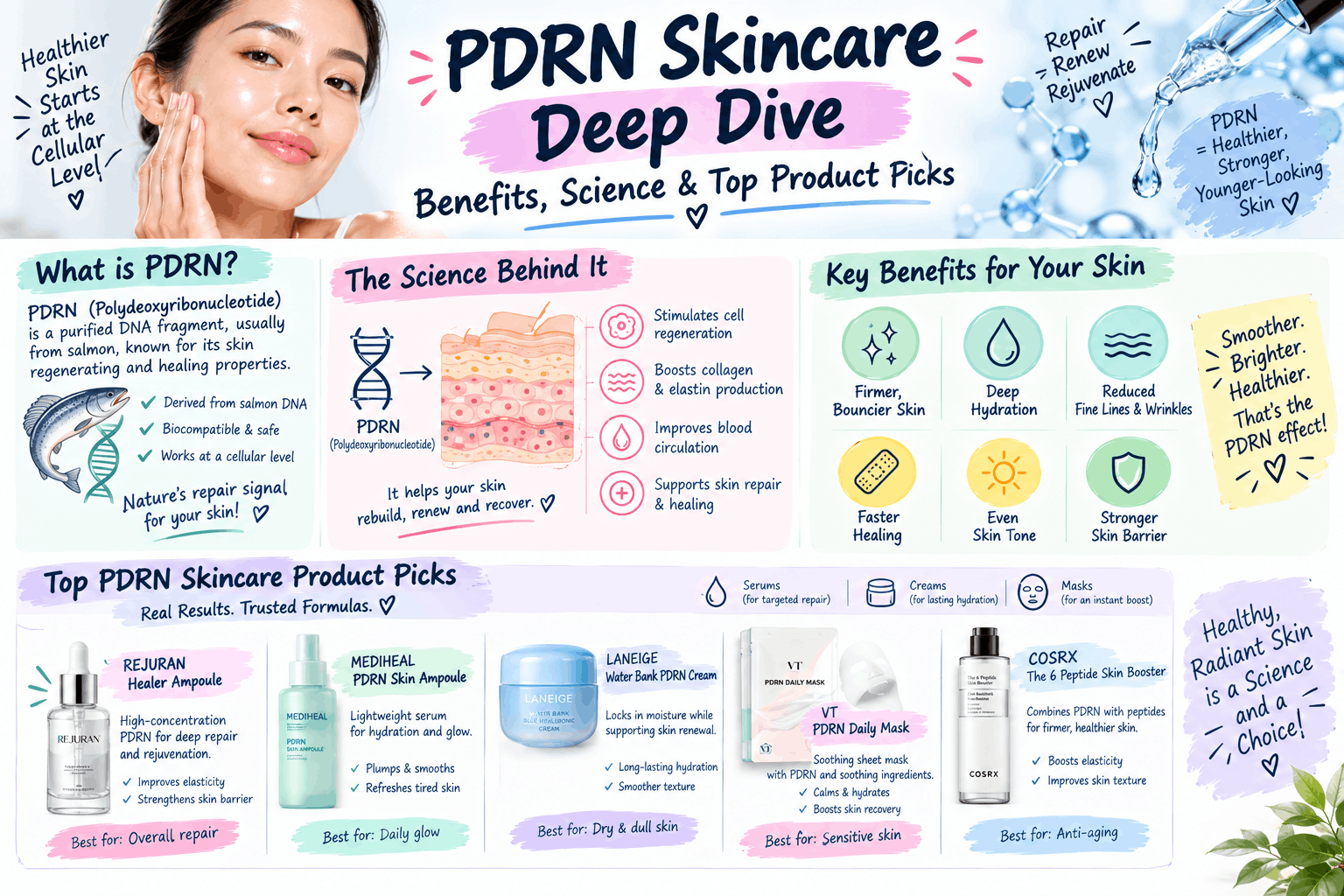
The micro-channels opened by spicules allow macro-molecules that typically struggle with skin barrier entry to reach deeper epidermal layers. For example, pairing spicules with high-potency formulations like PDRN skincare or unstable antioxidants like Vitamin C drastically accelerates therapeutic results, ensuring these high-value ingredients act precisely where skin repair occurs.
3. Accelerates Cellular Turnover and Refines Skin Texture
By remaining embedded in the stratum corneum for 48 to 72 hours, spicules exert continuous biological pressure on surrounding keratinocytes. This localized stimulation speeds up epidermal transit time—the period it takes for new skin cells to travel from the basal layer to the surface. As a result, dull, hyperpigmented, and damaged surface cells shed more rapidly, revealing smoother, radiant skin underneath.
Safety Profile, Side Effects, and Who Should Avoid It
Despite its impressive benefits, spicule skincare is an active physical therapy that requires careful management to protect skin barrier health.
Common and Expected Reactions
When applying a spicule serum, users should expect specific, harmless physiological responses:
- Tingling / Prickling Sensation: A distinct, pin-prick feeling upon application and whenever the skin is touched over the following 24 to 48 hours. This confirms the spicules are embedded and active.
- Mild Erythema: Temporary light flushing or redness immediately post-application due to localized vasodilation and increased blood flow.
- Subtle Desquamation: Flaking or light peeling may occur 3 to 5 days after treatment as cell turnover speeds up.
Contraindications: Who Should Avoid Spicules?
Spicule skincare is not suitable for all skin conditions. Avoid spicule treatments if you experience any of the following:
- Active Rosacea or Inflammatory Acne: Spicules can irritate reactive blood vessels and inadvertently spread active bacterial infections across the face.
- Eczema, Psoriasis, or Severe Compromised Barrier: Skin with impaired structural integrity should not undergo physical micro-channeling.
- Open Wounds or Recent Chemical Peels: Wait at least 14 days after medium-to-deep chemical peels, laser treatments, or facial waxing before using spicules.
Patch Testing and Essential Post-Care Protocols
Always conduct a patch test behind the ear or along the inner jawline 24 hours prior to full-face application. Following a spicule treatment, adhere strictly to these post-care rules:
- Prioritize Hydration: Apply rich, barrier-repairing creams packed with ceramides, squalane, or fatty acids to soothe micro-channels. Internal nutritional support, such as leveraging omega-3 skin benefits, also helps reinforce lipid repair from within.
- Apply Broad-Spectrum Sunscreen: Newly exposed cells are exceptionally vulnerable to UV damage. Daily application of SPF 30+ is mandatory.
- Avoid Immediate Exfoliation: Do not use harsh physical scrubs, facial brushes, or strong chemical exfoliants (AHA/BHA) for 48 hours post-treatment.
Step-by-Step Guide: Using Spicule Serums Effectively
To maximize benefits while minimizing skin irritation, integrate spicule serums into your routine using a structured approach.
Step 1: Thorough Cleansing
Begin with a clean, dry face. Use a gentle pH-balanced cleanser to clear away surface sebum and debris. Ensure the skin is completely dry before applying the serum, as excess moisture on the surface can diminish physical spicule friction during application.
Step 2: Correct Application Technique
Dispense a pea-to-dime-sized amount of spicule serum onto your fingertips. Gently press and roll the serum into target areas (such as areas with enlarged pores, fine lines, or uneven texture) rather than aggressively rubbing. Friction should be gentle but firm enough to press the microscopic spicules into the stratum corneum.
Step 3: Layering Order
Because spicules establish open micro-channels, layer your active serums immediately afterward to boost their performance:
- First: Apply your spicule serum onto clean, dry skin.
- Second: Follow immediately with hydrating or corrective serums (e.g., Hyaluronic Acid, Niacinamide, Peptide complexes, or PDRN).
- Third: Seal everything with a soothing lipid barrier moisturizer.
Frequency Matrix for Safe Usage
| User Experience Level | Recommended Spicule Density | Frequency of Application |
|---|---|---|
| Beginner | 100 to 150 Shot (Low Concentration) | 1 to 2 times per week |
| Intermediate | 300 Shot (Medium Concentration) | Every 3 days (1-2 times per week) |
| Advanced | 700+ Shot (High Concentration) | Once every 7 to 10 days max |
Top 5 Spicule Skincare Products of 2024
The following top-performing formulations combine purified spicules with powerful nourishing actives to deliver outstanding resurfacing results.
1. VT Cosmetics Reedle Shot 300
Widely regarded as the pioneer of modern home spicule therapy, VT Cosmetics Reedle Shot 300 contains approximately 237,500 micro-spicules infused with Cica (Centella Asiatica) extract and low-molecular hyaluronic acid to calm the skin as micro-channels form.
- Key Ingredients: Silica spicules, Centella Asiatica Extract, Triple Hyaluronic Acid, Macadamia Seed Oil.
- Pros: Excellent balance of intensity and healing soothe; highly rated for shrinking visibly enlarged pores.
- Cons: Prickling sensation can be sharp for absolute beginners.
- Best For: Intermediate users targeting texture irregularities and enlarged pores.
2. Medicube Zero One Day Exosome Shot 2000
A formula combining spicule technology with patented exosome delivery systems. Medicube pairs fine silica spicules with pore-tightening exosomes to deliver deep structural support directly into micro-channels.
- Key Ingredients: Hydrolyzed Sponge (Spicules), Milk Exosomes, AHA/BHA/PHA, Panthenol.
- Pros: Excellent for targeted pore control and excess sebum regulation.
- Cons: Slightly higher price point per fluid ounce.
- Best For: Oily and combination skin types dealing with congested pores and uneven tone.
3. Cell Fusion C Spicule Resurfacing Serum
Designed with sensitive skin profiles in mind, this serum utilizes smaller particle micro-spicules coated in calming ectoin and panthenol to minimize initial redness while offering gentle resurfacing benefits.
- Key Ingredients: Hydrolyzed Sponge micro-needles, Ectoin, Allantoin, Ceramide NP.
- Pros: Exceptionally gentle profile; ideal entry point for delicate skin.
- Cons: Lower intensity may require longer usage to see dramatic anti-aging results.
- Best For: First-time spicule users and dry or sensitive skin types.
4. Neogen Dermalogy Spicule Youth Serum
Neogen combines dense spicule technology with a rich anti-aging complex including copper tripeptide-1, adenosine, and hydrolyzed collagen. It focuses specifically on smoothing fine lines and restoring skin rebound elasticity.
- Key Ingredients: Hydrolyzed Marine Sponge, Copper Tripeptide-1, Hydrolyzed Collagen, Niacinamide.
- Pros: Highly effective for firming sagging skin and smoothing fine expression lines.
- Cons: Tightly packed rich texture requires thorough massaging to absorb completely.
- Best For: Mature skin profiles seeking targeted firming and anti-wrinkle support.
5. Skin1004 Hyalu-Cica Spicule Ampoule
Featuring a light gel-serum texture, this option pairs spicules with fermented Madagascar Centella Asiatica and multiple molecular weights of hyaluronic acid. It is an ideal lightweight choice for hot climates or acne-prone skin profiles.
- Key Ingredients: Micro-spicules, Fermented Centella Asiatica, Hyaluronic Acid, Birch Juice.
- Pros: Hydrating, non-sticky gel base that calms inflammation instantly.
- Cons: Lower spicule concentration overall; less intense for deep wrinkle repair.
- Best For: Dehydrated, acne-prone, or climate-sensitive skin needing barrier-safe renewal. If you are looking to start with a proven formula, consider a top-rated spicule serum to jumpstart your resurfacing routine safely.
Spicule Serum vs. Traditional Microneedling: Pros & Cons
Choosing between clinical or mechanical microneedling and topical spicule serums comes down to cost, downtime, and long-term targets.
| Feature | Topical Spicule Serums | Clinical / Dermaroller Microneedling |
|---|---|---|
| Average Cost | $30 – $60 per bottle (multi-use) | $250 – $700 per clinical session |
| Downtime | Zero downtime; mild redness for 2-12 hours | 1 to 3 days of redness, pin-point bleeding, flaking |
| Depth of Penetration | Superficial Epidermal (0.1mm – 0.3mm) | Mid-to-Deep Dermal (0.5mm – 2.5mm) |
| Infection Risk | Extremely Low (sterilized single-use micro-spears) | Moderate (if devices are reused or sanitized improperly) |
| Long-Term Results | Progressive, continuous texture and tone improvement | Significant structural remodel for deep scars and deep wrinkles |
Future Trends: Next-Gen Spicule Technologies
The science of cosmetic spicules is evolving rapidly. Researchers and formulation chemists are pushing beyond basic marine silica toward highly sophisticated dermal drug-delivery vectors:
- Biodegradable Carrier Systems: Future spicules are being created from dissolvable polymer matrices loaded internally with active compounds. Once embedded, these spicules dissolve over 24 hours, releasing precise micro-doses of delicate actives directly inside the tissue.
- Hybrid Spicule-Peptide Complexes: Chemically binding signaling peptides directly onto the outer surface of silica spicules ensures direct transport to dermal receptors before enzymes can degrade them on the skin surface.
- Personalized Micro-Dosing: Customizable spicule systems will soon allow consumers to adjust spicule density and active concentration based on real-time skin barrier diagnostics using smart diagnostic apps.
FAQs – Quick Answers to Common Queries
Can I use spicule serum with retinol?
It is best not to apply strong retinoids and high-concentration spicule serums simultaneously on the same night. Because spicules increase penetration dramatically, combining them directly with strong retinol can trigger severe peeling and contact dermatitis. Instead, alternate nights: use your spicule serum on Night A, and apply your retinol on Night B.
How long before I see visible results?
Immediate improvements in skin smoothness, glow, and product absorption are often noticeable after 1 to 2 applications. Structural improvements—such as pore refinement, diminished fine lines, and fading hyperpigmentation—typically manifest after 4 to 6 weeks of consistent weekly usage, aligning with the skin’s natural cellular turnover cycle.
Is spicule skincare safe for men’s skin?
Yes. Men’s facial skin is typically up to 20% thicker than women’s skin and contains higher sebum density. Spicules are particularly effective on thicker skin, helping penetrate rough texture, clear clogged pores, and minimize razor bumps caused by ingrown hairs. Men should avoid applying spicules immediately after shaving to prevent irritation across freshly shaved areas.
Conclusion: Should You Add Spicule Skincare to Your Regimen?
Spicule skincare bridges the gap between passive topical creams and invasive clinical micro-needling. By temporarily forming micro-channels across the epidermis, spicules enhance active ingredient absorption, accelerate cellular renewal, and boost natural collagen synthesis without structural tissue tearing or extended downtime.
If you struggle with dullness, rough texture, enlarged pores, or stubborn fine lines, incorporating a well-formulated spicule serum 1 to 2 times a week can deliver transformational results. Start with lower concentration formulas, respect your skin barrier with deeply hydrating post-care, and always defend your results with daily broad-spectrum sun protection.