
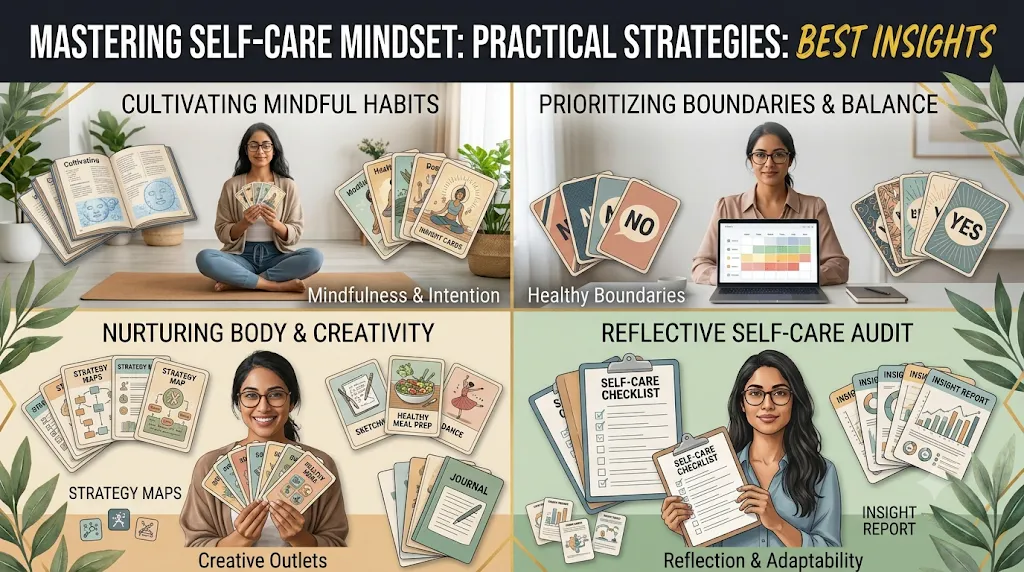
The Science of a Self‑Care Mindset
A single 30‑minute walk can lower cortisol by 20%. That statistic, drawn from a 2021 randomized trial published by the American Psychological Association, demonstrates how the brain’s stress circuitry can be rewired with deliberate practice. The mind, body link is not a myth; it is a measurable, bidirectional relationship. When you schedule self‑care, you are essentially rebalancing neurochemical pathways, dopamine, serotonin, and oxytocin, so that they reinforce calm, focus, and motivation.
Research from the National Institutes of Health indicates that consistent self‑care habits can reduce the risk of chronic diseases by up to 30%. The mechanism? Lower systemic inflammation, improved cardiovascular function, and a more resilient immune response. In practical terms, this means that a 15‑minute mindfulness session before a high‑stakes meeting can lower your perceived stress and increase decision‑making accuracy.
To translate science into practice, consider the “Self‑Care Index” (SCI) below. It assigns a weight to each self‑care component, physical, emotional, social, and cognitive, and provides a simple scoring method to track progress. Use it weekly to see which areas need reinforcement.
Core Pillars of Self‑Care
Self‑care is not a single act; it is a constellation of habits that feed a healthy, productive life. The four pillars, physical, emotional, social, and cognitive, interlock to create a stable foundation. Neglecting one pillar can destabilize the others, much like a bridge with a missing support beam.
Physical self‑care focuses on sleep, nutrition, exercise, and rest. Emotional care involves journaling, therapy, and emotional awareness. Social self‑care is the quality of relationships, community engagement, and boundary setting. Cognitive self‑care includes learning, reflection, and mental stimulation.
When you balance these pillars, you create a self‑reinforcing loop: better sleep improves mood, which enhances social interactions, which in turn fuels motivation for learning. The key is to maintain a dynamic equilibrium, not perfection. Use the Self‑Care Index to identify which pillar is lagging and allocate resources accordingly.
Time‑Blocking for Self‑Care
Time is a finite resource, yet many people feel chronically short on it. Time‑blocking turns the abstract idea of “time management” into a concrete map. Allocate 15 minutes each morning for a gratitude ritual, 30 minutes each evening for a walk, and 10 minutes before bed for a brief meditation. Mark these blocks on your calendar with the same priority as a meeting with a client.
To keep blocks from bleeding into each other, use the “buffer zone” technique: insert a 5‑minute pause between activities. This pause lets your brain reset, preventing the cognitive overload that leads to burnout.
Implement a weekly review: at the end of each week, assess how many blocks were completed and why any were missed. Adjust the next week’s schedule based on insights. This iterative process transforms self‑care from a sporadic indulgence to a disciplined habit.
The Power of Micro‑Habits
Micro‑habits are actions that take less than 30 seconds. They are the building blocks of larger behaviors. For example, placing a reusable water bottle on your desk triggers a 10‑second habit of drinking water before lunch. Over time, the small cue becomes a self‑sustaining routine.
Use the “Cue‑Routine‑Reward” loop to embed micro‑habits. The cue is the trigger, the routine is the action, and the reward is the immediate positive feedback, like a feeling of accomplishment or a splash of refreshing water.
To scale micro‑habits into macro‑habits, chain them. Begin with a single micro‑habit, then add a second one after you have completed the first for three consecutive days. Repeat this process until you have a full self‑care routine that feels natural and sustainable.
Emotional Resilience Toolkit
Resilience is the capacity to bounce back from adversity. It is cultivated through intentional practices that strengthen emotional regulation. Begin with a daily “emotion check‑in”: name the emotion you feel, rate its intensity on a 1, 10 scale, and note its source.
Next, apply the “3‑Step Reappraisal” method: (1) identify the thought, (2) challenge its validity, (3) replace it with a constructive perspective. This cognitive reframing reduces rumination and increases emotional flexibility.
Finally, anchor your resilience with grounding exercises. For instance, the 5‑4‑3‑2‑1 technique involves identifying five things you see, four you can touch, three you hear, two you smell, and one you taste. This sensory focus pulls you out of distressing rumination and back into the present moment.
Cognitive Reframing Techniques
Cognitive reframing is the art of shifting perspective to alter emotional response. It is most effective when practiced with deliberate structure. Start with a “Thought Record” sheet: note the situation, the automatic thought, the emotion, and the evidence for and against the thought.
Once you have identified distortions, such as catastrophizing or black‑and‑white thinking, replace them with balanced alternatives. For example, transform “I always fail” into “I’ve had challenges, but I have also succeeded in many areas.”
Practice reframing daily by selecting one challenging situation each day and applying the Thought Record. Over time, the process becomes almost instinctual, and you’ll notice a measurable decline in anxiety scores on the GAD‑7 scale.
Digital Detox Blueprint
Digital overload is a silent threat to mental health. The average adult spends over 8 hours a day interacting with screens, which can fragment attention and elevate cortisol. A structured digital detox can restore focus and improve sleep quality.
Implement the “30‑Minute Rule”: limit non‑essential screen time to 30 minutes per day. Use built‑in phone features or third‑party apps to enforce this limit. Replace the time with a physical activity, reading, or a creative hobby.
On weekends, schedule a full “screen‑free” hour each day. During this hour, engage in a non‑digital activity such as gardening, cooking, or a board game. Observe how your mood, energy, and productivity shift after a week of disciplined digital boundaries.
Nutrition & Sleep Synergy
Nutrition and sleep are interdependent pillars of self‑care. The body’s circadian rhythm aligns with meal timing; eating too close to bedtime can disrupt melatonin production. Aim to finish your last meal at least 3 hours before sleep.
Incorporate foods rich in tryptophan and magnesium, such as turkey, almonds, and dark leafy greens, to promote sleep quality. Pair them with a short walk or gentle stretching to facilitate the release of serotonin.
For sleep hygiene, maintain a consistent bedtime routine: dim lights, lower room temperature to 18, 20°C, and read a physical book for 10 minutes before bed. Avoid blue light exposure from screens at least one hour before sleep. Use the “Sleep Hygiene Checklist” to ensure all components are covered each night.
Movement & Breath Integration
Physical movement is not just about calories burned; it is a conduit for mental clarity. Integrate breathwork into each movement session to amplify benefits. For instance, practice “box breathing” (inhale for 4, hold for 4, exhale for 4, hold for 4) while walking or performing yoga poses.
Start with a 10‑minute daily session combining brisk walking with box breathing. Progress to a 30‑minute session of yoga or Pilates, focusing on controlled exhalations to activate the parasympathetic nervous system.
Track progress by noting heart rate variability (HRV) before and after each session. An increase in HRV indicates improved autonomic balance, correlating with better stress resilience.
Social Connection Matrix
Human beings thrive on connection, yet many feel isolated in modern life. Build a “Social Connection Matrix” to map out relationships across five categories: family, friends, colleagues, community, and mentors. Assign a frequency score (daily, weekly, monthly, yearly) to each interaction.
Identify gaps where frequency is below desired levels. Allocate one social activity per week to each low‑score category, such as a coffee catch‑up with a friend or a volunteer shift at a local organization.
Use the “Connection Quality Scale” to assess satisfaction with each interaction. Aim for a score of 8 or higher on a 10‑point scale. When you hit the target, you’ll notice an increase in overall life satisfaction and a reduction in depressive symptoms.
Tracking & Accountability Systems
Consistency is the key to transformation, and accountability is its engine. Choose a tracking system that fits your style: a digital habit tracker, a paper journal, or a shared spreadsheet with a mentor.
Set SMART goals, Specific, Measurable, Achievable, Relevant, Time‑bound. For example: “I will meditate for 5 minutes daily for 30 consecutive days.” Log each session and review progress weekly.
Pair tracking with a reward system: after completing 10 days of a habit, treat yourself to a favorite snack, such as a healthy snack from this selection. Rewards reinforce positive behavior and maintain motivation.
Long‑Term Sustainability & Growth
Self‑care is an evolving journey, not a destination. Periodically revisit your Self‑Care Index to recalibrate priorities. As you grow, add new pillars such as financial wellness or creative expression.
Use the “Quarterly Review” to assess progress, set new goals, and adjust strategies. Invite a trusted peer or coach to provide objective feedback.
Remember that the goal is sustainable improvement, not perfection. By embedding self‑care into daily routines, leveraging evidence‑based techniques, and maintaining accountability, you create a resilient foundation that supports both professional success and personal fulfillment.
Comparison Table: Self‑Care Apps & Tools
| Tool | Price | Key Features | Pros | Cons |
|---|---|---|---|---|
| Headspace | $12.99/month (subscription) | Guided meditations, sleep sounds, movement videos | Wide variety, evidence‑based content | Monthly fee, limited free version |
| MyFitnessPal | Free (Premium $9.99/month) | Nutrition tracker, exercise log, community | Large food database, integration with wearables | Data input can be time‑consuming |
| Calm | $14.99/month (subscription) | Sleep stories, breathing exercises, mindfulness | High‑quality audio, variety of content | Limited exercise options |
| Forest | $4.99 (one‑time) | Focus timer with tree‑planting incentive | Motivating gamification, low cost | Not a comprehensive self‑care app |
| Insight Timer | Free | Thousands of meditations, community | Large library, no subscription | Interface can be cluttered |
Frequently Asked Questions
What if I have no time for self‑care?
Start with micro‑habits that fit into existing routines, drinking water before each meeting, a 2‑minute breathing exercise during lunch, or a 5‑minute gratitude note before bed. Over time, these small actions accumulate into a robust self‑care practice.
How do I avoid feeling guilty about taking time for myself?
Reframe self‑care as an investment in your productivity and well‑being. View it as a necessary maintenance task, like oiling a machine, that prevents breakdowns later in the day or week.
Can self‑care improve my work performance?
Yes. Studies show that employees who engage in regular self‑care report higher job satisfaction, lower absenteeism, and improved problem‑solving skills. The physiological benefits, lower cortisol, better sleep, directly enhance cognitive function.
What if I feel overwhelmed by the number of self‑care options?
Use the Self‑Care Index to prioritize. Start with one pillar, master it, and then add the next. A phased approach reduces overwhelm and increases success rates.
How can I keep my self‑care routine engaging?
Introduce novelty every 4, 6 weeks. Swap a meditation app, try a new workout class, or switch to a different journal format. Variation keeps the brain engaged and prevents habituation.



One thought on “Mastering Self‑Care Mindset: Practical Strategies”
Comments are closed.