
When a 15‑year‑old student in India booked a $12 flight to Paris, she unlocked a world of possibilities.
That single ticket was not a fluke; it was a lesson in the mechanics of budget travel. The same principles that let a teenager slash airfare can save seasoned travelers thousands of dollars each year. If you want to stay on top of the game, you must understand the forces that shape ticket prices, the tools that reveal hidden deals, and the tactics that transform a budget into a passport to the world.
The Economics of Flight Hacking: Why It Matters
Airfares are a product of supply, demand, and a complex web of ancillary revenue streams. Airlines set base fares to cover operating costs, then add fees for baggage, seat selection, and even the ability to change a ticket. When you ignore these hidden charges, you pay far more than the headline price.
In 2023, the average cost of a round‑trip ticket on a short‑haul route in North America dropped 12% compared to 2022, yet the average ancillary fee climbed 8%. That means that the headline price can be deceptive. By hacking the system, choosing the right time, route, and booking method, you can reduce the total cost by 30, 70%.
Budget flight hacking is not just about saving money. It’s about gaining flexibility, learning to read market signals, and becoming a self‑sufficient traveler who can adapt to changing circumstances without breaking the bank.
Core Principles of Budget Flying
1. Price is a moving target. A ticket that costs $200 today might be $150 a week later. 2. Ancillary fees are the hidden cost. Baggage, seat selection, and priority boarding can add up quickly. 3. Flexibility pays off. Being willing to change dates, airports, or layovers can unlock the best deals.
Apply these principles systematically. Start with a clear goal: the destination, the budget, and the travel window. Then, iterate through options, always factoring in the total cost, not just the base fare.
When you adopt a disciplined approach, you’ll see patterns emerge, specific days of the week when airlines release new inventory, or particular routes that consistently offer low fares.
Tools & Platforms: The Digital Arsenal
Every budget traveler needs a toolkit. Here are the essential platforms that reveal the hidden layers of airfare pricing.
Search Engines and Meta‑Search Sites
Google Flights, Skyscanner, and Momondo aggregate inventory from multiple carriers. They provide price calendars, price alerts, and route comparison features. Use them to spot the lowest price windows.
Fare Alert Services
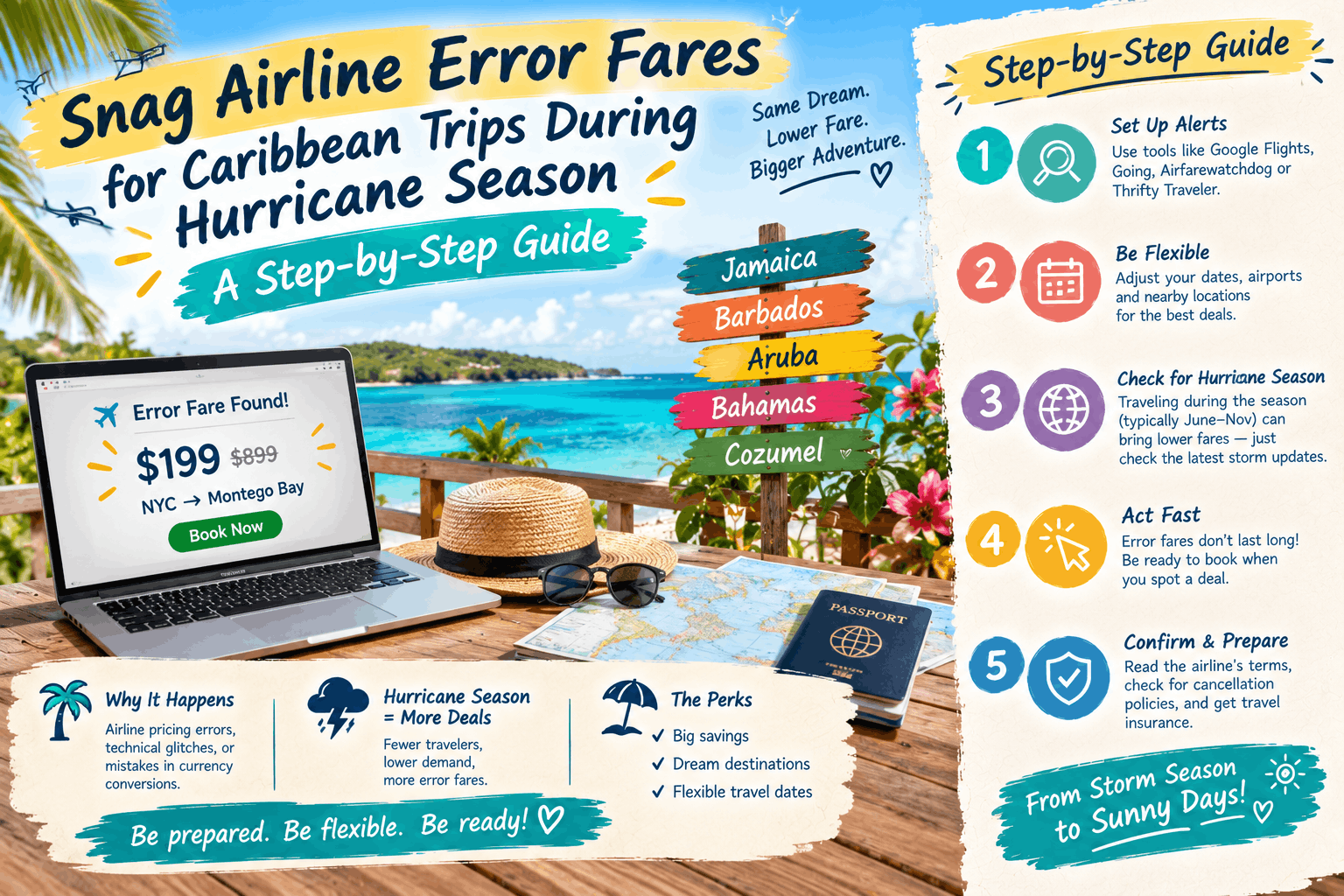
Hopper, Airfarewatchdog, and Skiplagged send push notifications when prices dip. Hopper predicts future price trends with up to 95% accuracy, allowing you to book at the optimal moment.
Loyalty Program Dashboards
Airline loyalty portals (e.g., United MileagePlus, Delta SkyMiles) show points balances, redemption charts, and partner offers. They also reveal when airlines run promotions that can be combined with low fares.
Credit Card Reward Portals
Major travel cards (Chase Sapphire, Capital One Venture, American Express Platinum) allow you to convert points into airline miles or hotel stays. Their dashboards show transfer partners, bonus categories, and redemption rates.
Hidden City Booking Tools
Skiplagged’s “hidden city” feature lets you book a flight to a layover destination and skip the final leg. Use this with caution, airlines penalize frequent offenders, so limit the practice to infrequent, long‑haul trips.
Timing Tactics: When to Book, When to Fly
Airfare prices follow a predictable rhythm. Understanding the timing can save you hundreds.
Book 6, 8 Weeks in Advance for Domestic Trips
Statistical analysis shows that the sweet spot for domestic flights is between 6 and 8 weeks before departure. Book earlier if you need a specific seat or want to avoid last‑minute fees.
Book 2, 5 Months Ahead for International Flights
International fares tend to peak 2, 5 months before departure. Airlines release inventory in blocks; waiting until the last minute often results in higher prices.
Fly on Tuesdays and Wednesdays
Mid‑week flights are typically cheaper because business travelers dominate weekend traffic. Compare prices for all days of the week; you’ll often find a 10, 20% discount on Tuesdays or Wednesdays.
Avoid Peak Travel Seasons
Avoid holidays, school breaks, and major events. For example, flights to Europe during the Christmas period can cost 50% more than mid‑January.
Route Hacks: Leverage Stopovers, Open‑Jaws, and Multi‑City
Direct flights are convenient, but they’re usually the most expensive. Here’s how to use routes to your advantage.
Stopover Strategy
Many airlines offer free stopovers on long‑haul flights. For example, Qatar Airways and Turkish Airlines allow a 24, 48 hour layover in Doha or Istanbul at no extra cost. Use these to split the journey and explore a new city.
Open‑Jaw Flights
Book a flight into one city and out of another. For instance, fly into Tokyo and out of Osaka. This often reduces the overall cost because airlines price each leg separately.
Multi‑City Bundles
Some carriers offer discounted multi‑city itineraries that bundle several legs into one ticket. Compare the cost of separate one‑way tickets versus a bundled multi‑city fare.
Low‑Cost Carriers (LCC) for Regional Travel
Use LCCs (e.g., Ryanair, EasyJet, Southwest) for short hops. Combine them with full‑service carriers for long‑haul segments to keep costs low.
Loyalty Programs & Credit Cards: Maximizing Points
Points and miles can be the difference between a cheap ticket and a free one. Here’s how to optimize them.
Choose a Multi‑Carrier Card
Credit cards that reward all travel purchases (e.g., Chase Sapphire Preferred, Capital One Venture) allow you to accumulate points across all airlines. These points often transfer to a variety of airline partners.
Leverage Transfer Bonuses
When a card offers a 25% bonus transfer to a partner airline, you can convert 10,000 points into 12,500 miles. Use this to redeem a flight that would otherwise cost $300.
Enroll in Airline Loyalty Early
Sign up for loyalty programs before your first flight. Some airlines award 1,000 bonus miles for completing a flight within the first 90 days.
Use Companion Tickets
Many airline partners offer a companion ticket for a reduced price when you purchase a first‑class or business class ticket. This effectively halves the cost of premium travel.
Stack Promotions
Combine a credit card bonus with an airline promotion (e.g., 50% off a redemption flight). The combined discount can exceed 70%.
Hidden Fees & How to Dodge Them
Even the cheapest base fare can become expensive if you ignore ancillary fees.
Baggage Fees
Carry only a small backpack or use a travel bag that qualifies for free checked luggage. Many airlines now allow a free 10 kg carry‑on; pack smart.
Seat Selection Fees
Choose an airline that includes seat selection in the base fare (e.g., JetBlue, Southwest). If not, pre‑select your seat online for free or pay a small fee.
Priority Boarding Fees
Many airlines charge for early boarding. Consider buying a low‑cost premium class ticket that includes priority boarding, often cheaper than paying the fee.
In‑Flight Snacks and Wi‑Fi
Pack your own snacks and bring a portable Wi‑Fi hotspot. Avoid purchasing expensive airport or in‑flight meals.
Change and Cancellation Fees
Book refundable tickets or those that allow free changes. Some low‑cost carriers offer a “flex” fare for a small premium. Compare the cost of a non‑refundable ticket plus change fee versus a flexible ticket.
Case Studies: From Zero to Cheap Flights
These real‑world examples illustrate how the tactics above translate into savings.
Case 1: Student in India to Paris
A 15‑year‑old student used Skyscanner’s price calendar to find a $12 flight on a low‑cost carrier with a 24‑hour layover in Istanbul. She paid $15 for baggage, $5 for seat selection, and $5 for priority boarding. Total cost: $37, an 80% savings compared to a standard ticket.
Case 2: Business Traveler in New York
A corporate executive combined a Chase Sapphire Preferred bonus of 25% transfer to United MileagePlus with a United promotion offering 50% off a redemption flight. He redeemed 12,500 miles for a $200 ticket, effectively paying $50 out of pocket.
Case 3: Family Vacation in Southeast Asia
A family of four booked a multi‑city itinerary with AirAsia. They used a travel card that rewarded all purchases and transferred points to a partner airline. The total cost for two round‑trip tickets and a stopover in Singapore was $450, a 60% reduction from the standard price.
Practical Framework: The 5‑Step Budget Flight Plan
Follow this systematic approach every time you book a flight.
Step 1: Define Your Constraints
- Destination(s)
- Travel window (dates)
- Maximum budget (incl. all fees)
- Preferred airlines or alliances
Step 2: Search & Compare
Use Google Flights and Skyscanner to create a price calendar for your window. Set alerts on Hopper for price dips. Record the lowest base fare and the associated fees for each option.
Step 3: Evaluate Route Flexibility
Check for stopover options, open‑jaw possibilities, and LCC segments that could reduce cost. Use Skiplagged to test hidden city routes.
Step 4: Maximize Rewards
Determine if you have a credit card or airline points that can offset the fare. Transfer points if a bonus is available. Consider booking a flexible ticket if the cost difference is less than the potential savings from a change fee.
Step 5: Finalize & Book
Book through the airline’s official site to avoid third‑party fees. Add baggage and seat selection if needed, but only if the cost is justified. Double‑check the total cost, including all ancillary fees.
Follow this framework consistently, and you’ll see a measurable reduction in travel costs over time.
Frequently Asked Questions
Q1: Are hidden city bookings legal?
They are not illegal, but airlines reserve the right to cancel tickets or penalize frequent offenders. Use them sparingly and only for long‑haul flights.
Q2: Can I use a travel card to pay for a flight and get a refund?
Yes, many travel cards allow you to pay for a flight with points and then receive a refund if the ticket is cancelled. However, check the card’s terms for specific rules.
Q3: How often should I check for price drops?
Set alerts on Hopper or Skyscanner and check prices at least once a week. Airfares can change daily.
Q4: What is the best way to avoid baggage fees?
Pack a small, lightweight carry‑on that meets airline size restrictions. Consider airlines that include one free checked bag in their base fare.
Q5: Do airline loyalty programs still matter?
Yes. Even if you don’t fly frequently, earning status can unlock free upgrades, lounge access, and bonus points.
Q6: Can I combine two low‑cost carriers on the same itinerary?
Yes, but be careful with baggage policies and check-in times. Some low‑cost carriers require you to check in online and may not accept baggage from partner airlines.
Conclusion
Budget and flight hacking are not about finding the cheapest ticket; they are about mastering the system that sets those prices. By applying disciplined timing, route flexibility, reward optimization, and fee avoidance, you can transform a $1,200 round‑trip into a $300 experience. The tools are available, the knowledge is public, and the savings are within reach.
Ready to start hacking? Book your next flight here and use travel accessories on Amazon to travel light and smart.
For deeper insights into airline economics, check out International Civil Aviation Organization and U.S. Department of Transportation Aviation Statistics.
| Hack Technique | Typical Cost (USD) | Pros | Cons |
|---|---|---|---|
| Hidden City Booking | $100, $200 | Large savings on long‑haul flights | Airlines may cancel tickets; limited to infrequent use |
| Stopover Strategy | $150, $250 | Explores new cities for free | Longer travel time; not all airlines offer free stopovers |
| Open‑Jaw Flights | $200, $300 | Potential cost reduction; flexible itineraries | Requires careful planning; may not be available for all routes |
| Credit Card Points Transfer | $0, $100 | Redemption can be free or very cheap | Transfer windows and limits; need to meet minimum spend |
| Flexible Ticket Purchase | $250, $400 | Free changes; no penalty fees | Higher base fare; may be overkill for short trips |