
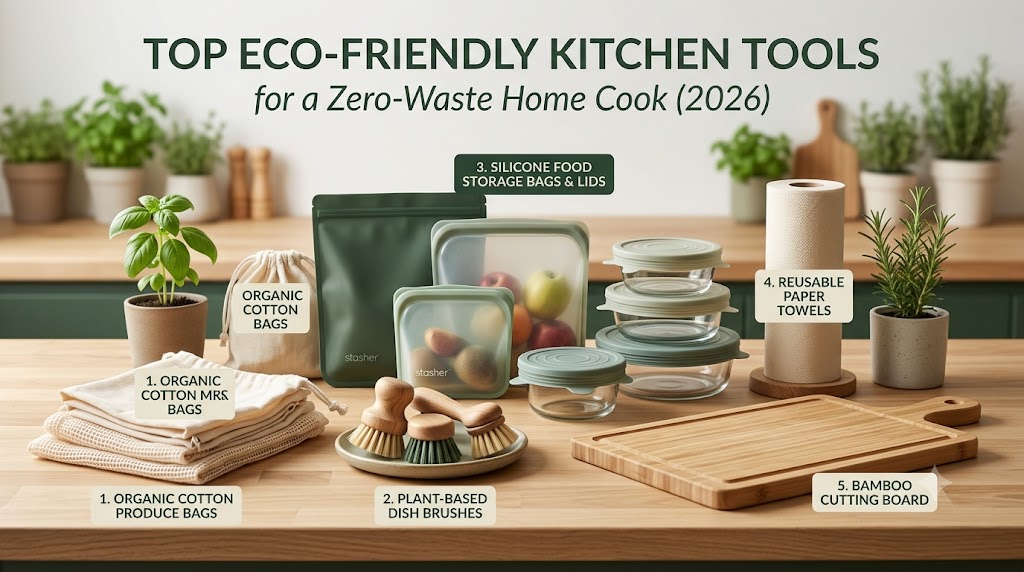
Going green in the kitchen isn’t a trend—it’s a practical response to mounting environmental pressure and a desire for healthier, more cost‑effective cooking. In 2026, a new generation of sustainable kitchen tools makes it easier than ever to cut waste without compromising performance. Below you’ll find a data‑driven, hands‑on guide that walks you through why eco‑friendly choices matter, which tools lead the market, how to spot genuine green claims, and where to buy them at the best price.
Why Go Eco‑Friendly in the Kitchen
Traditional kitchen habits generate a hidden stream of waste: single‑use plastics, disposable parchment, and cheap metal that rusts and ends up in landfills. According to recent waste audits, the average household discards over 30 kg of kitchen‑related trash each year, much of it non‑recyclable. Switching to eco‑friendly tools tackles this problem at the source.
- Environmental impact: Renewable materials such as bamboo or stainless steel require far less energy to produce and can be recycled indefinitely, shrinking carbon footprints.
- Health benefits: Non‑toxic, BPA‑free alternatives keep harmful chemicals out of food, protecting both you and the planet.
- Long‑term cost savings: Durable items outlast disposable counterparts, meaning fewer replacements and lower overall spend.
Top 10 Sustainable Kitchen Tools for 2026
- Bamboo cutting board – Harvested from fast‑growing bamboo, these boards are naturally antimicrobial, gentle on knives, and biodegradable at the end of their life.
- Reusable silicone food storage bags – Airtight, dishwasher‑safe, and built to last a decade. Reusable silicone bags replace dozens of plastic zip‑locks each year.
- Stainless‑steel strainer set – 100 % recyclable, rust‑proof, and heat‑resistant, making them ideal for boiling, blanching, and draining.
- Compostable plant‑based trash bags – Made from corn‑starch polymers, they break down in industrial composting facilities while offering odor control.
- Energy‑efficient induction cooktop – Uses magnetic fields to heat pans directly, cutting electricity use by up to 50 % compared with traditional electric coils.
- Glass mason jars with silicone lids – Zero‑plastic pantry storage that resists staining and can be repurposed for drinks, dry goods, or DIY projects.
- Cast iron skillet – Naturally non‑stick after seasoning, it lasts generations and requires no synthetic coatings.
- Reusable beeswax food wraps – A sustainable alternative to cling film; the wax creates a breathable seal that keeps produce fresh.
- Eco‑friendly vegetable spiralizer – Stainless‑steel blades paired with a minimal‑plastic housing let you turn veggies into noodles without waste.
- Solar‑powered kitchen timer – Small photovoltaic panel charges an internal battery, providing off‑grid timing for any cooking task.
How to Verify Eco Claims and Avoid Greenwashing
Not every “green” label is trustworthy. Use these checkpoints before you click “add to cart.”
- Look for third‑party certifications such as USDA Organic, FSC (Forest Stewardship Council), or GREENGUARD. These indicate independent verification.
- Read the material composition and recyclability statements. Transparent brands list exact percentages of renewable, recycled, or biodegradable content.
- Assess product lifespan and warranty. A 5‑year or lifetime guarantee often signals confidence in durability.
- Consult independent reviews and durability tests. Community forums, YouTube durability challenges, and consumer‑report style sites reveal real‑world performance.
Budget‑Friendly Green Picks Under $50
Eco‑conscious cooking doesn’t have to break the bank. Here are four high‑impact tools that stay under $50.
- Reusable silicone bags (e.g., Stasher) – $15‑$30 for a set of three sizes.
- Bamboo utensil set – $12‑$20, includes spatula, spoon, and tongs.
- Compostable trash bags – $10‑$15 per roll, enough for a month of kitchen waste.
- Glass mason jars – $2‑$5 each; bulk packs of 12 often cost under $30.
Where to Buy: Trusted Retailers & Affiliate Opportunities
Finding reliable stock is half the battle. Below are platforms that consistently carry vetted green gear.
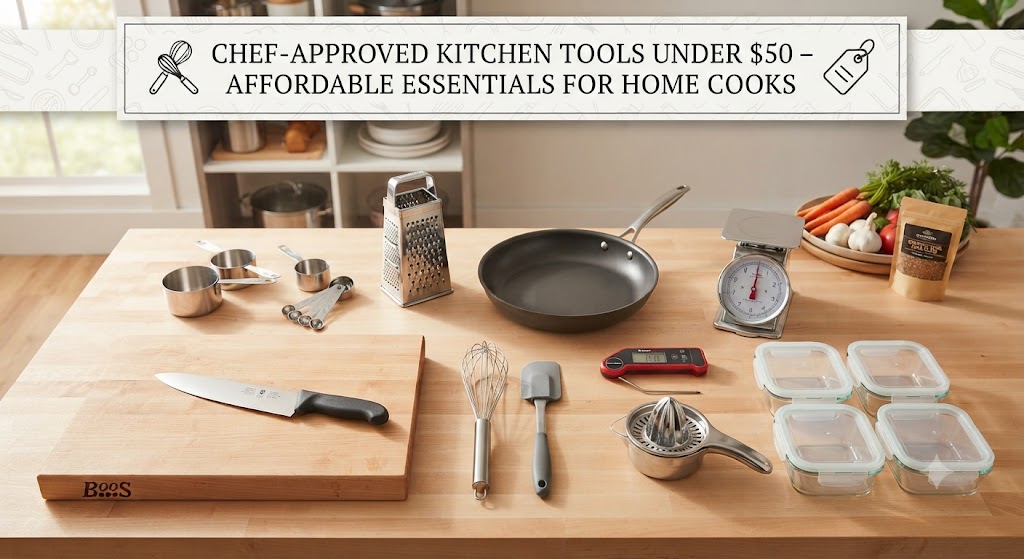
- Chef‑approved kitchen tools – Amazon offers a wide selection, fast Prime shipping, and user reviews that help filter out green‑wash.
- Whole Foods Market – Curated sustainable brands, in‑store demo stations, and occasional loyalty discounts.
- REI Co‑op – Outdoor‑grade eco gear, including stainless‑steel cookware and solar accessories, backed by a generous return policy.
- Brand websites with affiliate programs (e.g., Stasher, Beeswax Wraps) – Direct purchases often unlock exclusive colors or bundle deals.
Maintenance Tips to Extend Tool Life
Even the greenest tools need care. Proper upkeep maximizes lifespan and keeps your kitchen waste‑free.
- Silicone and bamboo: Hand‑wash with mild soap, avoid abrasive scrubbers, and air‑dry to prevent warping.
- Cast iron: Season after each use with a thin coat of oil, store in a dry place, and never soak in water.
- Glass jars: Stack with padding, avoid sudden temperature shocks, and use silicone lids to prevent cracking.
- Stainless steel: Remove water spots with a vinegar‑water rinse, and polish with a non‑abrasive cloth.
- Regularly inspect for wear—replace cracked silicone bags or frayed cords responsibly through manufacturer recycling programs.
FAQ – Common Concerns About Green Kitchen Gear
- Is stainless steel truly recyclable?
- Yes. Stainless steel can be melted down and re‑formed without loss of quality, and most municipal recycling programs accept it.
- Do bamboo boards harbor bacteria?
- Bamboo’s natural antimicrobial properties reduce bacterial growth, but regular cleaning and occasional oiling keep it in top condition.
- How long do silicone bags last?
- High‑grade food‑grade silicone typically endures 5‑10 years of regular use, provided they aren’t exposed to sharp objects or extreme heat beyond 250 °F.
- Can eco‑tools match the performance of conventional ones?
- Modern sustainable designs—like induction cooktops and stainless‑steel strainers—often outperform older plastic or low‑grade metal equivalents in efficiency, durability, and safety.
Conclusion: Making the Sustainable Switch Easy
Adopting eco‑friendly kitchen tools delivers three core benefits: a smaller environmental footprint, healthier food preparation, and long‑term savings. To get started, pick one tool from the “Top 10” list each week, test it in a regular recipe, and track waste reduction. Within a month you’ll notice less plastic, fewer replacements, and a kitchen that feels both modern and responsible.
Quick starter checklist
- Swap disposable zip‑locks for reusable silicone bags.
- Replace a plastic cutting board with a bamboo alternative.
- Introduce a cast‑iron skillet for high‑heat searing.
- Move pantry staples into glass mason jars with silicone lids.
Ready to upgrade? Choose one of the items above, order from a trusted retailer, and watch your kitchen transform into a zero‑waste hub.


One thought on “Top Eco-Friendly Kitchen Tools for a Zero-Waste Home Cook (2026)”
Comments are closed.