
Safe Skincare: Spotting Counterfeit Risks & Trends
In an era where beauty is king, the rise of counterfeit skincare has turned the industry into a minefield. Consumers who once trusted brand names now face hidden dangers lurking in glossy bottles. Consequently, understanding how to spot fakes has become a crucial skill for every skincare enthusiast.
Why Counterfeits Are a Growing Threat in Skincare
First, the global skincare market is booming, with projections exceeding $200 billion by 2030. Because of this massive growth, counterfeiters find lucrative opportunities. Additionally, the high demand for anti-aging, acne-fighting, and “natural” products fuels the proliferation of fakes.
Moreover, the ease of online shopping has democratized access to products, but it has also lowered barriers for counterfeit distribution. As a result, consumers worldwide can purchase dubious items with a few clicks.
Finally, the lack of stringent regulatory oversight in many regions allows counterfeiters to operate with minimal risk. Therefore, the stakes for consumers are higher than ever.
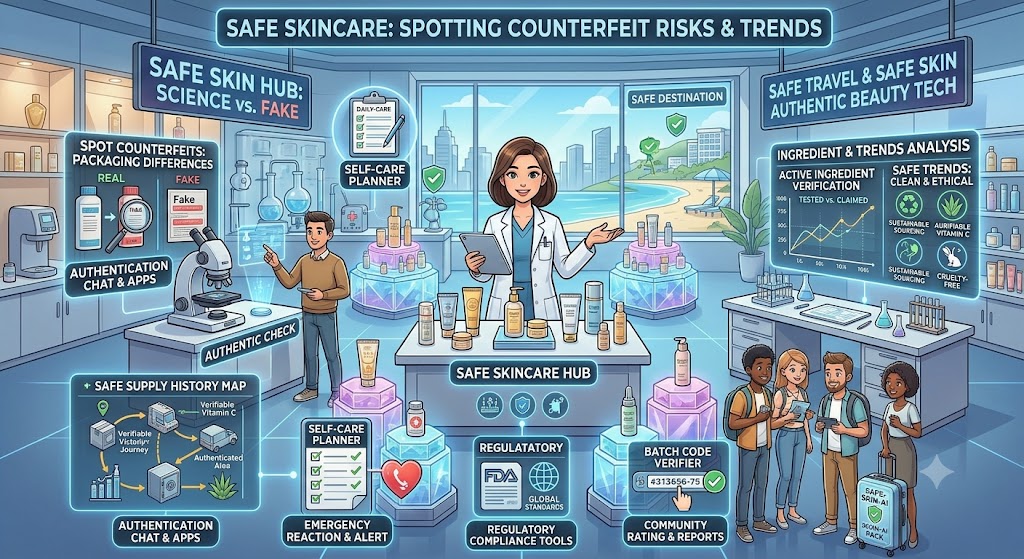
Recognizing Counterfeit Skincare: A Step-by-Step Checklist
Below is a practical framework you can use whenever you open a new bottle. By following these steps, you can dramatically reduce the risk of falling victim to a fake.
- Inspect the Packaging: Look for irregular fonts, misspellings, or low-resolution logos.
- Check the Batch Code: Authentic products usually have a clear, readable batch or serial number.
- Examine the Ingredients: Verify that the listed ingredients match the brand’s official formulation.
- Verify the Retailer: Purchase only from authorized distributors or the brand’s own website.
- Trust Your Senses: Notice any odd odors, colors, or textures that deviate from the brand’s standard.
Packaging Red Flags
Packaging is the first line of defense against counterfeits. However, savvy counterfeiters often replicate labels accurately. Therefore, you must look beyond surface similarities.
- Ink Quality: Genuine labels use high-quality, fade-resistant ink. Counterfeit inks often smear or appear uneven.
- Seal Integrity: Authentic bottles have a tight, tamper-evident seal. If the seal feels loose, the product may have been opened.
- Color Consistency: Brand colors are consistent across all products. Any deviation may signal a fake.
Ingredient Inconsistencies
Ingredients are the backbone of skincare efficacy. Consequently, any discrepancy can be a red flag.
- Missing Key Actives: If a product promises niacinamide but lists only water, you’re likely looking at a counterfeit.
- Unusual Additives: Look out for ingredients that are not typically found in the brand’s lineup.
- Wrong Concentrations: Authentic products have precise percentages; fakes often use generic or inaccurate values.
Digital and Physical Distribution Channels
Where a product comes from is as important as how it looks. Consequently, always verify the source before purchasing.
- Official Brand Websites: These sites provide the most reliable information and secure payment options.
- Authorized Retailers: Trusted platforms such as Amazon’s skincare section often carry authentic items.
- Third-Party Marketplaces: Be wary of sellers with low ratings or limited product history.
The Hidden Dangers: Health Risks and Long-Term Consequences
Counterfeit skincare is not just a marketing blunder; it poses real health risks. In addition, these risks can accumulate over time, leading to severe dermatological issues.
- Allergic Reactions: Fake products may contain harmful preservatives or fragrances that trigger dermatitis.
- Skin Damage: Inadequate pH levels can disrupt the skin barrier, causing dryness or acne flare-ups.
- Systemic Toxicity: Some counterfeit items include toxic substances such as mercury or lead, which can have long-term health effects.
- Delayed Treatment: Using ineffective products can delay proper medical care for conditions like eczema or psoriasis.
Emerging Trends in Counterfeit Skincare
Understanding the latest tactics used by counterfeiters helps you stay one step ahead. Below are the most prevalent trends we’ve observed.
E-Commerce and Dark Web
Online marketplaces have become breeding grounds for fakes. Consequently, many counterfeiters now use the dark web to sell their products anonymously.
- Hidden Listings: These are often disguised as legitimate brands, making detection difficult.
- Low Prices: Counterfeits are sold at a fraction of the retail price, tempting budget-conscious shoppers.
- Rapid Shipping: Fast delivery times create the illusion of authenticity.
AI-Generated Beauty Ads
Artificial intelligence is revolutionizing marketing, but it also empowers counterfeiters. For instance, deep-fake videos can showcase a fake product as if it were endorsed by a celebrity.
- Impressive Visuals: High-resolution images can deceive even experienced consumers.
- Fake Reviews: AI can generate convincing testimonials that boost credibility.
- Targeted Advertising: Machine learning algorithms ensure ads reach the most susceptible audiences.
“Natural” and “Organic” Mislabeling
Consumers increasingly favor natural and organic products. Consequently, counterfeiters exploit this trend by labeling synthetic items as “100% natural.”
- Misleading Claims: Phrases like “clinically proven” or “organic” appear on fake packaging.
- Regulatory Loopholes: Some jurisdictions lack strict definitions for “natural,” enabling fraud.
- Consumer Trust: The allure of eco-friendly ingredients can override skepticism.
How Brands and Regulators Are Fighting Back
In response to rising counterfeit threats, industry leaders and governments are deploying innovative measures. Ultimately, these efforts aim to protect both consumers and brand integrity.
Authentication Technologies
Modern technologies provide reliable ways to verify product authenticity. For example, QR codes and holographic seals are becoming standard.
- QR Code Scanners: Scan the code to access the brand’s verification portal.
- Holographic Seals: Genuine products feature complex, multi-layered holograms.
- Micro-Printing: Tiny, nearly invisible text can only be seen under magnification.
Legal Enforcement and International Collaboration
Regulators worldwide are tightening enforcement. Consequently, counterfeit operations face increased scrutiny and penalties.
- Intellectual Property Laws: Strong IP enforcement deters counterfeit production.
- Cross-Border Cooperation: Agencies collaborate to dismantle global counterfeit networks.
- Consumer Reporting Platforms: Online portals allow users to report suspected fakes.
Practical Tips for Consumers to Stay Safe
While industry measures are essential, individual vigilance remains the best defense. Below are actionable steps you can implement immediately.
Verify the Source
- Check Official Websites: Always cross-reference product details on the brand’s official site.
- Use Trusted Retailers: Prefer established platforms like Amazon’s sunscreen and serums section for reliable purchases.
- Read Seller Ratings: High ratings and verified purchases increase confidence.
Use Trusted Retailers
In addition to brand websites, reputable e-commerce giants offer built-in safeguards. For instance, Amazon’s “Amazon Brand Registry” ensures only authorized sellers can list products.
- Brand Registry: Products listed under this program are verified by Amazon.
- Secure Payment: Payments are protected, reducing the risk of fraud.
- Return Policies: Most trusted retailers offer hassle-free returns if authenticity is questionable.
Test Products Before Full Use
Before committing to a full bottle, perform a small patch test. This simple step can save you from costly skin reactions.
- Apply on Inner Wrist: Wait 24-48 hours to observe any adverse reaction.
- Check for Odor: An off or chemical smell often indicates a counterfeit.
- Observe Texture: Authentic products typically have a consistent feel and viscosity.
The Role of Technology in Detecting Counterfeits
Technology is the frontline in the battle against counterfeit skincare. By leveraging cutting-edge tools, consumers and brands can quickly identify fakes.
Mobile Apps and QR Code Scanners
Apps that scan QR codes can instantly verify authenticity. For example, scanning the code on a serum may redirect you to a brand-verified page.
- Real-Time Verification: Immediate confirmation reduces the risk of accidental purchase.
- Ingredient Lookup: Some apps provide ingredient breakdowns for comparison.
- User Reviews: Aggregated consumer feedback can highlight suspicious patterns.
Blockchain and Supply Chain Transparency
Blockchain technology offers immutable records of a product’s journey from manufacturer to consumer. Consequently, counterfeiters find it difficult to forge provenance data.
- Provenance Tracking: Every transaction is recorded, ensuring traceability.
- Smart Contracts: Automate verification steps, reducing human error.
- Consumer Access: End users can scan a QR code to view the entire supply chain history.
FAQ
What should I do if I suspect my skincare product is counterfeit?
Immediately stop using the product and contact the brand’s customer service. Report the issue to the retailer and consider filing a complaint with local consumer protection agencies.
Can counterfeit products cause long-term skin damage?
Yes. Inactive or harmful ingredients can disrupt skin barriers, leading to chronic conditions such as eczema or dermatitis.
How can I differentiate between a natural and a synthetic ingredient?
Check the ingredient list for botanical names and verify them against reputable databases like the International Nomenclature System for cosmetics.
Are there any legal recourses if I purchase a counterfeit product?
In many jurisdictions, you can pursue a refund or legal action against the seller. Additionally, reporting to authorities can help dismantle counterfeit networks.
What are the best practices for online skincare shopping?
Always purchase from official brand sites or authorized retailers, verify batch numbers, and use QR code scanners for instant authenticity checks.
Conclusion
Counterfeit skincare is a multifaceted threat that blends sophisticated deception with real health risks. Nevertheless, by staying informed, using trusted sources, and embracing technological safeguards, you can protect both your skin and your wallet. Ultimately, vigilance, coupled with industry innovation, will pave the way toward a safer, more transparent beauty market.
One thought on “Safe Skincare: Spotting Counterfeit Risks & Trends”
Comments are closed.