
Introduction
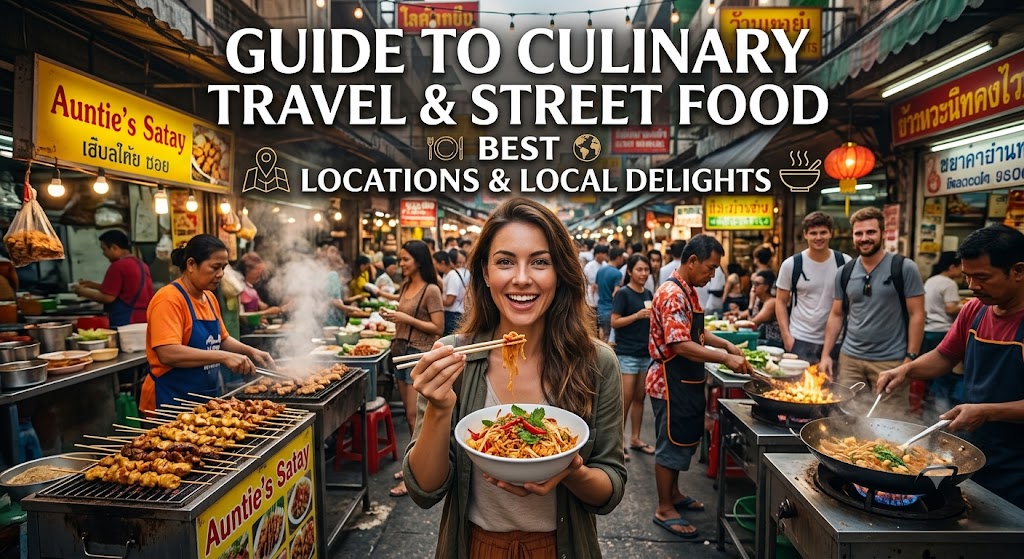
Traveling for food is more than a hobby; it’s a way to experience culture, history, and human creativity in one bite. In this guide, we’ll walk you through every step of culinary travel, from choosing the right destinations to navigating bustling street markets. By the end, you’ll feel confident, prepared, and hungry for adventure.
1. Planning Your Culinary Journey
1.1 Define Your Food Goals
Before you book a flight, ask yourself: what flavors excite me? If you crave spicy curries, consider South Asia; if you love fermented foods, explore East Asia. Setting clear culinary goals helps narrow down destinations.
1.2 Map Out a Flexible Itinerary
Flexibility is key because street food scenes change with seasons and festivals. Create a loose schedule that allows you to pivot on a whim-this way you can chase the next big culinary event without feeling trapped.
1.3 Book Flights Early (and Cheap)
Flights often drive your budget, so start early. Use a comparison tool or a flight aggregator to snag the best deals. Early booking also gives you more time to research local food markets.
1.4 Research Local Food Calendars
Many cities publish monthly food calendars online. These calendars list festivals, pop-up markets, and seasonal specialties. By consulting them, you can time your visit to coincide with the most vibrant street food moments.
1.5 Prepare a Packing List
Pack light but smart. Include a travel backpack for essentials, a reusable water bottle, a small first-aid kit, and a compact notebook for notes. These items keep you organized and ready for any culinary encounter.
2. Choosing the Right Destinations
2.1 Global Street Food Hotspots
Some cities are legendary for street food. Bangkok, Mexico City, and Istanbul each offer a unique sensory overload. However, smaller towns often hold hidden gems that big-city tours overlook.
2.2 Factor in Climate and Season
Weather can influence what foods are available. For example, in tropical regions, fresh fruit stalls thrive in summer, while winter markets in Europe shift toward hearty stews. Therefore, aligning your trip with the local climate maximizes your culinary experience.
2.3 Cultural Compatibility
Understanding local customs helps you navigate markets respectfully. For instance, in Japan, it’s polite to line up before buying street food, whereas in Vietnam, bargaining is expected. Knowing these nuances prevents awkward situations.
2.4 Safety and Accessibility
Research safety ratings and accessibility of your chosen destination. Some areas may have higher crime rates or limited public transport. Consequently, choose neighborhoods that are both vibrant and safe for food exploration.
3. Navigating Street Food Markets
3.1 Start Early for the Freshest Picks
Many street vendors open at dawn, offering the freshest ingredients. By arriving early, you’ll witness the full spectrum of flavors before crowds arrive. In contrast, late-night stalls often serve more processed options.
3.2 Observe Before You Order
Watch how vendors prepare dishes. This gives insight into hygiene practices and ingredient quality. Additionally, you’ll learn which items are local favorites and which are tourist traps.
3.3 Ask for Recommendations
Engage with vendors and locals. A simple “What’s the best dish here?” often yields authentic suggestions. Moreover, the vendor’s enthusiasm can guide you to must-try specialties.
3.4 Use the “Food Tour” Method
Instead of ordering a single dish, sample several small plates. This approach allows you to taste a range of flavors and textures. Ultimately, you’ll gain a deeper understanding of the local cuisine.
3.5 Respect Queue Etiquette
Many markets enforce a strict line system. Wait patiently and avoid cutting in line. Doing so demonstrates respect for the vendor’s business and preserves the market’s integrity.
4. Safety and Hygiene Tips
4.1 Prioritize Cleanliness
Check that the vendor keeps hands and utensils clean. If you see a vendor using a disposable glove, that’s a good sign of hygiene. Conversely, if food is served from a dirty bowl, it’s best to walk away.
4.2 Choose Hot Foods
Hot, freshly cooked meals are generally safer because heat kills bacteria. Therefore, opt for steaming or grilling dishes rather than raw or cold options when traveling.
4.3 Stay Hydrated with Safe Water
Drink bottled water or use a portable water filter. Avoid tap water unless you’re certain of its safety. Keeping hydrated also helps you stay alert during long market tours.
4.4 Carry Hand Sanitizer
After sampling street food, wash your hands or use sanitizer. This simple habit protects you from germs and keeps your taste buds focused on the next bite.
4.5 Listen to Your Body
If you feel ill after eating, seek medical help promptly. In many destinations, pharmacies are readily available, and local doctors can provide quick treatment.
5. Gear and Accessories for Food Travelers
5.1 Travel-Friendly Kitchen Appliances
Consider a lightweight portable blender for smoothies on the go. It’s useful for tasting fruit or making quick snacks between stalls.
5.2 Healthy Snacks for Long Days
Carry nut packs or dried fruit for energy. These snacks keep you satisfied while you explore without relying on high-calorie street food.
5.3 Sunscreen and Skin Care
Sun protection is essential, especially in outdoor markets. Use a water-resistant sunscreen and carry a lightweight hat. Additionally, a quick after-sun lotion helps soothe any irritation.
5.4 Wellness and Fitness Gear
Staying active during travel boosts digestion and energy. Pack a compact yoga mat for a quick stretch between food stops. Moreover, staying fit helps you enjoy every bite.
5.5 Home Decor Essentials for Comfort
After a day of culinary exploration, a cozy travel pillow or a small decor item can make your accommodation feel more home-like. This comfort encourages you to rest fully for the next adventure.
6. Budgeting for Flavor
6.1 Allocate a Daily Food Budget
Set a realistic daily spend on street food. For instance, a budget of $15-$20 per day covers multiple meals and allows for indulgence. Adjust the amount based on the cost of living in your destination.
6.2 Use Local Currency Wisely
Always carry some local currency for small vendors who don’t accept cards. This saves you from high transaction fees and ensures you can buy the best local treats.
6.3 Take Advantage of Market Deals
Many markets offer discounts for buying in bulk or for early-morning purchases. Keep an eye out for these opportunities, and you’ll stretch your budget further.
6.4 Track Your Spending
Maintain a simple log of your daily expenses. This practice helps you stay within budget and lets you compare spending across different markets and cities.
6.5 Share Meals with Fellow Travelers
Sharing dishes not only saves money but also enhances the culinary experience. By sampling a variety of items together, you get a broader taste of local flavors.
7. Cultural Etiquette and Sustainable Eating
7.1 Respect Local Food Practices
Some cultures consider certain foods sacred or taboo. For example, in parts of India, pork is avoided by many. Research beforehand to avoid accidental faux pas.
7.2 Mindful Waste Management
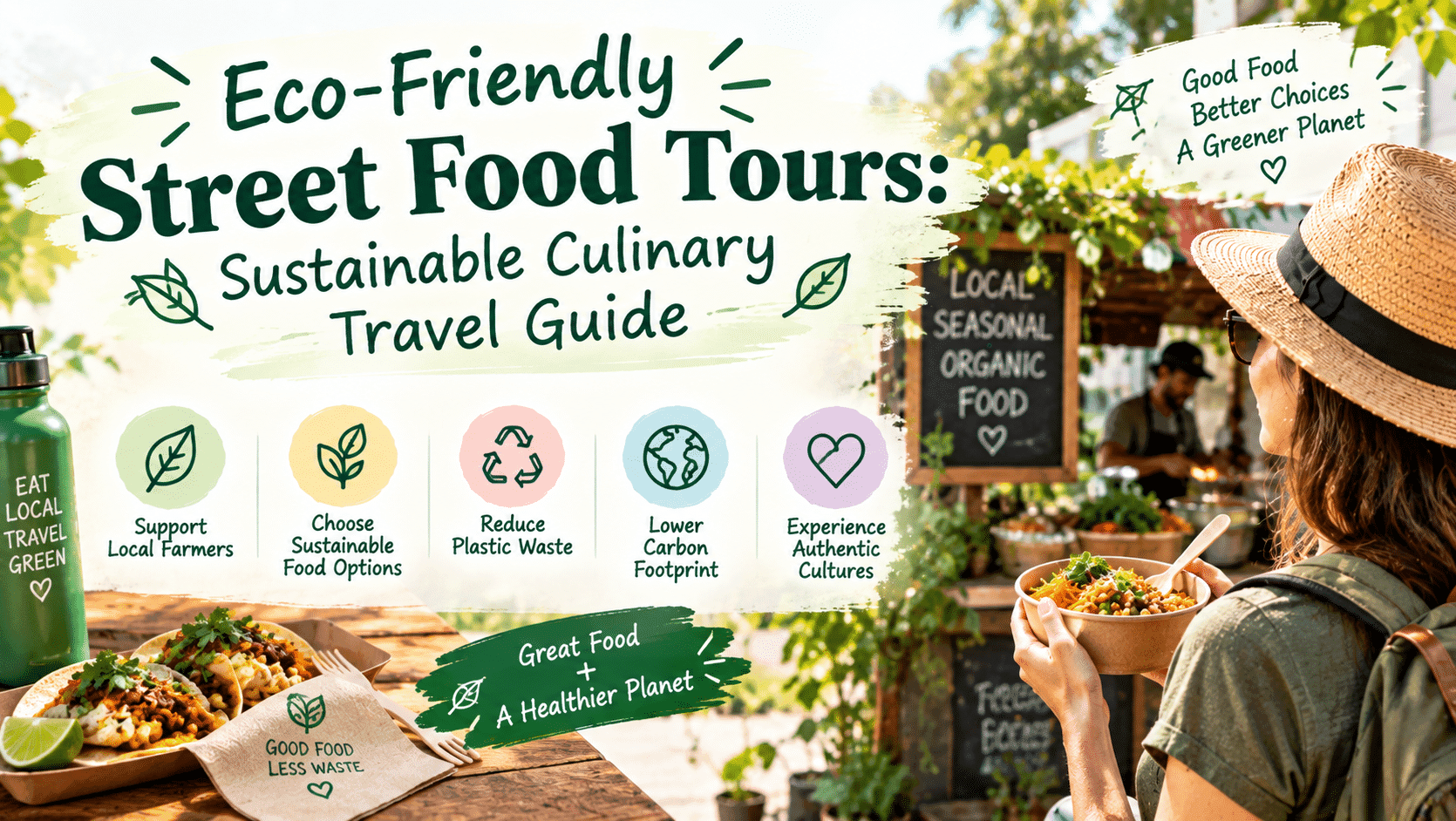
Carry a reusable bag for leftovers and refuse to litter. Many markets provide recycling stations; using them shows respect for the environment.
7.3 Support Small Vendors
Instead of ordering from large food trucks, choose local stalls. This supports the local economy and often results in fresher, more authentic dishes.
7.4 Learn Basic Food-Related Phrases
Knowing simple words like “how much?” or “delicious” in the local language can endear you to vendors. It also encourages friendly interactions that enrich your travel experience.
7.5 Avoid Over-Touristized Spots
While tourist hotspots are tempting, they can be overpriced and overcrowded. Seek out hidden corners recommended by locals for genuine, budget-friendly bites.
8. Practical Example: A 10-Day Culinary Tour of Thailand
Day 1-3: Bangkok
- Morning: Explore the Chatuchak weekend market for fresh fruit smoothies.
- Afternoon: Sample pad thai from a street stall near the Grand Palace.
- Evening: Try mango sticky rice at a night market.
Day 4-5: Chiang Mai
- Morning: Attend a local cooking class to learn about Northern Thai flavors.
- Afternoon: Street food tour in the Old City, focusing on khao soi.
- Evening: Relax with a Thai iced tea from a roadside vendor.
Day 6-7: Phuket
- Morning: Fresh seafood at the Phromthep Cape market.
- Afternoon: Try grilled squid with lime and chili.
- Evening: Sunset snack of coconut ice cream on Patong Beach.
Day 8-10: Krabi
- Morning: Taste fresh papaya salad at Ao Nang market.
- Afternoon: Sample boat noodles from a floating stall.
- Evening: Enjoy a local barbecue with coconut rice.
This itinerary balances iconic dishes with local discoveries, ensuring a rich culinary experience while respecting local customs and budgets.
FAQ
Q: Can I travel with a portable blender?
A: Yes, many travelers use compact blenders for smoothies or quick sauces. Just ensure it’s battery-powered or has a small power adapter.
Q: How do I avoid food poisoning?
A: Stick to hot, freshly cooked foods; avoid raw seafood unless you trust the vendor’s hygiene; and always drink bottled or filtered water.
Q: Is it safe to eat street food in major cities?
A: Generally, yes. However, always observe vendor practices and choose stalls with high turnover, which indicates freshness.
Q: Should I bring my own utensils?
A: A reusable fork or spoon can be handy, but most street vendors provide disposable utensils. Bringing a small utensil set can reduce waste.
Q: How can I support sustainable food practices while traveling?
A: Buy local produce, avoid single-use plastics, support small vendors, and respect local customs around food consumption.
Conclusion
Embarking on a culinary travel adventure is an immersive way to connect with the world. By planning thoughtfully, respecting local customs, and equipping yourself with the right gear, you’ll savor authentic flavors while staying safe and budget-friendly. Ultimately, every bite tells a story-make yours unforgettable.
One thought on “Guide to Culinary Travel & Street Food: Best”
Comments are closed.