Planning a vacation that feels safe, enjoyable, and inclusive for a child on the autism spectrum can feel overwhelming, but the right destination and preparation can turn a trip into a memorable adventure for the whole family. Below you’ll find a step‑by‑step guide that highlights why neurodiverse family travel matters, how experts evaluate autism‑friendly locations, and a curated list of the best U.S. spots—plus practical advice on lodging, transportation, and essential resources.
Why Neurodiverse Family Travel Matters
Travel is a sensory experience. Bright lights, crowded spaces, unexpected noises, and unfamiliar routines can trigger anxiety for autistic travelers. When a destination anticipates these challenges, families gain confidence, children experience less stress, and the whole group can focus on discovery rather than coping.
Inclusive destinations also push the broader tourism industry toward better accessibility standards, creating a ripple effect that benefits people with sensory sensitivities, developmental differences, and even neurotypical travelers who simply appreciate calmer environments.
Unfortunately, mainstream travel guides often overlook sensory considerations, leaving parents to hunt through forums and scattered reviews for useful information. This guide bridges that gap by consolidating verified, sensory‑focused details in one place.
Criteria for Selecting Autism‑Friendly Destinations
Not all “family‑friendly” spots are truly autism‑friendly. We evaluated each location against four core criteria:
- Sensory‑friendly attractions and quiet spaces: Availability of low‑stimulus rooms, sensory kits, or designated quiet hours.
- Trained staff and accessibility certifications: Employees who have completed autism awareness training or hold certifications such as the National Autism Association’s “Sensory‑Friendly” badge.
- Medical and support services: Proximity to pediatric clinics, on‑site first aid, and clear information about emergency protocols.
- Flexible dining and activity options: Restaurants offering customizable menus, quiet dining areas, and activity schedules that allow for breaks.
Top U.S. Regions & Destinations
West Coast
Seattle’s Pacific Science Center provides “Sensory Friendly Days” with dimmed lights, reduced volume, and staff trained to assist neurodiverse visitors. The center also offers a sensory‑tool kit that includes noise‑canceling headphones and fidget toys.
Portland’s Oregon Museum of Science and Industry (OMSI) runs “Quiet Hours” on weekday mornings, allowing families to explore exhibits without crowds. Parking is close to the entrance, and the museum’s staff can arrange a private guide.
San Diego’s Balboa Park features sensory‑friendly tours of the Botanical Building and the San Diego Model Railroad Museum. The park’s extensive tram system reduces walking fatigue, and many gardens have shaded benches ideal for a calming break.
East Coast
New York City’s Museum of Modern Art (MoMA) offers “Sensory‑Friendly Evenings” on select Fridays, with lowered lighting, muted audio, and a quiet room for overstimulation. Advance reservation guarantees a small group size.
Boston’s New England Aquarium provides a “Sensory Toolkit” that includes weighted lap pads and visual schedules. The aquarium’s “Quiet Corner” on the third floor offers a low‑stimulus environment for quick retreats.
Washington, D.C.’s Smithsonian museums have dedicated quiet hours on Tuesdays and Thursdays. Families can request a sensory map that marks low‑traffic galleries and restroom locations.
Midwest
Chicago’s Field Museum supplies sensory kits with headphones, visual cue cards, and a “Calm Corner” near the main lobby. The museum’s staff can arrange a guided tour that pauses for breaks.
Minneapolis’s Mall of America includes a dedicated sensory room equipped with soft lighting, bean‑bag seating, and a small library of picture books. The mall also offers stroller‑friendly pathways and quiet elevators.
Indianapolis Children’s Museum runs “Sensory Sundays,” featuring reduced crowd density, dimmed lights, and a schedule posted in advance so families can plan low‑stimulus visits.
South
Austin’s Zilker Botanical Garden boasts wide, stroller‑friendly paths, shaded pavilions, and a “Sensory Garden” with fragrant plants and tactile sculptures designed for exploration at a comfortable pace.
Charleston’s historic district offers guided walking tours with optional audio devices that allow children to control volume. The cobblestone streets are complemented by quiet benches and low‑traffic side lanes.
Orlando’s Walt Disney World and Universal Studios have extensive autism‑friendly programs, including the Disney “Disability Access Service” (DAS) and Universal’s “Universal’s Caregiver Guide.” Both parks provide quiet rooms, sensory‑friendly ride times, and downloadable visual schedules.
Sensory‑Friendly Accommodations
Finding a hotel that respects sensory needs starts with filtering for quiet rooms, blackout curtains, and low‑light options. Many major chains now list these features in their online descriptions.
Marriott’s “Travel with Ease” program guarantees a quiet floor, reduced housekeeping interruptions, and staff trained to respond to sensory concerns. Hilton’s “Family First” initiative offers similar accommodations, plus complimentary white‑noise machines upon request.
For a more home‑like environment, look for Airbnb hosts who label their listings as “sensory‑friendly.” Verified reviews often mention features such as carpeted floors, dimmable lighting, and a stocked supply of sensory tools.
When booking, use keywords like “sensory‑friendly,” “quiet room,” and “low‑stimulus” in the filter bar. If the platform doesn’t support these filters, contact the host directly to confirm.
Transportation Tips for Neurodiverse Families
Flights: Choose airlines that allow pre‑boarding for families with special needs, and request a seat near the front to minimize noise. Some carriers designate “quiet zones” on long‑haul flights—mention this when you check in.
Driving: Plan routes with rest stops that feature sensory‑friendly facilities, such as the 2024 air travel checklist style amenities—quiet lounges, water stations, and open spaces for movement.
Rail: Amtrak’s “Family Room” cars provide extra space, and the staff can assist with boarding and luggage. Request a seat near the restroom for easy access during sensory overload.
Regardless of mode, pack a portable sensory kit (noise‑canceling headphones, weighted lap pad, visual schedule) and keep it accessible at all times.
Planning Checklist & Resources
Pre‑trip sensory preparation checklist
- Research destination’s quiet hours and sensory‑friendly programs.
- Contact hotels or hosts to confirm room modifications.
- Arrange for any required medical documentation (e.g., a doctor’s note for airline assistance).
- Download visual schedule apps (such as Choiceworks) and print a daily itinerary.
Essential packing list
- Noise‑canceling headphones – Bose QuietComfort headphones
- Weighted blanket or lap pad
- Fidget toys and chewable jewelry
- Visual schedule cards
- Preferred snacks and hydration bottles
Helpful apps and websites
- Autism Speaks Travel Guide – searchable database of sensory‑friendly venues.
- National Autism Association – provides emergency travel kits and safety tips.
- TripIt – consolidates flight, hotel, and activity details into one easy‑to‑read itinerary.
Affiliate Opportunities
Enhance your travel kit with Sensory Travel Pack by Fun and Function, which bundles a weighted lap pad, noise‑canceling ear defenders, and a portable visual schedule board. For accommodations, consider using platforms that let you filter for family‑friendly features, such as Airbnb Plus or Booking.com’s “Family” filter.
Travel insurance that covers special‑needs equipment can provide peace of mind. Providers like Allianz and World Nomads offer policies that reimburse lost or damaged sensory tools.
Conclusion – Empowering Stress‑Free Adventures
Choosing an autism‑friendly US destination is the first step toward a vacation that celebrates curiosity rather than anxiety. By focusing on sensory‑aware attractions, verified accommodations, and thoughtful transportation planning, neurodiverse families can enjoy the same iconic sights and hidden gems as any traveler—only with added comfort and confidence.
We’d love to hear about your experiences. Share your favorite sensory‑friendly spots in the comments, and sign up for our newsletter to receive fresh neurodiverse travel guides, destination updates, and exclusive discounts.
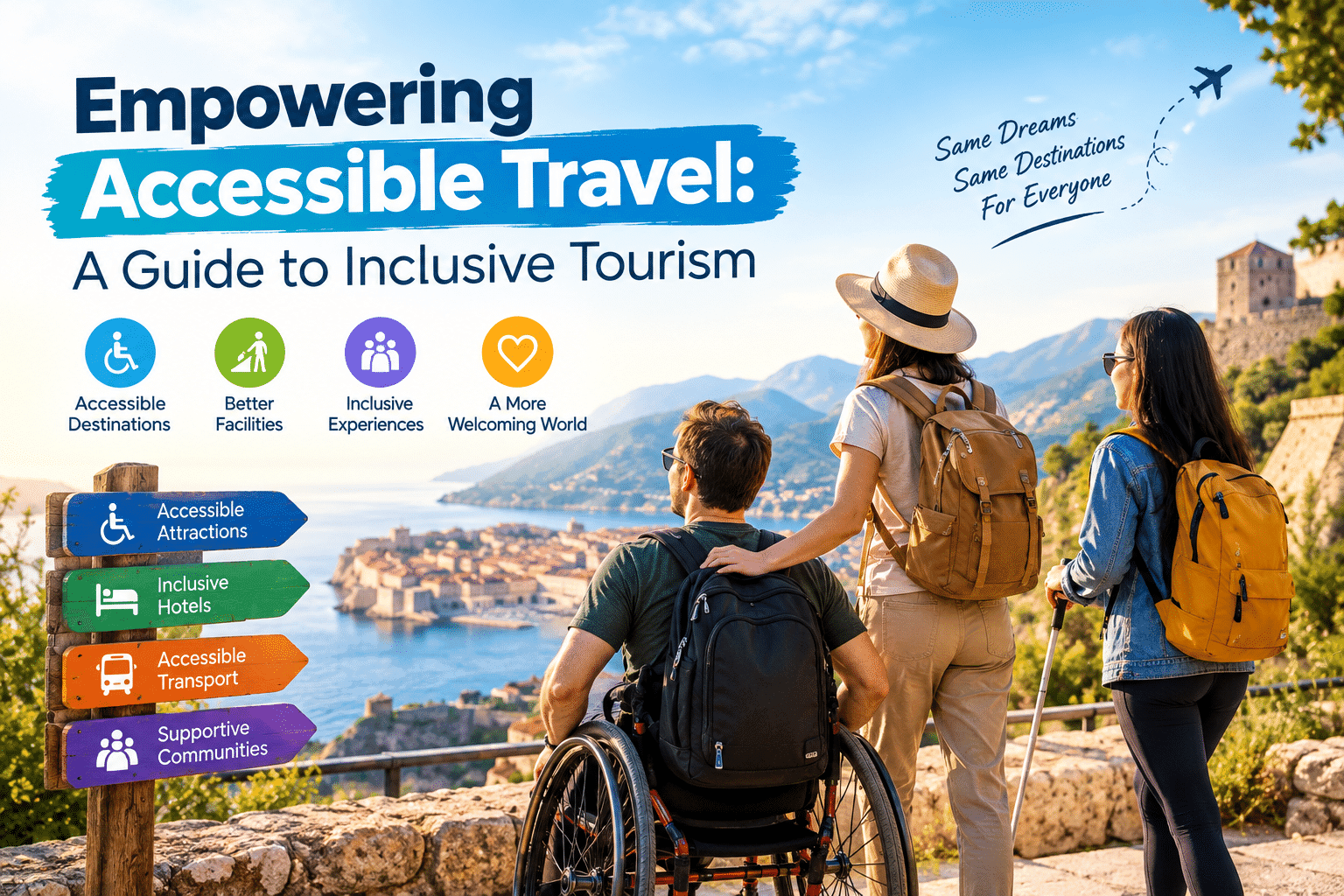
For more on inclusive tourism across the globe, read our empowering accessible travel guide.