Finding a skincare routine that truly respects sensitive or rosacea‑prone skin can feel like searching for a needle in a haystack. In 2026, the market is flooded with trendy actives, but not every ingredient is a friend to a fragile barrier. This guide breaks down the science, walks you through a complete day‑and‑night regimen, and equips you with product picks that have been vetted for low irritation, fragrance‑free formulas, and non‑comedogenic performance. By the end, you’ll have a clear, actionable plan you can test for four weeks and see measurable calm and clarity.
Understanding Sensitive & Rosacea‑Prone Skin
Sensitive skin is not a diagnosis; it describes a heightened reaction to external stimuli such as temperature shifts, harsh cleansers, or even certain fabrics. Rosacea, on the other hand, is a chronic inflammatory condition marked by persistent redness, visible blood vessels, and occasional papules. Common triggers overlap: alcohol, spicy foods, wind, and high‑intensity UV exposure can flare both conditions. Because the skin barrier is already compromised, a routine that layers multiple potent actives can exacerbate irritation, leading to a cycle of redness and discomfort. Tailoring each step to protect the barrier and soothe inflammation is the only way to break that cycle.
Core Principles of a Gentle Skincare Regimen
Barrier Protection First
The stratum corneum acts like a brick wall; lipids are the mortar. Products rich in ceramides, cholesterol, and fatty acids help reseal gaps, reducing transepidermal water loss and shielding against irritants.
Low‑Irritant Formulation
Look for fragrance‑free, dye‑free, and alcohol‑free labels. Even “natural” essential oils can be sensitizing, so prioritize clinically tested, hypoallergenic claims.
Ingredient Hierarchy
Start with soothing actives (centella, niacinamide), then add treatment‑level ingredients (azelaic acid, mild acids) only if the skin tolerates them. This hierarchy prevents overloading the barrier.
Patch Testing
Before introducing any new product, apply a pea‑sized amount to the inner forearm for 48 hours. If no redness, tingling, or itching occurs, the product is likely safe for facial use.
Step‑by‑Step Daily Routine
1. Cleanser – Gentle Yet Effective
Choose a non‑foaming, hydrating cleanser that removes impurities without stripping lipids. Apply with lukewarm water, massage in circular motions for 30 seconds, then rinse thoroughly. Pat dry with a soft towel; avoid rubbing.
2. Toner/Essence – Soothing Hydration
A lightweight, alcohol‑free toner infused with ingredients like rose water, glycerin, or fermented extracts restores pH and delivers an early layer of moisture. Apply with a clean palm or a cotton pad, pressing gently into the skin.
3. Targeted Serum – Anti‑Inflammatory Focus
Niacinamide (5 %) reduces redness and strengthens barrier function, while azelaic acid (10 %) calms rosacea flare‑ups and evens tone. Use a few drops, allow 1‑2 minutes for absorption, then follow with moisturizer.
4. Moisturizer with Ceramides & SPF Integration
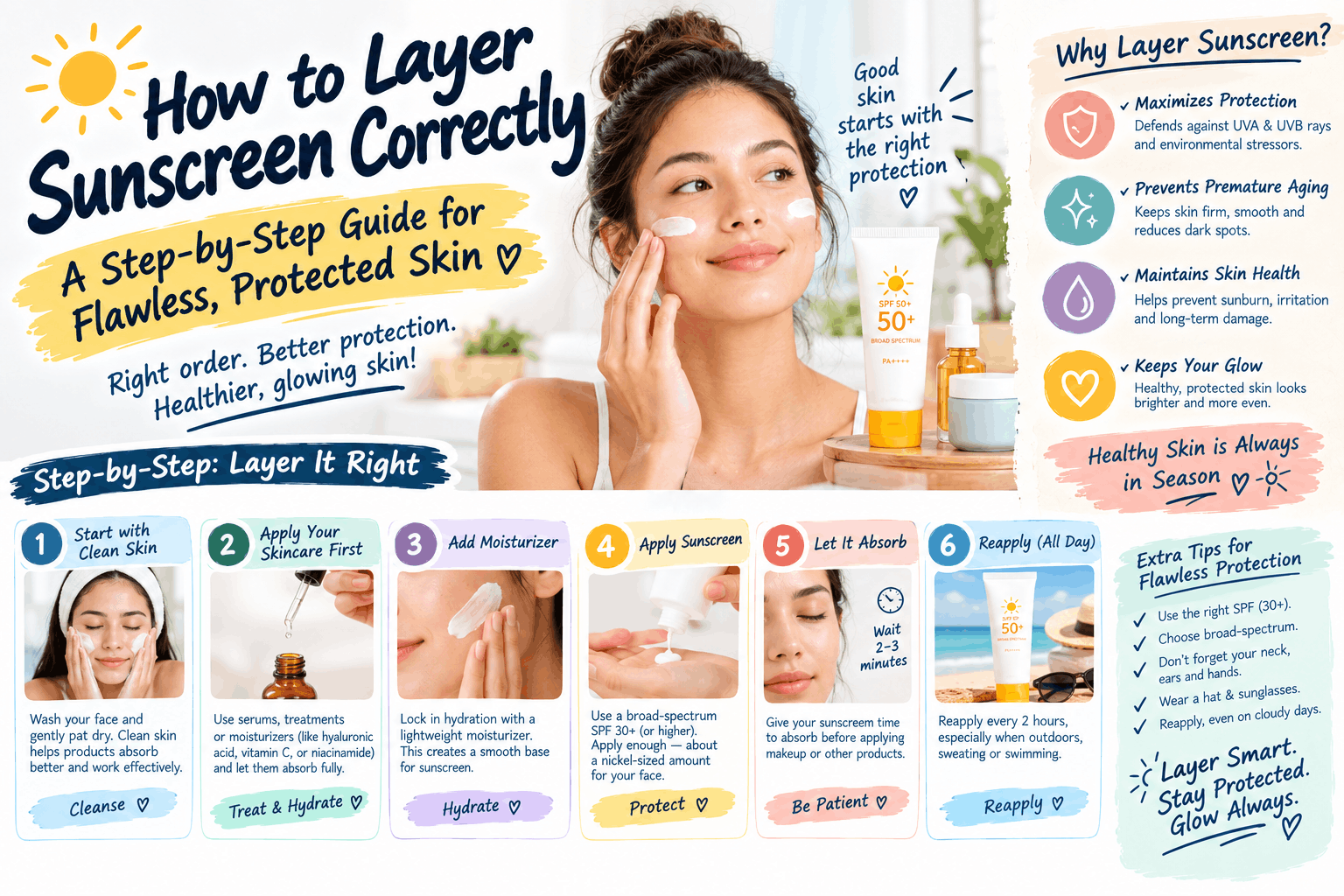
Choose a fragrance‑free, non‑comedogenic moisturizer that contains ceramides, hyaluronic acid, and a broad‑spectrum SPF 30‑50. In the morning, apply the moisturizer first, then a dedicated sunscreen if the SPF in the cream is below 30. For extra protection, read how to layer sunscreen correctly and apply the sunscreen as the final step.
5. Night‑time Repair – Retinol‑Free Options
Retinol can be too aggressive for sensitive skin. Opt for peptide‑rich night creams or a low‑dose bakuchiol serum that supports collagen without irritation. Finish with a richer barrier‑repair balm if needed.
Ingredient Deep‑Dive: What to Seek & What to Skip
- Anti‑inflammatory heroes: centella asiatica, licorice root extract, panthenol, and allantoin calm erythema and support healing.
- Barrier builders: ceramide NP, cholesterol, and phytosphingosine work synergistically to reseal the skin.
- Gentle exfoliants: polyhydroxy acids (PHAs) like lactobionic acid offer surface renewal without the sting of alpha‑hydroxy acids.
- Avoidance list: high‑percentage alcohol, synthetic fragrance, essential oils, sodium lauryl sulfate, and harsh physical scrubs.
Product Recommendations & Affiliate Opportunities
Below are curated picks that meet the low‑irritant, fragrance‑free criteria. Click the links to shop directly.
- Cleanser: CeraVe Hydrating Cleanser – a sulfate‑free, ceramide‑rich formula ideal for the first step.
- Serum: The Ordinary Azelaic Acid Suspension 10% – a budget‑friendly, anti‑rosacea powerhouse.
- Moisturizer: La Roche‑Posay Toleriane Ultra – fragrance‑free, ultra‑light, and enriched with niacinamide.
- Sunscreen: EltaMD UV Clear SPF 46 – mineral‑based, zinc oxide, and specifically formulated for redness‑prone skin.
Lifestyle & Environmental Tips to Calm Sensitivity
Skincare is only half the battle; daily habits shape the skin’s resilience.
- Diet: Incorporate omega‑3 rich foods (salmon, flaxseed) and antioxidant‑dense berries to reduce systemic inflammation.
- Stress Management: Practice mindfulness or yoga; cortisol spikes can aggravate rosacea.
- Humidity Control: Use a humidifier in dry winter months to prevent barrier dehydration.
- Clothing Choices: Opt for soft, breathable fabrics like cotton; avoid wool or synthetic fibers that may cause friction.
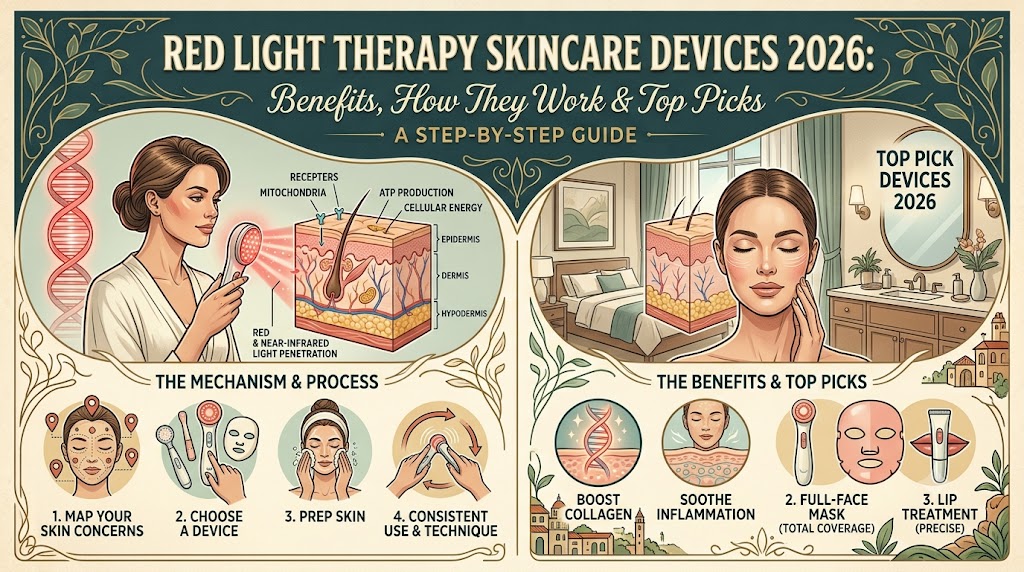
- Adjunct Therapies: Gentle red light therapy devices can reduce inflammation without heat.
FAQ – Quick Answers to Common Concerns
- Can I use retinol?
- Retinol is potent and can trigger flare‑ups. If you’re determined to try it, start with a 0.1 % concentration once a week, monitor tolerance, and always follow with a robust barrier cream.
- How often should I exfoliate?
- For sensitive skin, limit chemical exfoliation to 1‑2 times per week using a PHA. Physical scrubs should be avoided altogether.
- Is mineral sunscreen better?
- Mineral (zinc oxide or titanium dioxide) sunscreens sit on top of the skin and are less likely to cause irritation, making them a preferred choice for rosacea.
Conclusion & Next Steps
By focusing on barrier protection, selecting low‑irritant actives, and pairing the routine with supportive lifestyle habits, you can transform sensitive or rosacea‑prone skin from reactive to resilient. Commit to the outlined steps for at least four weeks, track redness and texture, and adjust based on how your skin responds. Share your progress in the comments or on social media with #TFSHealthySkin – we love hearing real results.