
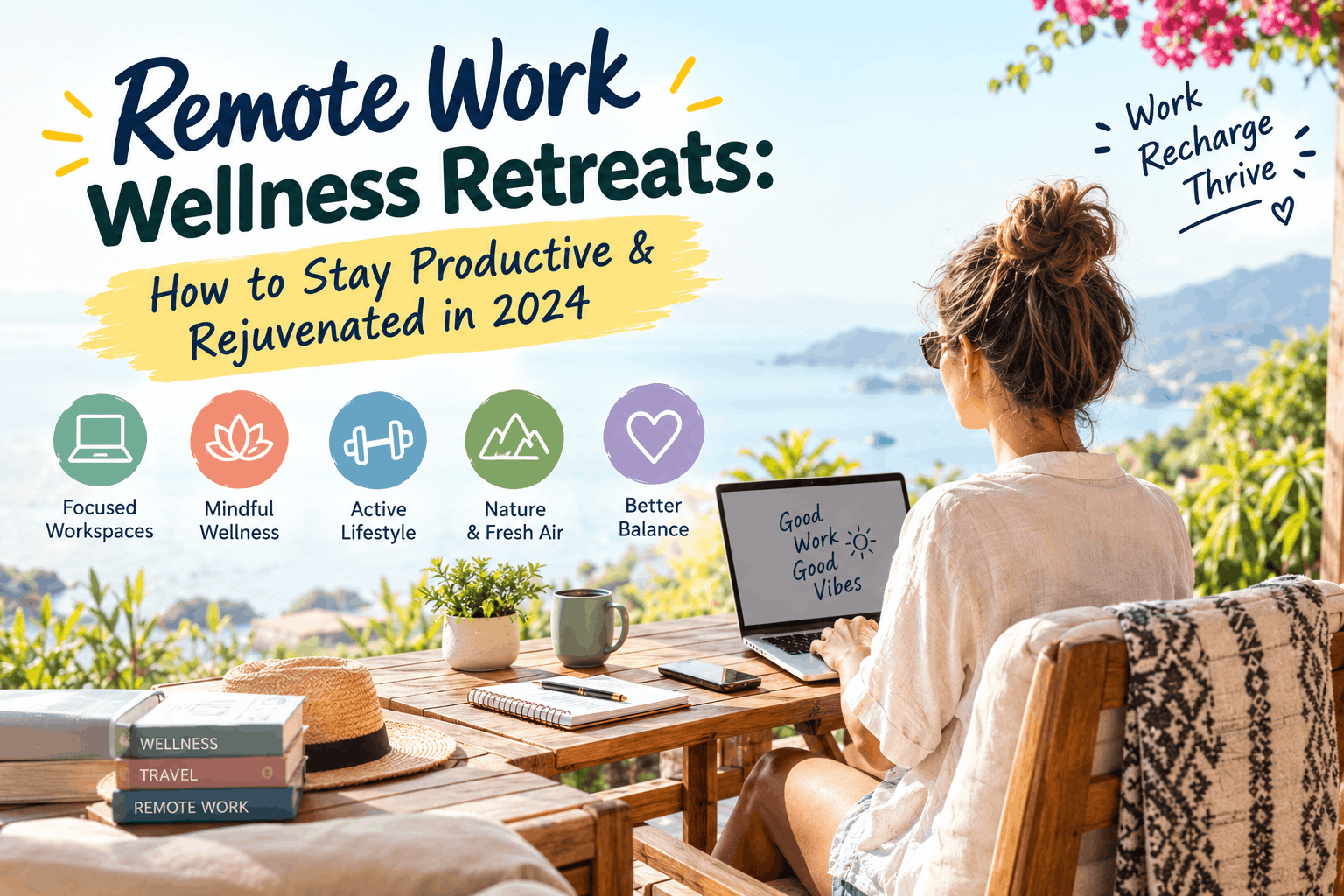
Remote work has unlocked unprecedented freedom, but the same flexibility can lead to burnout, isolation, and stagnant creativity. A well‑planned wellness retreat offers the perfect antidote: a change of scenery, purposeful movement, and dedicated coworking spaces that keep deadlines on track while recharging the mind. This guide walks you through every decision, from choosing the ideal destination to packing the right gear, so you can return to your projects refreshed and more productive than ever.
Why Remote Workers Need Wellness Retreats
Recent surveys reveal that over 60% of remote professionals experience chronic burnout, citing endless video calls and a blurred line between home and office. Research from the American Psychological Association shows that short‑term travel reduces cortisol levels by up to 30%, while exposure to nature improves attention span and problem‑solving ability. A wellness retreat doesn’t just offer a vacation; it creates a fertile environment where creativity flourishes and focus sharpens.
Switching environments forces the brain out of autopilot. The novelty of new sights, sounds, and even time zones triggers dopamine release, which fuels motivation. Whether you’re brainstorming a product roadmap or drafting a client proposal, a mountain view or ocean breeze can be the catalyst for breakthrough ideas.
Key Criteria for Choosing the Ideal Wellness Retreat
- Location vibe & natural scenery – Look for places that align with your preferred wellness activities, whether that’s hiking, surfing, or meditation among red rocks.
- Integrated coworking facilities & reliable internet – A dedicated work zone with ergonomic chairs, power outlets, and speeds of at least 25 Mbps is non‑negotiable for most freelancers.
- Wellness programming – Yoga, guided meditation, nutrition workshops, and outdoor fitness classes should be part of the package.
- Safety, accessibility, and visa considerations – Check local health guidelines, travel advisories, and whether a tourist visa allows longer stays for work.
Top 7 Remote‑Work‑Friendly Wellness Retreat Destinations for 2024
- Boulder, Colorado, USA – Nestled against the Flatirons, Boulder offers mountain hikes, a thriving tech community, and coworking hubs like recommended coworking platform that blend rugged outdoor life with high‑speed Wi‑Fi.
- Tulum, Mexico – White‑sand beaches, beachfront yoga decks, and 4G‑ready boutique hotels make Tulum a favorite for digital nomads seeking sun‑soaked productivity.
- Byron Bay, Australia – Known for its surf culture, Byron Bay provides surf‑side workspaces, organic cafés, and wellness retreats that schedule surf sessions between deep‑focus blocks.
- Sedona, Arizona, USA – Red‑rock cliffs and vortex meditation sites create a spiritual backdrop for mindfulness‑focused work sprints.
- Lisbon, Portugal – Historic neighborhoods, tech‑friendly coliving spaces, and a mild climate year‑round make Lisbon a top European hub for remote teams.
- Chiang Mai, Thailand – Affordable living, thriving expat circles, and wellness centers offering Thai massage and sunrise yoga keep costs low while nurturing health.
- Bali, Indonesia – Iconic rice‑field retreats, eco‑lodges with private work pods, and a strong community of digital creatives make Bali the quintessential wellness getaway.
Step‑by‑Step Planning Checklist
- Define clear work goals for the retreat period (e.g., complete a product prototype, publish three blog posts).
- Match your wellness priorities (yoga, hiking, surf) with a destination that offers those activities.
- Reserve accommodation that includes a dedicated work zone, ergonomic chair, and reliable power.
- Purchase travel insurance that covers health emergencies, equipment loss, and trip cancellations.
- Draft a daily schedule that alternates focused work blocks with wellness activities; use a visual planner or digital calendar.
Productivity Hacks While on a Wellness Retreat
Even in paradise, discipline matters. Here are three proven tactics:
- Pomodoro with nature breaks – Work for 25 minutes, then step outside for a 5‑minute walk, stretch, or breath‑focus exercise. The contrast resets attention and prevents mental fatigue.
- Mindfulness apps – Tools like Headspace or Calm can guide quick meditations between meetings, helping you stay centered. Pair this with an AI fitness tracker to monitor heart‑rate variability and know when you need a deeper reset.
- Set boundaries with teammates – Communicate your offline windows in advance, update shared calendars, and delegate urgent tasks before you leave.
Budgeting & Cost‑Saving Strategies
- Group bookings: Invite a colleague or join a retreat cohort to unlock bulk‑room discounts.
- Travel credit cards: Earn points on flights and hotels; many cards also offer travel insurance as a perk.
- Free wellness activities: Opt for sunrise beach yoga, guided hikes, or community meditation circles that cost nothing but deliver high ROI on health.
Essential Packing List for a Remote Wellness Retreat
- Tech gear: Laptop, portable monitor, noise‑cancelling headphones, power bank, universal adapters.
- Wellness gear: Lightweight yoga mat, reusable water bottle, journal for reflection, compact resistance bands.
- Health items: Travel‑size first‑aid kit, multivitamins, broad‑spectrum sunscreen, any prescription meds.
Case Study: A Week in a Bali Wellness Co‑Living Space
Day 1 – Arrival & Setup: After a 12‑hour flight, the guest checks into a bamboo‑structured co‑living villa with a private balcony office. Wi‑Fi tests at 30 Mbps, and the first work block is a quick email catch‑up.
Day 2 – Structured Focus: Morning Pomodoro sessions are followed by a guided sunrise yoga on the rice paddies. By afternoon, the participant completes a client deliverable two hours ahead of schedule.
Day 3 – Creative Sprint: A midday surf lesson provides a mental reset. The afternoon is dedicated to brainstorming a new service line, resulting in three viable concepts.
Day 4 – Wellness Deep‑Dive: Attends a nutrition workshop that introduces local superfoods. The knowledge is later applied to a blog post that gains 2 k views within 48 hours.
Day 5 – Community Collaboration: Joins a coworking day with other digital nomads, exchanging feedback on a prototype. The collaborative energy shortens the iteration cycle.
Day 6 – Reflection & Rest: A guided meditation session helps consolidate learning. The participant logs a 20% increase in focus scores measured by a mindfulness app.
Day 7 – Departure: Final work wrap‑up, a farewell group hike, and a clear sense of ROI: completed projects, improved health metrics, and renewed motivation.
Conclusion & Next Steps
Wellness retreats are not a luxury; they are a strategic investment in your most valuable asset—your mind. By selecting the right destination, planning with a clear checklist, and applying proven productivity hacks, remote professionals can boost output while nurturing mental health.
Ready to start? Download our free retreat planning worksheet and turn your next getaway into a high‑impact, rejuvenating experience.