
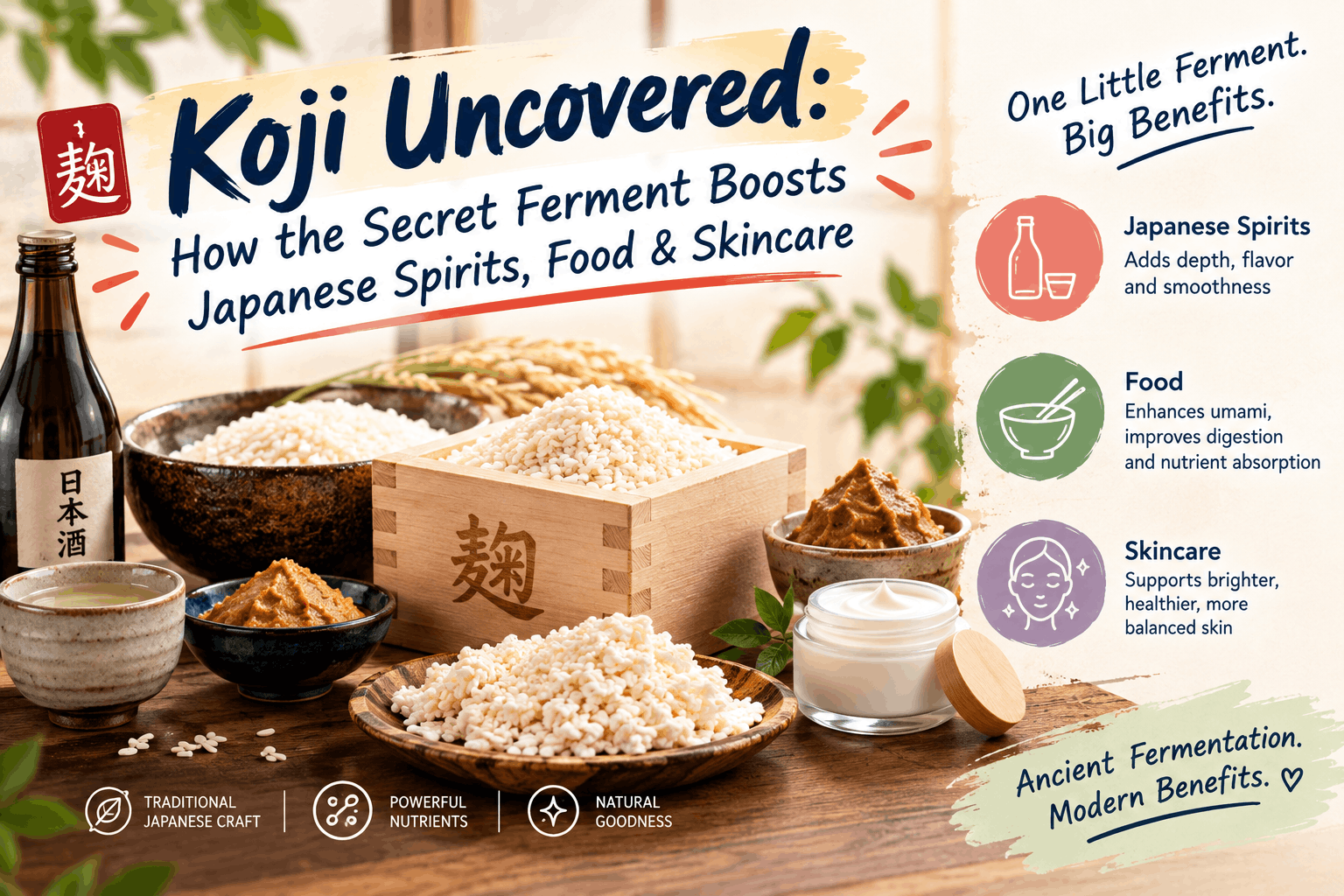
Koji (Aspergillus oryzae) may be invisible to the eye, but its enzymatic power shapes some of Japan’s most celebrated drinks, dishes, and even modern skincare. This article unpacks the biology, history, and practical applications of koji, giving food enthusiasts, home brewers, and skin‑care hobbyists a clear roadmap for leveraging this hidden powerhouse.
What Is Koji? Definition, History & Production
Koji is not a grain or a spice; it is a filamentous fungus that belongs to the Aspergillus genus. The species Aspergillus oryzae has been domesticated for centuries and is safely classified as a workhorse of Japanese fermentation.
Botanical classification
In taxonomic terms, A. oryzae falls under the phylum Ascomycota, class Eurotiomycetes. Unlike wild molds, koji strains have been selectively bred for high enzyme output and low toxin production, making them ideal for food‑grade use.
Traditional cultivation methods
Japanese artisans grow koji on steamed grains (most commonly rice, but also barley or soybeans) using a starter called koji‑kin. The process requires a stable temperature of 28‑32 °C and relative humidity around 80 %. Over 24‑48 hours the mycelium spreads, forming a white, fluffy coat that signals active enzyme synthesis.
Historical role
Records from the Nara period (8th century) describe koji‑based miso and soy sauce production. Sake brewing adopted koji in the Heian era, allowing starches to convert into fermentable sugars without added malt. In the 20th century, whisky makers such as Suntory and Nikka introduced koji to grain mash, creating a distinctly Japanese flavor profile.
Koji’s Science: Enzymes That Transform Starch & Protein
The magic of koji lies in its enzyme cocktail.
Key enzymes
- Amylases (α‑amylase and glucoamylase) break long rice starch chains into maltose and glucose, providing the sugar base for yeast.
- Proteases cleave protein into peptides and free amino acids, contributing umami and body.
- Lipases act on residual fats, releasing volatile aroma compounds.
These reactions occur simultaneously, creating a balanced matrix of sweetness, umami, and subtle fruit notes. Compared with malted barley, koji delivers a broader spectrum of amino acids and a cleaner, less grainy backbone, which is why Japanese distillers favor it for delicate spirits.
Koji in Japanese Spirits: From Sake to World‑Class Whisky
While sake has always relied on koji, the whisky boom of the 1970s introduced the fungus to barley mash.
Why distilleries add koji
Koji‑derived amylases convert a higher proportion of starch into fermentable sugars, boosting alcohol yield without increasing mash temperature. The resulting wort is richer in free amino acids, which yeast metabolizes into esters and higher‑alcohols that give Japanese whiskies their signature honeyed and floral character.
Case study: Koji‑mash process in a Japanese single malt
At the Yamazaki distillery, a portion of the barley is steamed, inoculated with rice‑based koji, and held at 30 °C for 48 hours. The mash is then combined with unmalted barley and fermented. Compared with a traditional malt‑only mash, the koji‑enhanced version shows a 5‑6 % increase in ethyl acetate and a noticeable reduction in harsh phenols, resulting in a smoother palate.
Flavor profile differences
Whiskies made without koji often carry a robust, grain‑forward profile. Those using koji display softer malt sweetness, a lingering umami depth, and occasional notes of dried fruit or sake‑like elegance.
Health & Skincare Benefits of Koji‑Derived Compounds
Beyond flavor, the fermentation of grains by koji generates bioactive molecules that support human health.
Beta‑glucans and antioxidants
Koji breaks down cell walls, releasing soluble beta‑glucans that modulate immune response. Simultaneously, the fungus synthesizes phenolic antioxidants, including ferulic acid, which help neutralize free radicals.
Vitamin B complex
During the conversion of starch to sugar, koji produces B‑vitamins such as B1, B2, B6, and niacin. These vitamins are essential for energy metabolism and skin renewal.
Scientific insights on skin
Recent dermatological studies show that topical applications containing koji‑fermented extracts improve skin barrier function by up to 20 % after four weeks, attributed to the combined action of beta‑glucans and B‑vitamins. The anti‑aging effect is linked to increased collagen synthesis and reduced transepidermal water loss.
For a broader view of how nutrients support skin, see our guide on omega‑3 for radiant skin.
Probiotic and gut health implications
While koji itself is not a probiotic, the metabolites it creates—especially short‑chain fatty acids—feed beneficial gut bacteria, promoting a balanced microbiome.
Practical Guide: Using Koji at Home
Home enthusiasts can harness koji with modest equipment.
Choosing the substrate
- Rice: Classic choice, yields a mild, sweet koji ideal for miso and sauces.
- Barley: Adds nutty notes, useful for small‑batch whisky mash.
- Soybeans: Produces a richer, protein‑dense koji for fermented bean pastes.
Starter kit setup
- Sanitize a shallow tray (≈2 cm depth) and spread steamed substrate evenly.
- Sprinkle 2–3 % (by weight) of commercial koji‑kin over the surface.
- Cover with a breathable lid and place in an incubator set to 30 °C.
- Maintain humidity at 80 % using a hygrometer; mist if needed.
- After 24 hours, gently stir to redistribute mycelium, then continue incubation for another 24‑48 hours.
- When the surface is white and fluffy, the koji is ready. Store in the refrigerator for up to two weeks.
Simple recipes
- Koji‑marinated vegetables: Toss sliced cucumbers with 10 g of rice koji, 1 % salt, and a splash of rice vinegar. Let sit 12 hours for a tangy, umami boost.
- Koji miso: Combine 300 g cooked soybeans, 200 g barley koji, and 2 % sea salt. Ferment in a sealed jar at 20 °C for 6‑12 months, stirring monthly.
- Koji‑infused facial mask: Blend 2 tbsp of fresh koji with 1 tbsp honey and 1 tbsp yogurt. Apply for 15 minutes, then rinse. The mask delivers beta‑glucans and B‑vitamins for a smoother complexion.
Sourcing Quality Koji & Tools (Affiliate Opportunities)
Choosing the right starter and equipment determines success.
- Japanese suppliers such as Koji‑Kin Co. ship pre‑inoculated rice koji in vacuum‑sealed packs.
- Online kits from specialty retailers often include a small incubator, hygrometer, and detailed instructions. For a reliable temperature‑controlled environment, consider the recommended incubator that maintains 28‑32 °C with ±1 °C accuracy.
- Stainless‑steel fermentation containers (1–5 L) resist corrosion and are easy to sanitize.
Further reading on ingredient innovation can be found in our article on biomimetic ingredients.
FAQs & Common Mistakes
How long does koji take to mature?
Typical maturation spans 24‑48 hours. At 30 °C you will see full white mycelial growth by the second day; cooler temperatures extend the timeline.
What smells indicate a failed batch?
A sour, ammonia‑like odor or any off‑notes resembling rotten eggs suggest contamination by unwanted bacteria or wild molds.
Can I reuse koji for multiple fermentations?
Yes, a portion of mature koji can be saved as a “seed” for a new batch, though potency declines after each cycle. For consistent results, refresh with a fresh starter every 3–4 generations.
Conclusion: Leveraging Koji for Flavor, Wellness & Innovation
Koji’s enzymatic versatility makes it a bridge between tradition and modern food science. Whether you’re crafting a nuanced Japanese whisky, enriching a miso soup, or formulating a skin‑brightening mask, understanding the fungus’s biology empowers you to extract maximum flavor and health benefits. By sourcing quality starter, controlling temperature and humidity, and applying the practical tips above, you can bring the hidden powerhouse of Japanese fermentation into your kitchen, brewery, or bathroom—and stay ahead of the next wave of ingredient‑driven innovation.