If you spend a lot of time in the air, the cramped seats, limited recline, and noisy cabins of standard economy can turn a dream destination into a dreaded marathon. Upgrading to premium economy often delivers the sweet spot between comfort and cost, especially on long‑haul routes. This premium economy upgrade guide explains when the extra expense truly adds value, how to hunt down cheap tickets, and which airlines consistently deliver the best experience.
What Is Premium Economy?
Premium economy sits between standard economy and business class, offering a measurable boost in space and service without the sky‑high price tag of full‑fare business seats.
Seat width, pitch, and recline compared to standard economy
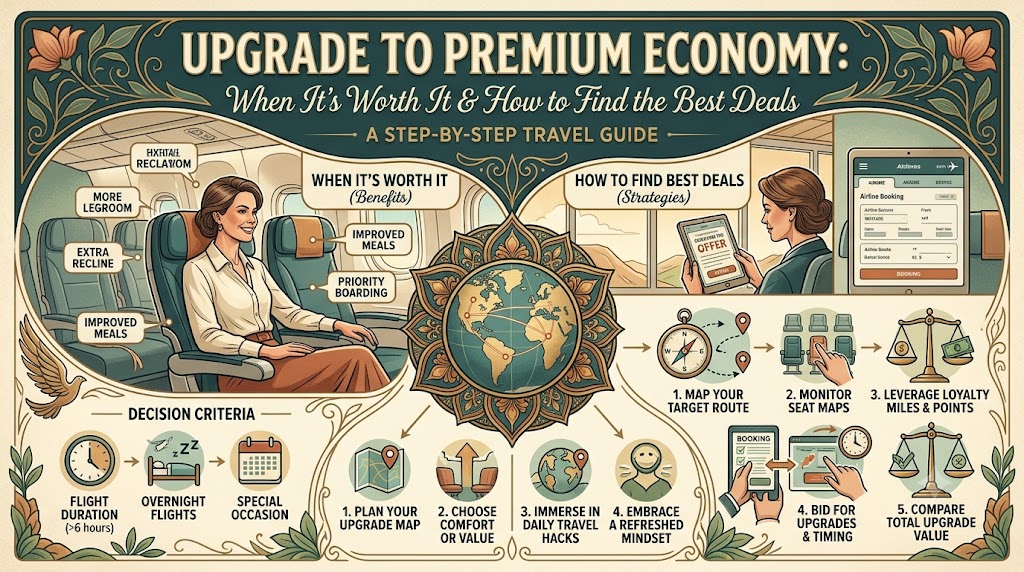
Typical economy seats range from 17‑18 inches wide with a 31‑32 inch pitch. Premium economy seats usually expand to 18‑20 inches wide, a pitch of 38‑42 inches, and a recline that can reach 6‑8 inches. The added legroom alone can turn a 12‑hour flight from a cramped slog into a manageable journey.
Enhanced meal service and beverage options
While economy often limits you to a pre‑packed tray, premium economy upgrades usually provide a multi‑course meal, hot options, and a broader beverage selection—including complimentary wine, spirits, and specialty coffees.
Additional baggage allowance and priority boarding
Most carriers grant an extra checked bag (usually 23‑30 kg) and priority boarding, meaning you settle into your seat before the cabin fills up.
Typical price premium over economy
The price gap varies by airline and route, but a common rule of thumb is a 30‑70 % increase over the standard economy fare. On a $800 economy ticket, a premium economy seat might cost $1,100‑$1,360.
Cost‑vs‑Value: When Is the Upgrade Worth It?
Understanding whether the extra dollars translate into genuine comfort hinges on three variables: flight duration, personal comfort thresholds, and the ancillary amenities a carrier provides.
Break‑even analysis based on flight duration
Research shows that most travelers start to feel the physical strain of economy after about six hours. If a premium economy seat adds roughly $250 in comfort benefits (extra legroom, better sleep, reduced fatigue), the break‑even point often lands around the 8‑9 hour mark. Below that, the monetary savings of staying in economy may outweigh the comfort gain.
Budget thresholds and traveler comfort priorities
For budget‑conscious travelers, a rule of thumb is: if the upgrade costs less than 25 % of your total trip budget, it’s usually a safe bet. However, if you value sleep, have back issues, or need to work en‑route, you may be willing to stretch that threshold.
Case studies: 6‑hour vs 12‑hour flights
- Six‑hour transatlantic leg (e.g., New York → London): Economy price $500, premium upgrade $750. The extra $250 buys a few extra inches of legroom but may not justify the cost for most travelers.
- Twelve‑hour Asia‑Pacific leg (e.g., Los Angeles → Tokyo): Economy $900, premium upgrade $1,300. The $400 premium yields a noticeable improvement in sleep, a warm meal, and a quieter cabin—often worth the investment.
When airline amenities tip the scales
Some airlines equip premium economy cabins with power outlets, USB ports, Wi‑Fi, and adjustable headrests. If you need to stay productive or entertained, those features can shift the value equation dramatically.
Finding Cheap Premium Economy Seats
Scoring a discount on premium economy isn’t magic; it’s a blend of timing, tools, and flexibility.
Optimal booking windows (30‑90 days, last‑minute sales)
Most carriers release premium economy inventory 330‑365 days before departure, but the sweet spot for lower fares is typically 45‑75 days out. Airlines also run flash sales 7‑14 days before departure, especially on routes with excess inventory.
Using fare‑alert tools
Set up alerts on Google Flights, Skyscanner, or Airfarewatchdog. Specify “premium economy” in the cabin class filter to catch price drops you might otherwise miss.
Flexible dates and nearby airports trick
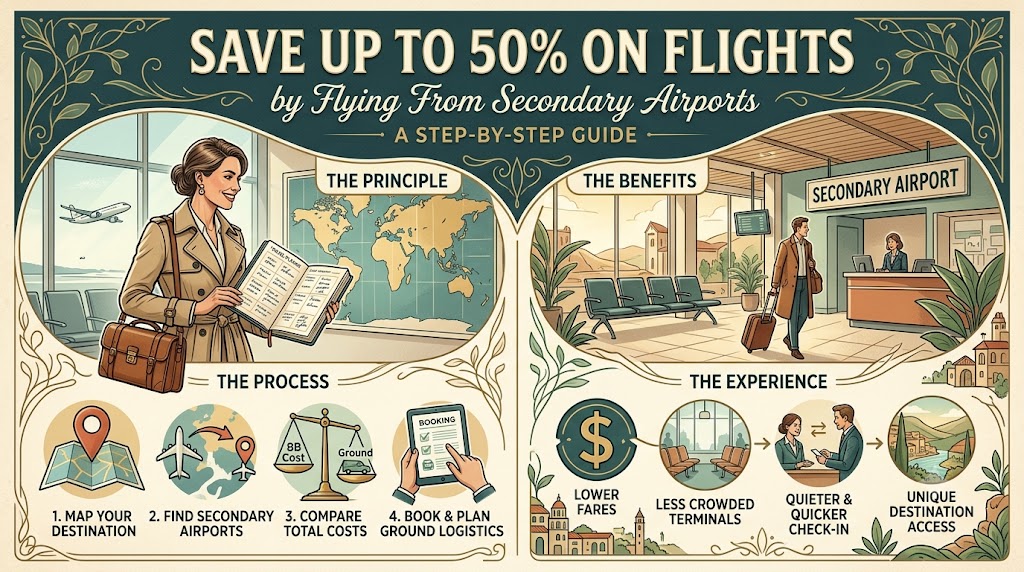
When your travel dates are pliable, shift your departure by a day or two; a Tuesday‑Wednesday flight often costs 10‑15 % less. Additionally, compare prices from alternate airports within a 100‑km radius—sometimes a short train ride to a secondary hub unlocks a $200‑$300 saving.
Airline‑specific promotions and flash sales
Subscribe to airline newsletters (e.g., Singapore Airlines, ANA, Air New Zealand) because they occasionally announce “premium economy promo codes” that shave 5‑10 % off the fare. Follow the airlines on social media for real‑time flash sale alerts.
Leveraging Loyalty Programs & Points
Frequent flyer miles can turn a cash‑plus‑points upgrade into a near‑free experience.
Mileage upgrade certificates vs cash‑plus‑points options
Many programs, like United’s MileagePlus or Air Canada Aeroplan, issue upgrade certificates that can be applied to a confirmed economy ticket. Alternatively, you can pay a reduced cash amount plus a points surcharge—often a better value if you have a points surplus.
Credit‑card transfer partners
Cards such as Chase Ultimate Rewards, Amex Membership Rewards, and Citi ThankYou allow you to transfer points to airline partners at a 1:1 ratio. Transferring 20,000 points to a partner can cover a $200‑$250 premium economy upgrade on many long‑haul routes.
Upgrade offers in post‑booking emails
After you book an economy ticket, airlines frequently send “upgrade offers” that cost less than the original premium fare. These emails may appear 24‑48 hours after purchase and can be accepted with a few clicks.
Co‑branded airline credit cards that include premium‑economy vouchers
Cards like the Singapore Airlines KrisFlyer U.S. Credit Card or the ANA Mileage Club Card sometimes grant a complimentary premium economy voucher after you meet a spending threshold—an excellent way to test the cabin without extra cost.
Airline‑Specific Premium Economy Rankings
Not all premium economy cabins are created equal. Below is a quick ranking based on seat comfort, service, and overall value.
- Singapore Airlines – Wide seats (19‑20 in), 38‑inch pitch, leather upholstery, and a dedicated cabin crew. Meal service rivals business class.
- Air New Zealand – “Skycouch” option that converts three seats into a flat surface, 41‑inch pitch, and generous baggage allowance.
- ANA (All Nippon Airways) – Quiet cabin, power outlets at every seat, and a reputation for impeccable service.
- Qantas – Comfortable recline, premium meals, and a strong on‑board entertainment suite.
- British Airways – Consistent seat width, but sometimes variable service quality depending on aircraft age.
Use seat‑map resources like SeatGuru or ExpertFlyer to verify the exact seat layout on your specific flight. Look for rows marked “extra legroom” or “premium exit rows” for the best experience.
Booking Checklist & Pro Tips
- Confirm seat selection and extra legroom before check‑in: Some airlines allow you to change seats up to 24 hours before departure without extra fees.
- Verify baggage allowances and any hidden fees: Premium economy sometimes includes an extra bag, but verify weight limits to avoid surprise surcharges.
- Set up price‑drop alerts after initial booking: If the fare falls, you can request a refund of the difference or re‑book at the lower price.
- Pack smart to maximize the extra comfort features: Bring a compact travel pillow, noise‑cancelling headphones, and a reusable water bottle—premium cabins often provide larger cup holders and power ports.
FAQ
Is premium economy worth it on a short‑haul flight?
Generally, the cost‑benefit ratio diminishes on flights under five hours. The limited time in the air means you won’t fully exploit the added legroom or meals.
Can I upgrade at the airport?
Yes, many airlines sell last‑minute upgrades at the gate or check‑in desk, often at a discount if premium seats remain unsold. Have your loyalty number handy.
Do I need a specific credit card to get the best deals?
No single card guarantees the lowest price, but cards with travel rewards and airline transfer partners give you flexibility to convert points into upgrades.
What if I have a special dietary requirement?
Premium economy meals are usually more customizable. Contact the airline 48‑72 hours before departure to request a special meal, and you’ll likely receive a higher‑quality option than in economy.
Conclusion
Upgrading to premium economy makes the most sense on long‑haul flights where the extra seat width, recline, and enhanced service can dramatically reduce fatigue and improve the overall travel experience. By timing your purchase, leveraging fare‑alert tools, and tapping into loyalty points, you can often secure a premium seat for a fraction of the full price. Use the checklist above, compare the airlines that consistently rank high, and you’ll arrive at your destination feeling refreshed—not exhausted.
Ready to start hunting for cheap premium economy tickets? Check out our Google Flights anywhere hack for a quick way to spot low‑cost routes, and consider the recommended tool to automate price‑drop alerts across multiple carriers.