Introduction – Why the Choice Matters
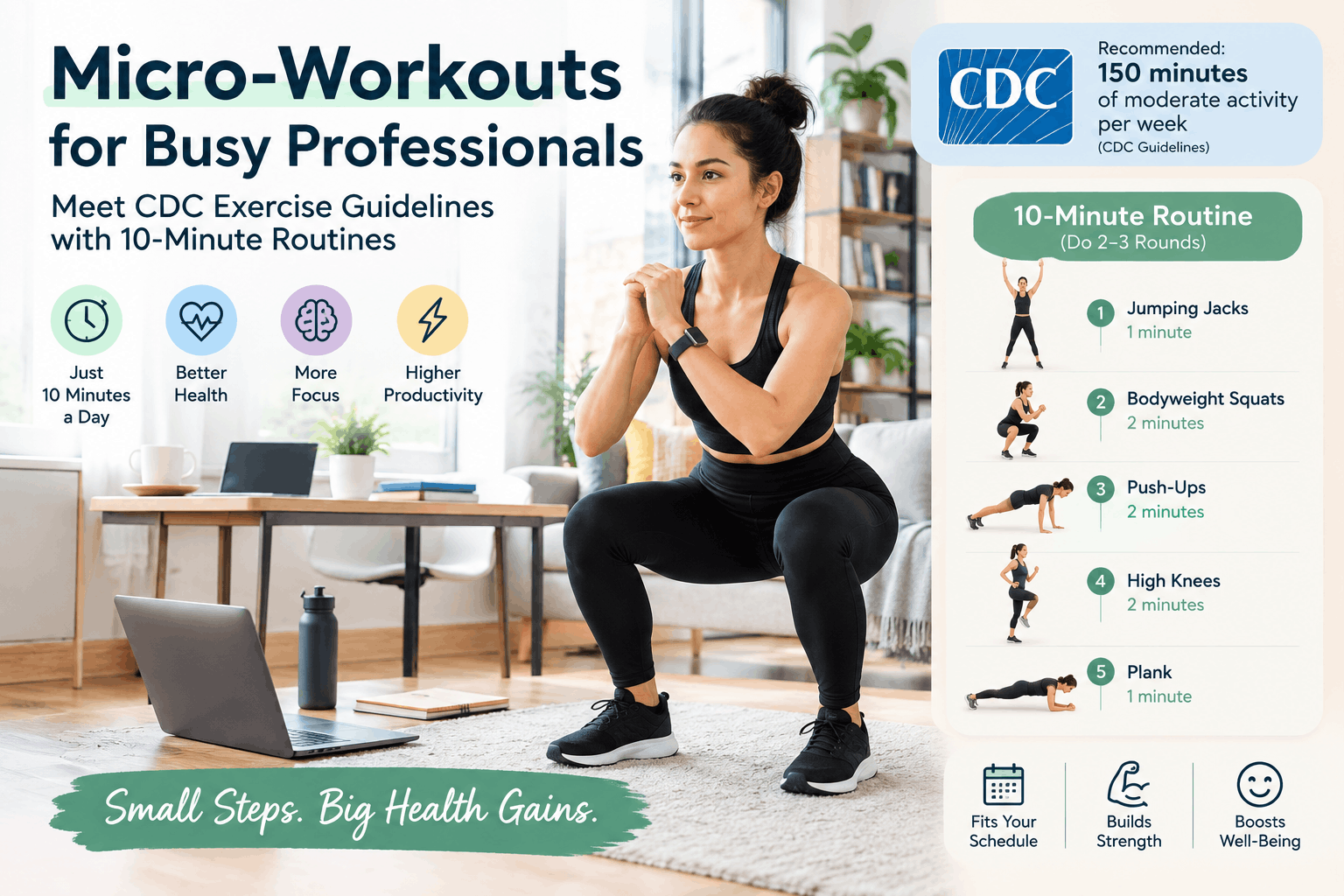
When the CDC reports that adults who meet the recommended 150 minutes of moderate‑intensity activity each week cut their risk of heart disease by up to 30%, the pressure to move is real. Yet the million‑plus options—group classes, virtual bootcamps, solo runs, home‑based strength circuits—leave many professionals wondering which path delivers the strongest health payoff. This article cuts through the noise with evidence‑based comparisons, practical trade‑offs, and a decision‑making checklist so you can align your workout style with your schedule, personality, and long‑term goals.
Understanding Group Exercise
Group exercise encompasses any physical activity performed alongside others, whether in a brick‑and‑mortar studio, a community sports club, or an online class streamed to your living room. Common formats include:
- Live studio classes (spin, HIIT, yoga)
- Team sports leagues (soccer, basketball)
- Virtual communities that schedule synchronized workouts
Motivation in these settings often stems from three sources: social support (cheering each other on), built‑in accountability (you’re expected to show up), and friendly competition (leaderboards, partner challenges).
Benefits of Group Fitness
Higher adherence rates. A CDC analysis of 12,000 participants found that individuals enrolled in regular group classes were 22% more likely to stay active after six months compared with those who exercised alone. The same trend appears in a 2023 Nature systematic review, which linked group participation to a 15‑20% boost in long‑term adherence.
Psychosocial gains. Group settings reduce perceived stress and improve mood through the release of oxytocin and endorphins. Participants often report feeling less isolated—a key factor for busy professionals juggling demanding schedules.
Performance boosts. Peer energy can push you to lift heavier, run faster, or hold a pose longer. Certified instructors also provide real‑time corrections, lowering injury risk and accelerating skill acquisition.
Safety and technique. In a crowded class, a trainer can spot form errors that might go unnoticed during a solo session, especially for complex movements like deadlifts or plyometric jumps.
Challenges and Limits of Group Workouts
Despite the advantages, group exercise isn’t a universal fit.
- Scheduling constraints. Fixed class times may clash with meetings, travel, or family duties.
- Cost. Monthly memberships can range from $50 to $200, adding up for those on a tight budget.
- Intimidation or overcrowding. Beginners sometimes feel self‑conscious in high‑energy studios, which can dampen enthusiasm.
- One‑size‑fits‑all programming. Instructors must design workouts for a heterogeneous crowd, meaning the intensity may be too easy for some and too hard for others.
Solo Workouts: Flexibility and Personalization
Training alone puts you in complete control of intensity, timing, and environment. You can:
- Adjust load and volume on the fly based on how you feel.
- Fit a 20‑minute kettlebell circuit into a lunch break or a sunrise jog before the kids wake.
- Choose privacy—perfect for those who prefer a quiet space or who feel judged in a public studio.
- Develop a stronger mind‑muscle connection by focusing solely on form without external distractions.
Financially, solo workouts are often cheaper. A basic set of dumbbells, a yoga mat, and a free app can replace a pricey studio membership.
Potential Downsides of Exercising Alone
Motivation slumps. Without a scheduled class, it’s easy to skip sessions when energy wanes or work piles up.
Limited feedback. Incorrect form can linger, increasing injury risk, especially for complex lifts.
Lower long‑term adherence. The Nature meta‑analysis noted a modest drop in activity levels after 12 months for participants who relied exclusively on solo routines, compared with those who mixed in group sessions.
Research Verdict: Group vs Individual Outcomes
The 2023 Nature meta‑analysis pooled data from 84 randomized trials covering functional capacity, cardiovascular health, and mental well‑being. Findings included:
- Both group and solo modalities improved VO2 max and muscular strength when total weekly volume was matched.
- Group participants showed a 12% greater reduction in depressive symptoms, likely tied to social interaction.
- Solo exercisers achieved slightly higher gains in flexibility and balance, reflecting the ability to tailor movements.
CDC data reinforce that overall activity level—not the setting—is the strongest predictor of chronic disease risk. The key takeaway: the “best” format depends on personal circumstances, not inherent superiority.
How to Choose the Right Approach for You
Use the checklist below to match your lifestyle to a workout style:
- Goal clarity. If you aim for competitive performance (e.g., race times), structured group classes with progressive overload may help.
- Schedule rigidity. Tight calendars benefit from solo sessions that can be slotted anywhere.
- Personality. Extroverts often thrive on community energy; introverts may prefer the quiet focus of solo work.
- Budget. Factor in class fees versus equipment costs.
Many find a hybrid model works best—attend a weekly spin class for motivation, then supplement with at‑home strength work.
Practical Tips for Maximizing Solo Workouts
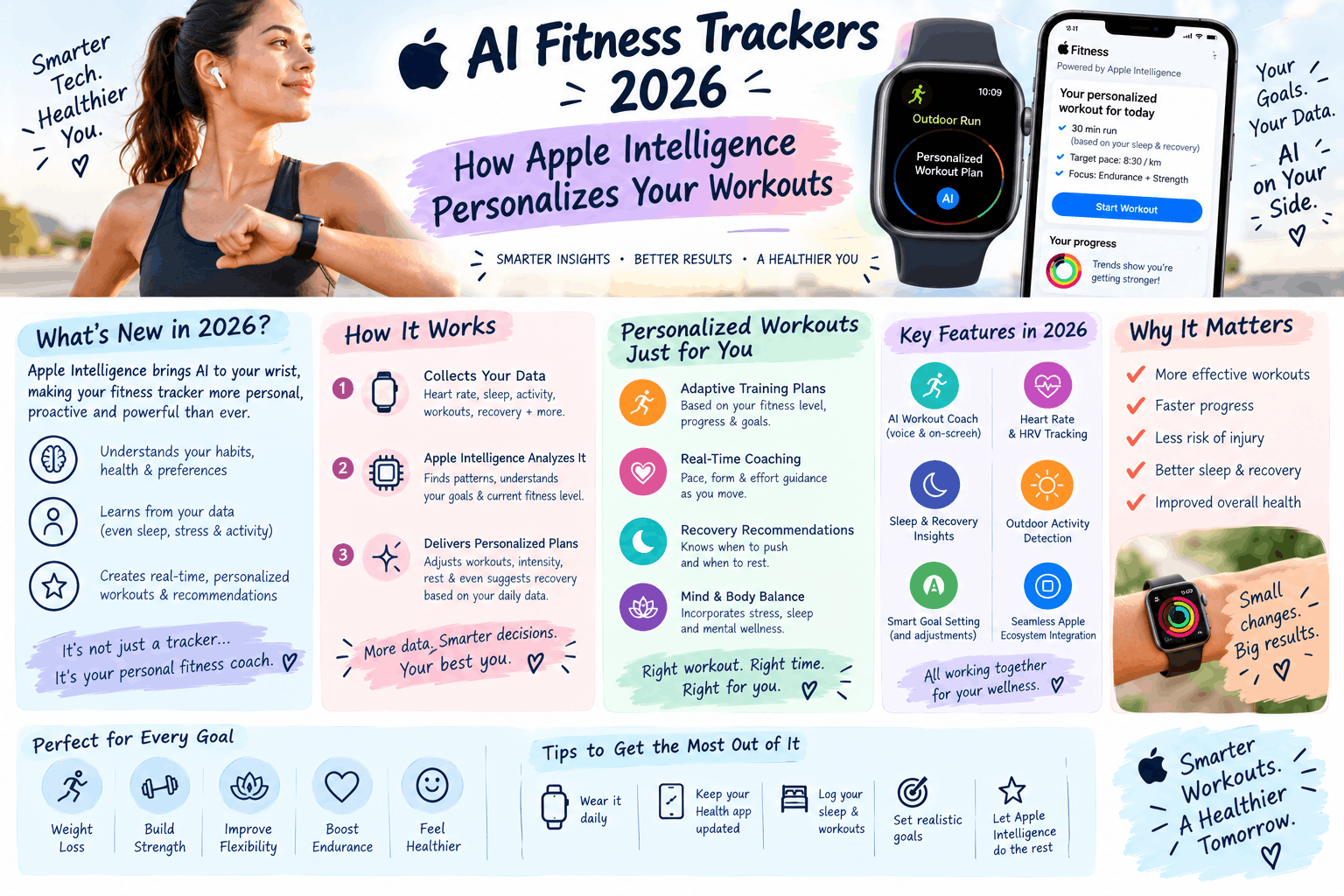
- Leverage fitness trackers or smartphone apps to log sets, reps, and heart‑rate zones. Data‑driven feedback replaces the accountability of a coach.
- Create a dedicated workout space—whether a corner of your living room or a garage gym. Consistency of environment cues the brain to switch into “exercise mode.”
- Set micro‑goals (e.g., “add 5 lb to the squat this week”) and reward yourself with non‑food treats like a new playlist or a massage.
- Consider a recommended tool such as a smart dumbbell set that records reps automatically.
Practical Tips for Getting the Most from Group Classes
- Choose classes that align with your primary goal—HIIT for cardiovascular fitness, yoga for mobility, or strength circuits for muscle growth.
- Engage with the community beyond the studio: many gyms host private Facebook groups or use apps like ClassPass to share progress and schedule swaps.
- Ask instructors for individualized cues. A quick “Can you watch my form on the deadlift?” can prevent bad habits.
- If you’re building a home gym, check out the Best Budget Home Gym Equipment for 2026 guide for affordable gear that mimics studio quality.
Conclusion – Personalizing Your Path to Better Health
Both group exercise and solo workouts can deliver measurable health gains; the decisive factor is alignment with your schedule, personality, and financial reality. Start by trying a week of each style, track metrics such as heart‑rate recovery, mood, and adherence, then compare the data. The experiment itself becomes a feedback loop, guiding you toward the most sustainable routine.
Remember, the ultimate goal isn’t to win a debate—it’s to move consistently, feel better, and reduce disease risk. Whichever path you choose, let evidence, self‑awareness, and a dash of curiosity steer you.