
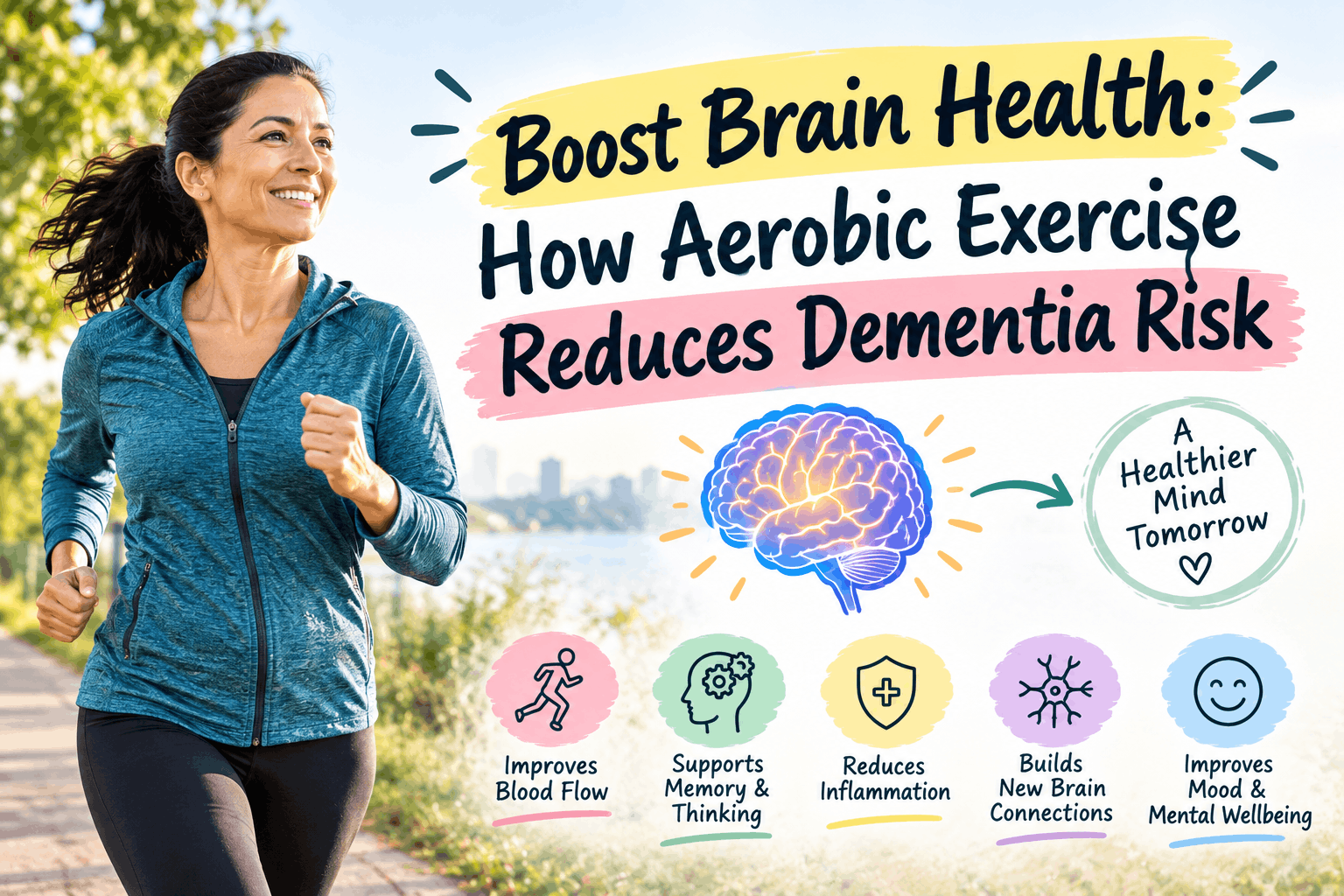
Regular aerobic exercise does more than keep your heart ticking; it actively preserves the brain’s vitality, delaying the cognitive decline that often accompanies aging. For adults over 40, integrating cardio into a weekly routine can be a powerful, evidence‑based strategy to lower the risk of dementia while sharpening memory, attention, and mood. This guide explains the science, highlights key research, and offers a practical, step‑by‑step cardio plan that fits busy lifestyles.
Why Brain Health Matters and the Role of Exercise
As people age, the prevalence of dementia doubles roughly every five years after age 65, and mild cognitive impairment affects nearly one‑third of adults in their 50s. These numbers reflect a growing public‑health challenge, but they also underscore the importance of proactive prevention. Physical activity emerged as one of the few lifestyle factors that consistently correlates with slower cognitive aging. When you move, blood delivers oxygen and nutrients to neurons, waste products are cleared more efficiently, and hormonal signals that support brain repair are released. In short, exercise creates a biochemical environment that protects against the cellular wear‑and‑tear linked to memory loss.
The Science Behind Aerobic Exercise and the Brain
Neurogenesis and Increased Blood Flow
Endurance activities such as brisk walking, cycling, or swimming raise heart rate and stimulate the production of brain‑derived neurotrophic factor (BDNF). BDNF acts like fertilizer for neurons, encouraging the growth of new cells in the hippocampus—a region critical for learning and memory. Simultaneously, aerobic exercise expands cerebral blood flow by up to 30 %, delivering more oxygen and glucose to active brain tissue.
Neuroplasticity and Gray Matter Volume
Repeated cardio sessions strengthen synaptic connections, a process known as neuroplasticity. MRI studies show that individuals who maintain moderate‑to‑vigorous aerobic fitness for six months can increase gray‑matter volume in the prefrontal cortex, the hub for executive function and decision‑making. These structural changes translate into measurable improvements in tasks that require planning, multitasking, and problem solving.
Cardiorespiratory Fitness as a Protective Factor
VO₂ max—a gold‑standard metric of cardiorespiratory capacity—predicts not only cardiovascular health but also cognitive resilience. Higher VO₂ max scores are associated with slower rates of amyloid‑beta accumulation, a hallmark of Alzheimer’s disease. In other words, a well‑conditioned heart can help keep the brain free of the toxic proteins that accelerate dementia.
Key Research Findings Supporting the Link
- Nature meta‑analysis (2022): A review of 30 longitudinal studies concluded that individuals who met the World Health Organization’s recommendation of at least 150 minutes of moderate cardio per week had a 25 % lower incidence of all‑cause dementia compared with sedentary peers.
- CDC’s Benefits of Physical Activity summary: The agency cites robust evidence that regular aerobic exercise improves mood, reduces anxiety, and enhances executive function—benefits that collectively lower the risk of cognitive disorders.
- Recent randomized trial (2023): Participants aged 55‑70 who performed 45 minutes of treadmill walking three times weekly for 12 months showed a 19 % reduction in hippocampal atrophy and performed better on verbal memory tests than a control group doing stretching only.
Designing a Brain‑Boosting Cardio Routine
Science converges on a sweet spot of 150‑300 minutes of moderate‑intensity cardio per week, or 75‑150 minutes of vigorous activity. Below is a flexible framework that can be customized to personal schedules and fitness levels.
- Frequency: Aim for 4–5 sessions weekly to spread the stimulus across the week and avoid long sedentary gaps.
- Intensity: Use heart‑rate zones—moderate (50‑70 % of max HR) or vigorous (70‑85 % of max HR). A simple “talk test” works: you should be able to speak in short sentences during moderate effort, but not sing.
- Mode examples:
- Brisk walking (4 mph) for 30‑45 minutes.
- Cycling on flat terrain or a stationary bike at 60‑70 rpm.
- Swimming laps at a comfortable pace.
- High‑Intensity Interval Training (HIIT) – 20 seconds sprint, 40 seconds recovery, repeat 8‑10 times.
For beginners, start with 20‑minute moderate walks and gradually increase duration by 5‑minutes each week. If you prefer variety, rotate between walking, cycling, and swimming to keep joints healthy and motivation high.
Tracking Progress and Staying Motivated
Modern fitness technology makes it easy to log cardio minutes, monitor heart‑rate zones, and visualize trends over time. Devices like the Apple Watch or Fitbit automatically categorize activity intensity and can send reminders when you fall short of weekly targets.
Combine cardio data with sleep and nutrition tracking for a holistic view. Adequate sleep (<7‑9 hours) supports memory consolidation, while omega‑3‑rich foods, leafy greens, and antioxidant‑dense berries provide the nutrients neurons need to thrive.
Set SMART goals (Specific, Measurable, Achievable, Relevant, Time‑bound). Example: “Walk 30 minutes at a moderate pace, five days a week, for the next four weeks.” Pair this with habit‑stacking—link your cardio session to an existing routine, such as “after I brew my morning coffee, I’ll put on my sneakers and walk around the block.”
Common Questions & Myths
Can low‑impact cardio still benefit the brain?
Yes. Activities like elliptical training, water aerobics, or even dancing raise heart rate without high joint stress, delivering the same BDNF surge and blood‑flow benefits as higher‑impact workouts.
Is there a minimum age to see cognitive gains?
Research shows measurable improvements in memory and processing speed in participants as young as 40, and the benefits amplify with age. Starting earlier simply builds a larger protective reserve for later years.
Does strength training help cognition?
Strength training does aid brain health, but the myth that “only cardio matters for cognition” overlooks the synergistic effect of combining both. Resistance work enhances insulin sensitivity and releases growth hormone, which together complement the neuroprotective pathways activated by aerobic exercise.
Action Plan and Resources
4‑Week Starter Program
- Week 1: 3 × 20‑minute moderate walks (target 55 % max HR). Add 5 minutes of gentle stretching post‑walk.
- Week 2: Increase to 3 × 30‑minute sessions. Introduce one 15‑minute cycling session at a comfortable cadence.
- Week 3: Add a fourth day of 20‑minute brisk walking. Incorporate a 10‑minute HIIT circuit (20 seconds fast, 40 seconds easy) at the end of one walk.
- Week 4: Aim for 4 × 30‑minute sessions, mixing walking, cycling, and swimming. Finish each session with a 5‑minute cool‑down and a brief mindfulness check‑in.
Useful tools: recommended tool for heart‑rate monitoring, the mindful movement guide for integrating breath awareness, and free cardio apps such as Nike Run Club or MapMyRide.
Weekly Tracking Checklist
- Log total cardio minutes (goal ≥ 150).
- Record average heart‑rate zone.
- Note sleep quality (hours + restfulness).
- Track nutrition highlights (omega‑3, leafy greens).
- Reflect on mood and mental clarity (1‑5 scale).
Conclusion
Regular aerobic exercise is one of the most accessible, evidence‑backed weapons against cognitive decline. By boosting blood flow, encouraging neurogenesis, and preserving gray‑matter volume, cardio directly counters the mechanisms that lead to dementia. The outlined routine, tracking tips, and resources make it simple to turn science into daily habit. Start moving today, and give your brain the youthful edge it deserves.



2 thoughts on “Boost Brain Health: How Aerobic Exercise Reduces Dementia Risk”
Comments are closed.