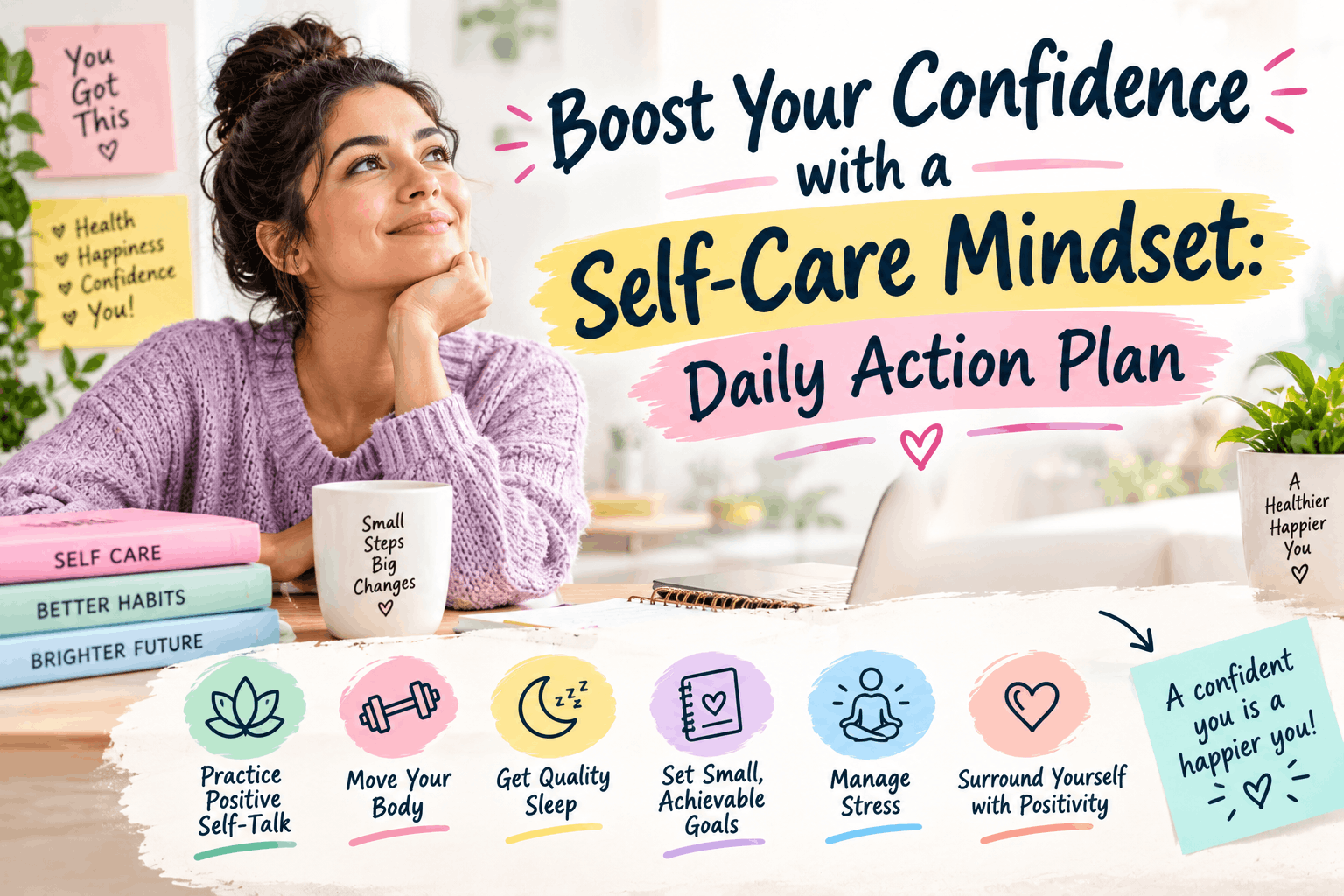
Confidence isn’t a trait you either have or lack; it’s a skill you can nurture through intentional daily habits. For young professionals juggling meetings, deadlines, and a social life, a self‑care mindset for confidence offers a realistic roadmap to feel steadier, more capable, and ready to seize opportunities. Below you’ll find a step‑by‑step action plan that blends science‑backed self‑care practices with mindset shifts, all designed to fit into a busy schedule.
Why Confidence Matters & How Self‑Care Influences It
Confidence fuels performance at work, deepens relationships, and buffers stress. When you believe in your abilities, you’re more likely to speak up in meetings, negotiate salaries, and pursue personal goals. Conversely, low confidence can lead to hesitation, missed opportunities, and chronic self‑doubt.
Self‑care isn’t just spa days; it’s the daily maintenance of body, mind, and emotions that shapes how you see yourself. Physical habits like regular movement improve posture and hormone balance, while mental habits such as mindfulness reduce the inner critic’s volume. Over time, these practices rewrite the internal narrative, turning “I can’t” into “I can try and learn.”
Defining the Self‑Care Mindset for Confidence
Core Principles
- Intentionality: Choose actions that align with the confidence you want to build, rather than reacting to stress.
- Self‑Compassion: Treat setbacks as a human experience, not proof of inadequacy.
- Growth Orientation: View every habit as a micro‑experiment that can be refined.
Occasional Self‑Care vs. Confidence‑Driving Mindset
Scrolling through a weekend self‑care article feels nice, but a confidence‑boosting mindset requires consistency. It’s the difference between “I’ll meditate when I have time” and “I schedule a 5‑minute mindfulness pause at lunch because it steadies my nerves and sharpens my focus.”
Daily Confidence‑Boosting Self‑Care Practices
Morning Ritual
- Hydration: Drink 250 ml of water within the first 10 minutes. Proper hydration supports brain function and reduces anxiety.
- Brief Movement: 3‑minute stretch or a quick walk. Physical activity releases dopamine, which improves mood and self‑esteem.
- Gratitude Journal: Write three things you’re grateful for and one confidence‑focused intention (e.g., “I will speak clearly in my next meeting”).
Midday Reset
- 5‑minute mindfulness: Close your eyes, focus on breath, and notice thoughts without judgment. This micro‑pause lowers cortisol and sharpens decision‑making.
- Power Pose: Stand tall, shoulders back, hands on hips for 30 seconds. Research shows it temporarily raises testosterone, a hormone linked to assertiveness.
- Healthy Snack: Pair protein with fiber (Greek yogurt + berries) to sustain energy and prevent blood‑sugar crashes that can erode confidence.
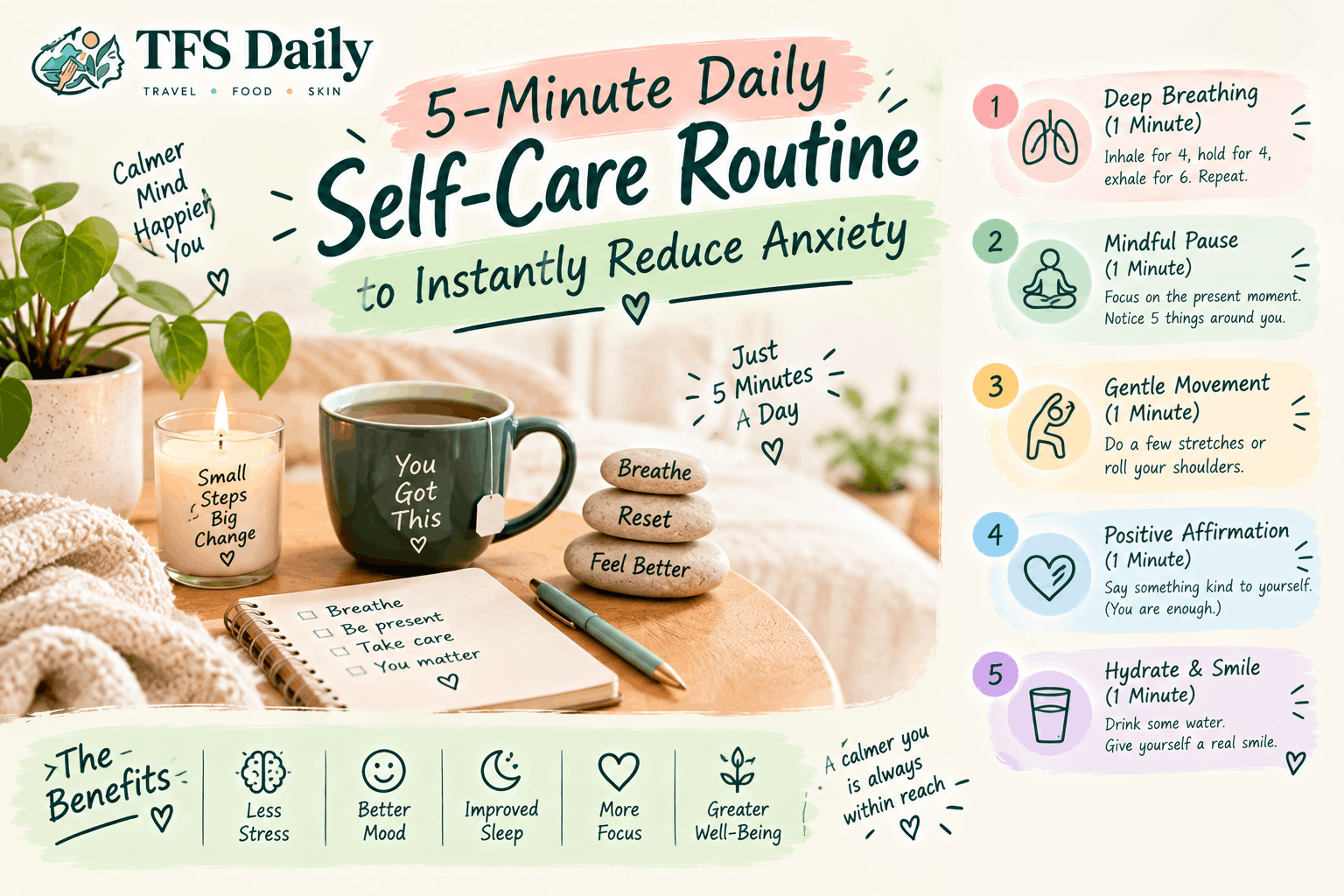
Need a quick starter? Try our quick 5‑minute self‑care routine that instantly reduces anxiety and sets a confident tone for the afternoon.
Evening Wind‑Down
- Digital Detox: Turn off screens 60 minutes before bed. Blue light interferes with melatonin, making sleep less restorative.
- Reflective Journaling: Answer two prompts – “What went well today?” and “What did I learn from a challenge?” This reinforces a growth mindset.
- Restorative Sleep Habits: Dim lights, cool room, and a consistent bedtime cue (e.g., a cup of herbal tea) signal your body it’s time to recharge.
Mindset Shifts & Mental Exercises
Positive affirmations tailored to confidence
Choose statements that feel true yet aspirational, such as “I communicate my ideas with clarity” or “I handle feedback as a chance to improve.” Repeat them aloud during your morning mirror check.
Visualization of successful outcomes
Spend two minutes picturing yourself delivering a presentation, negotiating a raise, or handling a difficult conversation. Engage all senses – hear applause, feel the confidence in your posture. This mental rehearsal primes neural pathways for real‑world performance.
Reframing setbacks as learning moments
When a project stalls, ask, “What specific skill can I develop from this?” Write the answer in your journal. Over time, you’ll notice a pattern of growth rather than failure.
Integrating Self‑Care into a Busy Schedule
Time‑blocking techniques
Dedicate 10‑minute blocks on your calendar for each habit. Treat them like meetings – with a start and end time – so they become non‑negotiable.
Micro‑self‑care hacks
- 1‑minute breathwork before a call (inhale 4, hold 4, exhale 4).
- Posture checks: set a phone reminder to sit tall every hour.
- Desk stretch: reach overhead and side‑bend to release tension.
Using habit‑stacking to anchor new practices
Pair a new habit with an existing cue. Example: after you brew your morning coffee, immediately do the gratitude journal. The coffee cue triggers the confidence habit, making adoption smoother.
If you work remotely, explore our remote work self‑care mindset guide for additional strategies that keep you grounded while navigating virtual collaboration.
Tracking Progress & Adjusting the Routine
Simple confidence score worksheet
Rate your confidence on a 1‑10 scale each evening. Note which self‑care actions you completed and any mood shifts. Over a week, patterns emerge that tell you which practices deliver the biggest boost.
Weekly review questions
- Which habit felt most natural, and why?
- Did any activity increase self‑criticism? How can you modify it?
- What small win can I celebrate today?
Iterating based on what feels most empowering
If a 5‑minute mindfulness session feels rushed, extend it to 7 minutes and shorten the power pose. The goal is to fine‑tune, not to stick rigidly to a template.
Common Pitfalls & How to Overcome Them
Perfectionism and “all‑or‑nothing” thinking
Missing one habit doesn’t erase the day’s progress. Adopt a “minimum viable confidence” mindset: aim for at least two of the three daily pillars (morning, midday, evening).
Neglecting rest in pursuit of productivity
Burnout erodes confidence faster than any negative feedback. Schedule at least one full day off per week where work‑related screens are off‑limits.
Solutions: realistic goal‑setting and self‑forgiveness
Set SMART goals (Specific, Measurable, Achievable, Relevant, Time‑bound) for your self‑care routine. When you slip, write a brief note of self‑forgiveness and recommit tomorrow.
Expert Insights & Recommended Resources
• Verywellmind emphasizes that confidence grows when you consistently meet small, achievable challenges. Their article on confidence outlines the science of “mastery experiences.”
• Stanford’s “Patient Mindset Training” program shows that framing setbacks as data points improves resilience – a principle directly applicable to self‑care.
• Thrive Global’s “Power Pauses” research highlights that brief, intentional breaks increase focus and self‑efficacy, reinforcing the midday reset described above.
Suggested reading: “Atomic Habits” by James Clear – a concise guide on habit‑stacking and incremental improvement.
Podcasts to queue: The Happiness Lab (episode on daily rituals) and WorkLife with Adam Grant (confidence in the workplace).
Apps that simplify tracking: Habitica for gamified habit‑building, Insight Timer for guided 5‑minute meditations, and Sleep Cycle for sleep analytics.
Conclusion: Your Path to a More Confident You
Building confidence through a self‑care mindset is less about grand gestures and more about tiny, repeatable actions that reshape how you view yourself. Start with one morning habit, add a midday reset, and finish with a reflective night routine. Track your confidence score, celebrate micro‑wins, and adjust as needed. Over weeks, the compound effect of intentional self‑care will surface as steadier nerves, clearer communication, and a resilient outlook ready to tackle the challenges of modern professional life.