
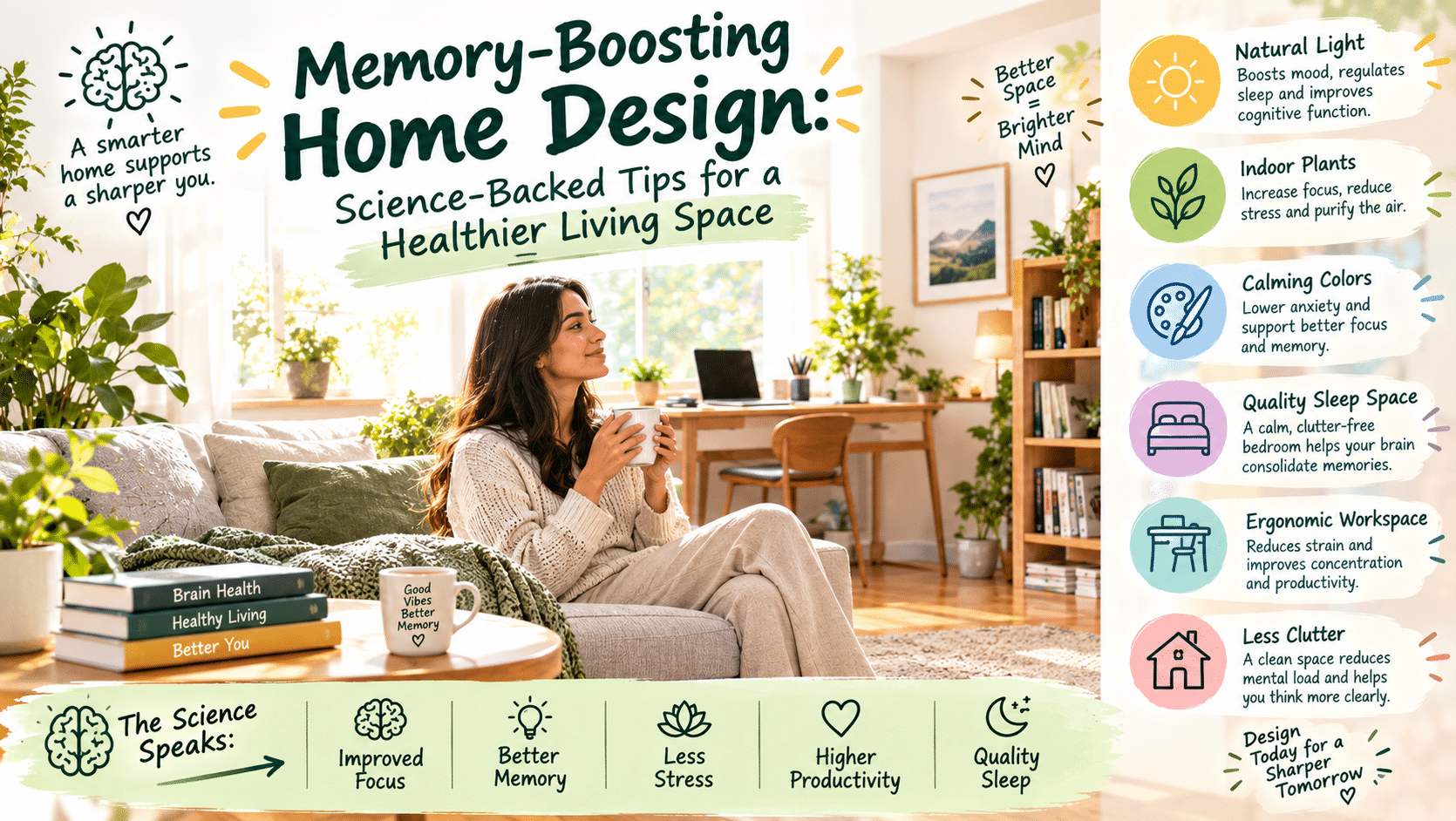
Designing a home that supports memory and emotional wellbeing is no longer a futuristic concept—it’s a practical strategy backed by neuroscience, gerontology, and interior design research. Whether you’re a health‑conscious homeowner, an adult child arranging a safe space for aging parents, or an interior designer exploring neuro‑design, the principles of memory boosting home design can transform everyday living. In this guide we blend scientific insight with actionable design tips, budget‑friendly upgrades, and real‑world case studies, so you can create a space that nurtures both mind and heart.
The Science Behind Memory and the Built Environment
Neuroarchitecture fundamentals
Neuroarchitecture examines how built environments influence brain function. The brain constantly maps spatial cues, lighting, color, and texture, turning them into memory anchors. When spaces are thoughtfully designed, they reduce cognitive load, improve recall, and foster a sense of safety.
Key research linking color, lighting, and layout to memory
Studies from the University of Michigan and Harvard Medical School show that blue‑green hues enhance concentration, while warm yellows can improve mood and recall. Natural light regulates circadian rhythms, directly affecting the hippocampus—the brain region responsible for forming new memories. Open layouts with clear sightlines reduce way‑finding errors, especially for seniors.
Statistics on aging populations and home‑based care
According to the World Health Organization, the global population aged 65+ will reach 1.5 billion by 2030, with 70% preferring to age in place. Home‑based care reduces institutional costs by up to 30%, but only when homes are adapted to support cognitive health. Multigenerational living trends highlight the urgency of designing spaces that serve multiple generations.
Core Design Elements for Memory‑Boosting Spaces
Color psychology: hues that stimulate recall
Soft blues and muted greens are proven to calm the nervous system while supporting focus. Accent walls in pastel yellow can act as visual cues for important areas—like a kitchen or medication cabinet—making them easier to locate. Avoid high‑contrast patterns that can overwhelm and confuse.
Lighting strategies: natural light, circadian lighting, and task lighting
Maximize daylight by positioning living areas near windows and using sheer curtains. Supplement with circadian‑aligned LED bulbs that shift from cool blue in the morning to warm amber at night. Task lighting—adjustable desk lamps or under‑cabinet LEDs—provides focused illumination for reading, cooking, or hobbies, reinforcing memory through activity‑specific lighting.
Texture and material choices for sensory engagement
Varied textures stimulate the somatosensory cortex, aiding recall. Consider tactile wall finishes like smooth plaster paired with textured wood trims. Soft, low‑pile rugs underfoot give proprioceptive feedback, helping individuals orient themselves without visual cues.
Spatial organization: decluttered zones and clear pathways
Clear, unobstructed pathways reduce the cognitive effort required to navigate a home. Use zoning—distinct areas for cooking, relaxing, and sleeping—marked by subtle changes in floor material or lighting levels. Open‑plan designs should still include defined traffic routes, especially in high‑traffic homes.
Furniture, Layout, and Organization Tips
Ergonomic seating that encourages focus
Supportive chairs with lumbar support encourage upright posture, which improves blood flow to the brain. Position seating to face natural light sources, reinforcing alertness during daytime activities.
Modular furniture for adaptable memory cues
Modular sofas and shelving can be reconfigured as needs change, providing visual continuity while allowing flexibility. For example, a modular bookshelf can double as a room divider, creating a clear visual cue that separates living and work zones.
Storage solutions that reduce cognitive load
Label drawers with both text and icons, and use clear containers for frequently used items. Open shelving at eye level reduces the need to search, while hidden storage keeps clutter out of sight, preserving a calm environment.
Biophilic and Nature‑Based Design for Cognitive Health
Incorporating indoor plants and green walls
Plants release phytoncides that improve air quality and lower stress hormones. A low‑maintenance snake plant or pothos in the hallway can serve as a living landmark, aiding way‑finding.
Views of nature and daylight exposure
Large windows framing garden views or city greenspaces provide restorative visual breaks. Even a picture of a natural scene can trigger the brain’s relaxation response, supporting memory consolidation.
Natural materials that soothe the brain
Wood, stone, and bamboo resonate with our evolutionary preference for natural textures. A reclaimed‑wood coffee table or stone countertop grounds the space, reducing anxiety and enhancing focus.
Smart‑Home Tech that Supports Memory
Voice‑activated reminders and routines
Smart speakers can announce medication times, appointments, or grocery lists. Simple voice commands like “What’s on my schedule?” reduce reliance on written notes.
Adaptive lighting systems (e.g., Philips Hue)
Programmable lighting can cue daily routines—bright light in the morning to signal waking, soft amber in the evening to signal winding down. Integrating these with a home hub streamlines the process.
Wearable‑integrated home sensors
Wearables that sync with home sensors can detect movement patterns and suggest adjustments, such as increasing hallway lighting if a resident is moving after dark. For more advanced automation, consider this tool to coordinate reminders across devices.
Budget‑Friendly Upgrades and DIY Projects
Paint swaps and affordable accent walls
Repainting a single wall in a calming hue costs less than $100 and instantly creates a memory cue. Use painter’s tape for crisp lines and consider low‑VOC paints for healthier air.
DIY lighting upgrades
Replace outdated fixtures with LED panels or smart bulbs. Wiring a simple plug‑in dimmer can transform a room’s ambience without professional help.
Repurposing existing furniture for better flow
Turn an old bookshelf into a room divider with added lighting strips. This not only creates a visual cue but also adds storage, keeping surfaces clear.
Real‑World Case Studies
Bonnie Star’s emotional architecture approach
Bonnie Star integrates emotional architecture by pairing color palettes with personal narratives. In a recent project, she used a client’s favorite sunrise hues in the bedroom, resulting in improved sleep quality and mood.
Senior‑focused community homes tackling memory loss
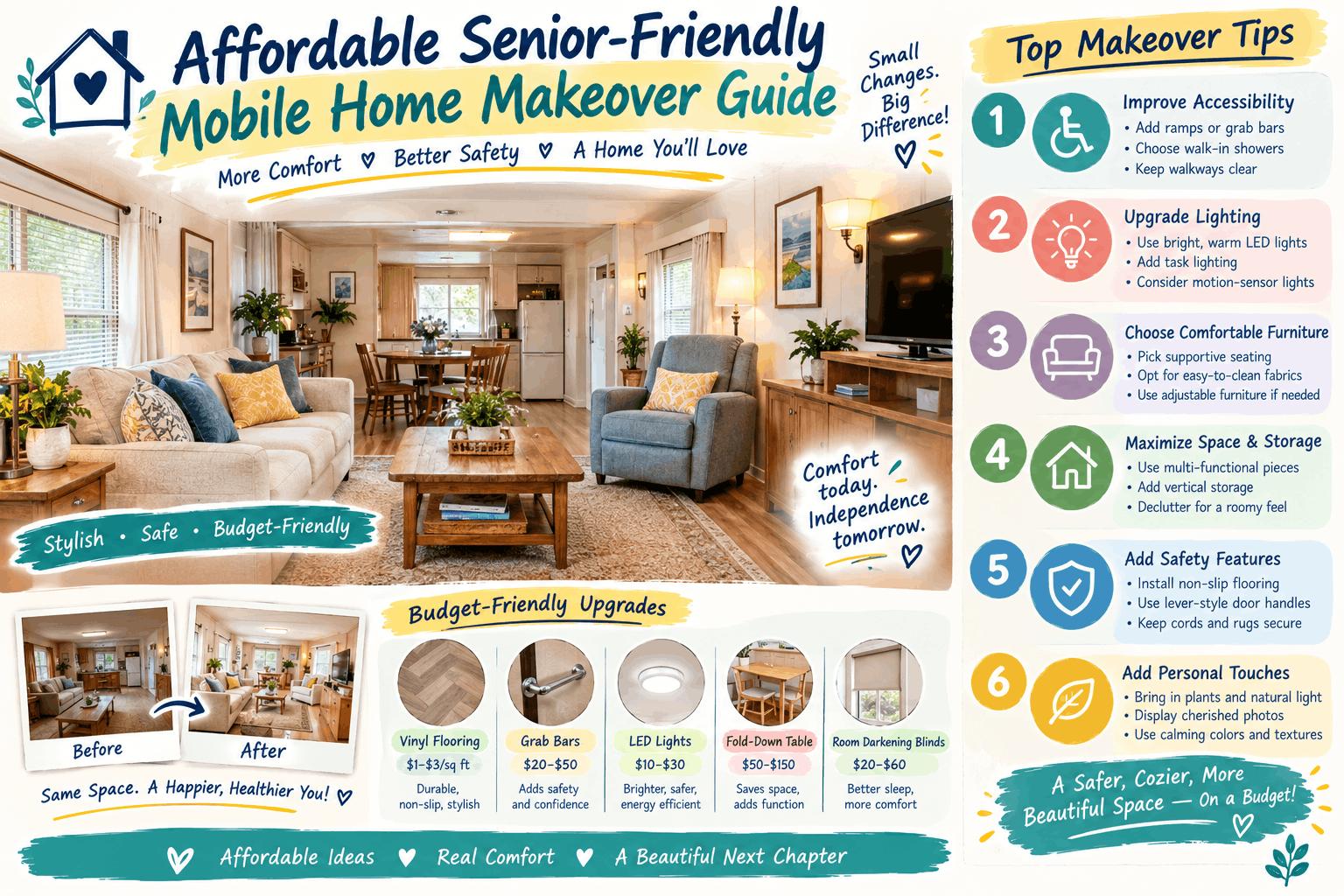
Several assisted‑living communities have adopted memory friendly home decor principles: contrasting door handles, tactile floor mats, and color‑coded corridors. Residents report a 25% reduction in disorientation incidents.
Young adults living at home: practical adaptations
College students returning home benefit from dedicated study zones with focused lighting and minimal distractions. By using modular desks and clear storage, they maintain academic performance while supporting family members.
Checklist & Action Plan for Readers
Step‑by‑step implementation timeline
- Week 1: Assess current lighting and color schemes; note areas of confusion.
- Week 2: Introduce a single accent wall in a calming hue.
- Week 3: Install smart bulbs and set up basic voice reminders.
- Month 2: Add indoor plants and replace high‑contrast rugs with low‑pile options.
- Month 3: Reconfigure furniture for clear pathways and label storage.
Quick wins vs. long‑term projects
Quick wins: Paint a wall, add a plant, label drawers. Long‑term: Install adaptive lighting, integrate wearable sensors, redesign layout for modular flexibility.
Resources and tools
- Free lighting calculator: wellness‑focused home decor guide
- Memory cue checklist PDF (downloadable)
- Local occupational therapist referrals for senior‑friendly interior design consultations
Conclusion: Creating a Home That Nurtures Mind and Heart
By weaving together color psychology, natural light, tactile materials, and smart‑home technology, memory boosting home design becomes a holistic practice that supports emotional wellbeing and cognitive health. The benefits—reduced anxiety, sharper recall, and a safer environment—extend to every generation under one roof. Start with a single change, observe its impact, and gradually build a space that feels as supportive as it is beautiful. Your home can be a living memory aid, a sanctuary for the mind, and a testament to thoughtful design.

2 thoughts on “Memory‑Boosting Home Design: Science‑Backed Tips for a Healthier Living Space”
Comments are closed.