
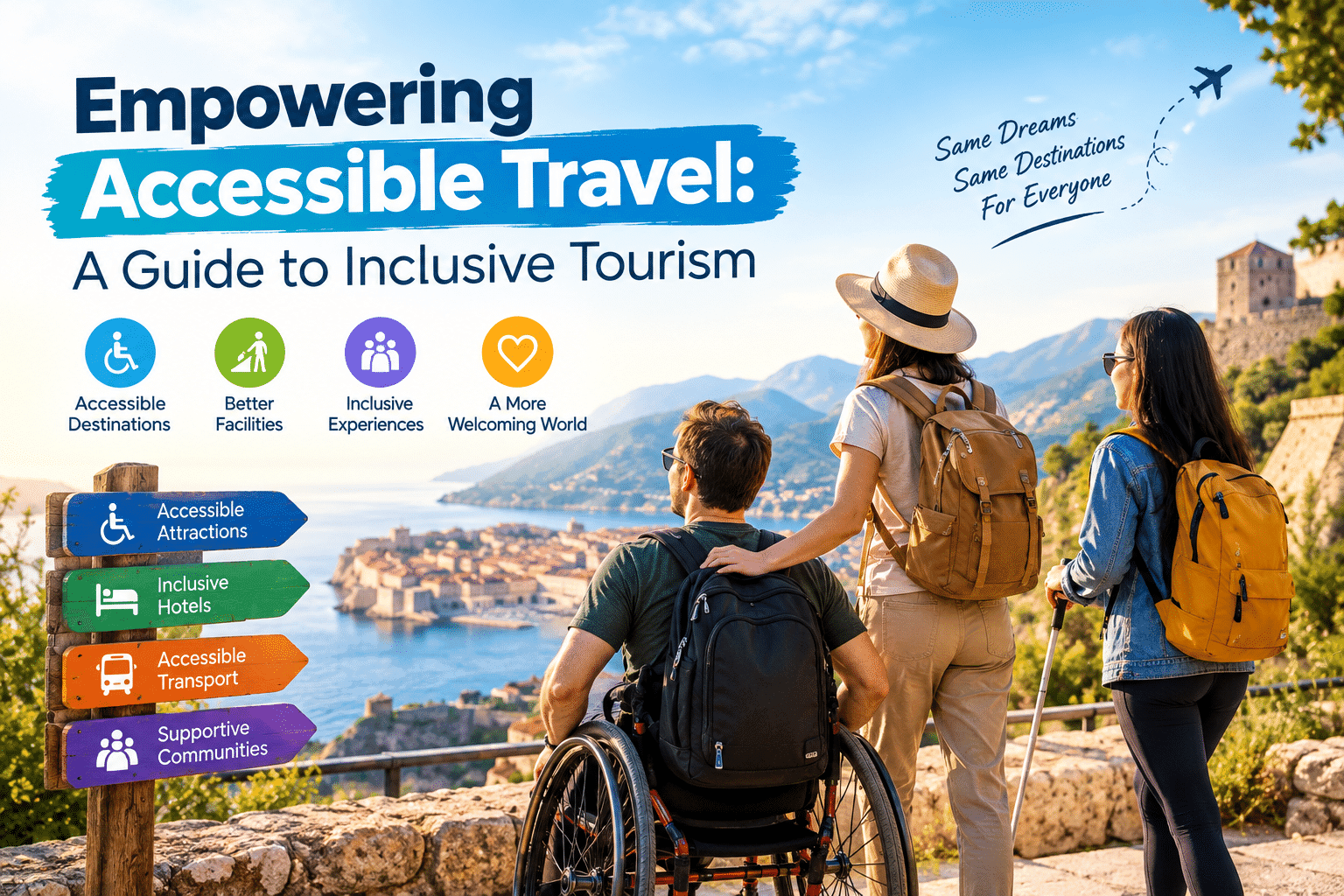
Imagine being able to explore the world without worrying about accessibility barriers. With the accessible travel market expected to grow to $13.9 billion by 2025, it’s clear that people with disabilities are demanding more inclusive tourism options. As someone considering disability travel, you’re likely wondering: what are the best destinations for accessible travel, and how can I plan a trip with a disability?
- Research destinations with wheelchair accessible infrastructure and adaptive equipment
- Book accessible accommodations and arrange transportation in advance
- Utilize resources such as travel apps and organizations providing assistance for travelers with disabilities
Introduction to Accessible Travel
Accessible travel refers to the practice of creating inclusive tourism experiences for people with disabilities. According to the UN, 1 billion people worldwide live with a disability, highlighting the importance of accessible travel options. Inclusive tourism not only benefits individuals with disabilities but also enhances the overall travel experience for everyone.
Top Accessible Destinations
Some cities are leading the way in accessible travel, with wheelchair accessible infrastructure and adaptive equipment. For example, Singapore has implemented a comprehensive accessibility plan, making it an ideal destination for travelers with disabilities. Beaches like Kaanapali in Maui, Hawaii, offer adaptive equipment and accessible restrooms, while national parks like Yellowstone have accessible trails and facilities.
Accessible Cities
Cities like Barcelona, Spain, and Melbourne, Australia, have made significant strides in accessible travel, with wheelchair accessible public transportation and buildings. You can explore these cities with ease, taking in the sights and sounds without worrying about accessibility barriers.
Planning an Accessible Trip
Planning an accessible trip requires research and advance planning. You’ll need to research destinations, book accessible accommodations, and arrange transportation. Consider working with a travel agent specializing in disability travel to ensure a smooth and enjoyable trip.
Researching Destinations
When researching destinations, look for cities and attractions with wheelchair accessible infrastructure and adaptive equipment. Websites like Accessible Tourism provide valuable resources and guides for travelers with disabilities.
Resources for Travelers with Disabilities
Fortunately, there are many resources available to help travelers with disabilities. Organizations like the Disability Travel provide travel assistance and guidance, while websites like Wheelmap offer accessible travel guides and reviews.
Accessible Travel Experiences
From relaxing on accessible beaches to exploring wheelchair-friendly museums, there are countless accessible travel experiences to be had. Consider visiting the Accessible Safari in Africa, or taking a wheelchair-accessible cruise to the Caribbean.
Accessible Accommodations
When it comes to accessible accommodations, there are many options to choose from. Look for hotels and resorts that offer wheelchair accessible rooms, adaptive equipment, and accessible amenities like pools and restaurants. Some popular options include Accessible Hotels and Wheelchair Accessible Vacation Rentals.
Conclusion and Future of Accessible Travel
As the accessible travel market continues to grow, we can expect to see more inclusive tourism options and innovative technologies. Trends like accessible travel apps and virtual reality experiences are on the horizon, making it easier for people with disabilities to explore the world. With the right resources and planning, you can embark on an accessible travel adventure that’s tailored to your needs and preferences.
Accessible Travel Tips and Advice
To ensure a successful and enjoyable accessible travel experience, consider the following tips and advice: research your destination thoroughly, book accessible accommodations in advance, and don’t be afraid to ask for help or assistance when you need it. Additionally, consider working with a travel agent who specializes in disability travel to help plan your trip.


2 thoughts on “Empowering Accessible Travel: A Guide to Inclusive Tourism”