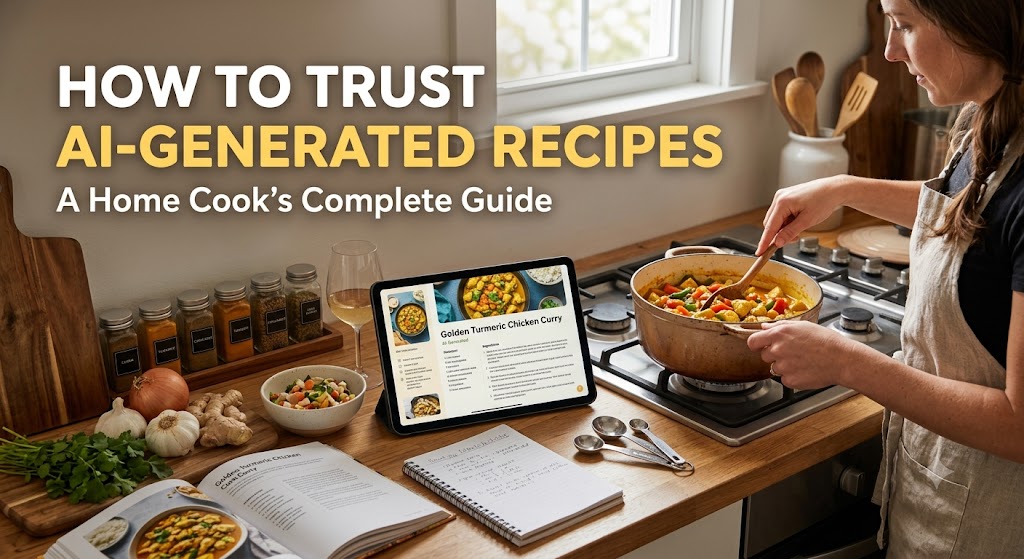
Artificial intelligence is reshaping the way we discover meals, but a quick, personalized recipe is only useful if it’s reliable. This guide walks tech‑savvy home cooks through the process of evaluating AI‑generated recipes, from checking data sources to testing a single batch in your kitchen. By the end, you’ll know which tools to trust, how to verify each recipe, and how to stay safe while experimenting with the latest AI cooking assistants.
Why AI is Changing Home Cooking
AI entered the culinary world a decade ago, initially as a research curiosity for flavor pairing. Early models used simple ingredient databases, but today’s large language models can generate entire menus in seconds. The surge in AI recipe generators reflects a broader desire for convenience: busy professionals want dinner ideas that match dietary preferences without scrolling through endless blogs.
- Brief history of AI in food: From IBM’s Chef Watson (2015) to modern chat‑based assistants, AI has moved from experimental to mainstream.
- Current popularity: Apps like ChefGPT and Mealime claim millions of monthly users, and many grocery sites now embed AI suggestions directly on product pages.
- Key concerns: Trust, accuracy, and safety remain top questions. A mis‑calculated salt ratio or an overlooked allergen can ruin a meal and pose health risks.
Assessing the Credibility of AI‑Generated Recipes
Not every AI output is created equal. Use these criteria to separate useful suggestions from risky guesses.
Check source data and training models
Reputable tools disclose whether they train on curated cookbook collections, user‑submitted recipes, or public web data. A model trained on peer‑reviewed culinary texts is more likely to respect classic technique.
Cross‑reference with trusted cookbooks or sites
Take the core steps and compare them to a proven source—think copycat Panera broccoli cheddar soup or a classic Joy of Cooking entry. If the AI suggests a cooking time that deviates dramatically, investigate why.
Validate ingredient ratios and cooking times
AI can hallucinate numbers. Use a kitchen scale to verify that 200 g of flour isn’t paired with 1 kg of water. Look for red flags such as “bake at 500 °F for 5 minutes” on a dense casserole.
Use food safety guidelines
Cross‑check internal temperatures against USDA recommendations. If an AI recipe calls for “cook chicken until it looks pink,” replace that with a temperature check of 165 °F (74 °C).
Top Reliable AI Recipe Tools for Home Cooks
ChefGPT
ChefGPT blends a large language model with a curated database of over 500,000 professionally tested recipes. Features include meal planning, grocery list export, and a recommended tool link for premium users. Pricing starts at $9.99 / month, with a free trial that lets you generate three recipes per day.
Mealime
Mealime shines in personalization. After a quick questionnaire about allergies, diet goals, and time constraints, the app produces a weekly menu that adapts to seasonal produce. The free tier offers basic plans; the Pro version ($5.99 / month) unlocks AI‑driven nutrition analysis.
SideChef
SideChef emphasizes step‑by‑step verification. Each generated recipe includes photo‑guided instructions, timers, and a “confidence score” based on how many trusted sources match the AI’s suggestion. The app is free with optional in‑app purchases for premium meal plans.
HelloFresh + Bon Appétit partnership (case study)
This collaboration combines HelloFresh’s ingredient logistics with Bon Appétit’s editorial expertise. The AI suggests recipes, then a human editor validates each step. Users receive a weekly box with the exact ingredients, reducing the risk of missing components.
Step‑by‑Step Verification Process
- Run the recipe through a trusted source: Paste the AI‑generated steps into a search engine or compare them with a known cookbook. Look for major discrepancies.
- Use a kitchen scale to confirm quantities: Measure dry ingredients, especially leavening agents, to avoid texture failures.
- Adjust for personal taste and dietary restrictions: Reduce salt, swap dairy for plant‑based alternatives, or omit allergens.
- Test‑cook a small batch before full preparation: Prepare half the portion size. This reveals timing issues without wasting food.
Common Pitfalls and How to Fix Them
- Over‑ or under‑seasoning: AI often guesses a generic salt amount. Taste as you go; a pinch of salt is easier to add than to remove.
- Missing steps or ambiguous instructions: If a step says “mix well,” add specifics—e.g., “mix for 30 seconds until a smooth batter forms.”
- Incorrect cooking temperatures: Cross‑check with the food type. For baked goods, a difference of 25 °F can affect rise and browning.
- Solutions and quick fixes: Keep a notebook of adjustments. Over time you’ll build a personal “AI correction” cheat sheet.
Future Trends: AI, Trust, and Home Cooking
Transparency standards are emerging. New regulations may require AI services to disclose the percentage of human‑edited content. User‑feedback loops—where you rate a recipe’s accuracy—are already improving model performance.
Another exciting direction is AI‑driven nutrition tracking. Imagine a tool that not only suggests a dinner but also logs macro‑nutrients directly into your health app. For a glimpse of AI’s seasonal potential, read our piece on AI‑driven seasonal cooking.
Conclusion & Action Checklist
Trusting AI‑generated recipes is less about blind faith and more about a systematic verification routine. By checking sources, measuring ingredients, and testing small batches, you protect flavor, safety, and your grocery budget.
- Run the AI recipe through a trusted cookbook or reputable website.
- Measure ingredients with a scale.
- Adjust seasoning and accommodate dietary needs.
- Cook a half‑size test batch first.
- Log any tweaks for future reference.
Ready to experiment? Start with a free trial of ChefGPT or explore the free tier of Mealime. Your next reliable, AI‑crafted dinner is just a few clicks away.
Frequently Asked Questions
Can AI recipes be unsafe?
Yes, if the model suggests incorrect cooking temperatures or overlooks allergens. Always verify against official food safety guidelines.
Do I need a premium subscription to get trustworthy recipes?
Not necessarily. Free tiers of reputable apps like Mealime provide solid suggestions, but premium versions often include human‑reviewed content and advanced nutrition data.
How often should I update my verification checklist?
Review it whenever you try a new AI tool or notice recurring errors. Continuous improvement keeps your cooking both delicious and safe.