
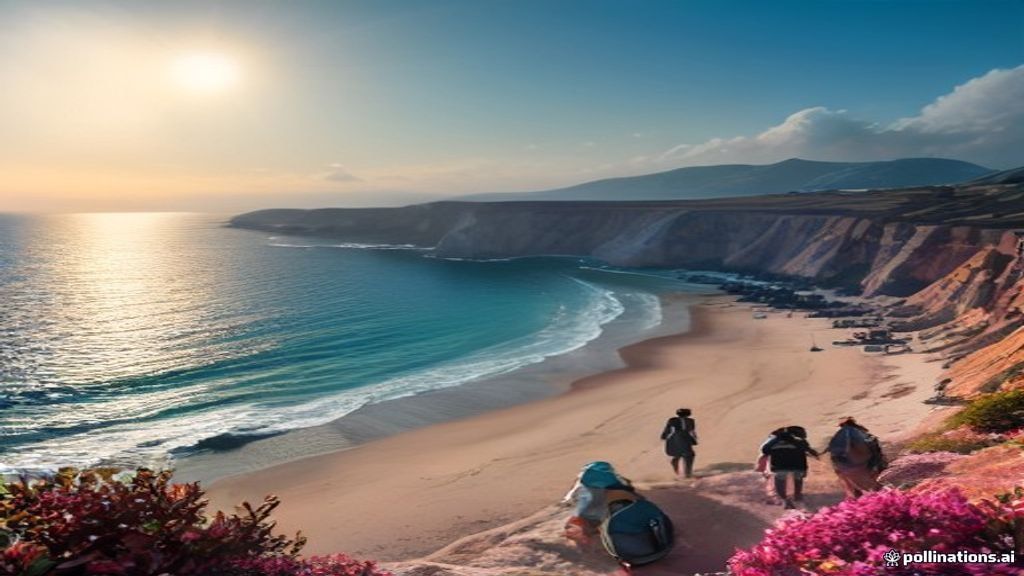
Traveling alone gives you the freedom to set your own pace, but it can also feel lonely or overwhelming in unfamiliar places. Joining a group tour can add safety, camaraderie, and logistical ease while still preserving the core of solo exploration. This guide walks you through every stage—research, booking, staying independent, budgeting, and post‑tour networking—so you can enjoy the best of both worlds.
Why Solo Travelers Choose Group Tours
Psychological benefits are often the first draw. Sharing a sunrise hike or a market stroll creates instant connections, reducing the isolation that sometimes accompanies solo trips. The sense of community also boosts confidence, especially in regions where language barriers or cultural differences can feel intimidating.
Practical advantages include streamlined logistics, cost‑sharing on transportation and accommodation, and access to local expertise that would otherwise require a private guide. For many solo adventurers, these factors turn a daunting itinerary into a manageable, enjoyable experience.
Identifying the Right Type of Group Tour for Solo Travelers
Small‑group adventure tours (5‑12 people)
Groups of five to a dozen strike a balance between intimacy and diversity. You get enough fellow travelers to forge friendships, yet the small size keeps itineraries flexible enough for personal detours.
Themed tours – food, eco‑tourism, cultural immersion
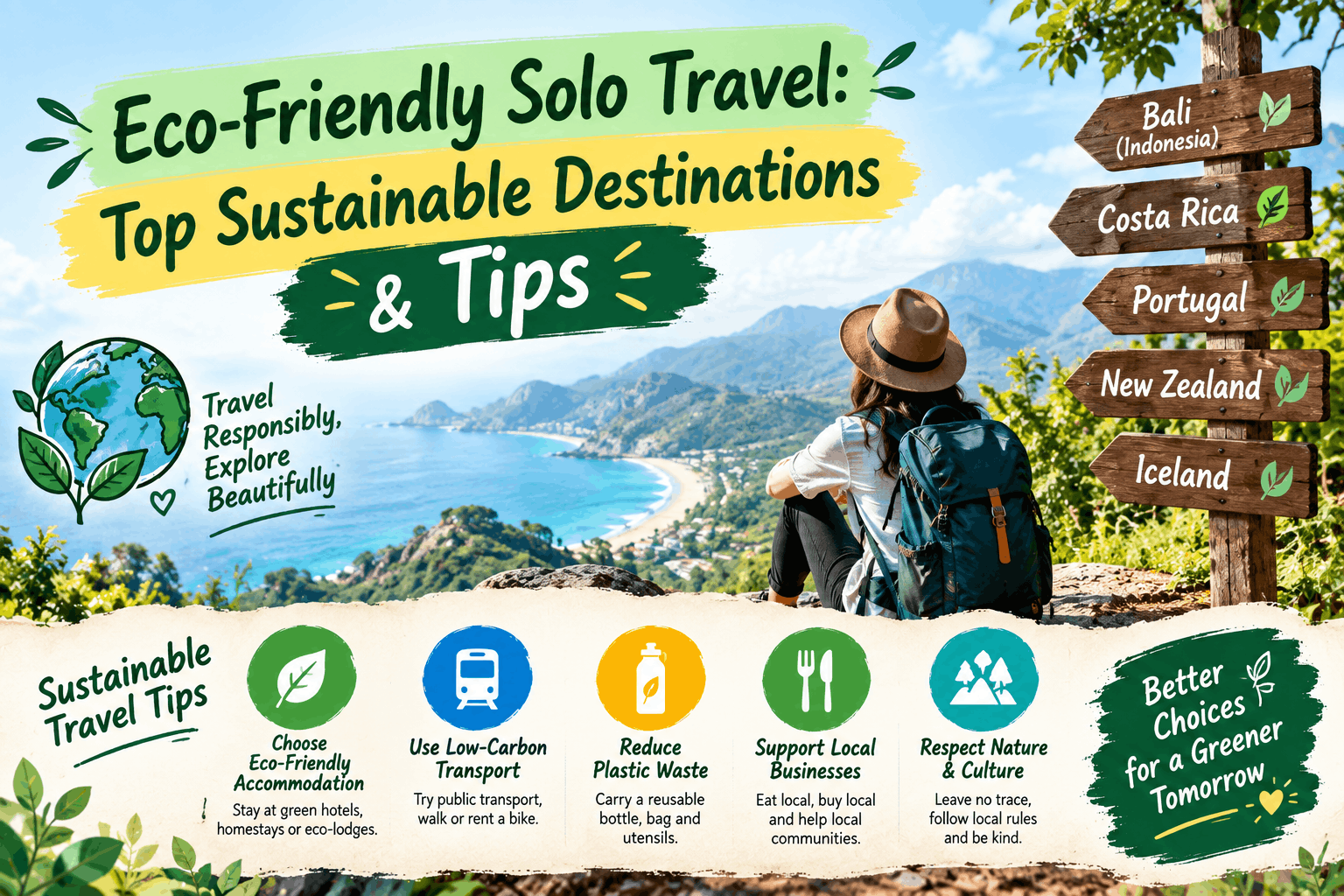
Choosing a theme aligns the tour with your passions. A culinary tour in Tuscany, an eco‑expedition in Costa Rica, or a heritage walk in Kyoto ensures you’re surrounded by people who share your interests, making conversations natural.
Luxury vs budget options
Luxury tours often include private transport, boutique hotels, and exclusive experiences, while budget tours focus on hostels, public transport, and local eateries. Decide which comforts are essential for you and which you’re willing to trade for deeper local immersion.
Flexible itineraries that allow solo excursions
Look for tours that schedule “free days” or optional activities. This flexibility lets you chase a personal interest—like a solo sunrise yoga session—without feeling like you’re breaking the group’s rhythm.
Researching and Vetting Tour Operators
Key criteria – accreditation, reviews, guide‑to‑traveler ratio
Accreditation from bodies such as the International Air Transport Association (IATA) or the Adventure Travel Trade Association (ATTA) signals professionalism. Check that guides aren’t stretched thin; a 1:8 ratio typically ensures personalized attention.
Trusted sources – TripAdvisor, Lonely Planet, The Points Guy recommendations
Cross‑reference operator names across multiple platforms. A tour that consistently scores 4.5+ stars on TripAdvisor and appears in Lonely Planet’s “Best for Solo Travelers” list is usually reliable.
Red flags to avoid – hidden fees, overly rigid schedules
Beware of operators that add “administrative surcharges” after you’ve booked, or those that lock you into a strict timetable with no room for personal exploration. Transparent pricing and clear cancellation policies are hallmarks of reputable companies.
Step‑by‑Step Booking Process
- Select the tour and check solo‑traveler policies. Some operators charge a “single supplement” while others waive it for groups under 10.
- Understand payment terms and cancellation clauses. Look for refundable deposits and flexible rescheduling options, especially in uncertain times.
- Secure travel insurance that covers group activities. Use a recommended travel insurance that includes coverage for organized excursions, medical emergencies, and trip interruption.
Maintaining Independence Within the Group
Negotiating free days or optional activities
When you book, ask the operator if they can build in a half‑day free slot. Most are happy to accommodate solo travelers who want a little solo time.
Using social travel apps to connect with fellow travelers on your terms
Platforms like TravelBuddy let you join the tour’s chat, arrange meet‑ups, or opt out of certain meals. This way you stay social without feeling forced.
Balancing group meals with solo dining experiences
Participate in communal breakfasts to bond, then treat yourself to a solo dinner at a local hotspot. The contrast enriches your cultural immersion.
Safety and Logistics Tips for Solo Participants
Pre‑trip health and safety checklist
- Vaccinations and any required medications.
- Copy of passport, visas, and emergency contacts stored digitally and on paper.
- Basic first‑aid kit tailored to the destination’s climate.
Staying connected – mobile plans, emergency contacts
Purchase a local SIM or an eSIM with data roaming. Share your itinerary with a trusted friend and set up a daily check‑in time.
Navigating group dynamics and personal boundaries
Respect group norms, but also assert your limits. If a planned hike feels too strenuous, politely opt out and suggest an alternative activity for the day.
Budgeting: Getting the Best Value
Cost breakdown – tour fee, accommodations, meals, extras
A typical mid‑range group tour might cost $1,500 per person, covering transport, 3‑4 nights of lodging, most meals, and guide fees. Add $200‑$300 for optional excursions, tips, and personal meals.
Tips for saving – early‑bird discounts, off‑season travel, shared gear
- Book 3–6 months ahead to lock in early‑bird rates.
- Travel in shoulder seasons (e.g., late spring or early fall) to avoid peak pricing.
- Share equipment like snorkeling gear or trekking poles with fellow solo travelers to cut rental costs.
Post‑Tour Community and Continued Travel
Leveraging tour alumni networks for future trips
Many operators host alumni Facebook groups or newsletters. Staying active in these circles can give you insider tips for your next solo‑group hybrid adventure.
Staying in touch with new friends via social platforms
Exchange Instagram handles or join a shared WhatsApp chat. Future meet‑ups often spring from these connections, turning a single tour into a lifelong travel network.
FAQs and Common Concerns
Can I join a tour mid‑trip?
Some operators allow “drop‑in” participants if there’s capacity, but you’ll likely pay a higher fee and miss the introductory briefing.
What if I want to leave the group early?
Review the cancellation policy before you book. Most companies permit early departure with a partial refund of the unused portion, minus any non‑refundable fees.
How to handle dietary restrictions on group tours
Notify the operator at least two weeks in advance. Reputable tours accommodate vegetarian, vegan, gluten‑free, and allergy‑specific meals, though you may need to bring some snacks for remote locations.
Conclusion – Crafting a Balanced Solo‑Group Travel Experience
By following these steps—identifying the right tour type, vetting operators, booking wisely, and preserving personal freedom—you can enjoy the safety and social boost of a group while still exploring on your own terms. Embrace the flexibility, experiment with different formats, and let each journey teach you how to blend independence with community.
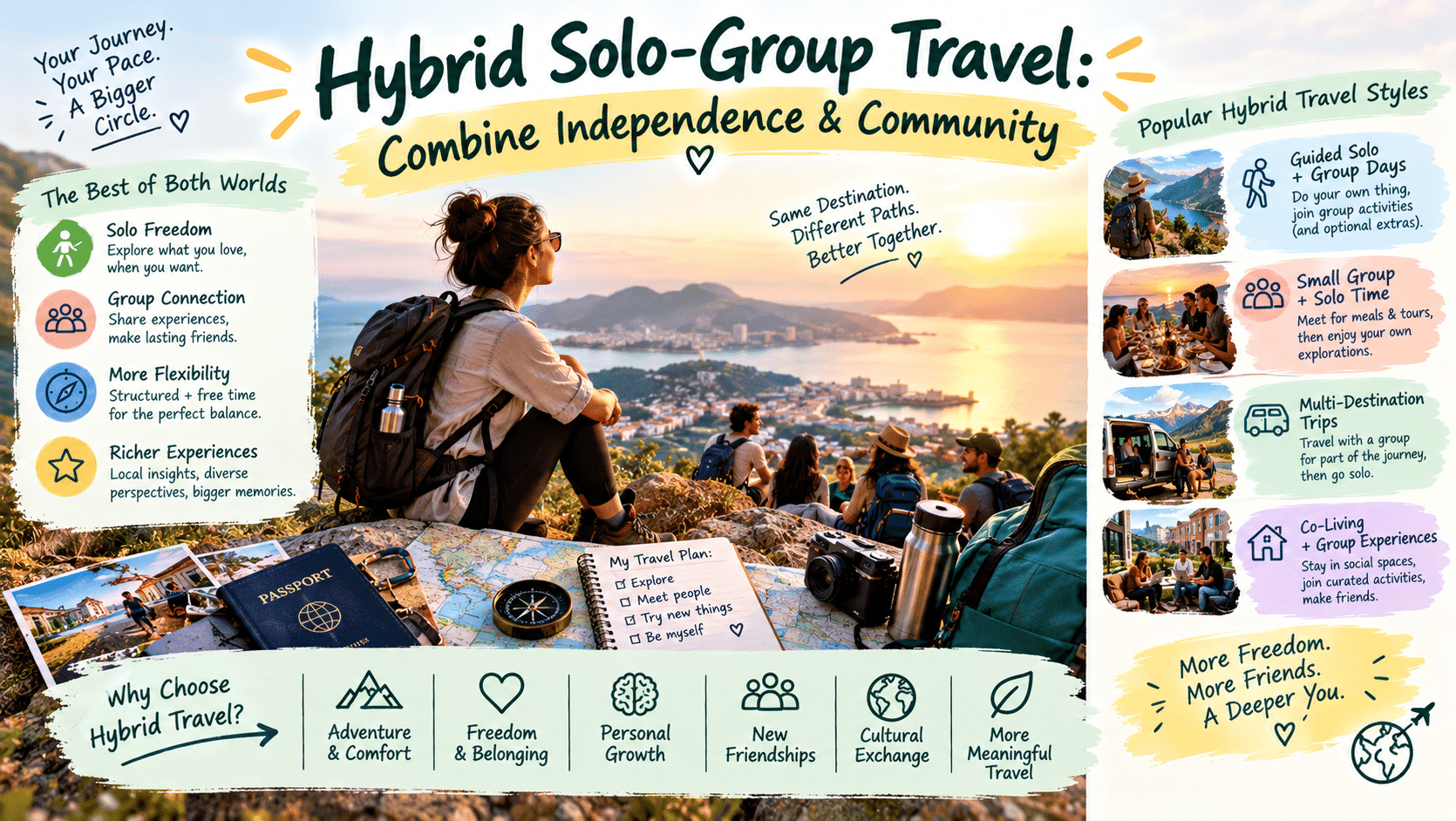
Ready to try a hybrid approach? Explore our guide on hybrid solo‑group travel for more ideas on mixing solo adventures with group dynamics.

One thought on “Solo Traveler’s Guide to Group Tours: Find the Perfect Balance”
Comments are closed.